Reason
· collected 2026-09-15 · by Jonathan H. Adler
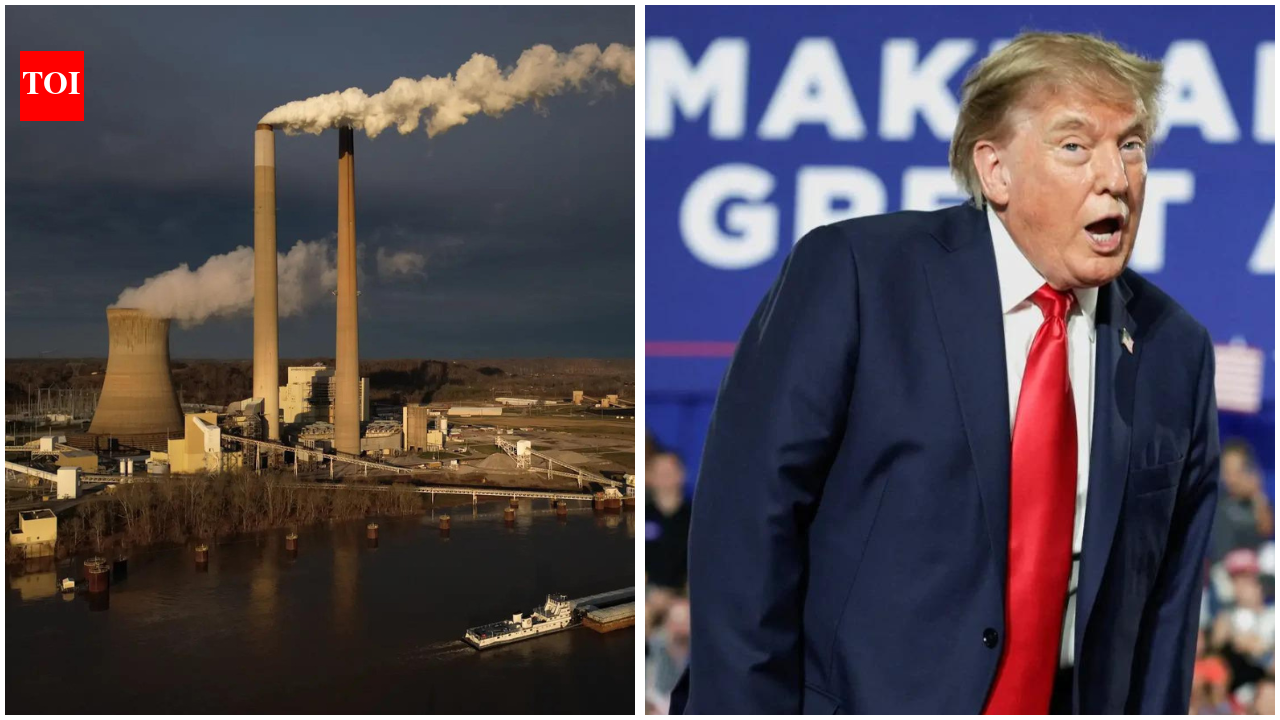
One of the more unusual, and controversial, elements of the Trump Administration's energy policy has been to force some coal plants slated for closure to remain open and operational.
asserted
One → force → closure
From the start, some have questioned whether the Department of Energy has the legal authority to issue such orders.
asserted
Department → question → orders
Today, in Michigan v. Department of Energy, a panel of the U.S. Court of Appeals for the D.C. Circuit concluded that it does not.
asserted
it → conclude → Circuit
Judge Pillard wrote for the court, joined by Chief Judge Srinivasan and Judge Wilkins.
asserted
Pillard → write → Srinivasan
Given the panel's makeup, and the importance of this issue to the Trump Administration, I suspect a petition for en banc rehearing or certiorari will soon follow.
asserted
petition → give → rehearing
Judge Pillard's introduction to her opinion is lengthy, but provides a useful overview of some of the issues.
asserted
introduction → provide → issues
It's reproduced below the jump.
asserted
It → reproduce → jump
Consumers Energy Company is a private business that owns and operates the J.H. Campbell Generating Plant, an aging coal-fired power plant in Michigan that was scheduled to shut down last year.
asserted
that → own → Michigan
The Company worked for several years to develop plans and secure regulatory approval to retire the old Campbell plant and replace it with a mix of expanded and new electricity-generation sources.
asserted
Company → work → sources
Consumers Energy coordinated its planning with Michigan regulators and the Midwest Independent System Operator (MISO)—the 15-state regional transmission organization in which Michigan and Consumers Energy participate.
asserted
Michigan → coordinate → which
The Company's closure-and-replacement proposal received comprehensive scrutiny from the public, private industry, and expert regulators.
asserted
proposal → receive → public
Finding that Consumers Energy's substitute sources would meet applicable reliability criteria, provide less polluting electricity at lower prices, and more than offset generation lost when the old plant closed, the Michigan Public Service Commission and MISO expressly approved the plan.
asserted
Commission → find → plan
Shortly before Campbell's scheduled retirement, the Department of Energy (DOE or Department) unilaterally commanded the unit's continued operation.
asserted
Department → schedule → operation
The Department invoked a rarely used, short-term, federal emergency authority conferred in section 202(c) of the Federal Power Act to order the Campbell coal unit to stay open.
asserted
Department → invoke → unit
Michigan petitioned for review of DOE's order.
asserted
Michigan → petition → order
Illinois and Minnesota also petitioned, as did a group of environmental organizations, including the Sierra Club, Natural Resources Defense Council, Michigan Environmental Council, Environmental Defense Fund, Environmental Law and Policy Center, Vote Solar, the Ecology Center, Urban Core Collective, and the Union of Concerned Scientists.
asserted
group → petition → Scientists
Consumers Energy intervened to "protect[] the company's right to recover the costs associated with DOE's order" from ratepayers, which is at issue in separate proceedings regarding recovery and allocation of costs currently pending before FERC.
asserted
which → intervene → FERC
We evaluate Petitioners' challenge to DOE's interpretation of its emergency power under section 202(c) by reference to statutory text and structure.
asserted
We → evaluate → text
And we deploy those interpretive tools against the backdrop of states' exclusive regulatory power over the generation of electricity.
asserted
we → deploy → electricity
The plain meaning of the text limits section 202(c) emergency authority to address an identified risk of a substantial energy supply shortfall that calls for immediate action.
asserted
that → limit → action
Section 202(c) gives DOE limited authority to sidestep states' jurisdiction over electricity generation to briefly compel generation or interconnection in times of war or other "emergency" situations.
asserted
Section → give → war
By its terms, section 202(c) allows DOE to command certain action "[d]uring the continuance of any war in which the United States is engaged," or when the Secretary determines that "an emergency exists" due to "a sudden increase in the demand for electric energy, or a shortage of electric energy or of facilities for the generation or transmission of electric energy, or of fuel or water for generating facilities, or other causes . . . ." 16 U.S.C. § 824a(c)(1).
asserted
emergency → allow → facilities
The structure of the Federal Power Act and the history of the respective regulatory roles of federal and state governments show that Congress intended to further limit DOE's section 202(c) emergency power to circumstances necessitating action by DOE in particular, as opposed to action by states.
asserted
Congress → show → states
Start with the Act's structure: The statutory provisions immediately preceding section 202(c)—sections 202(a) and (b)—confirm the primacy of states and their utilities in planning to prevent and responding to emergency electricity shortfalls.
asserted
provisions → start → shortfalls
First, section 202(a) facilitates states' and utilities' planning to generate and contract for adequate supplies of electrical power.
asserted
section → facilitate → power
It does so by enabling them to coordinate their efforts through voluntary participation in Regional Transmission Organizations (RTOs).
asserted
It → do → Organizations
Next, section 202(b) provides for coercive federal action to ensure adequate supply—but only at the request of states or their utilities.
asserted
section → provide → states
When "necessary or appropriate in the public interest," a state or utility may request that the Federal Energy Regulatory Commission (FERC) order a generator to connect to and sell or exchange energy with other facilities.
uncertain
generator → request → facilities
Lastly, section 202(c) authorizes DOE to intervene to temporarily order similar action—connection of facilities and provision of electricity—to avert an emergency.
asserted
DOE → authorize → emergency
Congress's placement of section 202(c) after subsections (a) and (b), which more broadly authorize state-level means of preventing and responding to emergency electricity shortages, strongly implies that it meant use of subsection (c) to be essentially the last alternative among the three.
asserted
use → authorize → three
Consider next the history of states' jurisdiction over generation of electricity: The last-resort character of section 202(c) is strongly supported by the respective regulatory powers of states and the federal government under the Federal Power Act.
asserted
character → consider → Act
There is no dispute that for almost a century states have exercised authority, preserved by the Federal Power Act, to regulate in-state power plants for the economic and environmental benefit of their citizens.
asserted
states → be → citizens
It is the states—informed by federal, regional, and load-serving entities' assessments of available supply and reliability needs—that bear the responsibility to plan for and avert reliability risks on an ongoing basis.
asserted
that → inform → basis
To that end, states decide which generation resources must be built, expanded, reduced, or shut down.
asserted
resources → decide → end
The Act empowers the federal government, in contrast, to regulate wholesale marketing and interstate transmission of electricity.
asserted
Act → empower → electricity
That demarcation of federal and state regulatory power is further reason to treat DOE intervention under section 202(c) as rare and authorized only when states, their utilities, and RTOs are unable or unwilling to respond.
asserted
states → treat → section
That is exactly how the federal government has used its section 202(c) authority until today—to address short-term crises, such as blackouts caused by war or extreme weather events, not as a substitute for the states' long-term reliability planning.
asserted
government → use → planning
Our reading of the text, structure, and history leaves us unpersuaded by DOE's sweeping conception of its "emergency" authority under section 202(c).
asserted
reading → leave → section
The Department's position would empower it to pick its preferred power sources in Michigan—or, presumably, any other state—and order them to operate without regard to the multiple procedural and substantive constraints built into state reliability planning processes.
asserted
position → empower → processes
We hold that section 202(c) is best read to apply where the Department identifies a risk of substantial harm from inadequate electricity supply that calls for immediate action by DOE in particular, as opposed to by the states.
asserted
that → hold → states
…and 1 more, not listed.
 The Aporia