Why a new round in the U.S.-Iran conflict could be the most devastating yet

Read the original at CBC News ↗
Cite

Brown, C. (2026, October 24). Why a new round in the U.S.-Iran conflict could be the most devastating yet. CBC News. https://www.cbc.ca/news/world/united-states-iran-conflict-next-round-9.7392215?cmp=rss

Dated from the outlet's own feed. Check the original for its byline.

CBC News · collected 2026-10-24 · by Chris Brown

Quick Summary

An Israeli analyst warns that another round of conflict between the United States and Iran could be more devastating than previous engagements, potentially drawing in other Gulf nations and causing significant economic harm. Danny Citrinowicz, a former intelligence official for Israel’s military, predicts that Iran might target energy facilities and civilian infrastructure, including internet cables beneath the Hormuz Strait, if a new conflict erupts following the U.S. midterm elections.
Written locally by qwen2.5:14b on 2026-10-24, using this article's own text rather than the other coverage of the same event (that is the story summary below).

AI analysis runs on qwen2.5:14b, locally

Story summary

As domestic politics in the United States approach a critical point with the upcoming midterm elections, analysts warn that a new phase of conflict between the U.S. and Iran could soon escalate, potentially leading to a more devastating round of war than previously experienced. Israeli Middle East and Iran analyst Danny Citrinowicz, who had earlier accurately predicted the risks of direct military confrontation with Iran, suggests that renewed attacks are almost inevitable. He asserts that while a U.S.-Israeli attack on Iran would likely not result in regime change, it could instead trigger broader regional conflict.

Citrinowicz's assessment is based on the current impasse in the Persian Gulf and limited strategic options for both U.S. President Trump and Israeli leadership. Independent experts and U.S. intelligence sources previously estimated that while Iran possessed enough enriched uranium to pursue a nuclear weapon, it was still likely months away from actualizing this capability, with no definitive political decision yet made by the regime's supreme leader to proceed.

The potential for further escalation is of grave concern given past warnings about the dire consequences of military intervention in Iran. Analysts caution that any renewed conflict could have far-reaching and devastating effects on the entire Middle East region.

Written for “U S Iran Conflict Escalation” on 2026-10-24, grounded in this article and the 0 other(s) covering the same event.
Why this leaning score
The article's own words the score was based on. Each is quoted verbatim and was checked against the article text before being stored, so you can find it in the original.
Reading Leans right (beta estimate) Confidence medium
Leaning: leans right for article 103702 (medium confidence, 2 verified quotes) · logged 2026-10-24

Story

📰 U S Iran Conflict Escalation
Politics · 1 article(s) covering the same event.

Compared with similar articles

This article reads leans right and hedges 18% of its claims. Each row says how that neighbour differs.
The Hindu
⚖️ leaning not scored 🔴 25% hedged 3 of 12 📰 publisher trust 77
“Article A discusses a warning from U.S. intelligence regarding increased Iranian targeting efforts, while Article B focuses on potential future conflict and political implications after midterm elections.”
Al Jazeera
⚖️ Leans left further left than this 🔴 50% hedged 1 of 2 📰 publisher trust 60
“The articles discuss different aspects of the U.S.-Iran relationship and potential political impacts, not the same specific incident.”
The Straits Times
⚖️ leaning not scored 🔴 21% hedged 3 of 14 📰 publisher trust 68
“While both articles discuss potential U.S. strikes on Iran, Article A specifically mentions a possible strike this weekend as stated by a US envoy, whereas Article B discusses broader political and conflict scenarios without specifying the same timeframe or exact event.”
The Sydney Morning Herald
⚖️ Leans right 🔴 24% hedged 12 of 51 📰 publisher trust 61
“While both articles discuss potential future military action against Iran by the US and Israel, they describe planning and analysis rather than a single specific incident occurring at a particular time.”
Al Jazeera
⚖️ Leans right 🔴 0% hedged 0 of 2 📰 publisher trust 60
“Article A describes a current situation where damage has already occurred to Iranian oil tankers, while Article B discusses potential future scenarios and implications of renewed conflict based on upcoming elections.”
Times of India
⚖️ leaning not scored 🔴 40% hedged 19 of 47 📰 publisher trust 59
“While both articles discuss potential military actions by the US and Israel against Iran, Article A reports on plans for imminent strikes after midterm elections, while Article B focuses more on the broader context and inevitability of a renewed conflict.”
The Straits Times
⚖️ Centre further left than this 🔴 22% hedged 4 of 18 📰 publisher trust 68
“Article A discusses specific plans for renewed strikes after American elections, while Article B focuses on broader implications and warnings about a new phase of war triggered by domestic politics.”
Dawn
⚖️ Leans left further left than this 🔴 26% hedged 10 of 39 📰 publisher trust 71
“The articles discuss similar concerns but do not describe the same specific incident. Article A reports on Trump's threat made at a rally, while Article B discusses broader implications and expert analysis regarding future conflict.”
Semafor
⚖️ leaning not scored 🔴 0% hedged 0 of 4 📰 publisher trust 60
“The articles discuss general tensions between Israel, Iran, and the U.S., but do not describe the same specific incident or occurrence.”
Euronews
⚖️ Leans right 🔴 25% hedged 7 of 28 📰 publisher trust 60
“The articles discuss similar concerns but describe different time frames and levels of immediacy, suggesting they are not reporting on the exact same incident.”
How this article was measured signals, leaning charts, publisher record, byline, topics and claims

Signals How these are calculated →

Claims extracted
51
sentences that state something as happening or true
Uncertain
18%
9 of 51 hedged ("reportedly", "may", "according to")
Leaning
Leans right
of the writing, not the subject · beta estimate
Publisher signals
74/100
CBC News's corrections and hedging, across everything collected from it. Not a measure of accuracy.
Outlets on this story
1
Politics
Same framing elsewhere
1
articles that frame the event the way this one does
Analyzed 2026-10-24 · how these are computed

How this is being covered How these are calculated →

Article leaning vs. publisher reliability
Source leaning vs. consistency

Publisher

CBC News · 1537 article(s) · 5 correction(s) detected
Running correction rate · 5 correction(s)

Who wrote this

Chris Brown
5 article(s) here · 1 carrying a prediction
🔮 Domestic politics appear poised to trigger a new phase of war with Iran The warning signs are flashing red with indications that once the ballots are counted in the U.S. midterm elections, the United States and Israel will relaunch their war with Iran.
🔮 French TV aired video of businesses and retail stores that had been looted and the city's mayor said entire streets had been vandalized.
🔮 While many NATO military planners believe Russia is unlikely to deliberately start a war with the Western alliance, if Russian President Vladimir Putin decides he wants to test NATO’s resolve with a lower-threshold provocation, the Baltic states could be vulnerable.
🔮 The question is, will he actually attack?
🔮 [Federal] trade commissioners wouldn’t help," said Barlow during an interview at his booth at the trade fair.
Also by Chris Brown
Nothing else under this byline is closely related to this article, so these are simply their most recent.

Topics

Iran Iranian Israel Israeli U.S.

Subjects

Iran GPE · 12× U.S. GPE · 10× Iranian NORP · 6× Israeli NORP · 5× Trump PERSON · 5× Israel GPE · 4× Citrinowicz PERSON · 2× Reuters ORG · 2× U.S.-Iran GPE · 1× the United States GPE · 1×

Narrative

At the time, while Iran possessed enough enriched uranium to theoretically pursue a weapon, many independent experts and U.S. intelligence sources believed it was still likely months away from doing so — and perhaps more importantly, that the regime's supreme leader had not yet made the definitive political decision to cross the nuclear threshold.
framing: assertive · carried by 1 article(s) · first seen 2026-10-24
🔮 Domestic politics appear poised to trigger a new phase of war with Iran The warning signs are flashing red with indications that once the ballots are counted in the U.S. midterm elections, the United States and Israel will relaunch their war with Iran.

Claims (51 extracted, 9 hedged)

Domestic politics appear poised to trigger a new phase of war with Iran The warning signs are flashing red with indications that once the ballots are counted in the U.S. midterm elections, the United States and Israel will relaunch their war with Iran. asserted
States → poise → Iran
The next round of attacks could be more devastating than the first, warn analysts. uncertain
analysts → warn → first
"A renewed war seems almost inevitable," said Danny Citrinowicz, an Israeli Middle East and Iran analyst whose earlier warnings and cautions about the risks of a direct conflict with Iran were largely borne out by events. asserted
warnings → renew → events
Citrinowicz, who worked for Israel's military as an intelligence official for more than two decades, had initially warned that any U.S. and Israeli attack on the Islamic regime would not likely lead to regime change but would instead end up engulfing the entire region in a wider conflict — an assessment that proved true. asserted
that → work → conflict
In an interview with CBC News, he said that assessment still holds. asserted
assessment → say → News
"The problem is there is no silver bullet solution to the impasse we are now at in the Persian Gulf and in front of Trump he has only bad and worse options." asserted
he → be → options
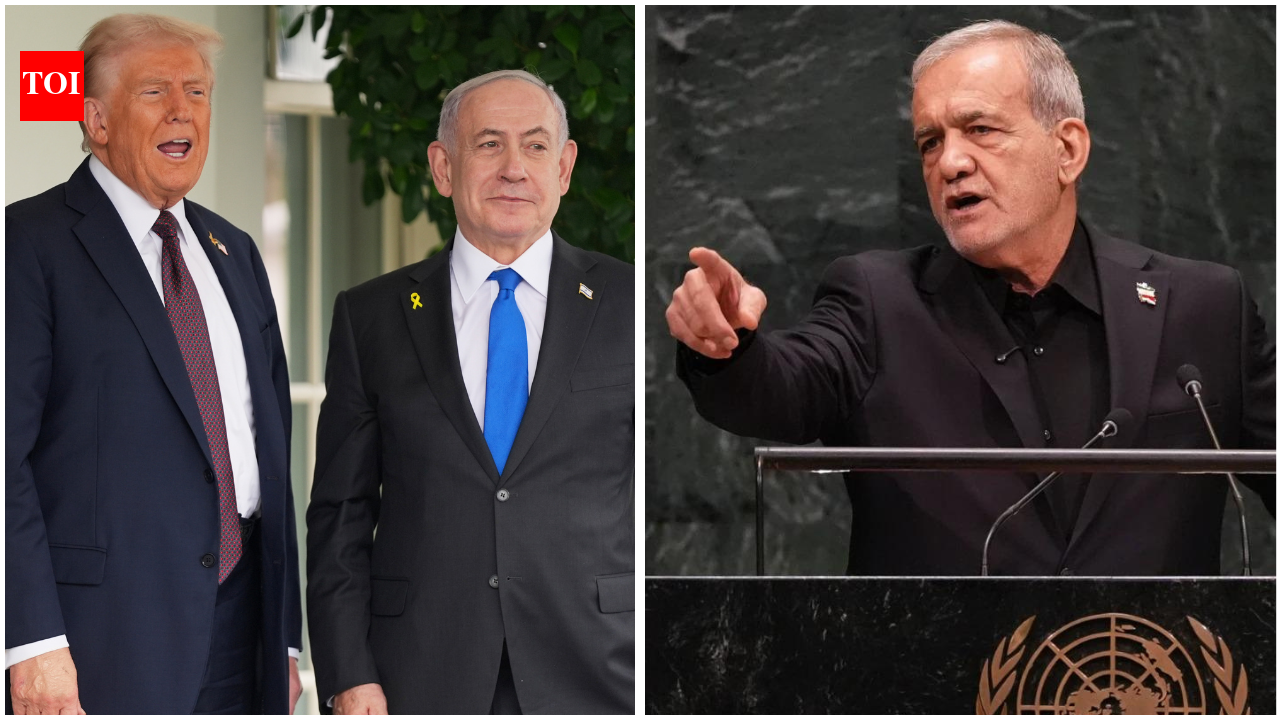
Under U.S. President Donald Trump and Israeli Prime Minister Benjamin Netanyahu, their countries broke with decades of restraint and shadow warfare and launched two distinct wars with Iran over the past 18 months. asserted
countries → break → months
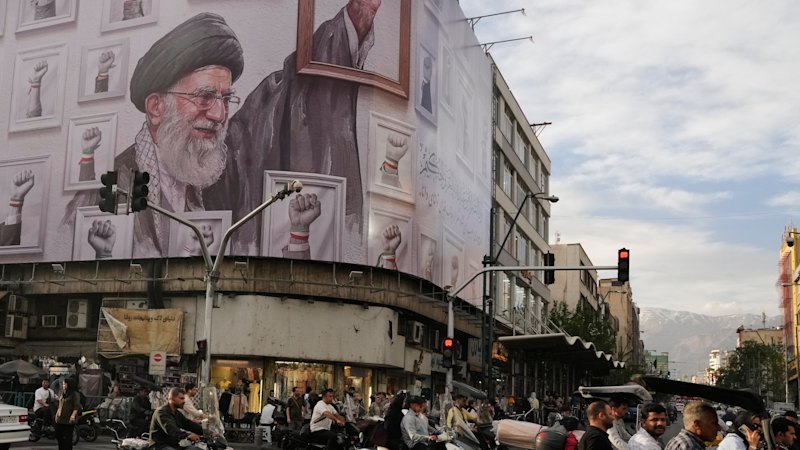
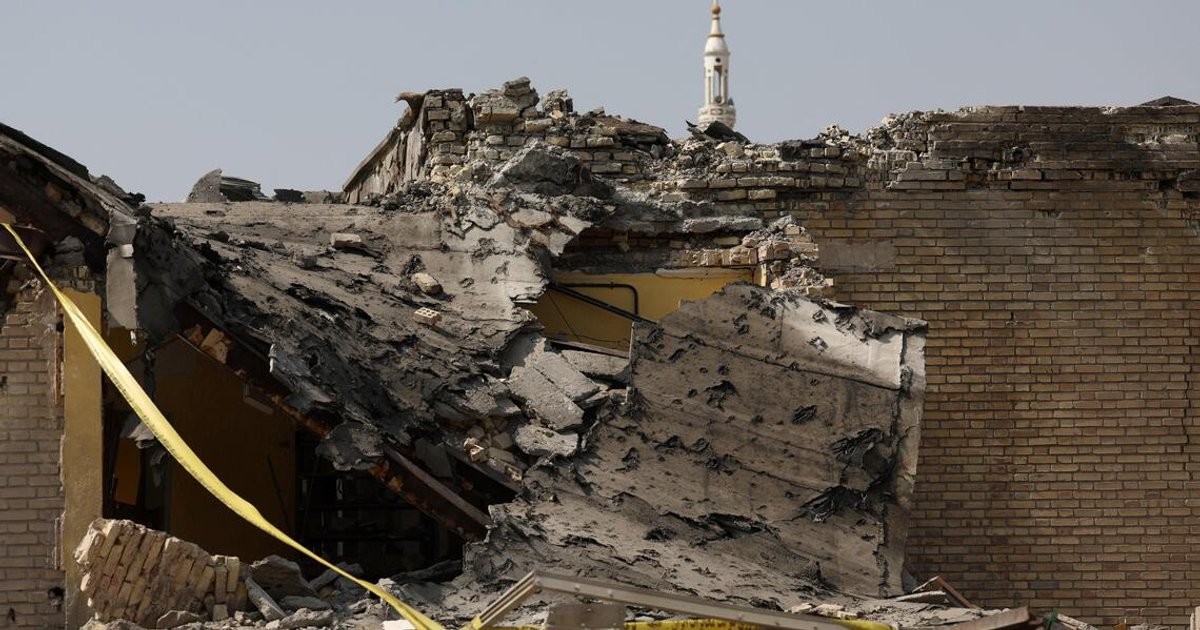
Iranian women look at a building, which was damaged in a U.S. and Israeli strike in March, in Tehran on Aug. 22. asserted
which → look → Aug.
The first in June 2025 began with U.S. and Israeli strikes on Iranian nuclear facilities, lasted 12 days and ended with a fragile ceasefire. asserted
first → begin → ceasefire
The conflict roared back to life in February of this year following a massive U.S. military buildup in the region. asserted
conflict → roar → region
It began with Israel's strikes against Iran's senior leadership, including Ayatollah Ali Khamenei. asserted
It → begin → Khamenei
Worst round yet Citrinowicz, who's with Israel's Institute for National Security Studies, said a third round of war could be the worst yet, based on what Iranian officials are telegraphing. uncertain
officials → say → what
"They will attack the energy facilities in the Gulf. asserted
They → attack → Gulf
But more than that, they will cause significant damage to civilian infrastructure, communications, as well as cutting off the internet lines going under [the] Hormuz Strait," he said. asserted
he → cause → Strait
He said there is even a possibility that Iran could push some of its massive land army into the fight with limited assaults against Gulf countries that house U.S. bases, such as Kuwait and Bahrain. uncertain
that → say → Kuwait
"We'll see a regional war with Iran investing a lot in attacking the U.S. presence in the region to cause maximum economical damage to the U.S. international economy. asserted
Iran → see → economy
Smoke rises from a burning vessel, following what the U.S. Central Command said was a strike on an Iranian-affiliated dhow, at a location given as the Gulf of Oman, in this still image taken from a video released on Oct. 14. asserted
Command → rise → Oct.
While both sides have largely avoided fresh strikes against each other's bases or territory since the summer truce collapsed, the conflict remains active. asserted
conflict → avoid → bases
The U.S. imposed a naval blockade of Iranian ports and Iran has continued to target commercial shipping traffic in the Strait of Hormuz, driving up global energy costs. asserted
Iran → impose → costs
Posting on Truth Social Thursday, Trump blamed Iran for trying to artificially drive up oil prices ahead of the midterms on Nov. 3, elections that many pollsters believe will see Trump's Republicans lose control of the House of Representatives and possibly the Senate as well. uncertain
Republicans → post → Representatives
"They are even making up fake hits, mines and everything else," said Trump, implying that Iran is exaggerating the extent of the damage it's causing. asserted
it → make → damage
A report published this week by the Washington, D.C.,-based Critical Threats Project alongside the Institute for the Study of War (ISW) also suggested Iran is trying to use strikes on shipping to weaken Trump's position heading into the elections. uncertain
Iran → publish → elections
"The increase in Iranian attacks on vessels is part of the ongoing Iranian campaign to pressure the United States to meet Iranian demands, including control over the Strait, by driving up global prices," the report said. asserted
report → pressure → prices
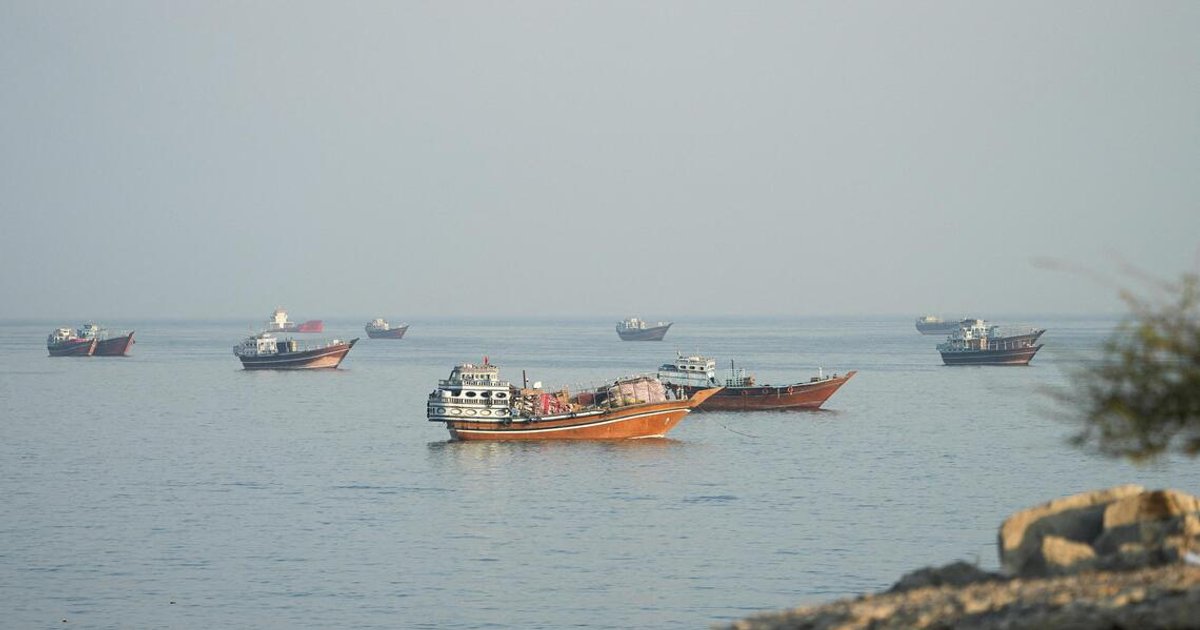
People walk on the beach, with vessels in the Strait of Hormuz visible near the beach of Bandar Abbas, Iran, on Oct. 13. asserted
vessels → walk → Oct.
Iran's demands Iran's government wants relief from punishing sanctions, reparations for the damage caused by earlier U.S.-Israel strikes, the release of billions of dollars in frozen Iranian assets and the right to keep its supplies of enriched uranium. asserted
government → want → uranium
Mediators with Pakistan and Qatar have spent weeks trying to push diplomatic solutions to get the two sides talking again, but to no avail. asserted
sides → spend → avail
For both Netanyahu and Trump, the war with Iran remains unfinished business. asserted
war → remain → Iran
Iran says 7 ships have been struck in Strait of Hormuz, Saudis intercept drones in airspace Iran's president says country won't surrender after Trump threat to 'annihilate' Islamic republic asserted
country → say → republic
The Islamic regime not only remains in power, but its leadership has also proven remarkably adept at adapting to both the military strikes and the economic blockade imposed by the West. asserted
leadership → remain → West
"The war in some respects has probably persuaded Iran's leadership to double down on their commitment to the revolutionary ideology that has really forged this regime," said Suzanne Maloney, a vice-president and director of the foreign policy program at the Washington, D.C.,-based Brookings Institution. asserted
Maloney → persuade → Institution
Like Citroniwicz, she said if war resumes, Trump won't be able to easily contain it. asserted
Trump → say → it
"The retaliation as we've seen will come not just from Iran, but from its proxies and partners in the region," she said, referring to the Houthi militias in Yemen and Hezbollah in Lebanon. asserted
she → see → Lebanon
Iran's goal won't just be to hit back at U.S. military targets but also soft economic targets, such as airports, that could undermine Gulf countries for years to come, she said. uncertain
she → hit → years
Maloney and Karim Sadjadpour, a prominent Iran expert with the Carnegie Endowment for International Peace, were speaking on an online Carnegie panel about the future of the war in Iran. asserted
Maloney → speak → Iran
"I genuinely don't think that President Trump has a clear idea in his head what he's trying to achieve," said Sadjadpour. asserted
Sadjadpour → think → what
"I don't see any possibility of what Trump is looking for — which is like a knockout punch, a military strike — which will essentially force the Iranians into a compromise or capitulation. asserted
which → see → compromise
Trump claimed his justification for the initial attacks on Iran was to ensure the country doesn't get a nuclear weapon. asserted
country → claim → weapon
At the time, while Iran possessed enough enriched uranium to theoretically pursue a weapon, many independent experts and U.S. intelligence sources believed it was still likely months away from doing so — and perhaps more importantly, that the regime's supreme leader had not yet made the definitive political decision to cross the nuclear threshold. asserted
leader → possess → threshold
Western NGOs claim the death toll in Iran is well over 7,000, including civilians and government figures who have been killed in the joint U.S.-Israeli strikes. uncertain
who → claim → strikes
Lebanon has also suffered an especially heavy toll, with local media reporting more than 4,000 fatalities. asserted
media → suffer → fatalities
…and 11 more, not listed.

💬Give feedback
🕘History 🎫Support