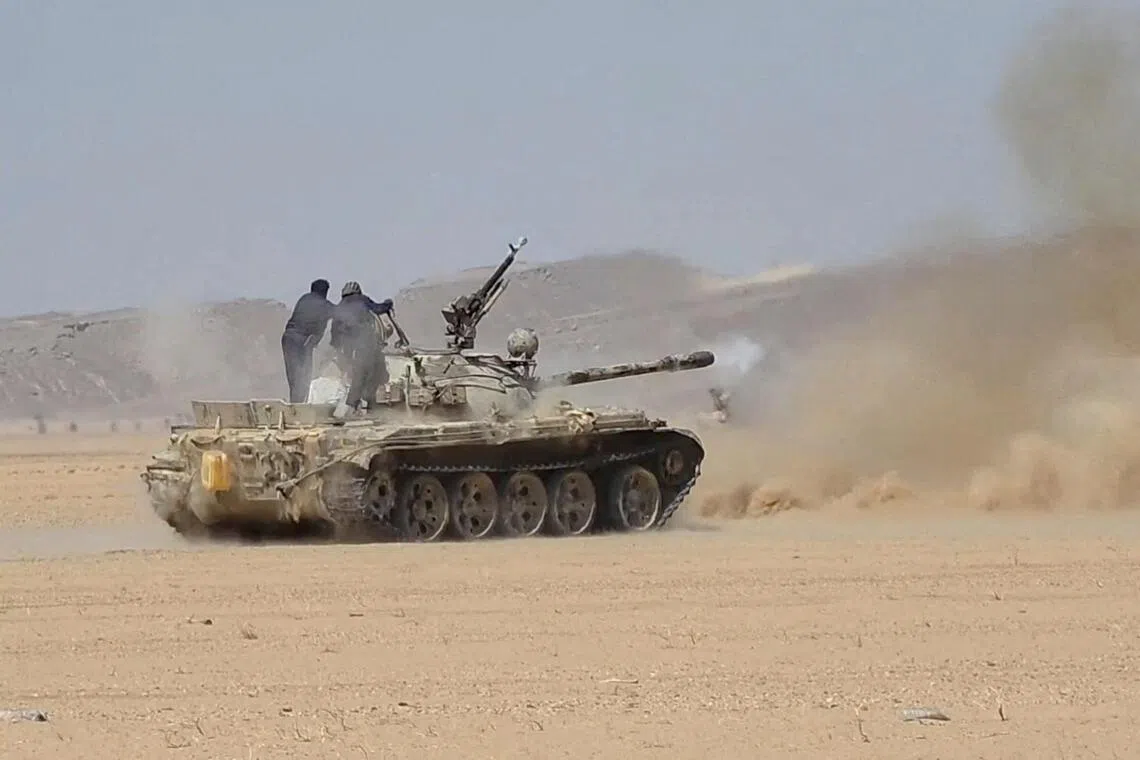
Yemen’s Houthi militants have captured two strategic Red Sea islands, Greater and Lesser Hanish, which are near a critical shipping chokepoint that connects the Red Sea to the open ocean. This seizure increases the threat to oil supplies as it leaves Saudi Arabia vulnerable; experts warn that recent attacks on its east-west pipeline could reduce daily oil shipments by 2.6 million to 4 million barrels for weeks, potentially pushing global crude prices higher and exacerbating fuel price issues in the US where diesel reached $6 per gallon last week.
Written by the local model on 2026-09-15,
using this article's own text rather than the other coverage of the
same event (that is the story summary below).
Story summary
Yemen's Houthi rebels, backed by Iran, have seized Greater and Lesser Hanish islands in the southern Red Sea, strengthening their control over critical shipping routes. This move follows previous captures of the port city of Mokha and Perim Island, displacing more than 80,000 people since September 2023. The capture of these strategic locations increases pressure on global oil supplies, as they lie near the Bab el-Mandeb Strait, a vital passage connecting the Red Sea to the Indian Ocean. Additionally, Saudi Arabia's East-West pipeline, crucial for moving oil from the Persian Gulf to export hubs like Yanbu, was forced to close after an attack by Iranian-backed Iraqi militias. These developments coincide with heightened tensions over Iran’s ongoing conflict and its impact on maritime traffic through the Strait of Hormuz.
Written for “Houthis Advance In Red Sea” on 2026-09-17,
grounded in this article and the 18 other(s) covering the same event.
Why this leaning score
The article's own words the score was based on. Each is quoted
verbatim and was checked against the article text before being
stored, so you can find it in the original.
-
Yemen’s Houthi militants have seized two strategic islands in the Red Sea, reinforcing the Iran-backed group’s ability to control a key shipping route
right describes Houthi actions as threatening and reinforces negative framing
-
The speed of the Houthis’ advance has left Yemen’s Saudi-backed government trying to claw back territory captured by the militants in recent days, while Riyadh grapples with attacks on a critical oil pipeline by Iran-allied militants in Iraq
right frames Houthi actions as aggressive and threatening
-
Threats from Houthis have left Saudi Arabia on high alert, with air alerts flashing across the country daily, while a series of attacks carried out by the militant group using ballistic missiles and drones wounded 13 civilians on Monday
right describes Houthi actions as threatening civilian safety
-
The Houthi advance puts them just 32km from a US military base in the tiny country on the Horn of Africa, on the other side of the Bab al-Mandab strait
right emphasizes proximity to strategic military location
-
Research company Rystad Energy said on Monday that since late August, an average 2.6m to 4m barrels of oil a day moved through the pipeline and out of the port of Yanbu – a volume it said was now at risk of “disappearing from the market”
right frames Houthi actions as economically damaging
Leaning score +0.65 for article 10200 (high confidence, 5 verified quotes) · logged 2026-09-15
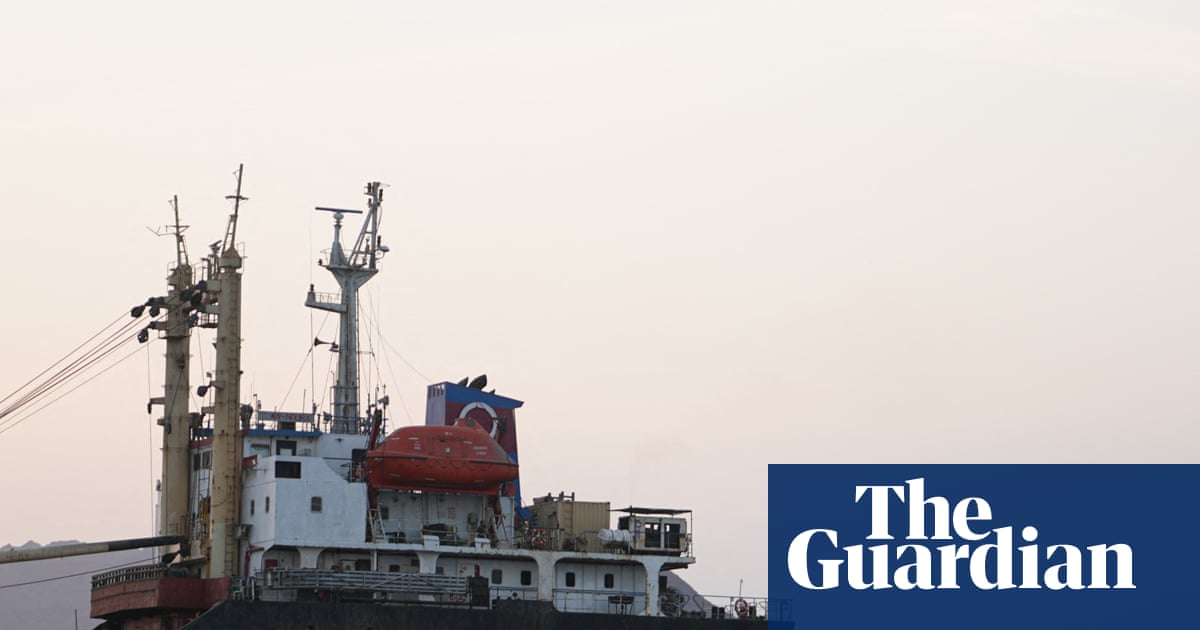
Yemen’s Houthi militants have seized two strategic islands in the Red Sea, reinforcing the Iran-backed group’s ability to control a key shipping route, as concerns mount that the world is facing a new oil supply crisis.
asserted
world → seize → crisis
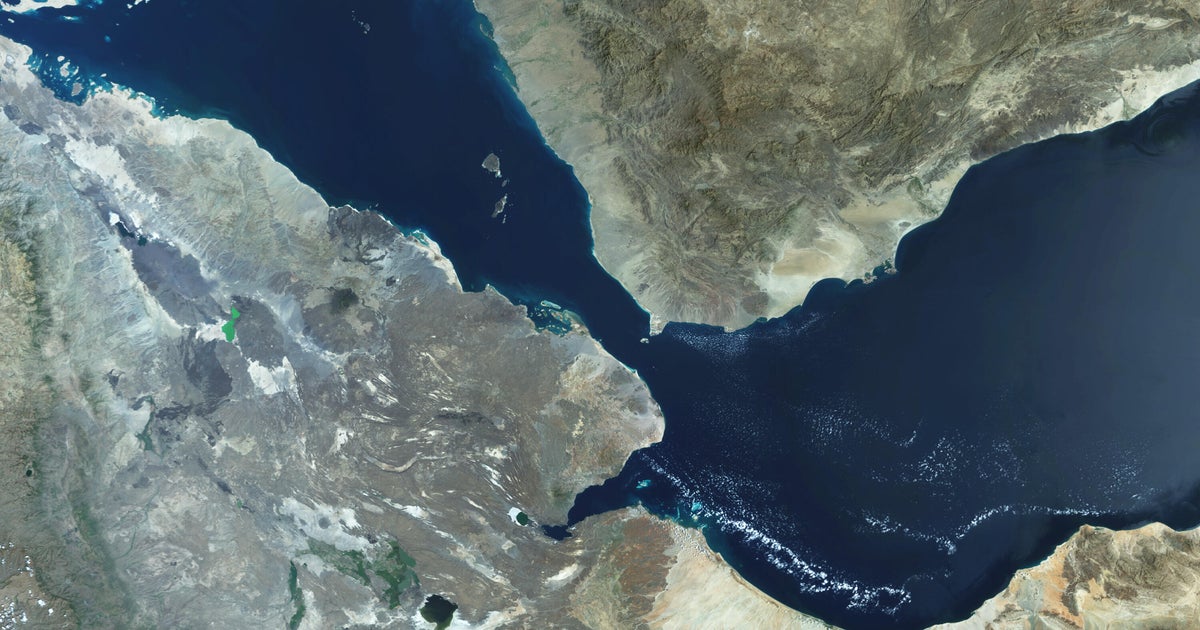
The islands lie 160km north of the strait which is a chokepoint that connects the Red Sea to the open ocean and Saudi Arabia’s key Asian markets.
asserted
that → lie → ocean
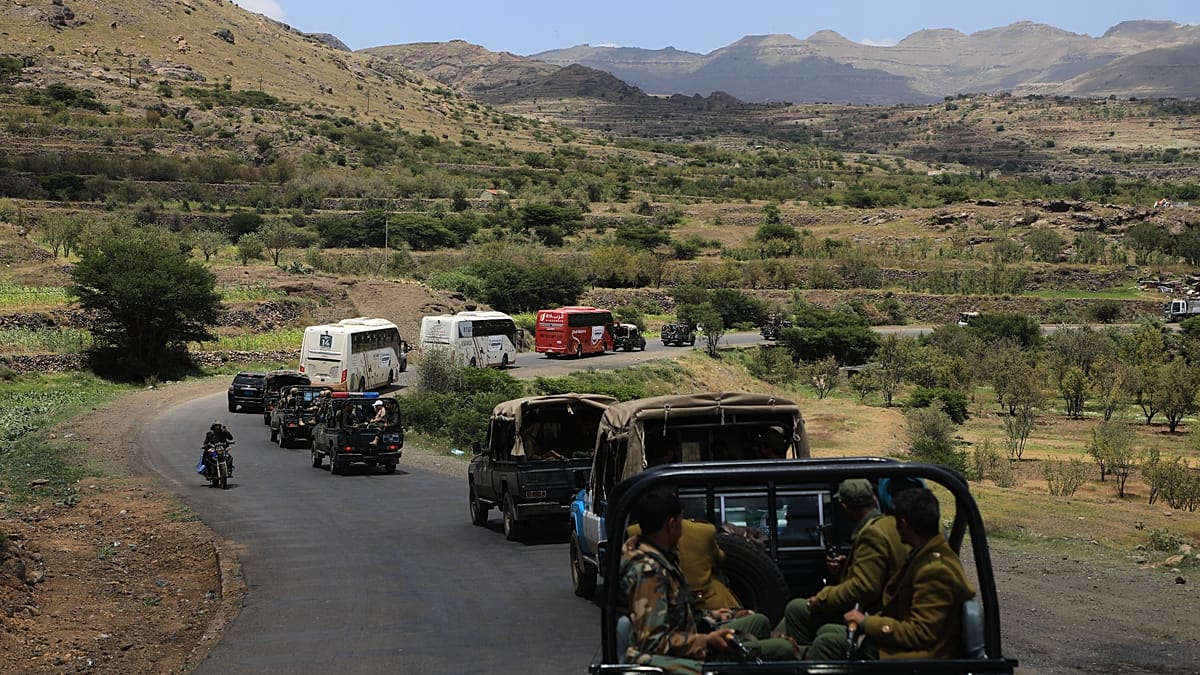
The speed of the Houthis’ advance has left Yemen’s Saudi-backed government trying to claw back territory captured by the militants in recent days, while Riyadh grapples with attacks on a critical oil pipeline by Iran-allied militants in Iraq.
asserted
Riyadh → leave → Iraq
Threats from Houthis have left Saudi Arabia on high alert, with air alerts flashing across the country daily, while a series of attacks carried out by the militant group using ballistic missiles and drones wounded 13 civilians on Monday.
asserted
series → leave → Monday
Nearly 94,000 people in Yemen have fled their homes since fighting between the Houthis and government forces escalated this month, the International Organization for Migration said on Monday.
asserted
Organization → flee → Monday
About 200 schools have been converted to shelters in south-western Yemen to absorb an influx of families, the International Rescue Committee said.
asserted
Committee → convert → families
More than 2,000 people have reportedly fled across the sea into Djibouti.
uncertain
people → flee → Djibouti
The Houthi advance puts them just 32km from a US military base in the tiny country on the Horn of Africa, on the other side of the Bab al-Mandab strait.
asserted
advance → put → strait
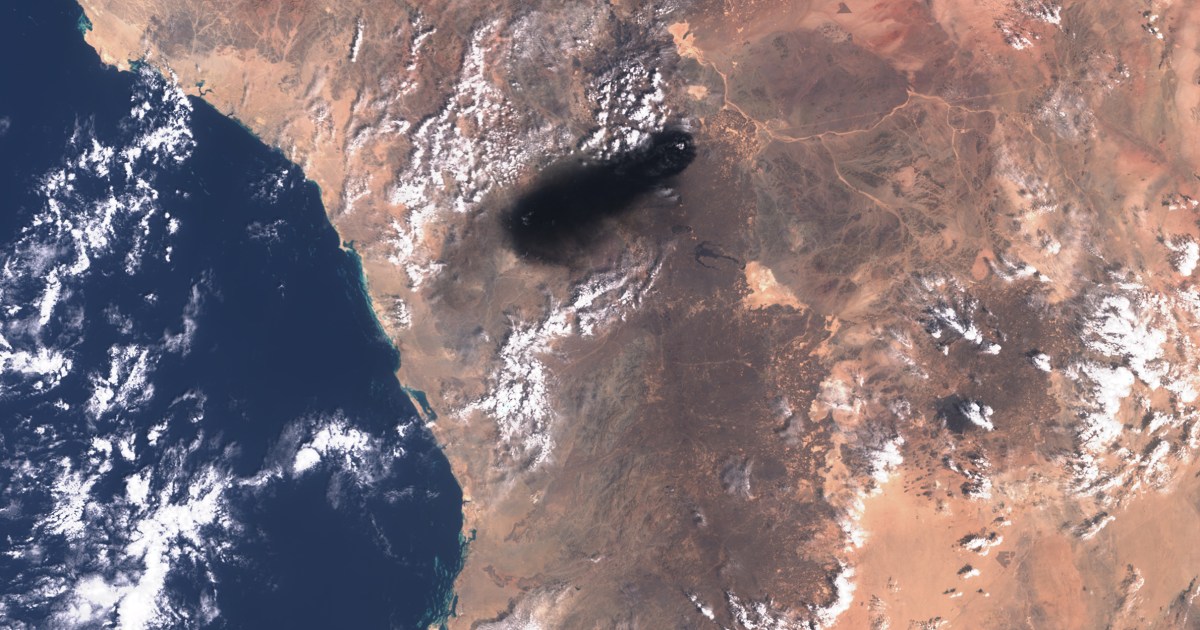
On Monday, experts warned that the closure of Saudi Arabia’s east-west pipeline – which has been vital for Riyadh to move oil from the strait of Hormuz to the Red Sea export hub of Yanbu – will further pile pressure on its shipments and global oil supplies.
asserted
Riyadh → warn → shipments
Officials have estimated it could take weeks to fully repair it.
uncertain
it → estimate → it
Any prolonged disruption and the associated supply loss could easily push prices to the next level higher,” said Tim Waterer, chief market analyst at KCM Trade.
uncertain
Waterer → associate → Trade
Research company Rystad Energy said on Monday that since late August, an average 2.6m to 4m barrels of oil a day moved through the pipeline and out of the port of Yanbu – a volume it said was now at risk of “disappearing from the market”.
asserted
it → say → market
Janiv Shah, vice-president of oil markets for Rystad Energy, noted the recent jump in Brent prices proved the market was already responding to “a significant loss of supply”.
asserted
market → note → supply
Saudi inventories could sustain exports in the coming days, but that could “change quickly,” Shah added.
uncertain
Shah → sustain → days
On Tuesday morning, Brent crude oil rose 1.17% to $106.92 a barrel.
asserted
oil → rise → 106.92
The average price of diesel in the US hit $6 per gallon for the first time last week, as the Iran war, combined with Ukrainian attacks on Russian refineries, squeezed supply.
asserted
war → hit → supply
The Houthi leadership has said it is not seeking to block all commercial shipping in the Red Sea, only Saudi-linked ships.
asserted
it → say → Sea
Supplies from Saudi Arabia, the world’s biggest exporter of oil, are vital to economies in Africa and Asia, which rely on oil imports from the Middle East and have been hit hardest by the disruption in trade.
asserted
which → rely → trade
Experts say the stock buffers that existed in the system earlier this year, shielding the world from the worst effects of an oil shock by limiting price increases, have now largely disappeared.
asserted
that → say → increases
Since the war began in February, countries have released some crude stockpiles to the market, and the US also lifted restrictions on oil stored on ships floating at sea from countries under sanctions.
asserted
US → begin → sanctions
Those buffers have now been “played out”, Chevron CEO Mike Wirth said on Friday.
asserted
Wirth → play → Friday
“It’s harder to envision a scenario where prices soften and quickly,” he said.
asserted
he → ’ → scenario
“I think the risks remain to the upside over the next few months.“
asserted
risks → think → months
 The Aporia