The renewed escalation in Yemen is no longer simply a Yemeni battlefield development.
asserted
escalation → renew → Yemen
For Saudi Arabia, it is becoming a direct test of national security, economic resilience and the kingdom’s ability to prevent the wider regional war from spilling further across its borders.
asserted
it → become → borders
The latest Houthi attacks have demonstrated this clearly.
asserted
attacks → demonstrate → this
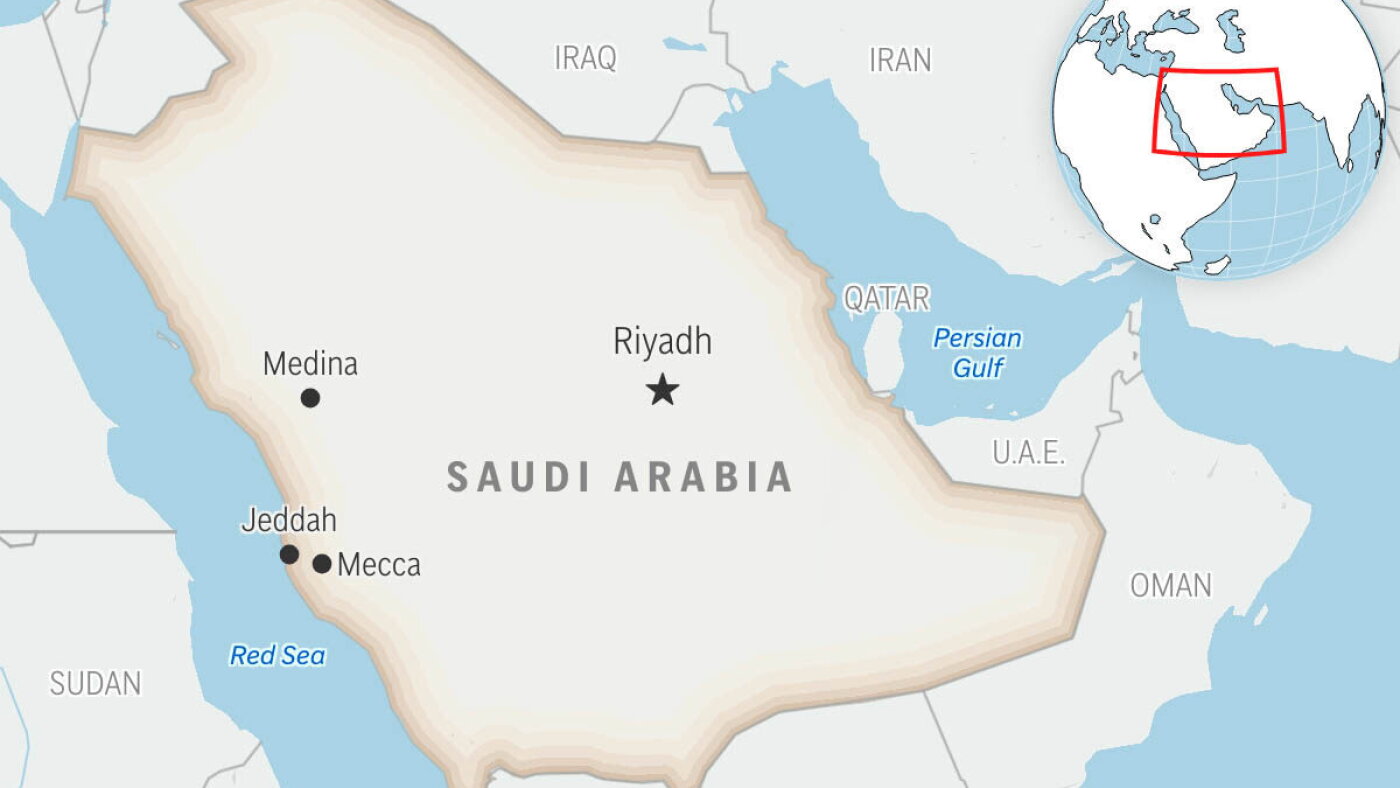
Missiles and drones have hit civilian and economic sites in Abha, Khamis Mushait, Jizan and Najran, injuring dozens of civilians and causing fires and temporary disruption at energy facilities.
asserted
Missiles → hit → facilities
The attacks came as fighting intensified in Yemen and around the western coast, while the Houthis continued to threaten maritime traffic in the Red Sea and Bab al-Mandeb.
asserted
Houthis → come → Sea
Saudi Arabia therefore faces two interconnected threats: Attacks on its territory and attempts to disrupt the maritime routes on which regional and international trade depends.
asserted
trade → face → which
This creates a difficult strategic equation for Riyadh.
asserted
This → create → Riyadh
Saudi Arabia has spent the past several years trying to move away from direct military involvement in Yemen and towards diplomacy, de-escalation and support for a political settlement.
asserted
Arabia → spend → settlement
A return to an open-ended war would contradict that strategy and impose unnecessary political and economic costs.
asserted
return → contradict → costs
But restraint cannot mean accepting repeated attacks on Saudi territory.
asserted
restraint → mean → territory
A different security environment
The security challenge today differs considerably from the first years of the Yemen war.
asserted
challenge → differ → war
Saudi Arabia has strengthened its air and missile defences, improved coordination between its military and security institutions and accumulated considerable experience in countering drones and ballistic missiles.
asserted
Arabia → strengthen → drones
It is therefore much better prepared to defend its territory than it was a decade ago.
asserted
it → prepare → territory
Yet the Houthi threat has also evolved.
asserted
threat → evolve → ?
The group possesses a combination of ballistic missiles, cruise missiles and increasingly sophisticated drones.
asserted
group → possess → missiles
Even when most incoming weapons are intercepted, relatively inexpensive systems can impose disproportionate defensive costs and create uncertainty around airports, industrial facilities, border communities and energy infrastructure.
asserted
systems → intercept → airports
This means Saudi security cannot depend on interception alone.
asserted
security → mean → interception
No air defence system can guarantee a perfect shield indefinitely.
asserted
system → guarantee → shield
The strategic objective must therefore be deterrence: Convincing the Houthis that attacks on Saudi territory will impose costs greater than any political or military benefit they expect to obtain.
asserted
they → convince → benefit
This does not necessarily require returning to the large-scale military campaign of previous years.
asserted
This → require → years
Riyadh has more options today.
asserted
Riyadh → have → options
These include intelligence operations, strengthening Yemeni government forces, improving border security, disrupting missile and drone supply networks and, where necessary, conducting proportionate operations against facilities directly involved in attacks on Saudi Arabia.
asserted
These → include → Arabia
Saudi Arabia does not need to choose between doing nothing and returning to a full-scale war.
asserted
Arabia → need → war
Saudi Arabia is one of the world’s largest energy exporters, which makes attacks on its oil infrastructure internationally significant even when physical damage is limited.
asserted
damage → make → infrastructure
The latest attacks affected energy facilities and contributed to renewed concern in already nervous global oil markets.
asserted
attacks → affect → markets
There is an apparent paradox here: Regional instability can push oil prices higher and temporarily increase Saudi oil revenues.
asserted
instability → be → revenues
But higher prices caused by war should not be confused with economic benefit.
asserted
prices → cause → benefit
Saudi Arabia’s economic strategy under Vision 2030 depends increasingly on stability, investment, tourism, logistics, technology and the development of major projects outside the oil sector.
asserted
strategy → depend → sector
Persistent missile and drone attacks can raise insurance and transport costs and affect perceptions of regional risk even if the kingdom’s underlying economy remains strong.
asserted
economy → raise → risk
Saudi Arabia occupies a strategic position between two of the world’s most important energy corridors: The Strait of Hormuz to the east and Bab al-Mandeb to the west.
asserted
Arabia → occupy → west
Disruption of both routes represents a serious challenge not only for Saudi Arabia but for the global economy.
asserted
Disruption → represent → economy
Bab al-Mandeb connects the Indian Ocean with the Red Sea and the Suez Canal.
asserted
Mandeb → connect → Sea
A sustained Houthi ability to threaten shipping there would increase freight and insurance costs and potentially divert vessels around Africa.
asserted
ability → threaten → Africa
Saudi Arabia, however, possesses an important strategic advantage: Its energy infrastructure is not completely dependent on the Gulf.
asserted
infrastructure → possess → Gulf
The kingdom can transport significant quantities of oil through its East-West pipeline to terminals on the Red Sea.
asserted
kingdom → transport → Sea
This provides an alternative to Hormuz and gives Riyadh greater strategic flexibility.
asserted
This → provide → flexibility
That advantage does not, however, eliminate Saudi Arabia’s exposure to insecurity elsewhere in the Red Sea, including around Bab al-Mandeb.
asserted
advantage → eliminate → Mandeb
Protecting Bab al-Mandeb should therefore be understood not simply as a Saudi or Yemeni interest but as an international economic and security requirement.
asserted
Protecting → protect → requirement
The Houthis could benefit from drawing Saudi Arabia back into an extensive war.
uncertain
Houthis → benefit → war
It would allow them to portray the conflict once again as a confrontation between Yemen and an external power rather than a struggle among Yemenis over the future of their state.
asserted
them → allow → state
…and 23 more, not listed.
 The Aporia