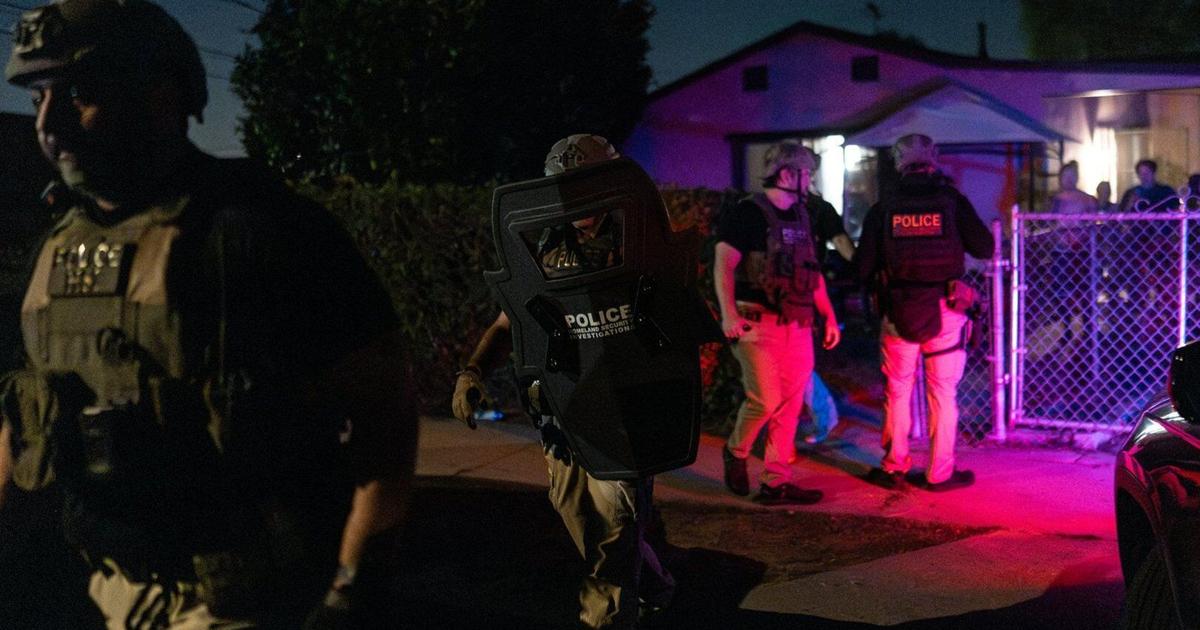
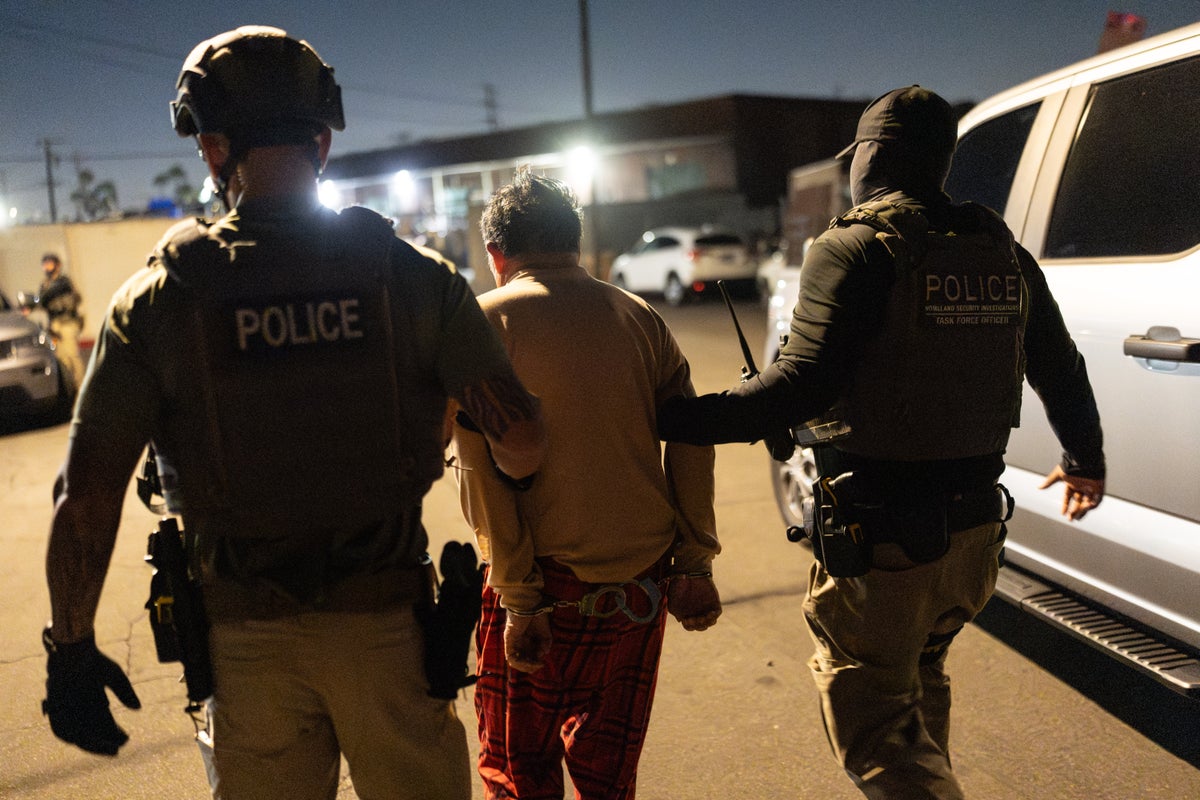
Most of the immigrants targeted by federal authorities in California this week for alleged voter fraud had applied for U.S. citizenship and now face charges related to lying on forms or during interviews.
asserted
Most → target → interviews
Those charges could lead to years in prison and thwart their efforts to naturalise.
uncertain
charges → lead → efforts
Amandeep Kaur, who is among those charged, has lived in the country for eight years and is in the process of becoming a naturalised U.S. citizen, said her husband, Kulwinder Singh.
asserted
husband → charge → process
Mr. Singh said she got her driver's license in 2024 but took the written test at the DMV in Hindi because she struggles with English.
asserted
she → say → English
He doesn't know if she registered to vote then.
asserted
she → know → ?
He said she received and returned a ballot in 2024 but they both thought it was a registration form.
asserted
it → say → 2024
Now, he said his wife is distraught with the news that she may have done something illegal.
uncertain
she → say → something
“All she does is cry.
asserted
she → do → ?
It's heartbreaking,” said Mr. Singh, who is a U.S. citizen.
asserted
who → say → ?
One of them is José Antonio Bañuelos-Díaz, 42, who applied for citizenship in October 2025 after living in the country for 40 years and spending his entire adult life as a legal permanent resident.
asserted
who → apply → resident
The federal government has alleged in charging documents that he improperly claimed to be a citizen in 2007 when registering to vote, then later lied about it on his immigration paperwork.
asserted
he → allege → paperwork
The government hasn't accused him of casting a ballot.
asserted
government → accuse → ballot
Bañuelos-Díaz told The Associated Press he had no idea he had registered to vote until he was arrested on Monday (October 19, 2026) outside his Los Angeles home, though he recalls getting a driver's license around 2007.
asserted
he → tell → 2007
In California, people are prompted to register to vote when applying for a driver's license.
asserted
people → prompt → license
“I have never voted because I know I can't vote,” he said.
asserted
he → vote → ?
“If there was a mistake, they should have called me out right away, not 20 years later.”
asserted
they → be → me
He was released from custody after his arrest but faces up to five years in prison if convicted.
asserted
He → release → prison
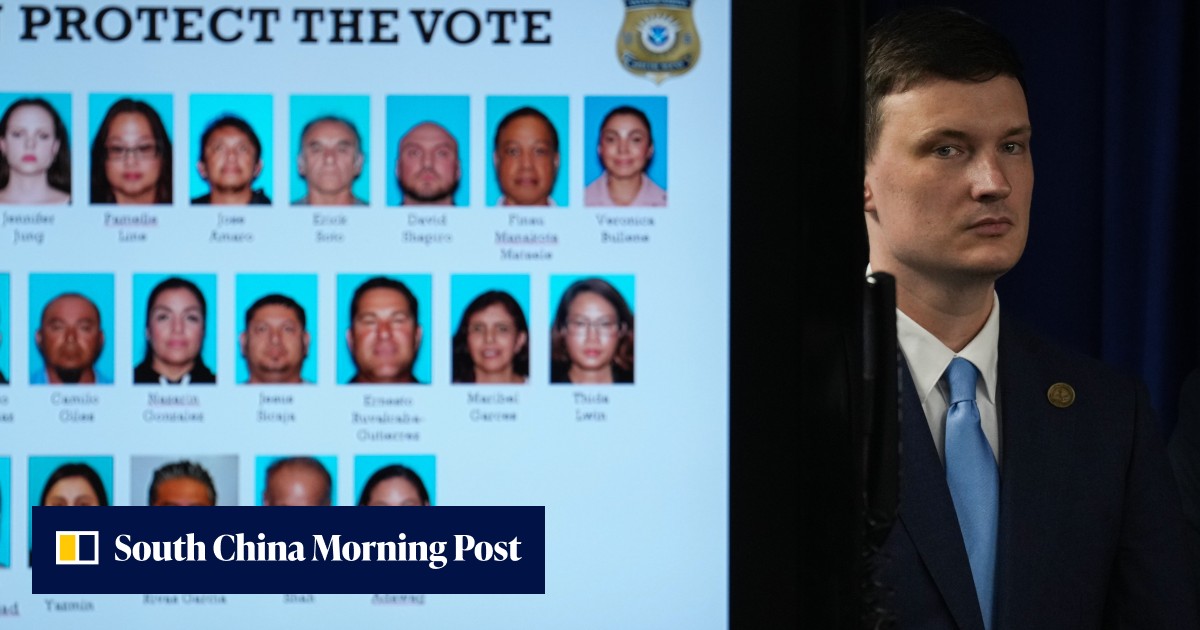
Federal authorities on Monday (October 19, 2026) charged more than two dozen legal permanent residents in California in a crackdown on people accused of illegally voting or registering to do so.
asserted
authorities → charge → people
As of Thursday (October 22, 2026) morning, the government had filed charging documents in 10 of the 28 cases, offering additional details about how authorities relied on voter registration data to pursue broader criminal charges around immigration status.
asserted
authorities → file → status
Most of the immigrants charged in California have lived in the country for at least five years, and some of them for decades.
asserted
Most → charge → decades
They could face deportation if they lied on their citizenship application.
uncertain
they → face → application
Lying on immigration forms carries a heavier sentence than illegal voting
Immigrants convicted of illegally voting in the United States face up to a year in prison.
asserted
Immigrants → lie → prison
Those convicted of lying on applications to become American citizens face up to a decade.
asserted
Those → convict → decade
The Justice Department said in a statement that six people would be charged with voting as a noncitizen, a misdemeanor.
asserted
people → say → noncitizen
The 22 others were facing a combination of felony charges including lying on their naturalisation application during interviews or on voter registration forms.
asserted
others → face → forms
In one case, Homeland Security agents arrested Pamele Arbues Line immediately following her October 15 naturalisation interview in San Diego.
asserted
agents → arrest → Diego
In charging documents, the federal government said Ms. Line had allegedly registered to vote five times and had submitted ballots in several elections but said in her paperwork and in the interview that she had never voted or claimed to be a U.S. citizen.
uncertain
she → charge → interview
She later admitted to registering to vote while getting her driver's license renewed last year and said she voted once, according to the charging documents.
uncertain
she → admit → documents
Ms. Line, who is from the Philippines, told authorities she thought she was a U.S. citizen because her mother had become naturalised after they moved to the United States more than four decades ago.
asserted
they → tell → States
But Ms. Line, now 56, was 19 at the time and not covered by her mother's citizenship, according to the government.
uncertain
Line → cover → government
She learned she was not a citizen in June when she went to get a renewed Social Security card, and she told agents she applied for naturalisation the same day, according to the documents.
uncertain
she → learn → documents
She faces at least 10 years in prison if convicted of two charges.
asserted
She → face → charges
Trump tackles alleged noncitizen voting as midterms near
The cases are part of a Trump administration effort to root out noncitizen voting ahead of the midterm elections, even though data shows that the problem is incredibly rare, difficult to prove and has not been shown to change the outcome of races.
asserted
problem → tackle → races
The Department of Justice has sued California for not complying with a request to verify the citizenship of roughly 20,000 registered voters it says may be noncitizens.
uncertain
it → sue → voters
California, which has more than 23 million registered voters, has argued the state complies with federal law and that the Trump administration's numbers are likely significantly inflated.
asserted
numbers → have → law
State election officials also noted once a ballot is mailed in, it is separated from any individual voter identification, making it impossible to separate based on the information provided by the federal government.
asserted
it → note → government
Beyond voting, the Trump administration has also ramped up immigration enforcement nationwide and slowed down the approval of naturalisation applications.
asserted
administration → vote → applications
Government data shows officials approved 58,000 naturalisation applications between April and June 2026, less than a quarter of the number approved in the same period in 2025, according to the data.
uncertain
officials → show → data
Immigrants can apply to become U.S. citizens after holding green cards for at least three years.
asserted
Immigrants → apply → years
They must answer extensive questions about activities related to voting, political activities and crime, pass background checks and a civics test and meet English language requirements.
asserted
They → answer → requirements
…and 3 more, not listed.
 The Aporia