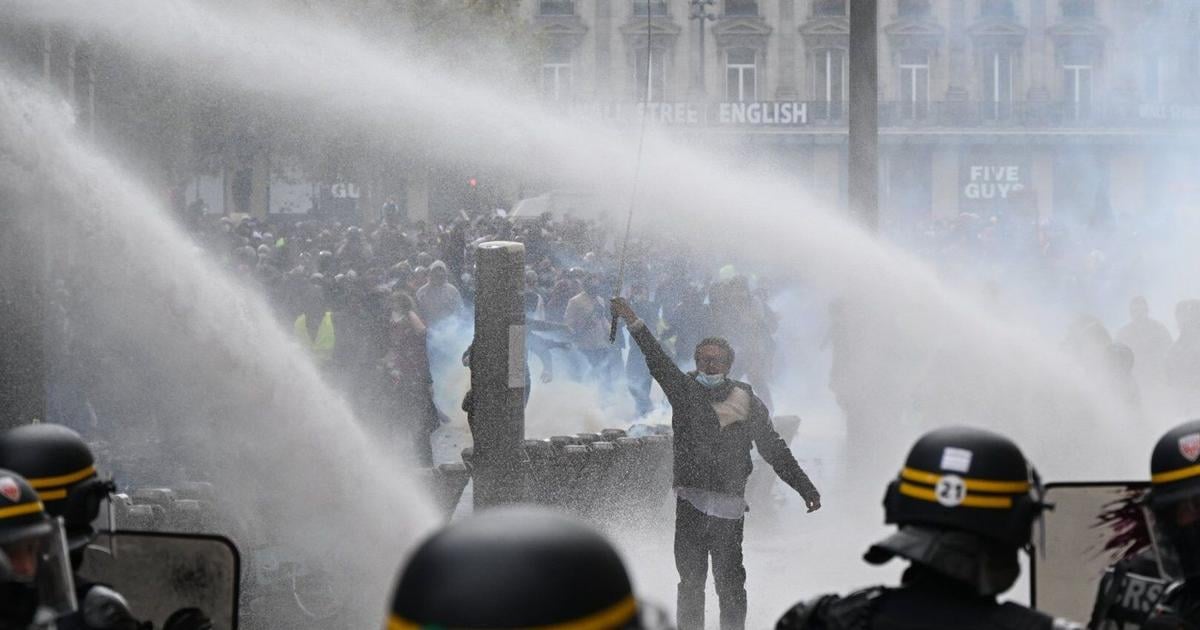
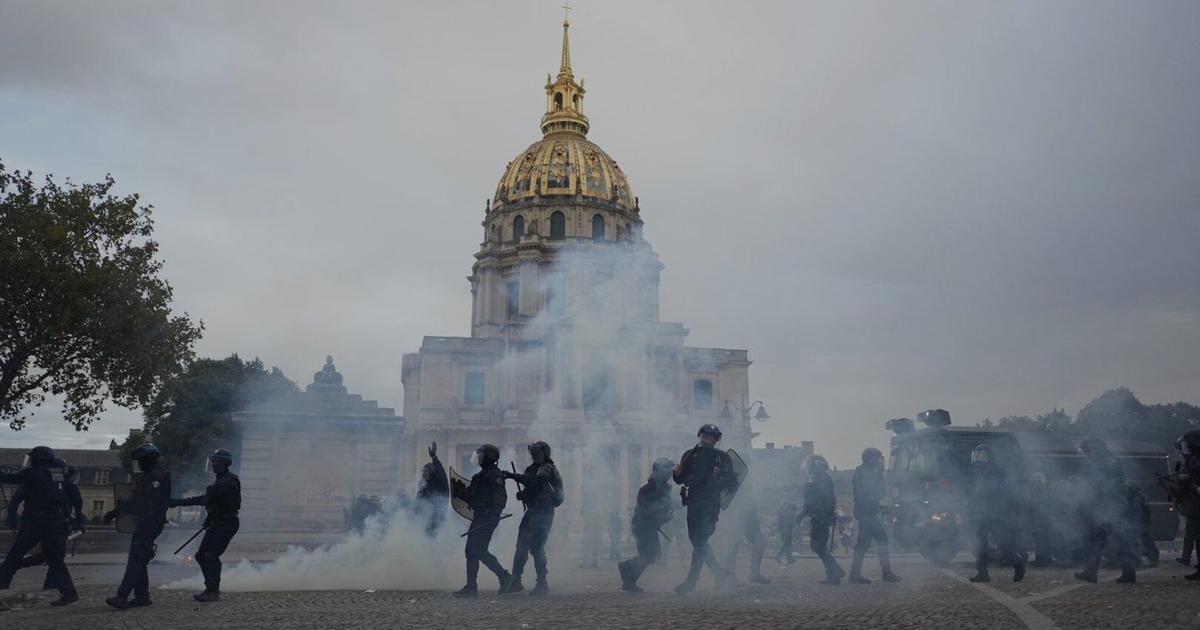
PARIS (AP) — Police across France are under pressure to maintain security during further protests expected in some cities, while facing scrutiny over their riot-control tactics used during previous unrest that left some teenagers seriously injured.
asserted
that → maintain → teenagers
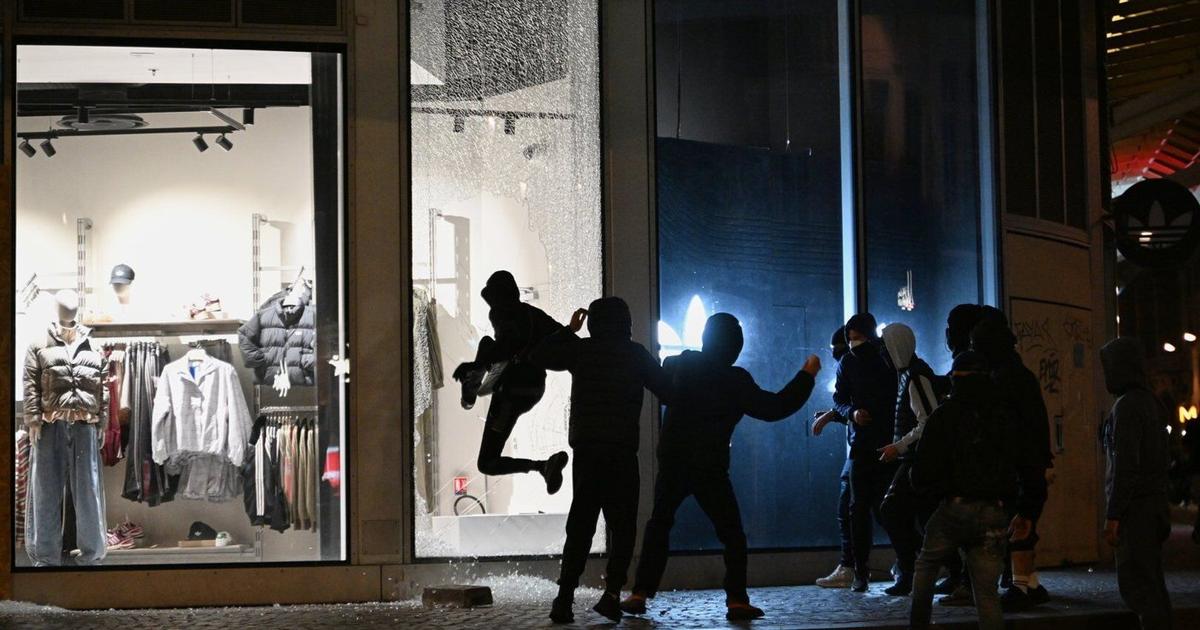
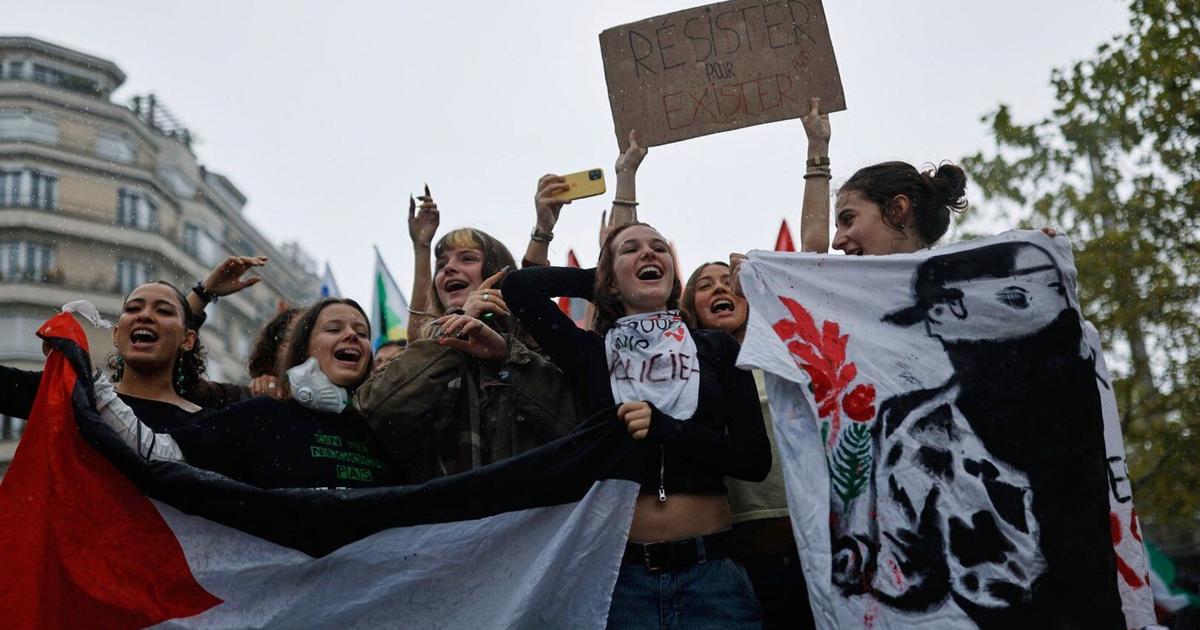
Officers have appeared outnumbered and overwhelmed during last weekend’s protests against rising living costs and poor conditions in schools.
asserted
Officers → appear → schools
Authorities have announced police reinforcements ahead of further protests expected on Saturday, amid fears of renewed violence.
asserted
Authorities → announce → violence
A 17-year-old girl lost an eye while participating in a protest in Mulhouse last Saturday, while a 17-year-old boy lost a hand in Saint-Etienne.
asserted
boy → lose → Etienne
Other teenagers have suffered disabling injuries during weeks of high school blockades and street demonstrations.
asserted
teenagers → suffer → blockades
Police equipped with multiple riot-control weapons
French police forces are equipped with batons, tear gas, sound grenades and foam-round launchers, as well as riot shields equipped with powerful strobe lights designed to disorient protesters.
asserted
forces → equip → protesters
Electric stun guns are prohibited in crowd-control operations.
asserted
guns → prohibit → operations
“Intermediate-force weapons are defensive response tools that allow law enforcement officers to respond to a threat in a graduated and proportionate manner,” French National Police said in a statement to The Associated Press.
asserted
Police → allow → Press
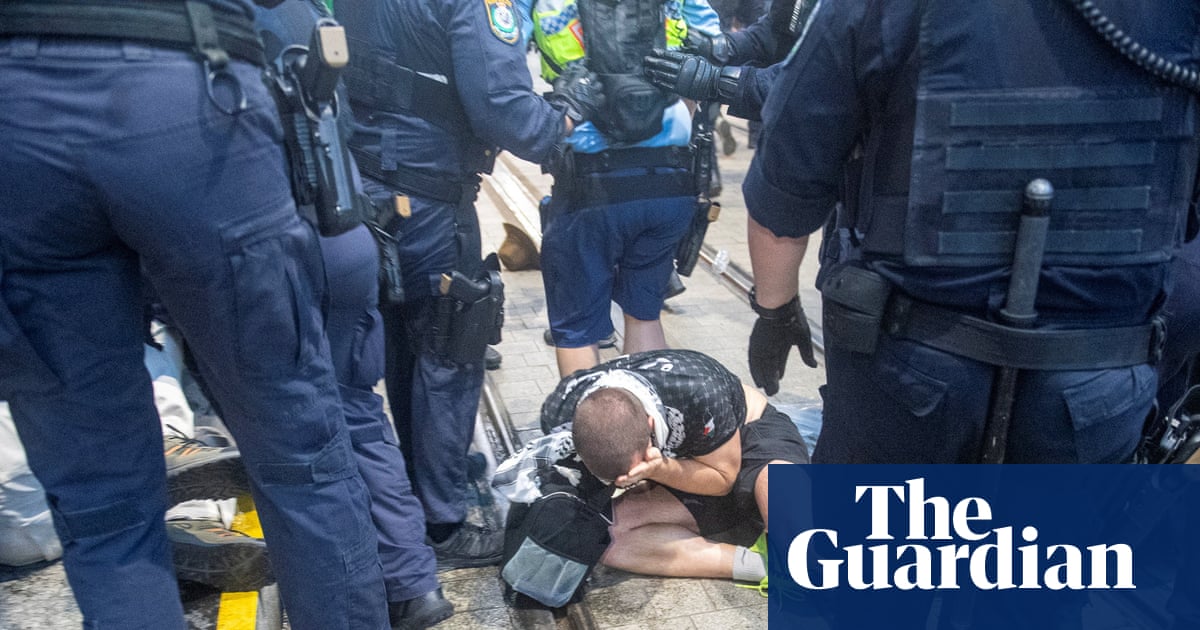
But critics, including families of injured teenagers, say the police have been too heavy-handed.
asserted
police → include → teenagers
Some have called for bans on foam-round launchers, tear gas and stun grenades, echoing demands made by human rights groups since the violent 2018 “yellow vest” protests.
asserted
Some → call → protests
Earlier this month, Amnesty International called for a permanent ban on all stun grenades, saying they are designed to shock, disorient and sow panic, and that some can cause permanent hearing loss and life-changing injuries from blasts and shrapnel.
asserted
some → call → blasts
Foam-round launchers face criticism
United Nations guidance on what it calls “less-lethal weapons” says kinetic impact projectiles should be used only against an imminent threat, targeting the abdomen and never the head, face or neck.
asserted
projectiles → face → abdomen
Foam-round launchers, though classified as less-lethal and considered safer than rubber-bullet shotguns, “in certain circumstances, can kill,” said Neil Corney, an arms researcher at the U.K.-based Omega Research Foundation who helped draft the U.N. guidance.
asserted
who → classify → guidance
Proper training and guidelines can reduce injuries, he said, pointing to Spain, where authorities replaced criticized rubber-bullet shotguns with foam-round launchers following a violent police crackdown on Catalonia’s 2017 independence referendum.
asserted
authorities → reduce → referendum
Injuries have declined there, he said.
asserted
he → decline → ?
Foam-round launchers were initially developed for military training and later adapted for “high-risk, hostage-type situations” and anti-terrorism operations, said Patrick Wilckin, an arms researcher at Amnesty International.
“They were never really meant for policing of protests,” he said.
asserted
he → develop → protests
Unlike bullets, foam rounds generally leave no traceable evidence.
asserted
rounds → leave → evidence
Activists have proposed stamping identification numbers on the rounds to help identify officers involved in incidents that cause serious injuries.
asserted
that → propose → injuries
Corney said the measure would greatly improve accountability at little cost.
asserted
measure → say → cost
The use of such weapons reflects a broader shift in French policing toward keeping officers at a distance from protesters, said Jean-Marie Godard, an author specializing in France’s internal security.
asserted
Godard → reflect → security
In the early 2000s, France’s conservative government moved away from community policing, which emphasized foot patrols and engagement with residents, toward specialized riot-control units.
asserted
which → move → units
People across France’s political spectrum regret abandoning the community policing model, Godard said.
asserted
Godard → regret → model
French policing today differs from that in many other European countries, according to Laura Keesmann, a sociologist at the University of Antwerp who led a wide-ranging comparative study of policing methods in France, the U.K., the Netherlands and Sweden.
uncertain
who → differ → France
In the other countries studied, police often engage directly with demonstrators, sometimes mingling with crowds to defuse tensions, she said.
asserted
she → study → tensions
“That is just really, really not the case in France,” she said.
asserted
she → say → France
Keesmann stressed, however, that French police face unusually militant and sometimes violent protesters.
asserted
police → stress → protesters
On the eve of last Saturday’s protests, Interior Minister Laurent Nuñez said his instructions were “very clear: the police and gendarmes should be able to use the entirety of the intermediate weapons at their disposal.
asserted
police → say → disposal
Over 2,000 arrests in a day
France has more than 250,000 national police officers and gendarmes.
asserted
France → have → officers
Police generally operate in cities, while gendarmes usually cover rural areas and smaller towns.
asserted
gendarmes → operate → areas
Both forces fall under the Interior Ministry, which said 997 officers and gendarmes were injured during Saturday’s unrest, seven of them seriously.
asserted
seven → fall → them
Police said more than 100 protesters and residents were injured in Paris on Saturday.
asserted
protesters → say → Saturday
Authorities have not released a nationwide injury tally.
asserted
Authorities → release → tally
About 2,400 people were arrested across France that day.
asserted
people → arrest → France
Godard said protest movements have become increasingly decentralized as labor unions have lost influence over demonstrations, drawing a wider range of participants, including radical groups.
asserted
unions → say → groups
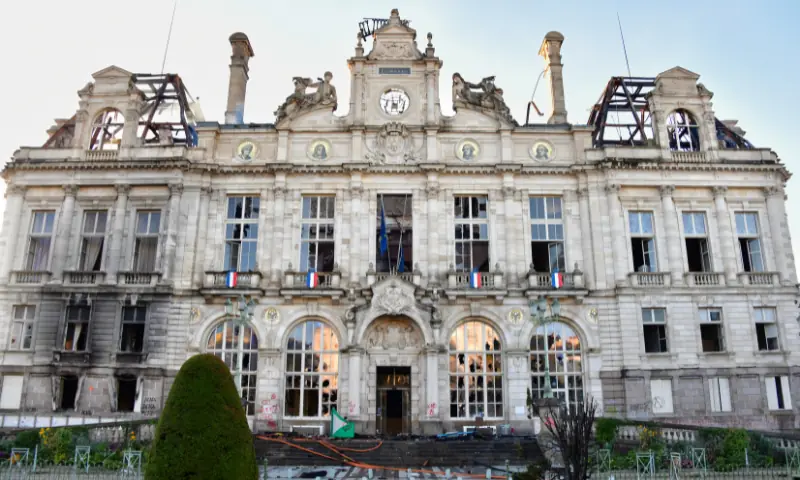
French authorities have blamed much of the recent violence on far-left radicals, accusing them of orchestrating clashes with police and targeting public buildings.
asserted
authorities → blame → buildings
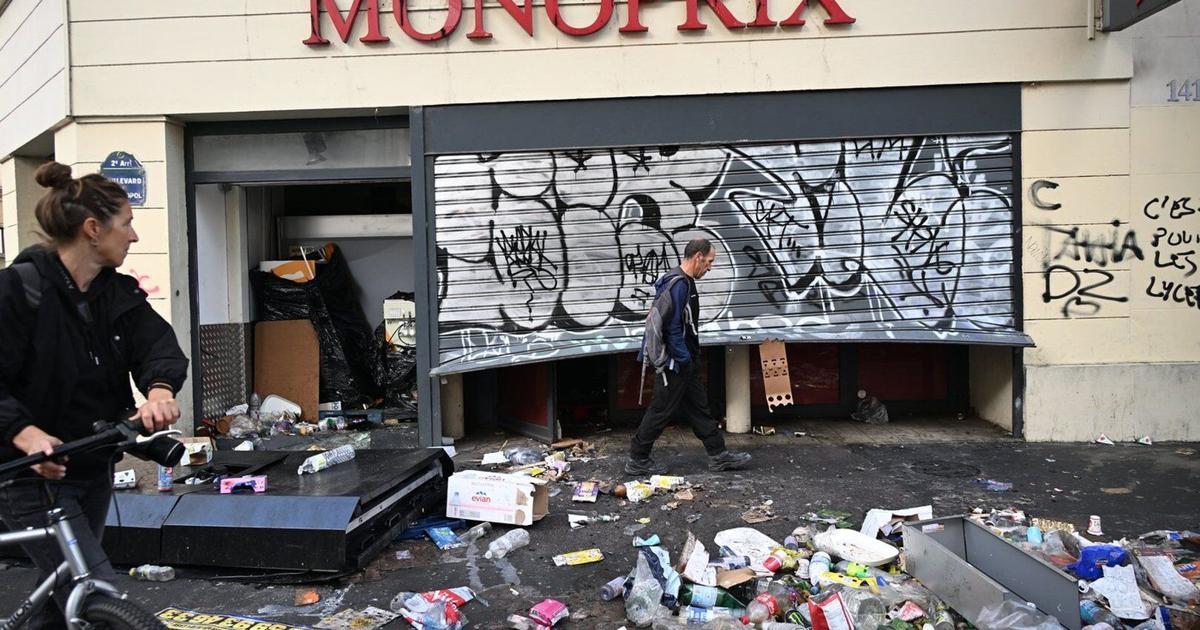
Others took advantage of the unrest to loot businesses, authorities said.
asserted
authorities → take → businesses
___
McNeil reported from Brussels.
asserted
McNeil → report → Brussels
AP journalist John Leicester contributed to the story.
asserted
Leicester → contribute → story
 The Aporia