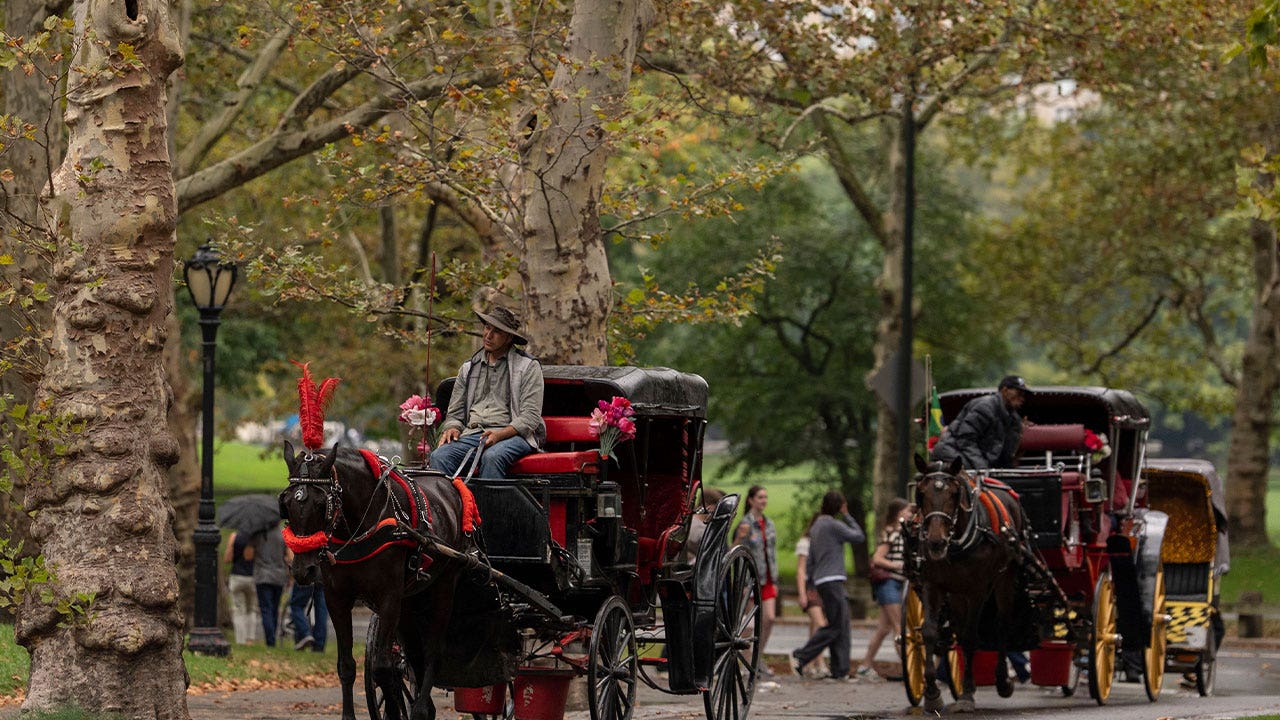
The New York City Council voted Thursday to ban horse-drawn carriages by June 2028, moving to end a nearly 170-year tradition after the death of a teenager in Central Park and prompting threats of legal action from carriage drivers.
asserted
Council → vote → drivers
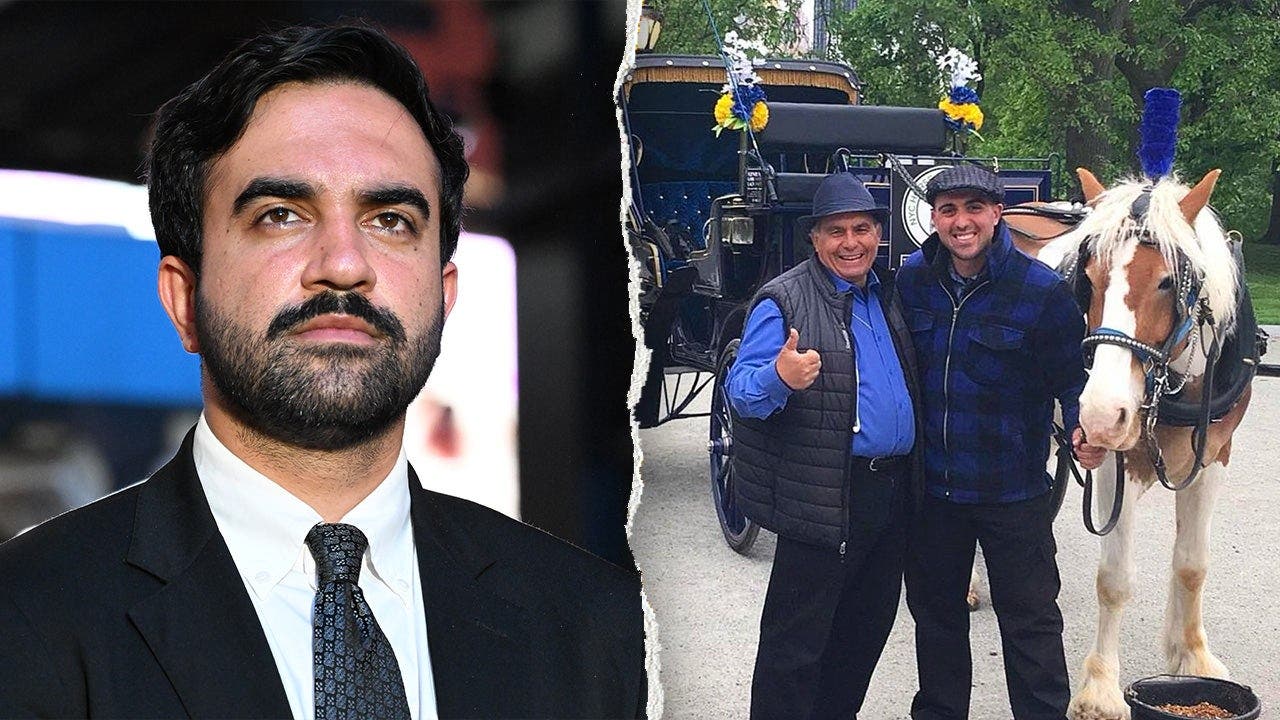
The council voted 40-7, with two abstentions, to approve Romanch's Law, named after 18-year-old Romanch Mahajan, who died in June after being thrown from a runaway carriage in Central Park.
asserted
who → vote → Park
The legislation would phase out the industry by June 1, 2028, while requiring Mayor Zohran Mamdani's administration to develop a transition program for more than 150 active carriage drivers and other workers.
asserted
legislation → phase → drivers
The plan would include job training, career counseling and employment referrals, although financial compensation is not guaranteed.
asserted
compensation → include → training
President Donald Trump weighed in on the decision Thursday, criticizing the move to eliminate one of New York City's longtime tourist attractions.
asserted
Trump → weigh → attractions
"The Horse-drawn Carriage in New York City is a quintessential New York experience.
asserted
Carriage → draw → City
So sad that, for political reasons, we will see it go!" he wrote on Truth Social.
asserted
he → see → Social
The Transport Workers Union (TWU), which represents carriage industry workers, threatened to challenge the ban in federal court and seek a temporary restraining order.
asserted
which → represent → order
Union representatives accused City Council Speaker Julie Menin of failing to adequately consult drivers whose livelihoods are at stake.
asserted
livelihoods → accuse → stake
Opponents argued the city had failed to establish a concrete financial plan for drivers and carriage owners.
asserted
city → argue → drivers
An effort to delay the phaseout until January 2030 failed before the final vote.
asserted
effort → delay → vote
Menin defended the legislation Thursday, saying the council had strengthened worker protections and was prepared for a legal fight.
asserted
council → defend → fight
That's why we took the time to work over the summer on the legislation," she said at a news conference.
asserted
she → take → conference
"We made changes to legislation to beef up worker protection.
asserted
We → make → protection
We are very confident in defending this law and will vigorously defend it.
asserted
We → defend → it
I've already talked to Steve Banks about it and our team, and we will vigorously defend this law."
asserted
we → talk → law
Animal rights group PETA also celebrated the vote, pledging $50,000 to help carriage horses retire as the industry winds down.
asserted
industry → celebrate → 50,000
The Central Park Conservancy celebrated the decision, arguing that horse-drawn carriages pose growing safety risks in a park that welcomes roughly 40 million visits annually.
asserted
that → celebrate → visits
"In the modern era, carriages pose a serious — and even fatal — safety risk to park visitors, carriage drivers and the horses themselves.
asserted
carriages → pose → visitors
Our hearts break for the family of Romanch Mahajan, who stepped into a carriage earlier this summer and never thought he might lose his life," the organization wrote in a press release.
uncertain
organization → break → release
The Conservancy said Mahajan's death was the ninth carriage-related incident in just over a year.
asserted
death → say → year
The legislation also includes protections intended to prevent retired carriage horses from being sold for slaughter, while allowing owners to keep their animals.
asserted
owners → include → animals
The bill now heads to Mamdani, who has expressed support for ending the industry.
asserted
who → head → industry
If signed, it would bring an end to a decades-long political battle over one of New York City's most recognizable tourist attractions.
asserted
it → sign → attractions
 The Aporia