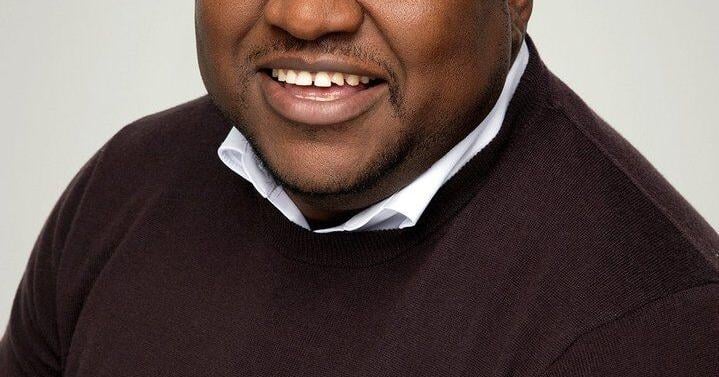
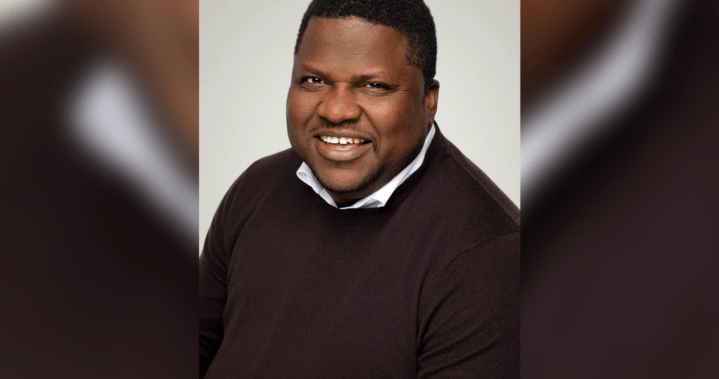
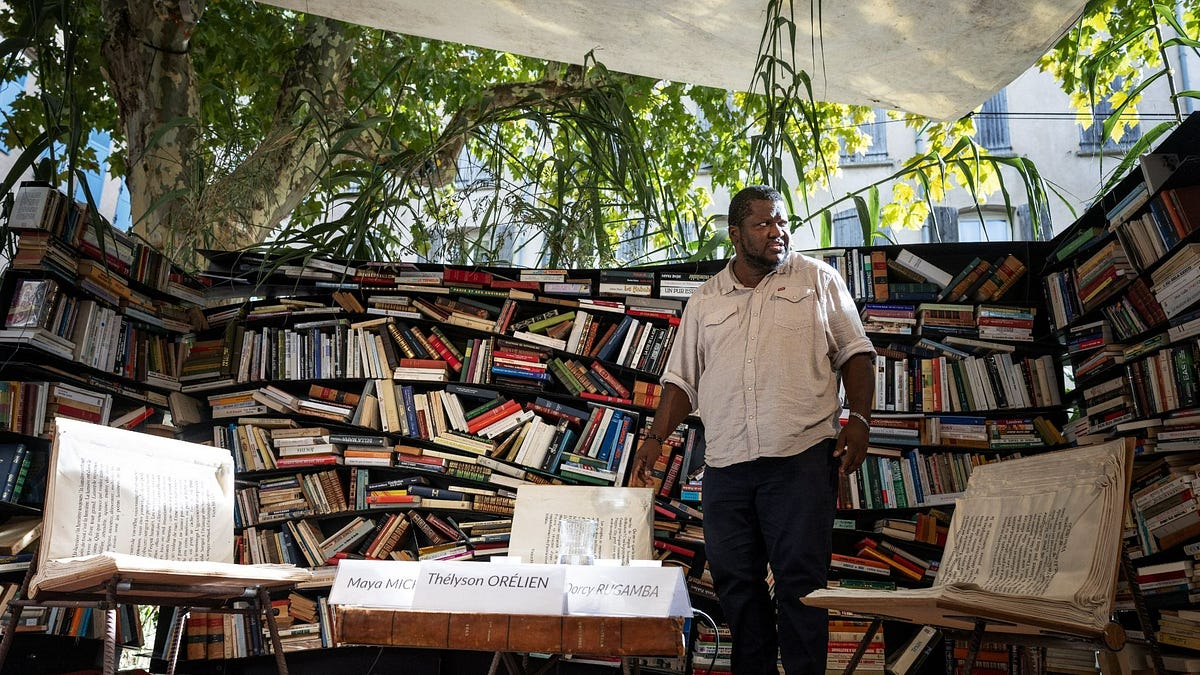
A few weeks ago, Haitian-born Quebec author Thélyson Orélien was collecting award nominations as his book topped bestseller lists.
asserted
book → bear → lists
Then, allegations that he used artificial intelligence to write his debut novel, “C’était ça ou mourir” (“It was either that or dying”), started cropping up.
asserted
It → use → novel
On Wednesday, his Quebec publisher announced it was cutting ties with the author after it found evidence it says indicates he used artificial intelligence to write his book.
asserted
he → announce → book
Here is a timeline of the rise of Orélien’s book and the mounting accusations that followed.
asserted
that → mount → book
Orélien said he began writing his book in 2017 in Laval, north of Montreal.
asserted
he → say → Montreal
The book follows a Haitian man forced to flee his country and make a perilous journey through the Americas to Quebec.
asserted
book → follow → Quebec
The story is based on Orélien’s own experience leaving Haiti after the 2010 earthquake, the author has said.
asserted
author → base → earthquake
2019: Orélien said he finished the first draft of more than 300 pages, two years later.
asserted
he → say → pages
Les Éditions du Boréal said it received the manuscript of “C’était ça ou mourir.”
asserted
it → say → mourir
The publisher later said it couldn’t verify the allegations about the book’s writing process before that date.
asserted
it → say → date
“C’était ça ou mourir” is published in Quebec.
asserted
mourir → publish → Quebec
It was published in France a few weeks later and set to be translated into over 20 languages, according to French publisher Éditions Grasset.
uncertain
It → publish → Grasset
Grasset announces the author has won France’s Prix du Roman Fnac, a literary award chosen by a jury of 400 booksellers and 400 readers.
asserted
author → announce → booksellers
That same day, the X account “Balance ton Claude” alleges that, according to Pangram software, excerpts of Orélien’s novel had been written “almost entirely by artificial intelligence.”
uncertain
excerpts → allege → intelligence
Orélien denies AI use in a joint press release with his Quebec publisher.
asserted
Orélien → deny → publisher
The author says his writing style comes from Haiti’s literary tradition, “where poetry, images, repetitions and rhythm carry a living speech.”
asserted
poetry → say → speech
The publisher defends Orélien and denounces statements that “directly damage the author’s reputation.”
Sept. 23:
asserted
that → defend → reputation
Separate plagiarism allegations emerge as media outlet La Presse publishes an article outlining passages in articles attributed to Orélien and published in Quebec and French media between 2012 and 2014 that were near-identical to previously-published work by other authors.
asserted
that → emerge → authors
Boréal says it is concerned about the plagiarism allegations and suspends promotional activities surrounding Orélien’s novel, citing the author’s well-being.
asserted
it → say → being
The publisher says it is working with the author to compile a detailed record of his writing process.
asserted
it → say → process
The Salon du livre de l’Estrie, a book fair in Sherbrooke, Que., announces it is removing Orélien as a guest of honour after learning of the plagiarism allegations.
asserted
it → announce → allegations
That same day, French literary online magazine ActuaLitté publishes an article about a 2023 text on Orélien’s blog which included a sentence that looks like an AI prompt.
asserted
that → publish → prompt
The Académie Goncourt removes “C’était ça ou mourir” from consideration for the Prix Goncourt.
asserted
Goncourt → remove → Goncourt
The academy cites analyses it considered credible and the separate plagiarism allegations involving Orélien’s previous work.
asserted
it → cite → work
Orélien declines to respond to the new allegations or provide further comment.
asserted
Orélien → decline → comment
“I can’t talk about it.
asserted
I → talk → it
I want to focus on my physical and mental health,” he says in a WhatsApp message to The Canadian Press.
asserted
he → want → Press
In a statement, Orélien admits that he plagiarized some of his earlier work and apologizes for making what he described as unacceptable mistakes in his youth.
asserted
he → admit → youth
“Admiration does not give you the right to take, to claim as your own texts that are not yours,” he writes.
uncertain
he → give → texts
However, he denies using AI to write his debut novel, saying no sentence was generated by a machine.
asserted
sentence → deny → machine
He adds that he used AI tools for research, for instance to look up foreign-language expressions.
asserted
he → add → expressions
“What I am going through is cruel,” he writes.
asserted
he → go → What
“By attributing a text, one that is mine...to a machine, they have not only called into question my status as a writer but also my humanity.”
asserted
they → attribute → writer
Boréal condemned Orélien’s plagiarism but said it stood by the author amid the AI allegations and would keep the book on shelves.
asserted
it → condemn → shelves
It said it had no evidence beyond the author’s word to determine how the novel was written.
asserted
novel → say → word
“The publisher’s role is not to demand proof from authors, but to stand by them, and that is what we are doing,” the publishing house said.
asserted
house → demand → what
Boréal confirms Orélien has dropped his efforts to compile evidence he did not use AI to write his novel.
asserted
he → confirm → novel
“That decision is his to make, and we accept it, although we certainly would have preferred to be able to provide definitive answers to the allegations of AI use against him,” co-director Renaud Roussel wrote in an email to The Canadian Press.
asserted
Roussel → make → Press
At the time, Roussel said the publisher’s position on the affair had not changed.
asserted
position → say → affair
A new printing was expected the following week.
asserted
printing → expect → ?
…and 4 more, not listed.
 The Aporia