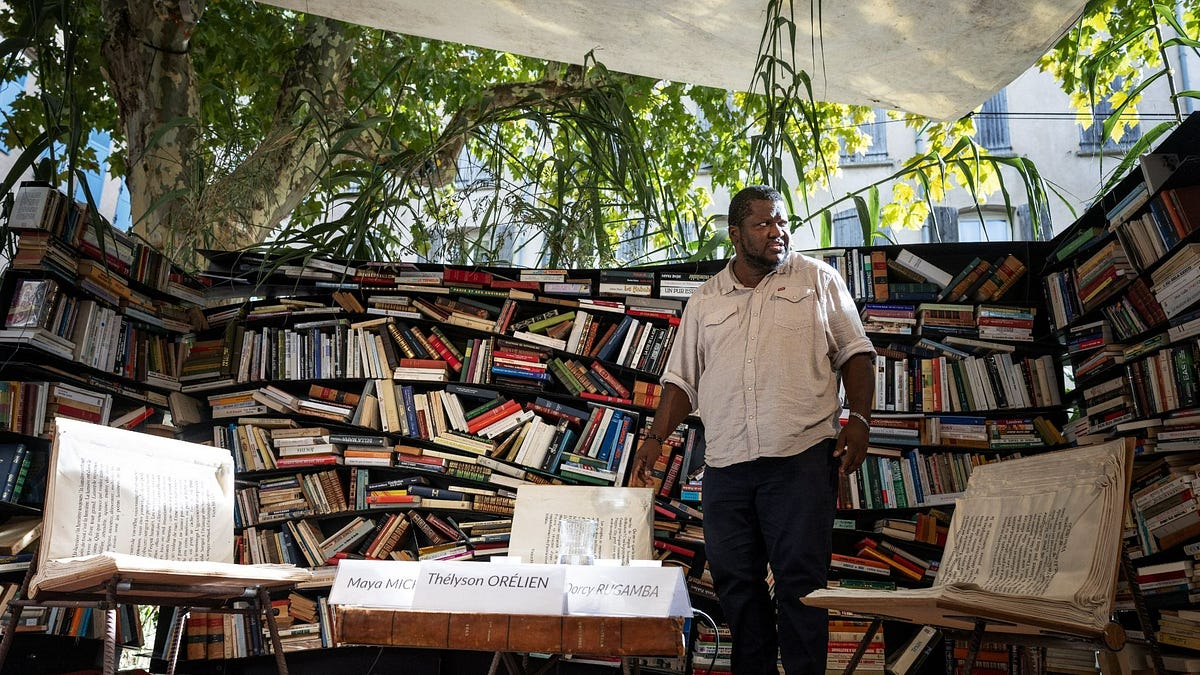
I am also one of the people behind “Balance ton Claude,” an anonymous X account that, on September 21, published evidence that C’était ça ou mourir, the breakout novel of France’s literary season, had been largely generated by AI.
asserted
that → publish → AI
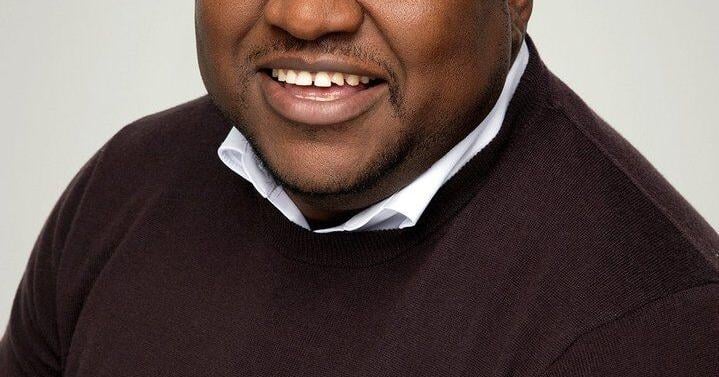
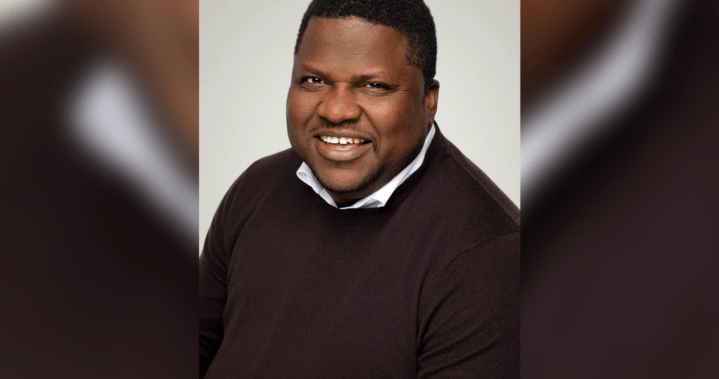
The book, by the Haitian-Canadian author Thélyson Orélien, had just won several prizes, was the favorite to win the Goncourt (France’s most prestigious literary prize) and was being translated into twenty languages.
asserted
book → win → languages
We ran it through Pangram v.4 (by far the most reliable AI detector, with false positive rates in the order of 0.0041%).
asserted
We → run → %
Every page came back at or near 100% AI.
asserted
page → come → AI
In the following days, the author was found to have plagiarized much of his literary production before the advent of LLMs (and admitted as much).
asserted
author → follow → much
Furthermore, readers who are used to working with AI quickly identified, throughout the book, the obvious LLM writing habits.
asserted
who → use → habits
In light of the overwhelming evidence, the Académie Goncourt removed the book from its longlist.
asserted
Goncourt → remove → longlist
Following the disclosure of my name in French media, part of the left (even its fringes usually most opposed to AI) decided to defend the author on the account that he is black and I am a columnist for Le Figaro, a center-right newspaper.
asserted
I → follow → Figaro
My motivations were decried as racist, and several international media outlets amplified this accusation, citing as evidence the fact… that I wrote a book against wokeness a few years ago.
asserted
I → decry → wokeness
I find this counter-accusation unfortunate because it is complete nonsense, but also because it has displaced the debate about AI in writing that we should be having.
asserted
we → find → that
Here is why we made the revelation.
asserted
we → make → revelation
I have been writing, for several months, about my fear that LLMs could end the civilizational era that was based on reading and writing.
uncertain
that → write → reading
A reader of my work came to me with his doubts about Orélien’s novel.
asserted
reader → come → novel
We chose to reveal the truth.
asserted
We → choose → truth
Actually, we have no problem with people using AI to create content—I, for one, am generally tech-positive and have written at length about my fascination with AI—but because readers care about whether words in a book were chosen by a human or by a machine, it is dishonest to lie to them.
asserted
it → have → them
This, I believe, is the necessary conversation.
asserted
I → believe → ?
What matters here isn’t Orélien’s race or nationality, or my political views (or the political views that are sometimes attributed to me).
asserted
that → matter → me
It’s about whether we are willing to have our literary and public discourse overwhelmed by AI writing—and whether we really will deprive ourselves of the discernment to tell the difference.
asserted
we → ’ → difference
Since I am not opposed to AI by itself, my argument here may appear a little subtle, but I do believe that there is a line to draw, and that the line has intellectual coherence to it—and, certainly, the “Balance ton Claude” collective and I have been willing to enforce that line.
uncertain
collective → oppose → line
What matters here is that LLMs pose an existential threat to literature.
asserted
LLMs → matter → literature
As the scandal has shown, AI can already produce writing not only good enough to pass the Turing test, but to win national literary prizes.
asserted
AI → show → prizes
Models will keep improving, their writing ticks will fade, and they will increasingly one-shot content indistinguishable in form and substance from the work of the most talented human authors.
asserted
they → keep → authors
Pangram could unfortunately become fallible (it already generates some false negatives, and many are fine-tuning open-source models so as to make its writing undetectable to Pangram).
uncertain
writing → become → Pangram
Furthermore, people who pride themselves on always spotting LLM prose probably exhibit a misplaced confidence: they don’t account for the progress to come, and they never notice the times they are fooled.
asserted
they → pride → times
As Benjamin Todd from “80,000 Hours” put it on X: “Plastic surgery is most noticeable when it’s bad, so it’s more widespread and successful than it looks.
asserted
it → put → X
So, what will happen?
asserted
what → happen → ?
LLM-written text will make up a growing share of what appears on social media, in academic journals, and in bookshops.
asserted
what → write → bookshops
If even 0.001% of AI output is good enough to pass as good human content, this will represent a massive volume because AI-writing can be produced in a few seconds, at almost no cost, without limit.
asserted
writing → pass → limit
The logic of that is it will eventually crowd out human content.
asserted
it → crowd → content
An ever-smaller share of human attention will go towards human-written text.
asserted
share → go → text
Human writers will be discouraged, and many will stop writing.
asserted
many → discourage → ?
Why spend weeks on an essay that will be suspected of being AI-generated anyway, that may be no better than what a model could produce in a few seconds, and that will struggle to find readers?
uncertain
that → spend → readers
There will always be some demand for human content, but if readers cannot tell human and AI content apart, that demand will not be able to be expressed.
asserted
demand → tell → content
The supply (texts whose words were chosen by a human) therefore won’t be produced.
asserted
words → choose → human
They trade at that price; both buyers and sellers are happy.
asserted
buyers → trade → price
One day, the owners of bad cars (“lemons,” worth close to nothing), find a way to make them indistinguishable, to the buyer, from good cars.
asserted
them → find → cars
They start selling.
asserted
They → start → ?
Word spreads that some lemons are masquerading as good cars.
asserted
lemons → spread → cars
Buyers now ask to be compensated for the risk of getting a lemon and price every car at the expected value of a random car on the market, say $8,000.
asserted
Buyers → ask → market
But at that price, some owners of good cars (who know what they hold) refuse to sell and withdraw from the market.
asserted
they → know → market
…and 36 more, not listed.
 The Aporia