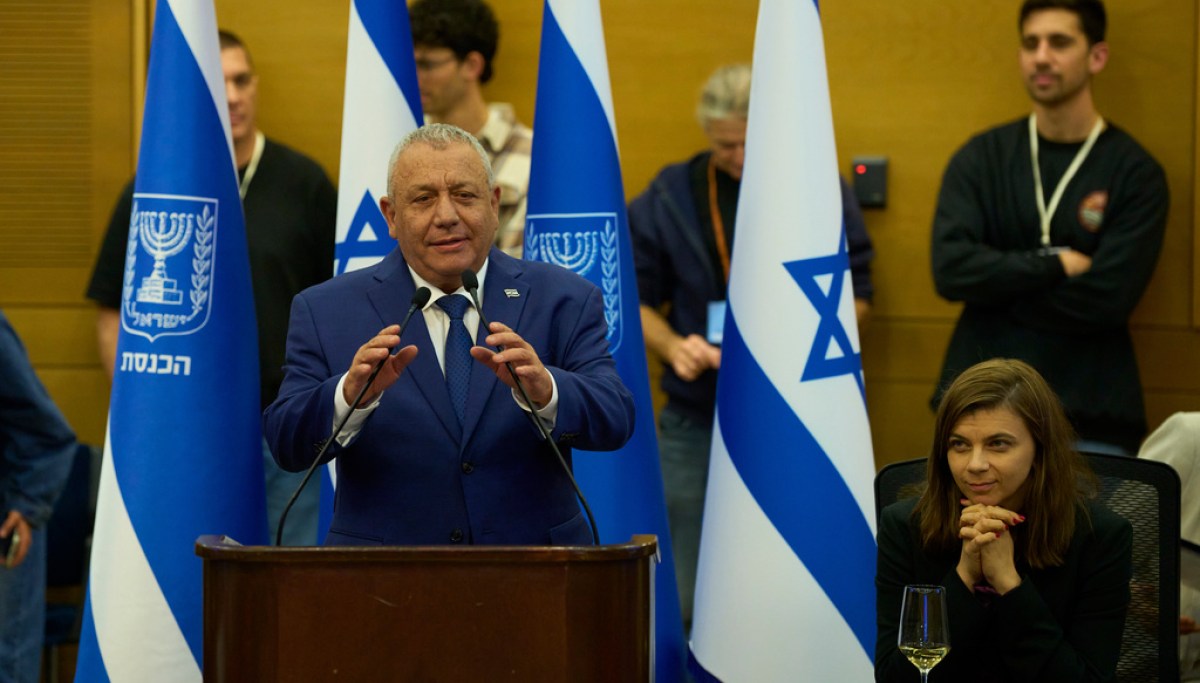
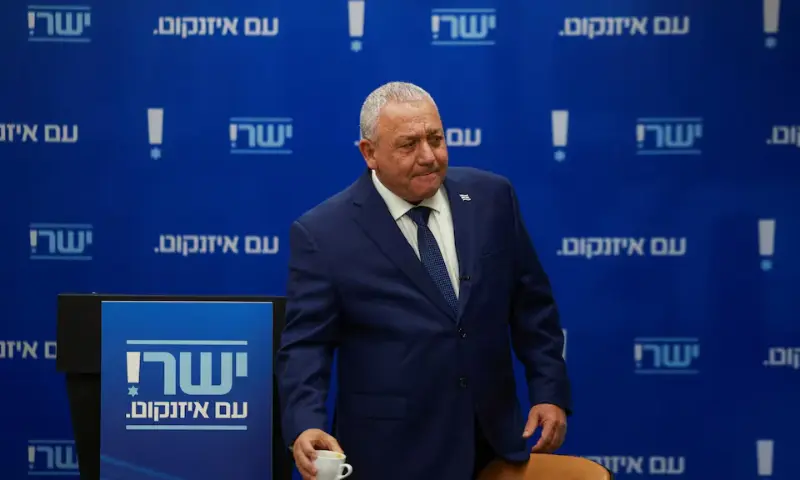
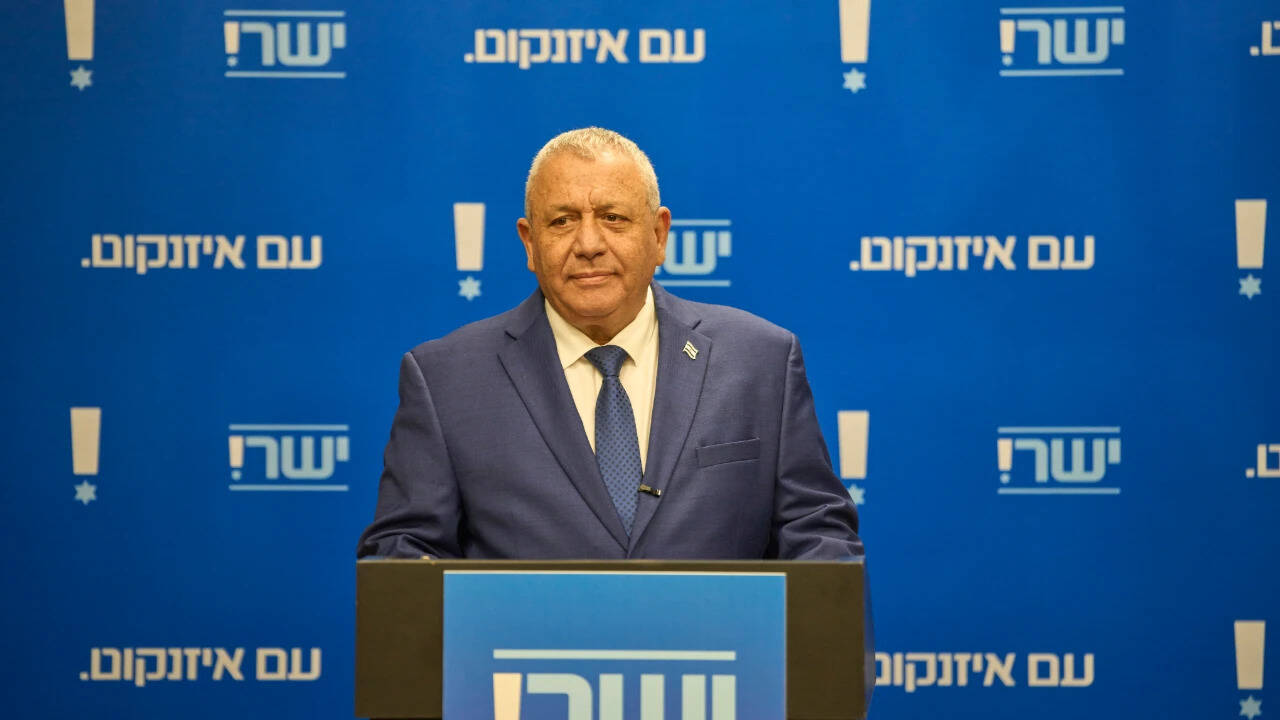
The future of Israel’s government remains unclear following October elections that produced no clear winner.
uncertain
that → remain → winner
The leader of the centrist Yashar party, Gadi Eisenkot, and his main rival, caretaker Prime Minister Benjamin Netanyahu’s Likud party, have been convening for rounds of talks in a bid to establish a “unity government”.
asserted
leader → convene → government
Recommended Stories
list of 4 items- list 1 of 4Israel’s Eisenkot secures first coalition partner in bid to form government
- list 2 of 4Netanyahu’s corruption trial: Is it really all over?
- list 3 of 4Eisenkot navigates tricky waters as he tests power-sharing with Netanyahu
- list 4 of 4Israel
asserted
he → secure → Netanyahu
Eisenkot accuses Netanyahu’s party of stalling coalition talks
But the talks ended on Sunday without a conclusive deal, with the two parties announcing that a “follow-up” meeting will be held soon.
So, what is the latest on the talks?
asserted
latest → accuse → talks
what happens if they fail to reach an agreement?
asserted
they → happen → agreement
Here’s what we know.
asserted
we → ’ → what
Following the October 27 general election, Israeli President Isaac Herzog held consultations with political parties to decide who he would appoint to form a government after neither side secured a majority.
asserted
side → follow → majority
Eisenkot and his presumed partners won 48 seats between them, while Netanyahu’s alliance won 53.
asserted
alliance → presume → 53
Some 67 lawmakers, including from Arab-led parties, endorsed Eisenkot to form the next government, while only 46 backed Netanyahu.
asserted
46 → include → Netanyahu
In November, Eisenkot was instructed by Israel’s president to form a new government by December 6, with a deadline that can be extended by 14 days.
asserted
that → instruct → days
In order to form a government, one party, alliance or coalition requires a minimum 61 seats in the 120-seat Knesset.
asserted
party → form → Knesset
This means Eisenkot must ally with other parties or lawmakers to make up the seat numbers.
asserted
Eisenkot → mean → numbers
Arab-led parties, representing Palestinian citizens of Israel, won a record 19 seats in the election.
asserted
parties → lead → election
But Eisenkot has ruled out forming a government with them, which would have given him a 67-seat bloc.
asserted
which → rule → bloc
Winning over Israel’s two ultra-Orthodox parties, United Torah Judaism and Shas, would give him exactly 61 seats.
asserted
Winning → win → seats
He could also form a government with fewer than 61 seats if he wins a parliamentary confidence vote.
uncertain
he → form → vote
Until this week, Eisenkot had struck firm coalition deals with only the Democrats and Yisrael Beiteinu, bringing his total to 36 seats out of a potential 48 – still far from any majority.
asserted
Eisenkot → strike → majority
Eisenkot has, therefore, been talking to Netanyahu’s right-wing Likud party in hopes of establishing a unity government, but Likud wants a rotation deal that would go against Eisenkot’s promise to replace Netanyahu.
asserted
that → talk → Netanyahu
The talks have caused other complications as well.
asserted
talks → cause → complications
The left-wing Democrats party, which won eight parliament seats, separately said it was suspending talks with Eisenkot this week in protest at the prospect of Netanyahu’s party remaining in government.
asserted
party → win → government
What’s the latest on the talks?
asserted
latest → ’ → talks
On Tuesday, the Yashar party announced that it agreed to sign a coalition pact with the Yisrael Beiteinu party, after meeting with leader Avigdor Lieberman, marking the first confirmed alliance since the election.
asserted
it → announce → election
Israeli media also reported on Friday that Netanyahu is “preparing” to announce that he is willing to serve second in a prime minister rotation with Eisenkot under a unity government deal.
asserted
he → report → deal
Israel’s public broadcaster Kan reported that the offer had already been proposed unofficially, so Likud could assume “plausible deniability”, as the party remains conflicted on the terms of the offer.
uncertain
party → report → offer
The rotation deal would mean that Eisenkot would serve for the first two years as prime minister, and Netanyahu would serve the final two years.
asserted
Netanyahu → mean → years
But in a statement on Friday, Eisenkot accused the Likud party of stalling coalition talks in a bid to bring about new elections.
asserted
Eisenkot → accuse → elections
He claimed that Likud was “unwilling to compromise, and, over two weeks, refused to put a single concrete proposal on the table”.
asserted
Likud → claim → table
Eisenkot said the two sides are “approaching a moment of decision”, but the question is “whether Likud will engage in serious negotiations and commit to a partnership that requires compromise or keep up appearances and continue to stall”.
asserted
that → say → appearances
Meanwhile, Eisenkot is grappling with division among his own side as the options of forging alliances with ultra-Orthodox parties or the Arab-majority parties, who are willing to back him, have proved controversial.
asserted
who → grapple → him
The Arab-led parties could give Yashar 19 seats, but Lieberman has said he will not support any government that includes those parties.
uncertain
that → lead → parties
Why is Eisenkot accusing Netanyahu of ‘stalling’?
asserted
Eisenkot → accuse → Netanyahu
Eisenkot said Likud’s negotiating team had refused to meet more frequently over the past two weeks.
asserted
team → say → weeks
The two sides have met five times.
asserted
sides → meet → ?
He added that their team was uncooperative and had rejected three proposals, including one for a state inquiry into the “failures” of October 7, the removal of “extremists” from government and a law making military or national service mandatory for all.
asserted
service → add → all
Instead, Eisenkot claimed that Likud proposed “the worst” proposal for a unity government with “the same government, the same partners, no change, no conscription law”.
asserted
Likud → claim → government
Eisenkot said Netanyahu’s strategy is to “run down the clock until the mandate expires”, attempting to “drag Israel into another election under the outgoing government”.
asserted
mandate → say → government
“I do not intend to cooperate with such a charade,” he added.
asserted
he → intend → charade
What happens if no agreement is reached?
asserted
agreement → happen → ?
One of Eisenkot’s options is to reach a deal with the country’s two ultra-Orthodox parties, United Torah Judaism and Shas.
asserted
One → reach → parties
But if talks with them fail, analysts say Eisenkot could ask his allies to choose between keeping Netanyahu in office or accepting support from the Arab-led parties.
uncertain
Eisenkot → fail → parties
…and 8 more, not listed.

 The Aporia