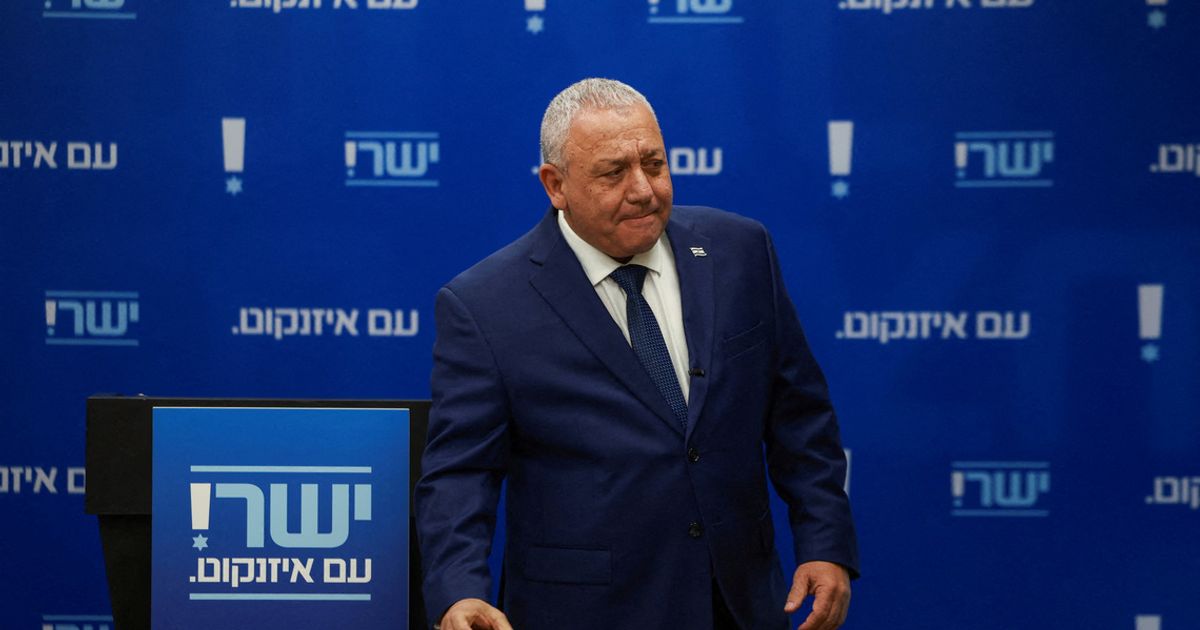
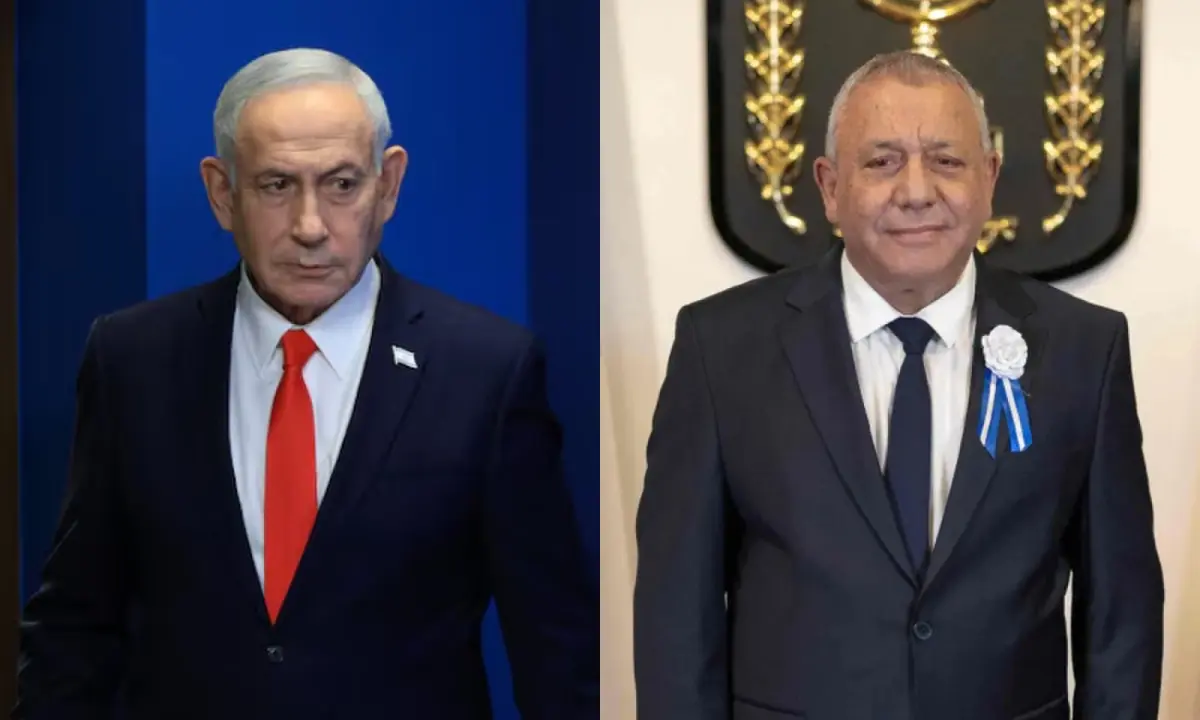
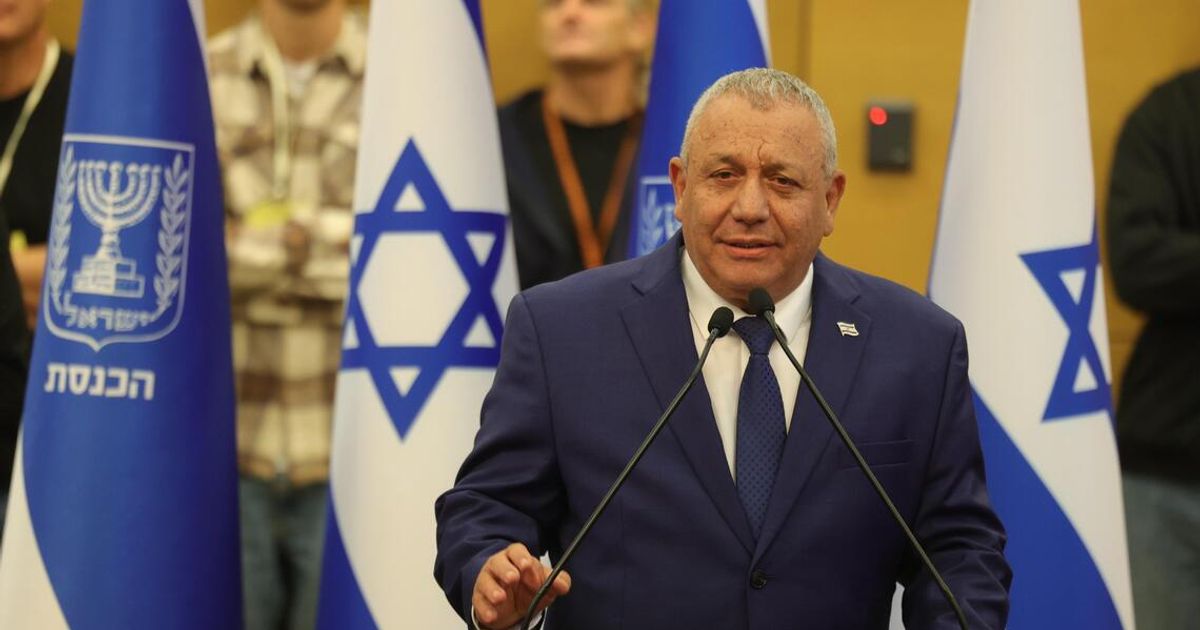
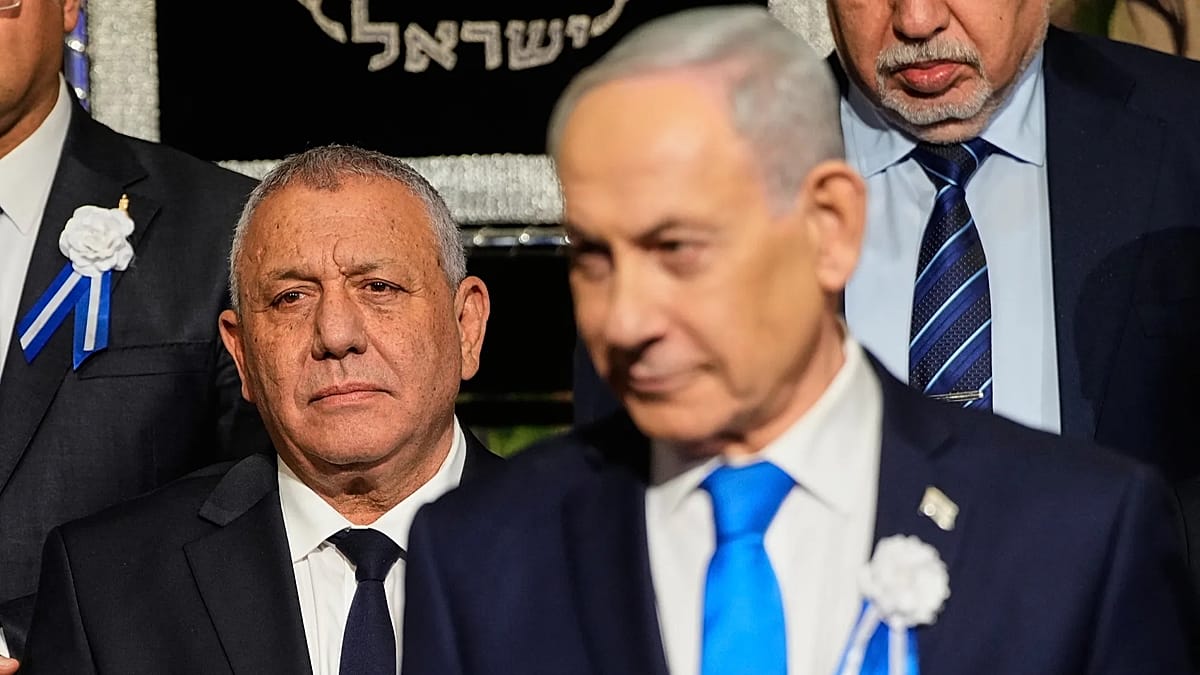
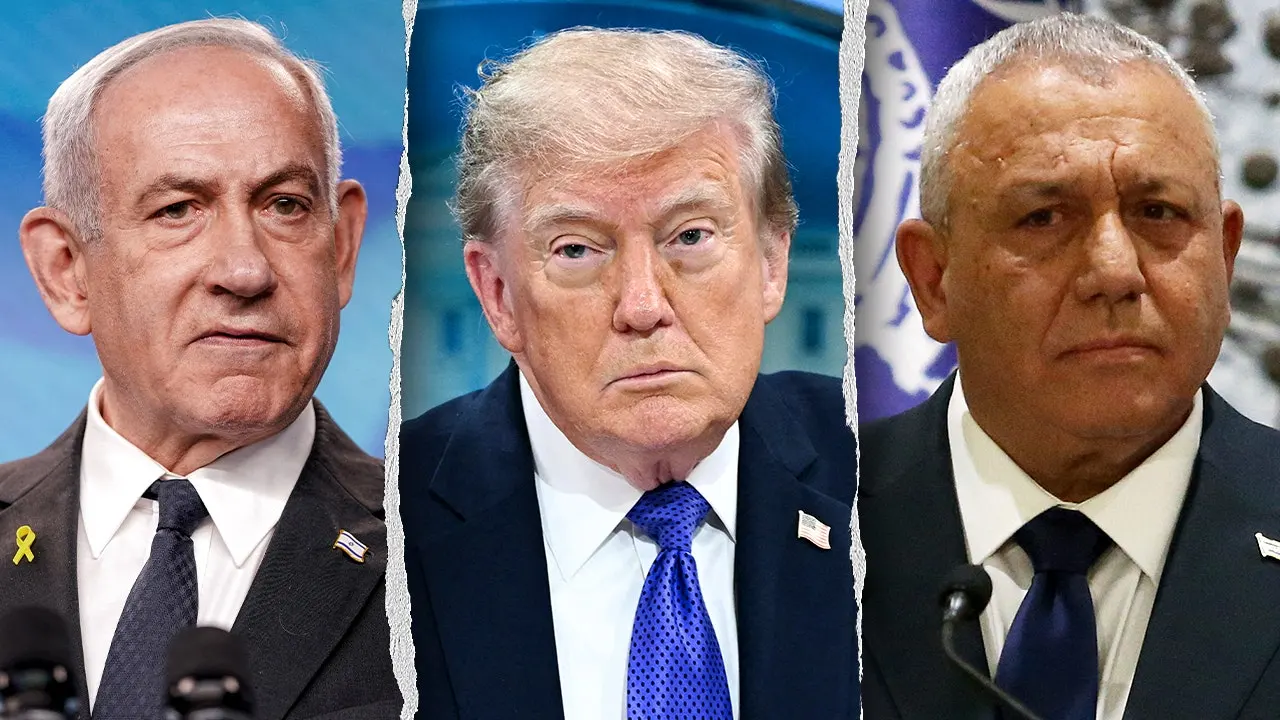
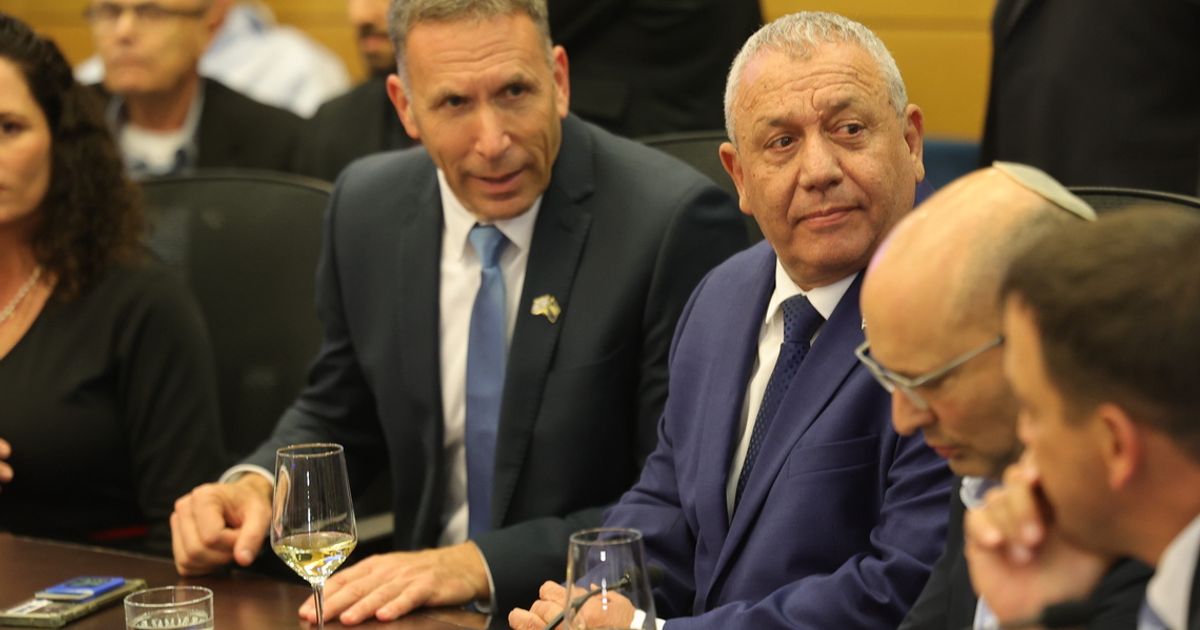
Yashar party leader Gadi Eisenkot has an unusual problem.
asserted
Eisenkot → have → problem
He holds the presidential mandate to form Israel’s next government after 67 members of the Knesset recommended him to President Isaac Herzog, yet those 67 votes do not constitute a ready-made coalition.
asserted
votes → hold → coalition
They come from parties that disagree not only on policy but also on the most basic question of who they are prepared to engage with politically.
asserted
they → come → who
This is why Eisenkot is now negotiating with the very party he spent the entire election campaign vowing to remove from power.
asserted
he → negotiate → power
His Yashar party and incumbent Prime Minister Benjamin Netanyahu’s Likud have held repeated talks over a possible unity government.
asserted
party → hold → government
Simultaneously, Eisenkot is negotiating with the ultra-Orthodox parties, which were part of Netanyahu’s governing coalition, and is keeping open the possibility of a minority government supported by the Palestinian parties.
asserted
which → negotiate → parties
The latest round of talks with Likud ended without agreement.
asserted
round → end → agreement
The two sides are still divided over who would serve as prime minister and over who would be included in the government.
asserted
who → divide → government
At a first glance, engaging with Netanyahu does not make sense.
asserted
engaging → engage → sense
Eisenkot is the leader of a camp whose main unifying purpose was to end Netanyahu’s rule.
asserted
purpose → end → rule
His ally, Avigdor Lieberman, refuses to serve in any government that includes Netanyahu.
asserted
that → refuse → Netanyahu
Other members of Eisenkot’s bloc remain deeply suspicious of returning Likud to government under its current leadership.
asserted
members → remain → leadership
Yet the talks still serve Eisenkot politically, even if they lead nowhere.
asserted
they → serve → Eisenkot
That is because he cannot allow Likud to monopolise the language of national unity.
asserted
Likud → allow → unity
Since the election, Netanyahu has repeatedly presented a broad Jewish-Zionist unity government as the responsible answer to Israel’s political deadlock.
asserted
Netanyahu → present → deadlock
If Eisenkot had refused to enter negotiations, Netanyahu would have had an easy political argument: Likud offered unity, but the other side refused because of petty personal hostility towards its leader.
asserted
side → refuse → leader
Negotiating changes the equation.
asserted
Negotiating → negotiate → equation
Eisenkot can say that he did not reject unity; he tested it.
asserted
he → say → it
He sent negotiators, held discussions and gave the option a genuine chance.
asserted
He → send → chance
Demonstrating that he has done what it could matters even if the talks collapse.
uncertain
talks → demonstrate → ?
If they fail over Netanyahu’s insistence on serving first as prime minister in a rotation, Eisenkot can try to shift responsibility for the failure back onto him: the problem, he can argue, was not his refusal to sit with Likud, but Netanyahu’s refusal to relinquish the premiership after losing the election.
asserted
he → fail → election
The talks also give Eisenkot leverage elsewhere.
asserted
talks → give → leverage
He currently has three possible routes to a government: some version of a unity government with Likud, an agreement with the Haredi parties, or a minority government dependent on support from Palestinian parties.
asserted
He → have → parties
He has publicly acknowledged all three.
asserted
He → acknowledge → three
A Likud agreement requires resolving the much larger question of Netanyahu himself.
asserted
agreement → require → Netanyahu
The Haredi route requires compromises over military service, one of the central issues on which Eisenkot’s camp campaigned.
asserted
camp → require → which
The Palestinian-backed route faces opposition from Lieberman and others inside his own bloc.
asserted
route → back → bloc
Keeping all three options alive therefore has value.
asserted
Keeping → keep → value
It tells every negotiating partner that Eisenkot may have somewhere else to go, and it strengthens his claim that he is exhausting every possible route before choosing a narrower and politically more controversial coalition.
uncertain
he → tell → coalition
The problem is that the negotiation process also works in Netanyahu’s favour.
asserted
process → work → favour
To push the conversation away from his election loss, he and his allies have zeroed in on the Palestinian parties, accusing them of “stealing” the vote.
asserted
he → push → vote
Netanyahu has insisted that a “unity government” must mean the exclusion of the Palestinian parties.
asserted
government → insist → parties
By doing so, he is attempting to remove any possible coalitions that include Palestinian representation from the Israeli political scene altogether.
asserted
that → do → scene
By trying to define which political forces are legitimate and which are not, Netanyahu is seeking to retain and even grow his political relevance.
asserted
Netanyahu → try → relevance
This strategy seems to be working.
asserted
strategy → seem → ?
Before the election, much of Eisenkot’s camp was organised around a simple idea: Netanyahu must go.
asserted
Netanyahu → organise → idea
Some of Eisenkot’s allies, like Naftali Bennett, have also held discussions with Likud.
asserted
Some → hold → Likud
The line has therefore shifted.
asserted
line → shift → ?
Netanyahu has moved, at least partially, from being the political problem around which the opposition organised itself to being one of the possible solutions that the party with the mandate is required to consider.
asserted
party → move → mandate
That leaves Eisenkot in a strange position.
asserted
That → leave → position
…and 6 more, not listed.

 The Aporia