Photo via Semafor

ICJ finds Myanmar guilty of 'genocidal intent' against Rohingya

Read the original at Semafor ↗
Cite

Rao, P. (2026, November 19). ICJ finds Myanmar guilty of 'genocidal intent' against Rohingya. Semafor. https://www.semafor.com/article/11/19/2026/icj-finds-myanmar-guilty-of-genocidal-intent-against-rohingya

Dated from the outlet's own feed. Check the original for its byline.

Semafor · collected 2026-11-19 · by Prashant Rao

Quick Summary

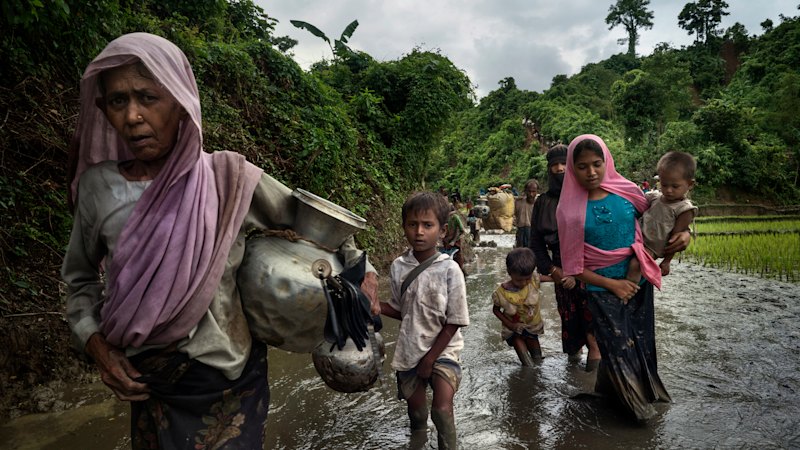
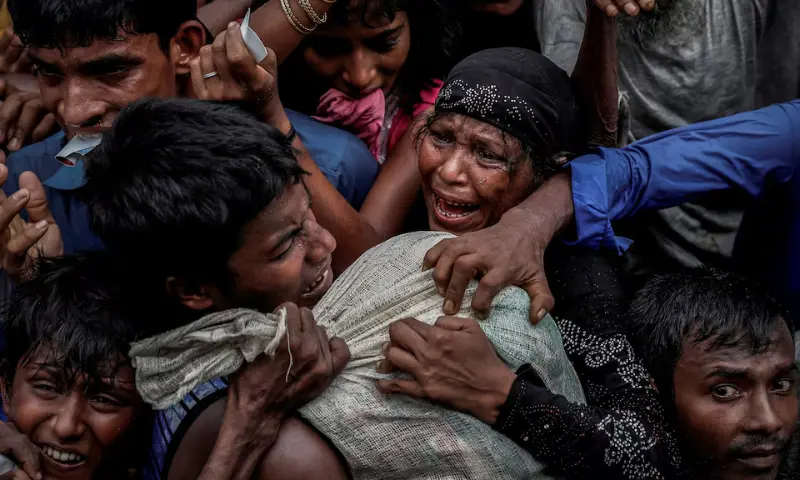
The International Court of Justice has ruled that Myanmar is guilty of genocidal intent against the Rohingya, following atrocities that led to the killing of about 10,000 Rohingya nearly a decade ago and the displacement of up to 700,000 more to Bangladesh. The court’s decision notes that Myanmar’s military committed widespread violence including sexual assaults and attacks on children. This ruling could set a precedent for similar cases, such as South Africa’s legal challenge against Israel over its actions in Gaza.
Written by AI on 2026-11-20, from this article's own text only (the story summary below draws on all the coverage).
See how they differ ↓

AI analysis

Story summary

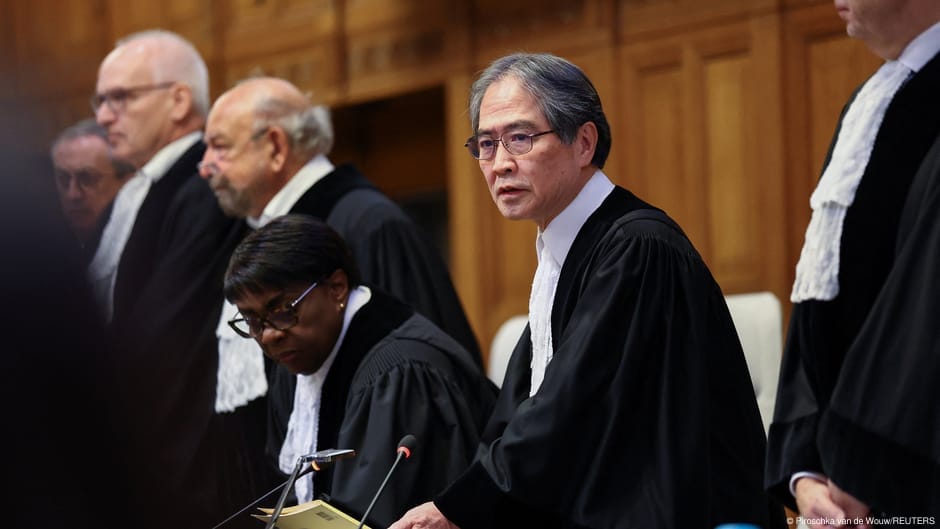
The International Court of Justice (ICJ) ruled on November 19, 2026, that Myanmar committed genocide against its Rohingya minority during the military's 2017 clearance operations in northern Rakhine State, marking the first time a state has been found responsible for genocide under the 1948 Genocide Convention. The ICJ President, Yuji Iwasawa, stated that Myanmar had violated its obligations under the convention by committing genocide against the Rohingya group. The ruling found that Myanmar not only failed to prevent genocide but also failed to punish perpetrators and enact laws required by the convention, and destroyed evidence in breach of the court’s 2020 interim order. This landmark decision could have significant implications for international law and pressure Myanmar to address the atrocities committed against the Rohingya.

Written for “Myanmar Genocide Ruling” on 2026-11-22, grounded in this article and the 52 other(s) covering the same event.

How they differ

20 outlets covered “Myanmar Genocide Ruling”.

What each outlet says

One AI summary per outlet of its latest article on this story, written from that article alone and checked against it. Open the article for the outlet's own words.

SemaforThis outlet19 Nov

The International Court of Justice has ruled that Myanmar is guilty of genocidal intent against the Rohingya, following atrocities that led to the killing of about 10,000 Rohingya nearly a decade ago and the displacement of up to 700,000 more to Bangladesh. The court’s decision notes that Myanmar’s military committed widespread violence including sexual assaults and attacks on children. This ruling could set a…

ICJ finds Myanmar guilty of 'genocidal intent' against Rohingya (this article)
Al Jazeera20 Nov

The International Court of Justice has ruled that Myanmar committed genocide against the Rohingya minority, a decision that followed a 2017 military crackdown which resulted in thousands of deaths and nearly a million Rohingya refugees fleeing to Bangladesh. The article explores the significance of this ruling and considers whether it could have implications for Israel’s actions in Gaza, as discussed by experts…

What are the implications of the ICJ Rohingya genocide ruling? →12 articles from Al Jazeera on this story
The Hindu21 Nov

On November 19, 2026, the International Court of Justice ruled that Myanmar committed genocide against the Rohingya during its military operations in 2017. The court ordered Myanmar to investigate and prosecute those responsible, prevent future violations, and allow the safe return of displaced Rohingya while restoring their property and compensating them. The judgment found that Myanmar failed to prevent genocide…

The Rohingya | Vindication for a persecuted people →7 articles from The Hindu on this story
The Guardian20 Nov

The International Court of Justice (ICJ) ruled that Myanmar committed genocide against the Rohingya minority, a decision that has sparked mixed reactions from global powers. The EU praised the ruling as "landmark," while the US took a cautious stance, emphasizing the need to avoid politicizing the court. China, a supporter of Myanmar’s military regime, expressed concerns over judicial overreach and urged caution in…

US reacts cautiously to Myanmar genocide ruling as EU praises ‘critical’ role of UN’s top court →6 articles from The Guardian on this story
Deutsche Welle20 Nov

The International Court of Justice ruled that Myanmar committed genocide against the Rohingya community in 2016 and 2017, ordering Myanmar to prevent future crimes, provide legal protections, and offer reparations to victims. The ruling came after The Gambia filed a case with the ICJ in 2016, accusing Myanmar of a deliberate campaign of violence against the Rohingya. Rohingya activists like Lucky Karim and Wai Wai…

Myanmar genocide ruling: Rohingya say struggle for justice not over →3 articles from Deutsche Welle on this story
The Straits Times20 Nov

The International Court of Justice ruled that Myanmar committed genocide against the Rohingya, a decision that legal experts believe could strengthen South Africa’s genocide case against Israel over the Gaza conflict. The court’s judgment, which found Myanmar guilty of multiple violations of the 1948 Genocide Convention, establishes a legal precedent that genocidal intent can be established alongside military…

Myanmar genocide judgment may bolster Gaza case against Israel →3 articles from The Straits Times on this story
Show 14 more outlets
BBC19 Nov

The International Court of Justice (ICJ) ruled that Myanmar committed genocide against the Rohingya people, a verdict described as historic. The court found that Myanmar violated the 1948 Genocide Convention, with at least 10,000 Rohingya killed during attacks in 2017. The decision also impacts ongoing genocide cases, such as South Africa's case against Israel, by clarifying the standard of evidence needed to prove…

Bowen: Myanmar genocide verdict is historic and could have far-reaching implications →3 articles from BBC on this story
Toronto Star20 Nov

Rights groups are pushing for military and economic sanctions against Myanmar following a decision by the International Court of Justice, which ruled that Myanmar committed genocide against the Rohingya minority in 2017. The court ordered Myanmar to allow Rohingya refugees to return safely, pay reparations, and prosecute those involved in genocide, but Myanmar’s government is unlikely to comply. The United Nations…

Rights groups urge sanctions after top UN court finds Myanmar committed genocide against Rohingya →3 articles from Toronto Star on this story
Zeteo19 Nov

This article is an opinion piece by Prem, discussing the perceived instability in the United States following recent system outages and breaches affecting major organizations and government bodies. The author argues that despite these crises, the U.S. society is barely held together not by competent leadership but in spite of it, due to the incompetence of the current cabinet. The piece critiques the responses given…

First Draft – Now We Know What Stands Between Trump’s U.S. and Total Collapse: A Cabinet of Idiots →2 articles from Zeteo on this story
CBC20 Nov

The International Court of Justice ruled that Myanmar committed genocide against the Rohingya Muslim minority, a decision celebrated as recognition of their suffering but criticized for its lack of practical impact due to Myanmar's disregard of international rulings. The ICJ ordered Myanmar to provide reparations and allow Rohingya refugees to return to their villages, but most Rohingya villages have been destroyed…

International court's ruling on Myanmar genocide means little for victims, but much for future cases →2 articles from CBC on this story
ABC News (AU)20 Nov

Myanmar has rejected the International Court of Justice's ruling that its security forces committed genocide against the Rohingya Muslim minority as "unfair." The court's decision, made yesterday, holds Myanmar responsible for the atrocities against the Rohingya. Meanwhile, Rohingya refugees in Bangladesh have welcomed the verdict, although it is uncertain when they will be able to return to their homes in Myanmar.

Myanmar calls international court ruling on Rohingya genocide 'unfair' →2 articles from ABC News (AU) on this story
Daily Mail16 Nov

Legal and military experts warn that Britain could face genocide accusations under a looser definition of the term, which the International Court of Justice may endorse in its upcoming judgment on Myanmar. The Policy Exchange think tank report highlights potential risks for Britain regarding historical events like the Irish potato famine and the Mau Mau rebellion, and current concerns about Russia and Iran…

Britain at risk of Ireland or Kenya 'genocide' claims under looser definition, say experts - as they warn about Russia and Iran weaponising allegations →
NPR19 Nov

The International Court of Justice ruled that Myanmar committed genocide against the Rohingya minority, marking the first time a state has been held responsible for genocide by the U.N.'s top court. The decision, brought by Gambia under the 1948 Genocide Convention, found that Myanmar’s military campaign in 2017 was systematic and included the killing of around 10,000 Rohingya and the burning of 392 villages. The…

The U.N.'s top court rules Myanmar committed genocide against the Rohingya →
Dawn19 Nov

The International Court of Justice ruled that Myanmar’s security forces committed genocide against the Rohingya Muslim minority in 2017, marking only the fourth genocide ruling since World War II. The court found that Myanmar’s military killed thousands of Rohingya civilians, engaged in widespread sexual violence, and burned villages, meeting the legal threshold for genocide. The decision, brought by Gambia, is…

Top UN court finds Myanmar committed state-sponsored genocide against Muslim Rohingya →
Sydney Morning Herald19 Nov

The International Court of Justice (ICJ) has ruled that Myanmar is guilty of genocide against Rohingya Muslims, marking the first time the court has convicted a state under the 1948 Genocide Convention. The ICJ ordered Myanmar to cease all ongoing violations, prosecute those responsible, and provide reparations. The court’s decision, handed down in a 9-6 vote, is significant given Myanmar’s likely non-compliance due…

‘Intention to purge’: Myanmar found guilty of genocide against Rohingya in landmark ruling →
The Independent19 Nov

The International Court of Justice ruled that Myanmar committed genocide against the Rohingya people, marking the first time a state has been found guilty of genocide. Gambia brought the case in 2019, alleging that Myanmar’s military offensive, which forced over 730,000 Rohingya to flee to Bangladesh, constituted genocide. The court found that Myanmar’s security forces conducted mass killings, rape, and destruction…

Myanmar committed genocide against Rohingya people, UN’s top court rules →
Euronews20 Nov

The International Court of Justice (ICJ) ruled that Myanmar is guilty of genocide against the Rohingya minority, marking the first such ruling in the ICJ’s 80-year history. The court found Myanmar’s security forces responsible for widespread violence, including killings and sexual assaults, and the systematic destruction of Rohingya villages. The ICJ ordered Myanmar to provide compensation for damages and facilitate…

Myanmar guilty of genocide against Rohingya UN court rules →
Time20 Nov

The International Court of Justice ruled that Myanmar committed genocide against the Rohingya Muslim minority, marking the first time a state has been found responsible for genocide in the court's history. The court’s decision, issued Thursday, cites the murder of at least 10,000 people, including up to 2,109 children under five, and the displacement of over 700,000 Rohingya in 2017. Myanmar’s government has denied…

What Comes Next After Historic Myanmar Genocide Ruling →
Global News20 Nov

The International Court of Justice ruled that Myanmar committed genocide against the Rohingya Muslim minority during the military’s 2017 “clearance operations” in Rakhine state, with nine out of fifteen judges agreeing on the verdict. Myanmar’s government, now led by former military leader Min Aung Hlaing, dismissed the ruling as unfair, while Rohingya activists and the militant group ARSA hailed it as a critical…

UN court finds Myanmar guilty of Rohingya genocide in landmark judgement →
The Free Press20 Nov

The International Court of Justice recently ruled that Myanmar is guilty of genocide in a case initiated by The Gambia. However, the article argues that this ruling, focusing on Myanmar’s treatment of the Rohingya Muslims, may undermine the court’s legitimacy and set a precedent that could be used arbitrarily against other nations, including Israel. The author suggests that the ruling was less about the Rohingya…

How the Campaign Against Israel Rewrote the Law of Genocide →

Where they agree and split

Agreed

AI · cited, from two or more outlets

  • The ICJ's ruling is the first time a state has been found to have committed genocide by an international court.34
  • The ICJ ruled that Myanmar committed genocide against the Rohingya group in northern Rakhine State.35
Quoted from the coverage (1)

Myanmar must also allow the “safe and dignified return to their place of residence and the reunification of families for the Rohingya displaced as a result of Myanmar’s wrongful acts,” it said.

7 outlets

Framing

How the first headlines put it

  • Deutsche Welle's headline focuses on the upcoming ruling and what to know about the case, while BBC's headline states the ICJ's ruling that Myanmar committed genocide against the Rohingya minority.13
  • Zeteo's headline emphasizes the historical significance of the ruling for the Rohingya people and global justice, while The Hindu's headline highlights the vindication for a persecuted people.26
Words to watch (2)

Photos: Genocide ruling spotlights human toll of 2017 Rohingya crisis Al Jazeera

ICJ to rule on Rohingya ‘genocide’: Refugee crisis, timeline of the case, and more The Hindu

The full story: what happened, how it changed, and all 53 articles →

Compared with similar articles

This article reads leans left and hedges 0% of its claims. Each row says how that neighbour differs.
The Guardian
Hedges 5 of 50 claims Outlet record 64/100
Deutsche Welle
Leans strongly left further left than this Hedges 4 of 47 claims Outlet record 95/100
The Sydney Morning Herald
Leans right further right than this Hedges 8 of 43 claims Outlet record 61/100
Al Jazeera
Leans left Hedges 0 of 6 claims Outlet record 60/100
Al Jazeera
Hedges 0 of 21 claims Outlet record 60/100
The Independent
Hedges 1 of 27 claims Outlet record 59/100
Dawn
Leans left Hedges 0 of 19 claims Outlet record 65/100
BBC News
Hedges 3 of 45 claims Outlet record 65/100
Deutsche Welle
Leans left Hedges 1 of 38 claims Outlet record 95/100
The Hindu
Hedges 1 of 33 claims Outlet record 78/100

Story

Myanmar Genocide Ruling
World · 53 article(s) covering the same event. Compare every outlet's account →
How this article was measured signals, leaning charts, publisher record, byline, topics and claims

Signals How these are calculated →

Claims extracted
4
sentences that state something as happening or true
Uncertain
0%
0 of 4 hedged ("reportedly", "may", "according to")
Leaning
Leans left
of the writing, not the subject · beta estimate
Publisher signals
64/100
Semafor's corrections and hedging, across everything collected from it. Not a measure of accuracy.
Outlets on this story
53
World
Same framing elsewhere
1
articles that frame the event the way this one does
Analyzed 2026-11-20 · how these are computed

How this is being covered How these are calculated →

Article leaning vs. publisher reliability
Source leaning vs. consistency

Publisher

Semafor · 1932 article(s) · 7 correction(s) detected
Running correction rate · 7 correction(s)

Who wrote this

Prashant Rao
150 article(s) here · 0 carrying a prediction
Further restrictions could also be afoot: Washington should pull contracts with any defense firms with investments in China’s aerospace sector, one Congressional committee argued.
2026-11-20 · speculative framing · Washington takes aim at China after Trump-Xi talks
The limited agreement would allow increased food and drinks trade, a re-linking of their carbon markets, and closer migration cooperation.
2026-11-20 · assertive framing · UK and EU to sign deal aimed at resetting relations
As the COP31 climate summit in Türkiye neared its close, negotiators haggled over a narrow draft deal that activists said was limited even by the standards of recent meetings; the representative for co-host Australia acknowledged that officials were “finding the most ambitious outcome that consensus will allow.”
2026-11-20 · assertive framing · High energy prices reshape global climate debate
Asian stocks tumbled and US markets looked set to follow on worsening tech-sector sentiment, although experts said the selloff was likely overdone.
2026-11-20 · assertive framing · Tech rout drags down global bourses
The trio argued their 80 minute meeting would help undergird global stability, but few tangible steps were taken and the talks were hampered by the leaders’ domestic constraints and geopolitical disputes. On AI, US President Donald Trump voiced opposition to “globalist regulation,” whereas Chinese leader Xi Jinping had previously advocated strong rules; on nuclear nonproliferation, Beijing has opposed controls pushed by Washington; China and Russia have maintained ties with Iran throughout the US war on the Middle East nation; and Moscow has long struggled to get Beijing to agree a gas-purchase deal.
2026-11-19 · assertive framing · Trump, Xi and Putin hold landmark talks in Shenzhen
In particular, it has huge financial commitments to buy chips and build data centers, and must assuage customers who fear it will compete with them in sectors far beyond tech and AI.
2026-11-19 · assertive framing · Anthropic raises record sums in IPO
The forecast-beating figures from Japan came days after official Chinese data pointed to a deepening slowdown, with one notable exception: AI-related production “is not only leading manufacturing output, but is the only part of China’s vast manufacturing machine experiencing [investment] growth,” Trivium analysts noted.
2026-11-18 · assertive framing · AI hardware demand lifts Asian exports to record highs
Beijing wants to build up its nuclear arsenal, while a longrunning treaty between Washington and Moscow limiting their weapons stockpiles expired this year, The Wall Street Journal noted, setting up a “three-body problem” that could result in “an unprecedented era of instability around the world’s most dangerous weapons.”
Nvidia’s chair declared the chip giant would look elsewhere for a new CEO, though some members of its board favor a return of former leader Jensen Huang, throwing into doubt the future of a company at the center of the AI boom.
Former UK Prime Minister Rishi Sunak largely concurred with Paulson, adding that while regulatory efforts thus far — such as the EU’s AI Act — were “not the right approach … that doesn’t mean we do nothing.” “The worst thing would be if we had some type of catastrophic accident … then we will have, as we all know, an overreaction on the other side.”
Also by Prashant Rao
Nothing else under this byline is closely related to this article, so these are simply their most recent.
All 150 articles by Prashant Rao →

Topics

ICJ Myanmar Naypyidaw Rohingya The International Court of Justice

Subjects

Rohingya NORP · 3× ICJ ORG · 2× Myanmar GPE · 2× Bangladesh GPE · 1× Gaza GPE · 1× Israel GPE · 1× Muslim NORP · 1× Naypyidaw GPE · 1× South Africa GPE · 1× The International Court of Justice ORG · 1×

Narrative

The International Court of Justice ruled that Myanmar was guilty of “genocidal intent” over the killing of 10,000 Rohingya nearly a decade ago, a decision with huge consequences for ongoing conflicts today.
framing: assertive · carried by 1 article(s) · first seen 2026-11-20
2026-11-20 · Semafor
ICJ finds Myanmar guilty of 'genocidal intent' against Rohingya · assertive framing

Claims (4 extracted, 0 hedged)

The International Court of Justice ruled that Myanmar was guilty of “genocidal intent” over the killing of 10,000 Rohingya nearly a decade ago, a decision with huge consequences for ongoing conflicts today. asserted
Myanmar → rule → conflicts
Naypyidaw insists its crackdown on the mainly Muslim Rohingya, which forced upwards of 700,000 to flee to neighboring Bangladesh, was a fair response to attacks by a militia group. asserted
which → insist → group
But the ICJ found Myanmar troops “killed thousands of Rohingya civilians, perpetrated widespread acts of sexual violence as well as acts of extreme violence against children.” asserted
troops → find → children
Beyond the case itself, the ruling has major ramifications for other suits pending at the ICJ: South Africa has brought a similar case against Israel over its war in Gaza. asserted
Africa → have → Gaza
Give feedback · no sign-in needed

No sign-in needed for now. Your note is sent without a name, so it cannot be answered.

History Support