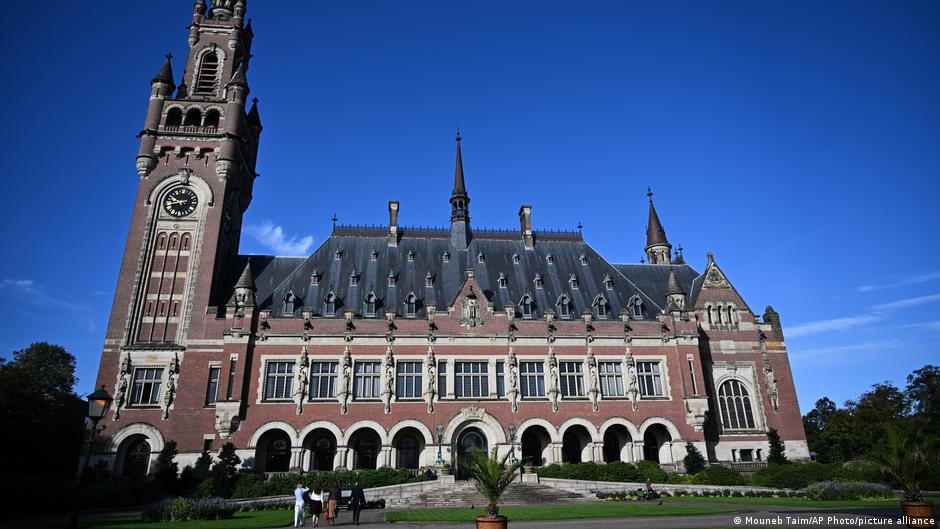
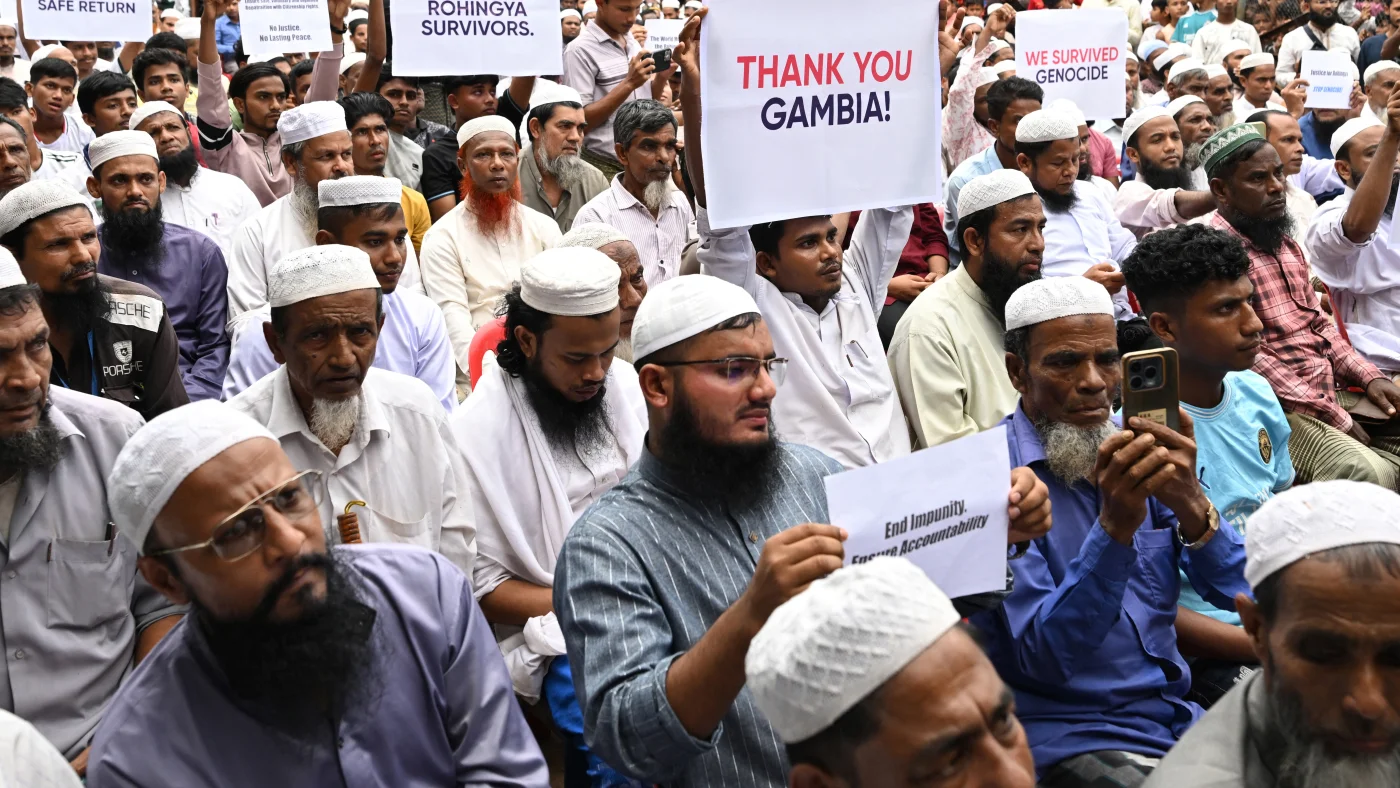
Myanmar committed genocide against its Rohingya minority, the International Court of Justice (ICJ) has ruled, the first time a state has ever been found guilty of the crime.
asserted
state → commit → crime
Gambia brought the case in 2019, arguing that Myanmar’s military offensive that drove at least 730,000 Muslim Rohingya from Buddhist-majority Myanmar amounted to genocide.
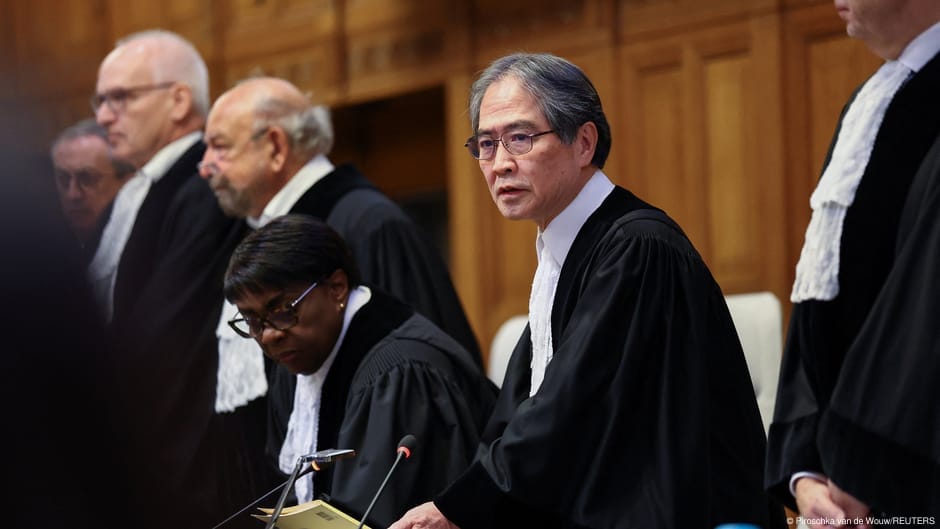
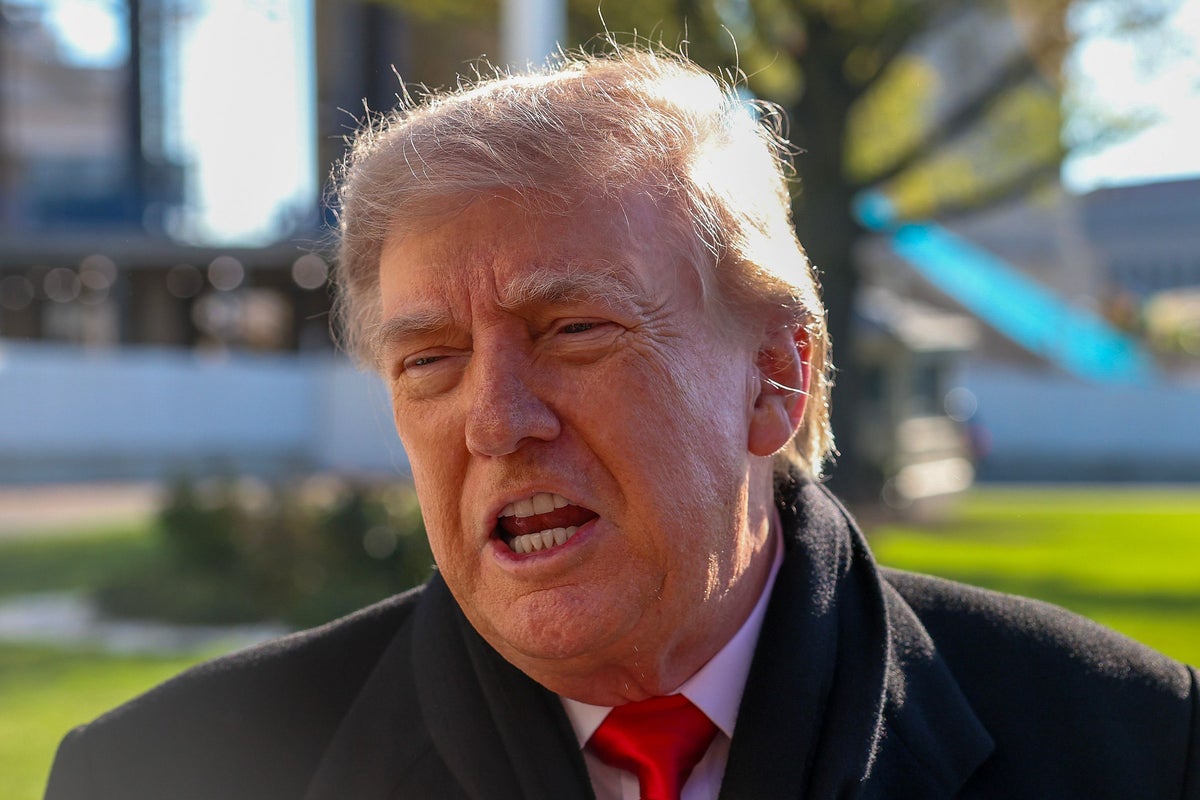
"The court finds that Myanmar's security forces killed thousands of Rohingya civilians, perpetrated widespread acts of sexual violence as well as acts of extreme violence against children and attacked fleeing Rohingya as they sought to flee in large numbers to Bangladesh," presiding judge Yuji Iwasawa said.
asserted
Iwasawa → bring → Bangladesh
On Thursday, judge Iwasawa said the actions by Myanmar’s security forces showed the “intention to destroy” a substantial part of the Muslim minority population, meeting the legal threshold for genocide.
asserted
actions → say → genocide
Judges voted by 9 votes to 6 that the state of Myanmar was guilty.
asserted
state → vote → Myanmar
It is only the third time in the ICJ’s history that the court has issued a judgment on a genocide case and marks the first time a state has been found guilty.
asserted
state → issue → time
It is the fourth time since the Nazi Holocaust that an international court ruled genocide had been committed, with courts previously recognising the 1994 Rwanda genocide, the 1995 Srebrenica killings in Bosnia, and atrocities by Cambodia's Khmer Rouge in the late 1970s as such.
asserted
courts → rule → 1970s
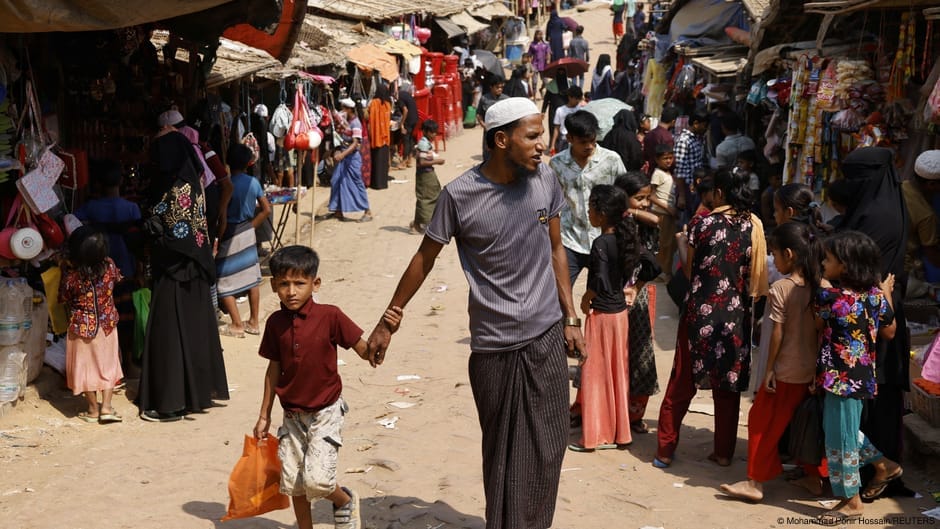
In Bangladesh, many of the 1.2 million Rohingya who have been stuck in the Cox's Bazar refugee settlement, followed the judgment closely as it was read on Thursday morning.
asserted
it → stick → morning
The Rohingya have been stuck in the settlement since 2017, when Myanmar’s military launched what it called a clearance campaign in northern Rakhine state in response to an attack by a Rohingya insurgent group.
asserted
it → stick → group
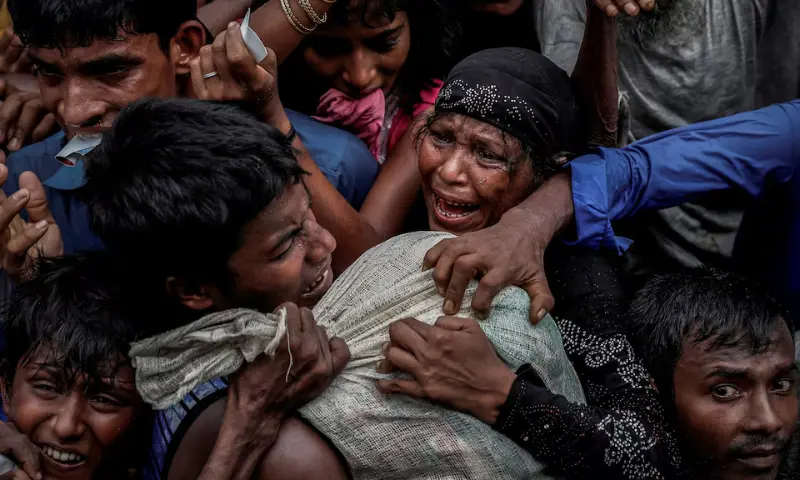
Judges found that Myanmar's military carried out mass executions of men and boys, committed widespread rape against women, and burned or razed hundreds of villages during so-called clearance operations.
asserted
military → find → operations
The military actively spread hate speech targeting the Rohingya population, they said.
asserted
they → spread → population
“Myanmar knew or should have known of a serious risk of acts of genocide being committed... during the 2017 clearance operations,” judge Iwasawa said.
asserted
Iwasawa → know → operations
He said Myanmar had carried out “destruction of evidence”, by burning and disposing of bodies, and destroying sites where the “clearance operations” had taken place.
asserted
operations → say → place
During the Myanmar trial, survivors recounted killings, mass rape and the burning of villages.
asserted
survivors → recount → villages
As part of its case, Gambia has asked the court to order Myanmar to pay reparations and ensure the safe return of Rohingya refugees.
asserted
Gambia → ask → refugees
The Rohingya refugees now endure harsh conditions marked by fire hazards, infectious diseases, monsoon landslides, inadequate sanitation and strict work restrictions.
asserted
refugees → endure → hazards
Judge Iwasawa said Myanmar must "facilitate the safe and dignified return to their place of residence and the reunification of families for the Rohinghya displaced as a result of Myamar's wrongful acts”.
asserted
Myanmar → say → acts
Human Rights Watch said the ruling marks the “long-awaited recognition” of Rohingya suffering, adding that it provides a “significant precedent for victims of genocide, and other grave crimes, across the world in their own quest for justice”.
asserted
it → say → justice
The case has implications for other genocide cases, such as South Africa's 2023 case accusing Israel of genocide in Gaza, giving clues on how the 15-member bench assesses state responsibility.
asserted
bench → have → responsibility
Both Israel and Myanmar deny genocide and say their forces have responded legitimately to attacks by armed groups.
asserted
forces → deny → groups
Crucially, for judges to establish genocide under the 1948 convention, the court must find that there was an intent to destroy a protected group, either in whole or in part, a threshold that was met in the Myanmar case.
asserted
that → establish → case
The UK’s all-party parliamentary group on Burma said the ruling “must serve to mobilise the international community to do everything it can to protect the Rohingya, and the entire population of Myanmar, from continued violations of international law by the Myanmar military”.
asserted
it → say → military
It called on the British government to resume “regular rounds of sanctions” against the military and to significantly boost aid to Rohingya refugees.
asserted
It → call → refugees
The court’s rulings are final and legally binding, but it has no effective way to enforce it beyond reporting noncompliance to the UN Security Council.
asserted
it → have → Council
In 2007, the court said that Serbia “violated the obligation to prevent genocide” in the 1995 Srebrenica massacre, when Bosnian Serb forces murdered some 8,000 mostly Muslim men and boys in the Bosnian town.
asserted
forces → say → town
Judges at The Hague-based court have also been asked to weigh in on other allegations of genocide.
asserted
Judges → base → genocide
Beyond South Africa’s case against Israel, Ukraine also has a case pending against Russia.
asserted
Ukraine → have → Russia
Shortly after Moscow’s full-scale invasion in February 2022, Kyiv accused Russia of fabricating genocide claims against Ukraine to justify the attack.
uncertain
Kyiv → accuse → attack

 The Aporia