That is 0 articles you have read today.
The Aporia is free and carries no advertising, so readers are the only
thing paying for it. If you are getting this much out of it, a small
donation is what keeps it independent.
You have read 0 articles today.
That is more than the 15 a day The Aporia gives away,
and well past what it can carry on nothing. Your allowance resets at
midnight.
There is no advertising here and nothing about you is sold, so readers
are the only thing paying for it. If the site is worth this much of
your day, it is worth a few dollars.
Everything else stays open: the front page, the
directory and search do
not count against this, and neither does re-opening something you have
already read today.
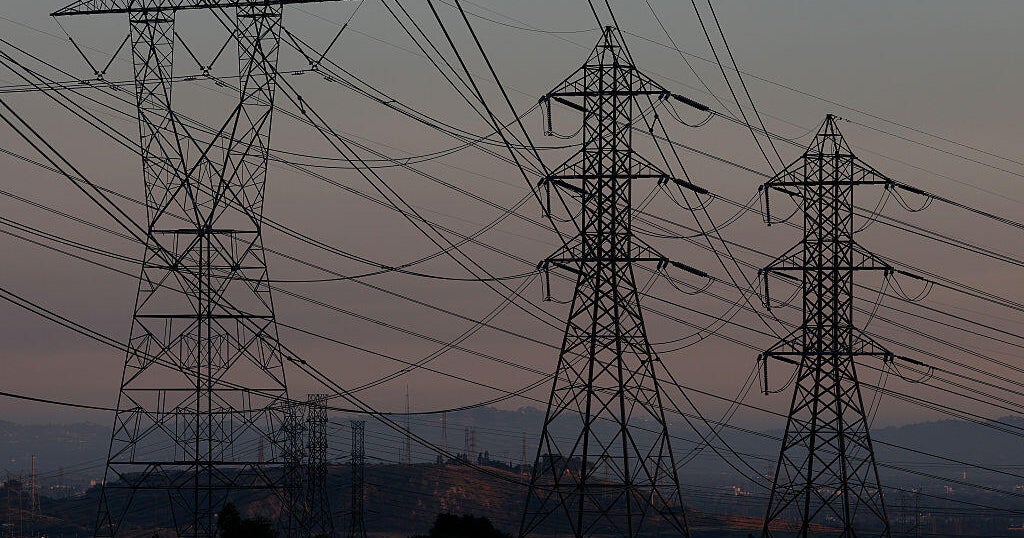
Photo via Toronto Star
House passes bill aimed at addressing impact of data centers on energy costs
Freking, K. (2026, September 17). House passes bill aimed at addressing impact of data centers on energy costs. Toronto Star. https://www.thestar.com/news/world/united-states/house-passes-bill-aimed-at-addressing-impact-of-data-centers-on-energy-costs/article_6fd6c257-4883-55d7-89fb-dc8dc9272d56.html
Freking, Kevin. “House passes bill aimed at addressing impact of data centers on energy costs.” Toronto Star, 17 Sept. 2026, https://www.thestar.com/news/world/united-states/house-passes-bill-aimed-at-addressing-impact-of-data-centers-on-energy-costs/article_6fd6c257-4883-55d7-89fb-dc8dc9272d56.html.
Freking, Kevin. “House passes bill aimed at addressing impact of data centers on energy costs.” Toronto Star, September 17, 2026. https://www.thestar.com/news/world/united-states/house-passes-bill-aimed-at-addressing-impact-of-data-centers-on-energy-costs/article_6fd6c257-4883-55d7-89fb-dc8dc9272d56.html.
Dated when The Aporia collected the article, usually within hours of publication. Check the original for its exact date and byline.
Toronto Star
· collected 2026-09-17 · by Kevin Freking
Quick Summary
The House of Representatives passed a bill on Wednesday that seeks to address the high energy costs associated with artificial intelligence data centers, requiring state utility regulators to ensure these facilities pay for the full cost of new power and transmission upgrades needed to serve them. The bill was approved overwhelmingly by a vote of 417-3, reflecting lawmakers' efforts to tackle an issue of growing concern among voters before midterm elections.
Written by AI on 2026-09-17,
from this article's own text only (the story summary below draws on all the coverage).
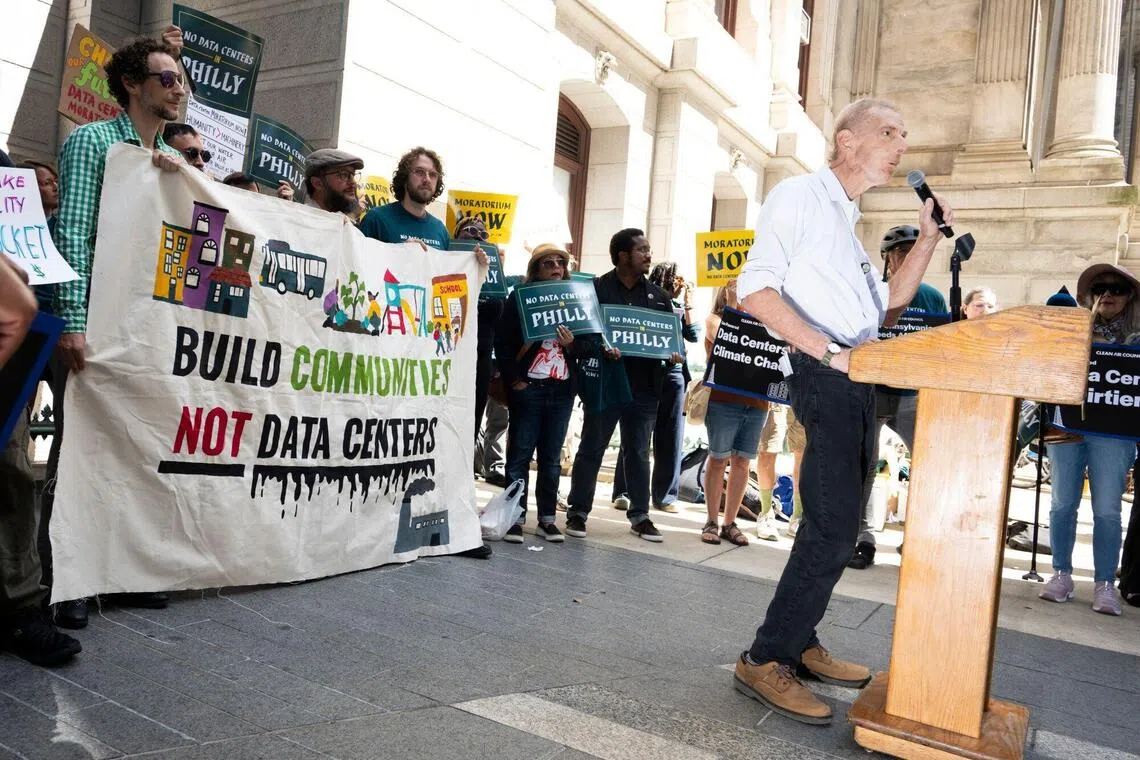
The U.S. House of Representatives voted 417-3 on September 16, passing the bipartisan *Ratepayer Protection Act*. This act aims to shield households from rising energy costs linked to data center expansion by requiring state utility regulators to consider whether large electricity users like data centers should cover incremental infrastructure costs. The bill was introduced by Reps. Gabe Evans (R-CO) and Kathy Castor (D-FL). While the House passed it, similar legislation faces an uphill battle in the Senate before the November midterm elections. Environmental groups argue that the bill only addresses electricity costs without addressing broader concerns like water use and pollution. Despite this, the measure received broad bipartisan support as lawmakers sought to address growing constituent concerns over data center energy demands ahead of the elections.
Written for “Data Center Legislation Push” on 2026-11-20,
grounded in this article and the 7 other(s) covering the same event.
How they differ
7 outlets covered “Data Center Legislation Push”.
What each outlet says
One AI summary per outlet of its latest article on this story, written from that article alone and checked against it. Open the article for the outlet's own words.
Toronto StarThis outlet17 Sep
The House of Representatives passed a bill on Wednesday that seeks to address the high energy costs associated with artificial intelligence data centers, requiring state utility regulators to ensure these facilities pay for the full cost of new power and transmission upgrades needed to serve them. The bill was approved overwhelmingly by a vote of 417-3, reflecting lawmakers' efforts to tackle an issue of growing…
House passes bill aimed at addressing impact of data centers on energy costs (this article)Washington Examiner17 Sep
The House of Representatives passed the Ratepayer Protection Act with a vote of 417-3, requiring data centers consuming over 100 megawatts of electricity to cover costs for grid and energy upgrades. Introduced by Reps. Gabe Evans (R-CO) and Kathy Castor (D-FL), the bill aims to protect households from rising energy prices but faces criticism from some Democrats who argue it does not go far enough in regulating data…
Republicans in Congress face a tight schedule before midterm elections to address voter concerns with legislation like the Ratepayer Protection Act and the crypto market structure bill, while also considering bipartisan measures such as the Protect College Sports Act. The Senate is likely to prioritize the college sports bill, which has support from both parties but may consume significant time due to potential…
The US House of Representatives plans to vote on the Ratepayer Protection Act, which would require state utility regulators to consider whether large energy consumers like data centers should cover costs related to new electrical infrastructure. Introduced by Representative Kathy Castor and Gabe Evans, this bipartisan bill aims to address growing concerns over rising electricity bills linked to data center…
On September 16, the U.S. House of Representatives passed the Ratepayer Protection Act with a vote of 417 to three, aiming to address concerns over rising electricity costs caused by data center expansion. The bill requires state utility regulators to consider whether large power users like data centers should cover additional infrastructure costs related to their operations. This action highlights the conflicting…
The U.S. House passed the Ratepayer Protection Act with bipartisan support, amending existing energy law to require large data centers (those consuming 100 megawatts or more) to cover additional costs for electricity infrastructure upgrades and provide financial assurances if projects are canceled. The bill aims to prevent increased utility rates for local communities while not banning data center expansion. Both…
The House passed the Ratepayer Protection Act with a vote of 417 to 3, aiming to prevent data center energy costs from being added to Americans' electricity bills. The bipartisan bill requires tech companies to cover expenses for new power infrastructure serving data centers rather than passing them on to consumers. Introduced by Republican Representative Gabe Evans, the legislation responds to concerns over rising…
“The articles discuss different aspects of data center regulation and energy use, with Article A focusing on a CEO's opinion about reporting waste and opposing moratoriums, while Article B reports on the passage of a bill requiring utilities to charge full costs for power needed by data centers.”
Leans left
Hedges 0 of 6 claimsOutlet record 64/100
“Article A describes the presentation of an energy policy blueprint, while Article B reports on the passage of a specific bill in the House regarding data center energy costs.”
Leans left
Hedges 3 of 120 claimsOutlet record 67/100
“Article A reports on a specific bill passed by the House, while Article B provides a broader overview of data center issues in the context of upcoming midterm elections.”
“Article A describes the House passing a bill on data center energy costs, while Article B discusses contrasting approaches to data centers in San Francisco and Santa Clara.”
Similar amounts would go toward boosting airport infrastructure, replacing or refurbishing terminals at high-impact hubs, constructing five new traffic control centers and improving or replacing up to 140 FAA-owned air traffic control towers.
Similar amounts would go toward boosting airport infrastructure, replacing or refurbishing terminals at high-impact hubs, constructing five new traffic control centers and improving or replacing up to 140 FAA-owned air traffic control towers.
WASHINGTON (AP) — House Republicans will move Tuesday to select their leader in the minority after a brutal drubbing at the polls, with the two candidates being House Majority Leader Steve Scalise of Louisiana and Judiciary Committee Chairman Jim Jordan of Ohio.
WASHINGTON (AP) — House Speaker Mike Johnson will be stepping aside from Republican Party leadership after the GOP’s wipeout in the midterm election, declining to seek support to stay on as House minority leader in the new Congress, according to two people familiar with his decision Wednesday.
They “came out of the woodwork” she said, and had stayed silent because it was well established that coming forward would be the end of a career they had worked so hard to achieve.
In some cases, the Republicans targeted have never served in Congress before, so they couldn’t possibly have voted on the various war powers resolutions.
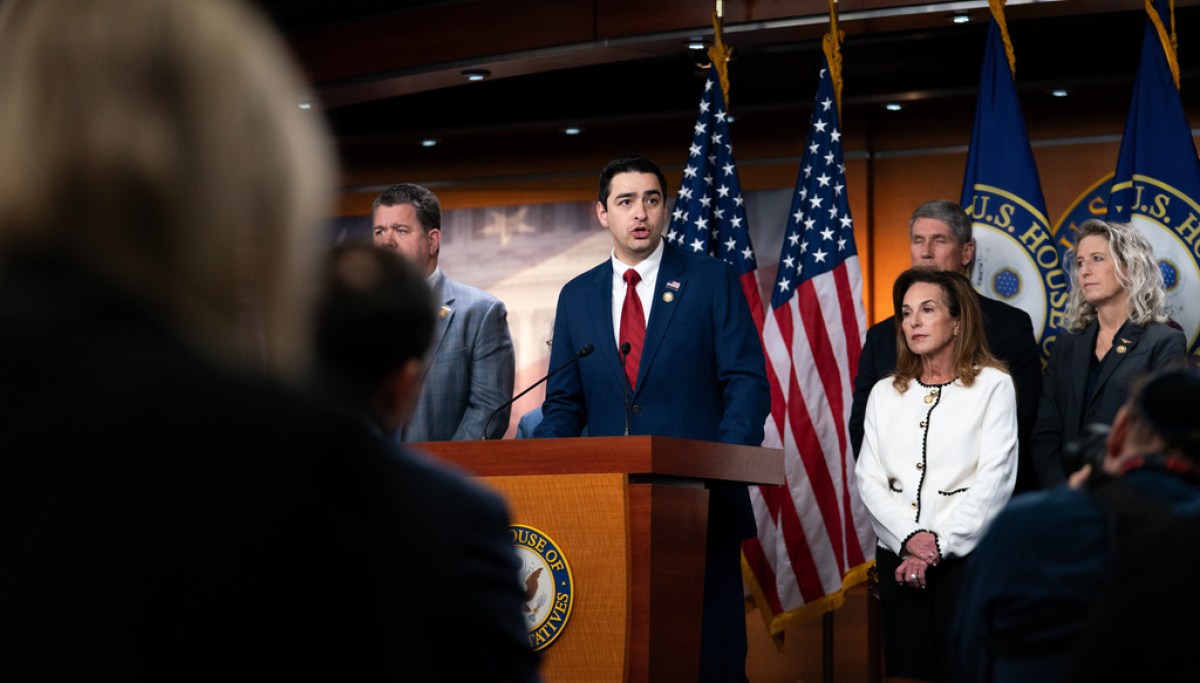
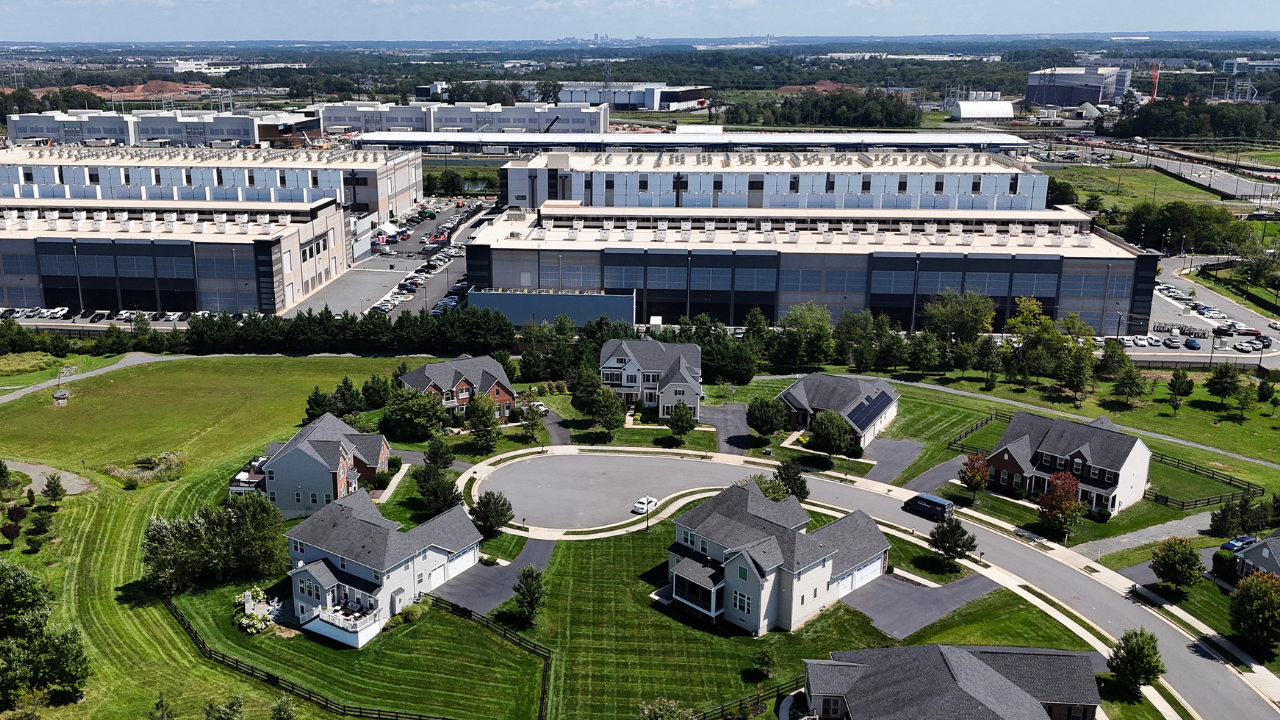
The House overwhelmingly approved a bill Wednesday that aims to have artificial intelligence data centers pay for their substantial energy needs as lawmakers used what was expected to be their final day in Washington before the midterm elections to address a growing voter concern.
framing: assertive ·
carried by 1 article(s) ·
first seen 2026-09-17
The House overwhelmingly approved a bill Wednesday that aims to have artificial intelligence data centers pay for their substantial energy needs as lawmakers used what was expected to be their final day in Washington before the midterm elections to address a growing voter concern.
The House overwhelmingly approved a bill Wednesday that aims to have artificial intelligence data centers pay for their substantial energy needs as lawmakers used what was expected to be their final day in Washington before the midterm elections to address a growing voter concern.
asserted
what → approve → concern
The legislation would require state utility regulators to consider a standard by which utilities charge data centers for the full cost of the new power and transmission upgrades needed to serve them.
asserted
utilities → require → them
The bill passed by a vote of 417-3.
asserted
bill → pass → 417
Give feedback · no sign-in needed
No sign-in needed for now. Your note is sent without a name, so it cannot be answered.
 The Aporia