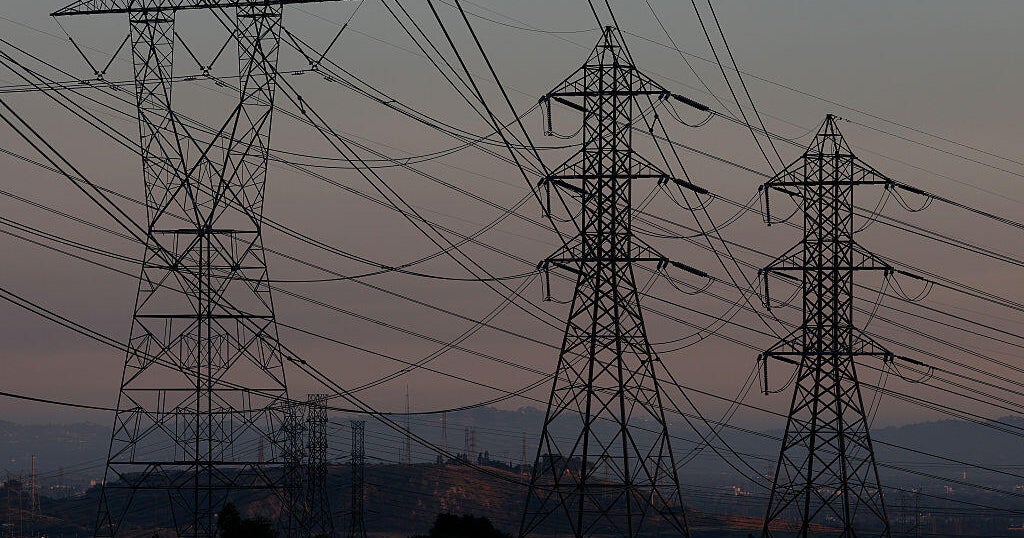
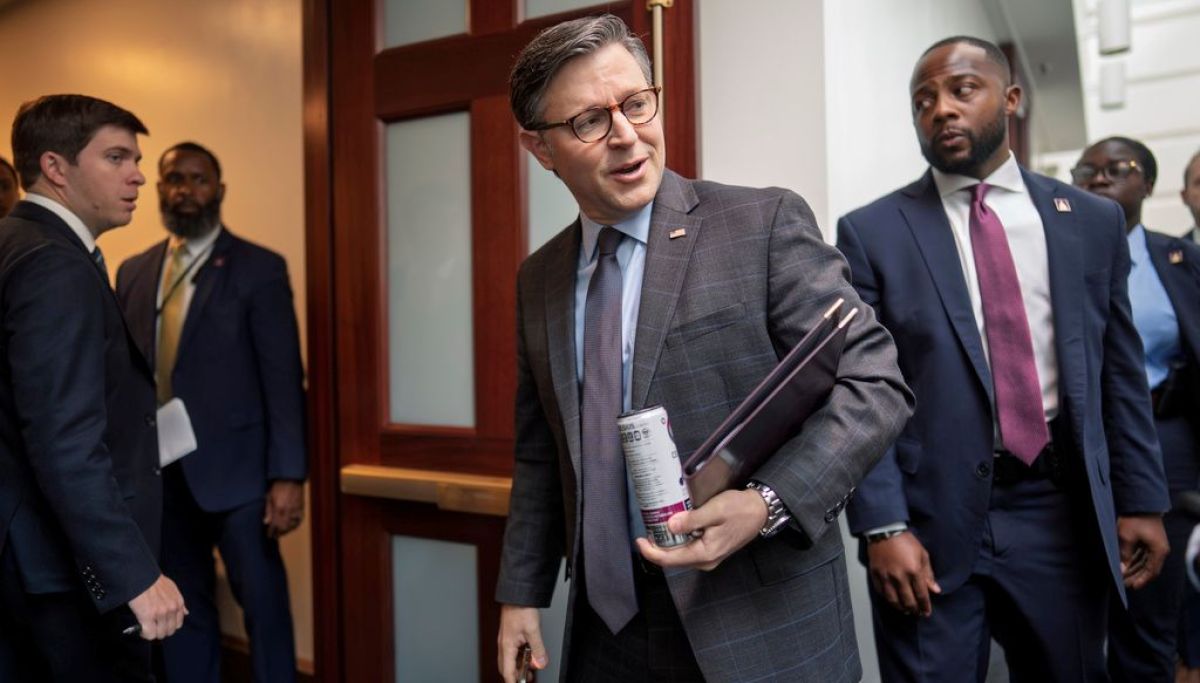
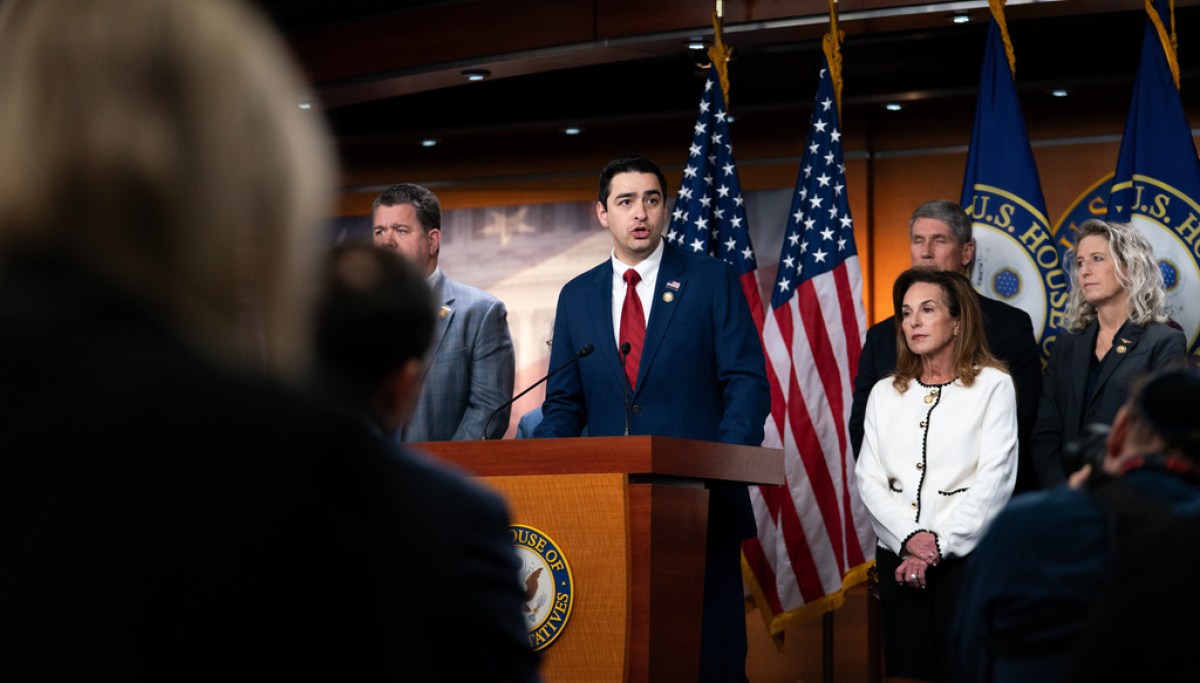
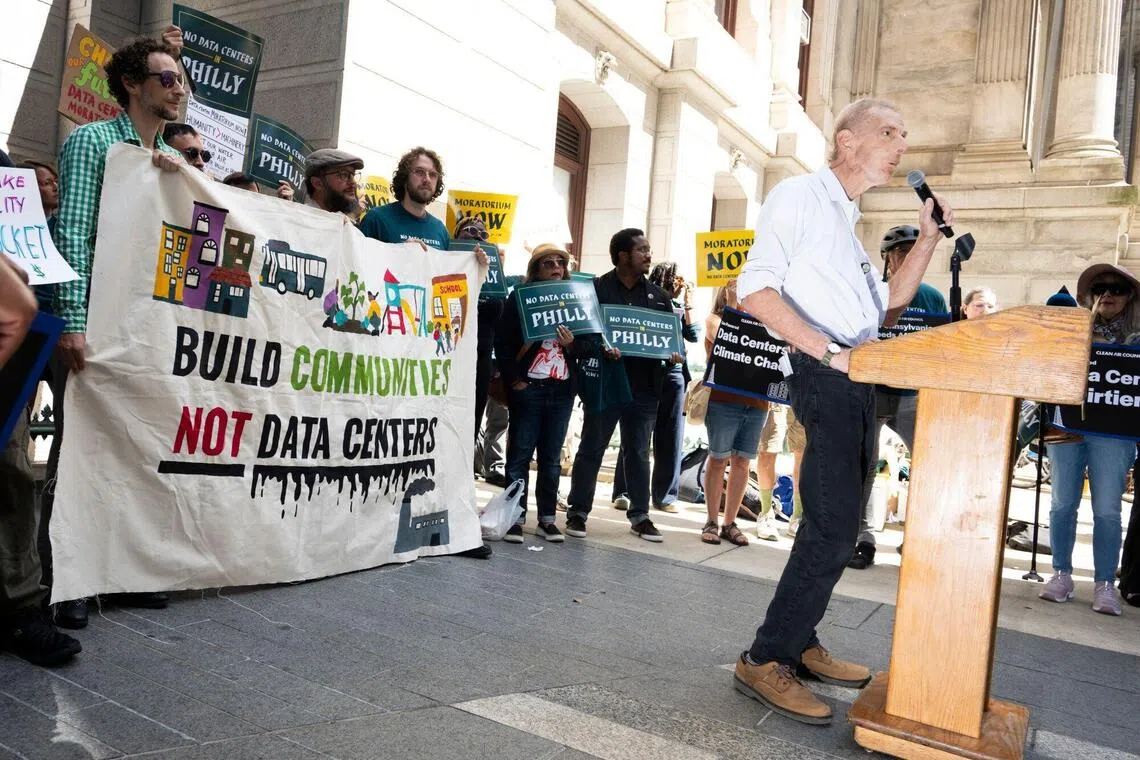
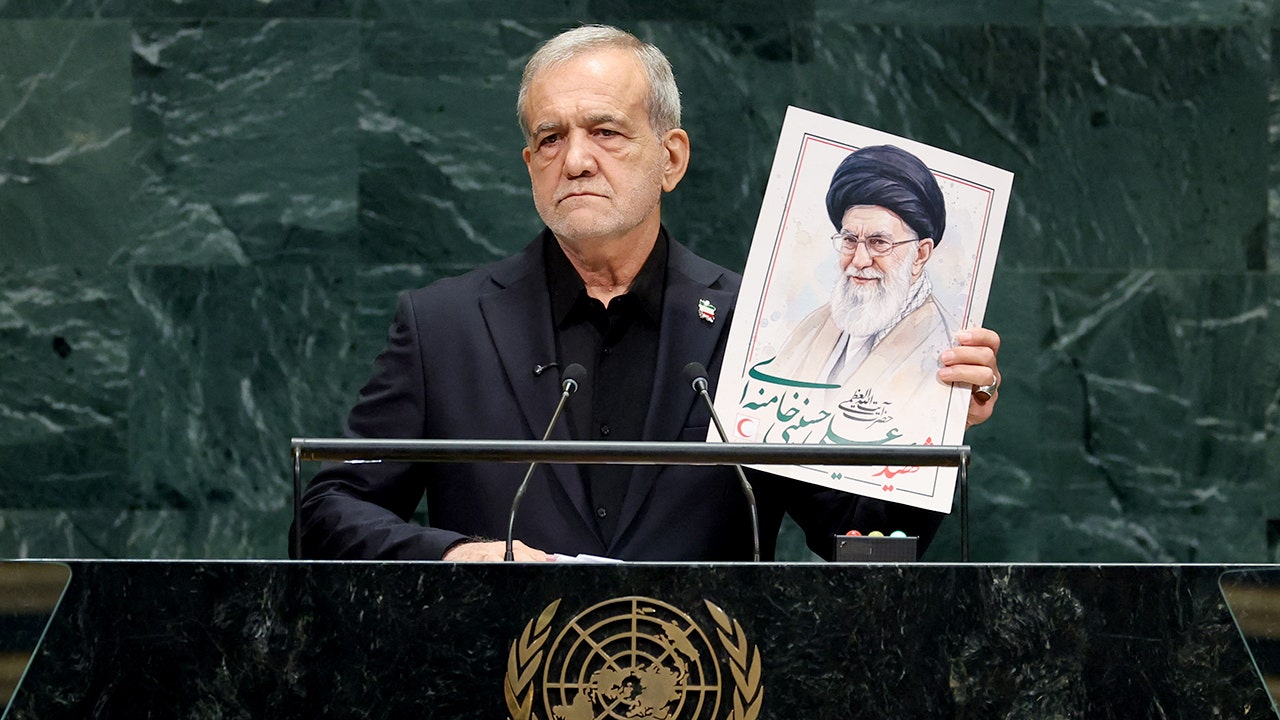
Photo via Fox News

First data center bill clears House as both parties scramble for answers on affordability

Read the original at Fox News ↗
Cite

Briceno, L. (2026, September 17). First data center bill clears House as both parties scramble for answers on affordability. Fox News. https://www.foxnews.com/politics/first-data-center-bill-clears-house-republicans-democrats-scramble-answers-affordability-energy

Dated when The Aporia collected the article, usually within hours of publication. Check the original for its exact date and byline.

Fox News · collected 2026-09-17 · by Leo Briceno

Quick Summary

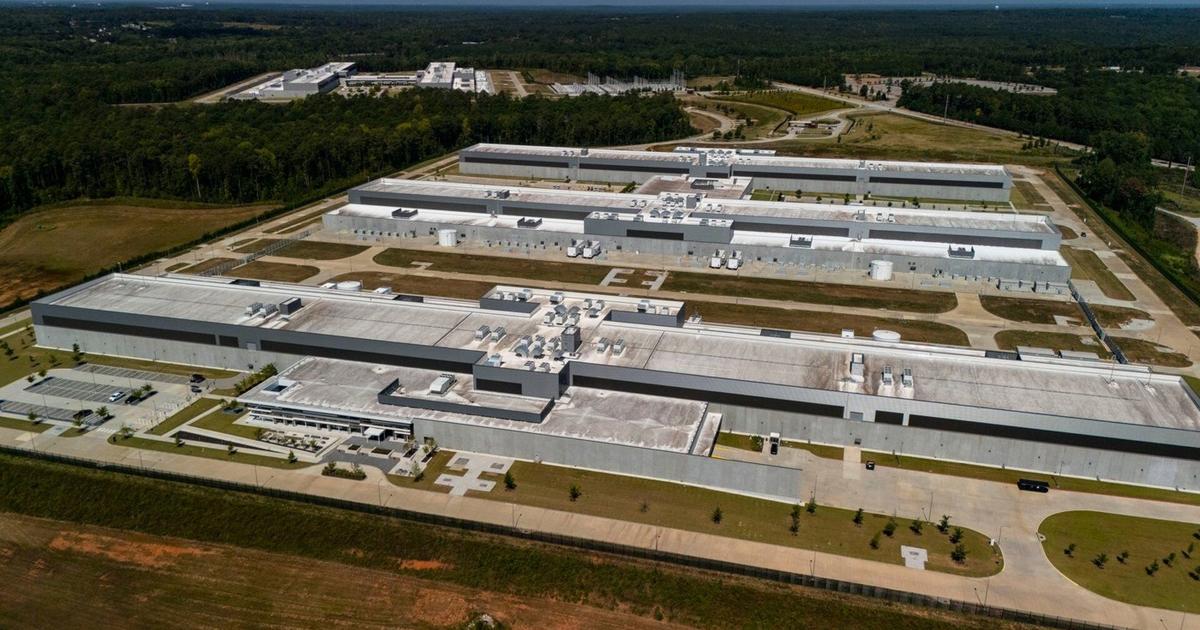
The U.S. House passed the Ratepayer Protection Act with bipartisan support, amending existing energy law to require large data centers (those consuming 100 megawatts or more) to cover additional costs for electricity infrastructure upgrades and provide financial assurances if projects are canceled. The bill aims to prevent increased utility rates for local communities while not banning data center expansion. Both Republican sponsor Rep. Gabe Evans and Democratic co-sponsor Rep. Kathy Castor emphasize the need to protect ratepayers from rising energy costs associated with data centers, framing it as a balance between technological progress and affordability concerns.
Written by AI on 2026-09-17, from this article's own text only (the story summary below draws on all the coverage).
See how they differ ↓

AI analysis

Story summary

The U.S. House of Representatives voted 417-3 on September 16, passing the bipartisan *Ratepayer Protection Act*. This act aims to shield households from rising energy costs linked to data center expansion by requiring state utility regulators to consider whether large electricity users like data centers should cover incremental infrastructure costs. The bill was introduced by Reps. Gabe Evans (R-CO) and Kathy Castor (D-FL). While the House passed it, similar legislation faces an uphill battle in the Senate before the November midterm elections. Environmental groups argue that the bill only addresses electricity costs without addressing broader concerns like water use and pollution. Despite this, the measure received broad bipartisan support as lawmakers sought to address growing constituent concerns over data center energy demands ahead of the elections.

Written for “Data Center Legislation Push” on 2026-11-20, grounded in this article and the 7 other(s) covering the same event.

How they differ

7 outlets covered “Data Center Legislation Push”.

What each outlet says

One AI summary per outlet of its latest article on this story, written from that article alone and checked against it. Open the article for the outlet's own words.

Fox NewsThis outlet17 Sep

The U.S. House passed the Ratepayer Protection Act with bipartisan support, amending existing energy law to require large data centers (those consuming 100 megawatts or more) to cover additional costs for electricity infrastructure upgrades and provide financial assurances if projects are canceled. The bill aims to prevent increased utility rates for local communities while not banning data center expansion. Both…

First data center bill clears House as both parties scramble for answers on affordability (this article)
Washington Examiner17 Sep

The House of Representatives passed the Ratepayer Protection Act with a vote of 417-3, requiring data centers consuming over 100 megawatts of electricity to cover costs for grid and energy upgrades. Introduced by Reps. Gabe Evans (R-CO) and Kathy Castor (D-FL), the bill aims to protect households from rising energy prices but faces criticism from some Democrats who argue it does not go far enough in regulating data…

House passes bill to shield households from data center energy costs →2 articles from Washington Examiner on this story
Semafor15 Sep

Republicans in Congress face a tight schedule before midterm elections to address voter concerns with legislation like the Ratepayer Protection Act and the crypto market structure bill, while also considering bipartisan measures such as the Protect College Sports Act. The Senate is likely to prioritize the college sports bill, which has support from both parties but may consume significant time due to potential…

Republicans’ time crunch: Data centers, sports, crypto →
The Independent16 Sep

The US House of Representatives plans to vote on the Ratepayer Protection Act, which would require state utility regulators to consider whether large energy consumers like data centers should cover costs related to new electrical infrastructure. Introduced by Representative Kathy Castor and Gabe Evans, this bipartisan bill aims to address growing concerns over rising electricity bills linked to data center…

US House to vote on ‘Ratepayer Protection Act’ as data center fury grows →
The Straits Times17 Sep

On September 16, the U.S. House of Representatives passed the Ratepayer Protection Act with a vote of 417 to three, aiming to address concerns over rising electricity costs caused by data center expansion. The bill requires state utility regulators to consider whether large power users like data centers should cover additional infrastructure costs related to their operations. This action highlights the conflicting…

US House advances first Bill addressing economic impact of data centre boom →
CBS News17 Sep

The House passed the Ratepayer Protection Act with a vote of 417 to 3, aiming to prevent data center energy costs from being added to Americans' electricity bills. The bipartisan bill requires tech companies to cover expenses for new power infrastructure serving data centers rather than passing them on to consumers. Introduced by Republican Representative Gabe Evans, the legislation responds to concerns over rising…

House passes bill to shield Americans from data center energy costs →
Show 1 more outlets
Toronto Star17 Sep

The House of Representatives passed a bill on Wednesday that seeks to address the high energy costs associated with artificial intelligence data centers, requiring state utility regulators to ensure these facilities pay for the full cost of new power and transmission upgrades needed to serve them. The bill was approved overwhelmingly by a vote of 417-3, reflecting lawmakers' efforts to tackle an issue of growing…

House passes bill aimed at addressing impact of data centers on energy costs →

Where they agree and split

Framing

How the first headlines put it

Stated as fact2
The headlines (2)

House faces Iran, Russia, impeachment, and data center fights in final week before midterm elections Washington Examiner · stated as fact

Republicans’ time crunch: Data centers, sports, crypto Semafor · stated as fact

The full story: what happened, how it changed, and all 8 articles →

Compared with similar articles

This article reads unscored and hedges 0% of its claims. Each row says how that neighbour differs.
CBS News
Leans right Hedges 4 of 23 claims Outlet record 67/100
Washington Examiner
Hedges 1 of 19 claims Outlet record 67/100
Washington Examiner
Hedges 0 of 24 claims Outlet record 67/100
The Straits Times
Hedges 1 of 21 claims Outlet record 64/100
Toronto Star
Leans left Hedges 0 of 3 claims Outlet record 64/100
Fox News
Leans left Hedges 3 of 23 claims Outlet record 67/100
“The articles describe different events related to data centers: one discusses political fractures over data centers' economic impact and another reports on a bill passing in the House aimed at protecting communities from data center costs.”
Semafor
Leans right Hedges 5 of 14 claims Outlet record 64/100
The Independent
Leans left Hedges 2 of 14 claims Outlet record 59/100
Washington Examiner
Leans left Hedges 0 of 26 claims Outlet record 67/100
“Article A discusses the passage of the Ratepayer Protection Act in the U.S. House, while Article B reports on Virginia's Governor Spanberger unveiling data center regulations.”
New York Post
Leans left Hedges 1 of 18 claims Outlet record 66/100
“While both articles discuss the passage and subsequent blocking of the Ratepayer Protection Act in relation to data center costs, they describe different stages of the legislative process occurring on separate days.”

Story

Data Center Legislation Push
Politics · 8 article(s) covering the same event. Compare every outlet's account →
How this article was measured signals, leaning charts, publisher record, byline, topics and claims

Signals How these are calculated →

Claims extracted
25
sentences that state something as happening or true
Uncertain
0%
0 of 25 hedged ("reportedly", "may", "according to")
Leaning
withheld
no quote in the article backed the model's score
Publisher signals
67/100
Fox News's corrections and hedging, across everything collected from it. Not a measure of accuracy.
Outlets on this story
8
Politics
Same framing elsewhere
1
articles that frame the event the way this one does
Analyzed 2026-09-17 · how these are computed

How this is being covered How these are calculated →

Article leaning vs. publisher reliability
Source leaning vs. consistency

Publisher

Fox News · 8256 article(s) · 15 correction(s) detected
Running correction rate · 15 correction(s)

Who wrote this

Leo Briceno
45 article(s) here · 1 carrying a prediction
Read on to learn more about some of the most significant ballot measure results that will be shaping the lives of thousands of Americans.
Neuer, director of UN Watch, believes its not just Western countries that will be watching how the UN treats Iran.
House Majority Leader Steve Scalise, R-La., the No. 2 Republican in the House of Representatives and the most tenured figure among the chamber's party leadership, declined to say whether he would commit to serving the full term in the upcoming 120th Congress.
Rep. Randy Fine, R-Fla., said Vice President JD Vance's election analysis posted online last week amounted to an attack on the Jewish people, leading him to swear off support for any presidential aspirations Vance might have for 2028.
The governor-elect has hinted that she might be rethinking her relationship with Musk, underscoring the shifting considerations many Democrats critical of business titans are making as they prepare to govern and secure growth and investments for their constituencies. "We can have a strong working relationship with Elon Musk and his companies," Hinojosa said in an interview with CNN on Thursday, just two days after election night.
Top Democrats are lining up behind Republican Rep. Thomas Massie's effort to impeach War Secretary Pete Hegseth, signaling that the fight could continue when Democrats take control of Congress in January.
She reiterated the plan in an interview with the Texas Tribune, stating, "Within an hour of taking the oath of office, I will declare a high-cost emergency in the state of Texas and issue an emergency executive order to … freeze electricity rates."
A convicted child molester and illegal alien from Venezuela could soon be back on the streets unless authorities in Seattle ditch their sanctuary city policies and cooperate with federal immigration enforcement.
In the lead-up to the November midterms, the Democratic Socialists of America (DSA) put its support behind California’s Proposition 40, a measure that would impose a one-time 5% tax on billionaires in the state.
While Republicans quickly looked for a source of blame, jubilant Democratic reactions ranged from calling the moment the end of Trump’s MAGA movement to aggressive predictions of what the party could accomplish with their newfound majorities.
Also by Leo Briceno
Nothing else under this byline is closely related to this article, so these are simply their most recent.
All 45 articles by Leo Briceno →

Topics

Colo. Congress The U.S. House of Representatives the Public Utility Regulatory Policies Act the Ratepayer Protection Act

Subjects

Cooper PERSON · 3× Evans PERSON · 2× Whatley PERSON · 2× America GPE · 1× China GPE · 1× Colo. GPE · 1× Colorado GPE · 1× Congress ORG · 1× Gabe Evans PERSON · 1× The U.S. House of Representatives ORG · 1×

Narrative

"Roy believes local communities must have the final say on new projects coming to their area, which includes local moratoriums, and data centers must pay for all of the energy they use without passing on any of their costs to consumers," a spokesperson for Cooper’s campaign said in a statement to Fox News Digital earlier this month.
framing: assertive · carried by 1 article(s) · first seen 2026-09-17
The bill, which succeeded with broad bipartisan support in a 417-3 vote, is likely one of the last pieces of legislation lawmakers will consider until after the Nov. 3 midterm elections.

Claims (25 extracted, 0 hedged)

The U.S. House of Representatives on Wednesday passed the Ratepayer Protection Act (RPA), a bill that looks to shield communities from higher energy electricity and grid infrastructure costs associated with data center development. asserted
that → pass → development
The bill, which succeeded with broad bipartisan support in a 417-3 vote, is likely one of the last pieces of legislation lawmakers will consider until after the Nov. 3 midterm elections. asserted
lawmakers → succeed → elections
It also puts a spotlight on the data center issue, which has garnered attention as a proxy for affordability, energy and regulatory debates. asserted
which → put → debates
It marks the first data center-related bill passed in the 119th Congress. asserted
It → mark → Congress
In its current form, the bill does not seek to ban data centers, set limitations on their expansion or even set regulatory guidelines for them. asserted
bill → seek → them
Instead, it amends existing energy law, the Public Utility Regulatory Policies Act (PURPA), so states must consider a federal standard. asserted
states → amend → standard
Large data centers that consume 100 megawatts or more would pay the full extra cost of the generation, transmission and distribution upgrades built to serve them. asserted
that → consume → them
Companies would also be required to make financial assurances in the event a project is canceled or moved to prevent communities from being left holding the bill. asserted
project → require → bill
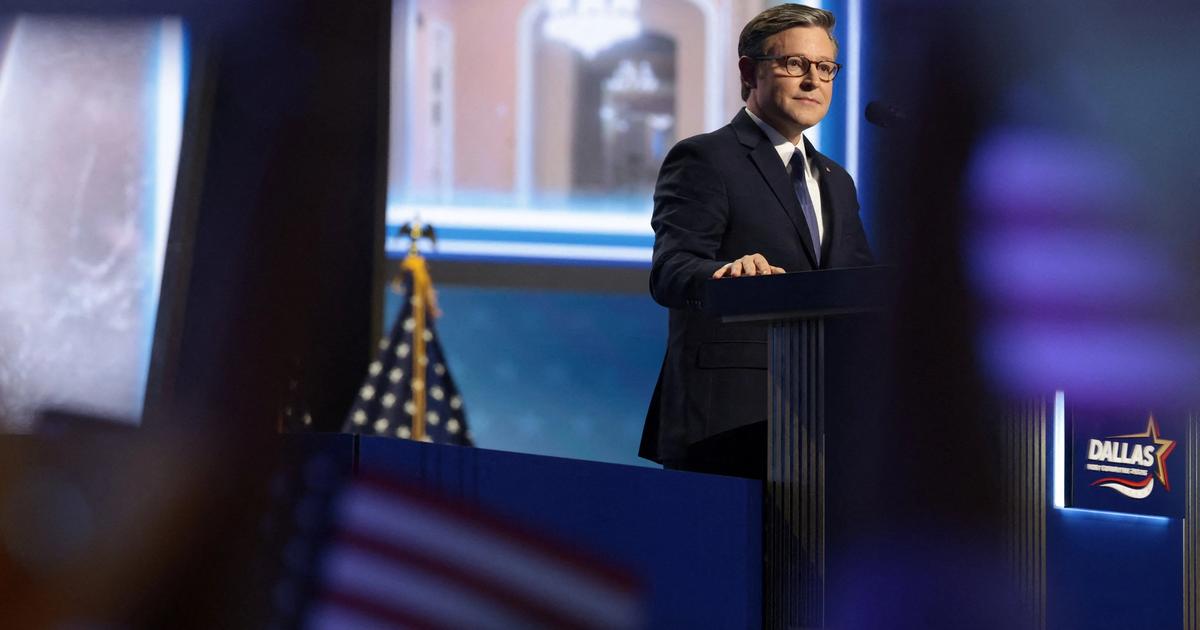
Its sponsor, Rep. Gabe Evans, R-Colo., framed it as a needed step toward keeping data center energy costs from spilling over to local communities. asserted
sponsor → frame → communities
"As America races to lead the world in AI, we must build the energy infrastructure needed to support this innovation and stay ahead of competitors like communist China," Evans said in a statement earlier this year. asserted
Evans → race → statement
"But Colorado families, farmers and small businesses should not be forced to cover the costs of new power generation driven by these developments. asserted
families → force → developments
The Ratepayer Protection Act is a bipartisan, commonsense solution that protects everyday Americans and ensures our nation can continue to win the AI race. asserted
nation → protect → race
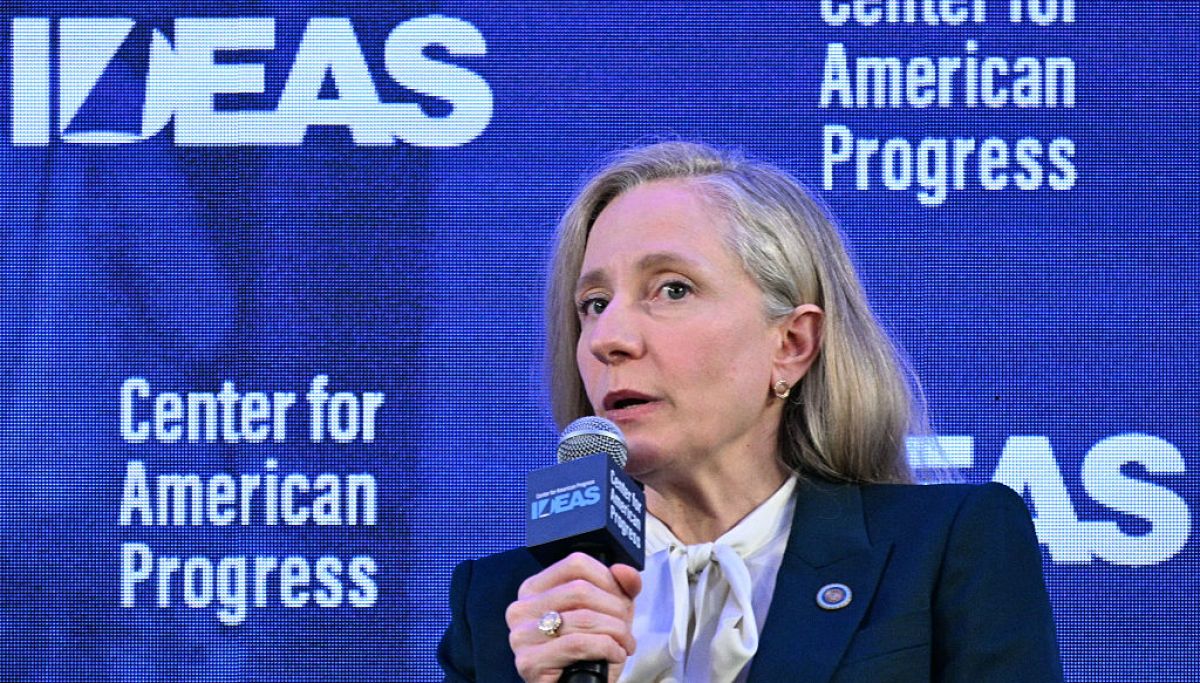
" The bill’s Democratic co-sponsor, Rep. Kathy Castor, D-Fla., echoed Evans’ thinking. asserted
sponsor → echo → thinking
"My neighbors across Florida are grappling with skyrocketing electric bills. asserted
neighbors → grapple → bills
Ratepayers should not have to subsidize wealthy corporations’ growing energy demands, especially from AI data centers," Castor said. asserted
Castor → have → centers
In recent months, candidates from both sides of the aisle have carefully framed their thinking about data centers. asserted
candidates → frame → centers
Democrats, in particular, have linked the issue to affordability. asserted
Democrats → link → affordability
Such is the case for Roy Cooper, former governor of North Carolina, who is now waging a bid for the seat of retiring Sen. Thom Tillis, R-N.C. Cooper, once having celebrated data center expansion as an avenue for job growth in the Tar Heel State, has since qualified his support. asserted
Cooper → wag → support
"Roy believes local communities must have the final say on new projects coming to their area, which includes local moratoriums, and data centers must pay for all of the energy they use without passing on any of their costs to consumers," a spokesperson for Cooper’s campaign said in a statement to Fox News Digital earlier this month. asserted
spokesperson → believe → Digital
Republicans have also navigated the political noise around data centers with care. asserted
Republicans → navigate → care
Cooper’s opponent, former Republican National Committee Chairman Michael Whatley, also stressed allowing local communities decide for themselves about whether data center expansion is right for them. asserted
expansion → stress → them
"Michael Whatley's standard is simple: Data centers pay their own way, families pay nothing and communities decide. asserted
communities → pay → nothing
That means Big Tech builds or buys every megawatt it needs and covers every dime of the grid upgrades to deliver it, with zero costs shifted onto residential ratepayers. asserted
costs → mean → ratepayers
It means no special subsidies and no sweetheart deals cut over the heads of taxpayers," Whatley’s campaign said. asserted
campaign → mean → taxpayers
Having cleared the House, the data center bill passed Wednesday heads to the Senate, where its fate is uncertain. asserted
fate → clear → Senate
Give feedback · no sign-in needed

No sign-in needed for now. Your note is sent without a name, so it cannot be answered.

History Support