
Bangladesh Garment Worker Protests
6 outlets
Each outlet's article on this story, most articles first
7 reporters
- Al Jazeera StaffAl Jazeera
- Rajeev SinghTimes of India
- AFPThe Hindu
- ReutersThe Hindu
- Agence France-PresseSouth China Morning Post
- Koh EweBBC
- Mukimul AhsanBBC
By day
Articles per day
Cite
Bangladesh Garment Worker Protests. (2026, November 3). The Aporia. https://the-aporia.com/event/120884
“Bangladesh Garment Worker Protests.” The Aporia, 3 Nov. 2026, https://the-aporia.com/event/120884.
“Bangladesh Garment Worker Protests.” The Aporia, November 3, 2026. https://the-aporia.com/event/120884.
Dated the day this page was built. The link always leads to this event, even after the stories are regrouped.

Hundreds of garment factories in Bangladesh have been forced to closed after days-long protests by workers demanding higher wages.
What happened
The outlets' own sentences, most widely reported first. Hover or tap one to see who reported it.
The garment sector is the backbone of Bangladesh’s export-driven economy, employing millions of workers and generating the bulk of the country’s foreign earnings.
Workers are demanding a minimum monthly wage of 30,000 taka ($242), more than double the current wage of 12,500 taka ($101).
Hundreds of workers in Gazipur, north of the capital Dhaka, blocked the Dhaka-Tangail highway, vandalising several vehicles, while large groups took to the streets in the Mirpur district, where police dispersed demonstrators with tear gas.
Violent protests have erupted in Bangladesh's garment industry as workers demand a sharp increase in their minimum monthly wage from 12,500 taka to 30,000 taka.
What each outlet says
One AI summary per outlet of its latest article on this story, written from that article alone and checked against it. Open the article for the outlet's own words.
Worker protests over low wages and rising living costs have disrupted hundreds of garment factories in Bangladesh for three consecutive days, with thousands taking to the streets despite police use of tear gas and sound grenades. About 500 factories were temporarily closed after protests began on Saturday. In response, Prime Minister Tarique Rahman formed a wage board to review minimum wages, currently set at 12,500…
Bangladesh garment factories disrupted as protests continue for third day →3 articles from Al Jazeera on this storyGarment workers in Bangladesh have continued their protests into a fourth day, demanding a significant wage increase despite government efforts to curb the unrest. Clashes between protesters and police resulted in property damage and injuries; over 58 police officers were hurt while protesters reported numerous injuries as well. The demonstrations, occurring in industrial suburbs around Dhaka including Gazipur and…
Bangladesh garment workers clash with police, defy call to end protests →3 articles from The Hindu on this storyGarment workers in Bangladesh are staging violent protests demanding a significant increase in their minimum monthly wage from 12,500 taka to 30,000 taka. Clashes have occurred in industrial areas like Mirpur and Konabari, leading to vandalism and road blockages that prompted authorities to deploy police and Border Guard Bangladesh units to restore order. The protests began on Saturday and intensified over the…
Violent protests rock Bangladesh garment hubs as workers demand a steep pay hike →Thousands of Bangladeshi garment workers protested on Monday for a significant wage increase, blocking major highways and clashing with police. The protests occurred across industrial hubs like Gazipur and Mirpur, with some workers vandalizing vehicles and others being dispersed by tear gas. With around 4 million people employed in the country’s garment sector, which contributes more than 80% of Bangladesh's export…
Cheap fashion under pressure as Bangladeshi garment workers protest for pay hike →Bangladesh garment workers protested in several cities on Monday, demanding a monthly minimum wage increase from 13,000 taka to 30,000 taka. The demonstrations involved blocking highways and clashing with police, leading to vandalism and use of tear gas by authorities. Despite the government’s announcement of forming a wage board for review, protesters were unsatisfied, citing rising costs and inflation.
Bangladesh garment workers protesting for higher wages clash with police →In Bangladesh, hundreds of garment factories have closed due to worker protests demanding higher minimum wages, with demonstrators blocking roads and clashing violently with police. Workers are seeking a monthly wage increase from 13,000 taka ($105) to 30,000 taka ($242), citing rising living costs. The unrest has affected production in an industry employing four million workers and generating nearly $40 billion…
Wage protests force hundreds of Bangladesh garment factories to close →Analysis
Agreed
Reported by outlets on both sides of the middle
No sentence was reported across the range.
Disputed
Picked by our model, which is sometimes wrong
No disagreement the check could confirm. That does not prove there is none.
Framing
How the first headlines put it
How it changed
- 1 Nov
The garment sector is the backbone of Bangladesh’s export-driven economy, employing millions of workers and generating the bulk of the country’s foreign earnings.
- 2 Nov
Hundreds of workers in Gazipur, north of the capital Dhaka, blocked the Dhaka-Tangail highway, vandalising several vehicles, while large groups took to the streets in the Mirpur district, where police dispersed demonstrators with tear gas.
Coverage 10 articles
Suggested from 5 outlets (3 flagged as leaning left, 0 right): one of the fuller accounts and its publisher is declared as reporting rather than commentary. Note that EVERY account of this event was flagged as carrying a position, including this one (leans left). There is no neutral option here; this is the fullest.
 3 Nov Bangladesh garment workers clash with police, defy call to end protestsGarment workers in Bangladesh have continued their protests into a fourth day, demanding a significant wage increase despite government efforts to curb the unrest. Clashes between protesters and police resulted in property damage and injuries; over 58 police officers were hurt while protesters reported numerous injuries as well. The demonstrations, occurring in industrial suburbs around Dhaka including Gazipur and…The Hindu
 3 Nov Wage protests force hundreds of Bangladesh garment factories to closeIn Bangladesh, hundreds of garment factories have closed due to worker protests demanding higher minimum wages, with demonstrators blocking roads and clashing violently with police. Workers are seeking a monthly wage increase from 13,000 taka ($105) to 30,000 taka ($242), citing rising living costs. The unrest has affected production in an industry employing four million workers and generating nearly $40 billion…BBC
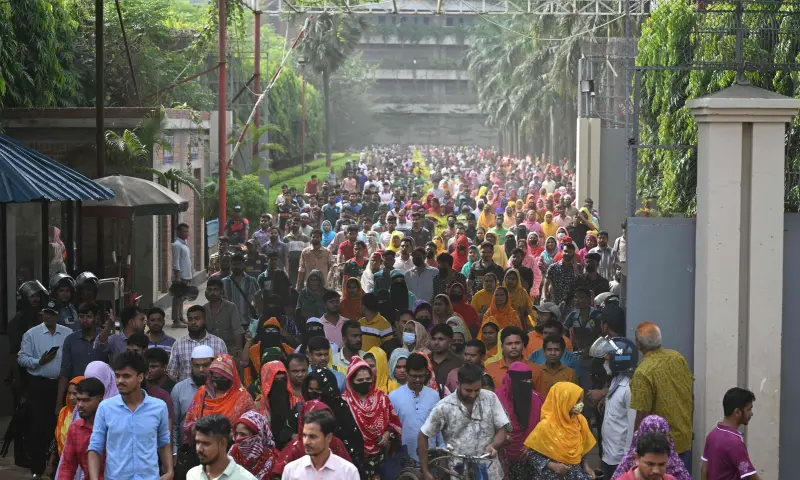 2 Nov Bangladesh garment workers protesting for higher wages clash with policeBangladesh garment workers protested in several cities on Monday, demanding a monthly minimum wage increase from 13,000 taka to 30,000 taka. The demonstrations involved blocking highways and clashing with police, leading to vandalism and use of tear gas by authorities. Despite the government’s announcement of forming a wage board for review, protesters were unsatisfied, citing rising costs and inflation.Dawn
 2 Nov Bangladesh garment factories disrupted as protests continue for third dayWorker protests over low wages and rising living costs have disrupted hundreds of garment factories in Bangladesh for three consecutive days, with thousands taking to the streets despite police use of tear gas and sound grenades. About 500 factories were temporarily closed after protests began on Saturday. In response, Prime Minister Tarique Rahman formed a wage board to review minimum wages, currently set at 12,500…Al Jazeera
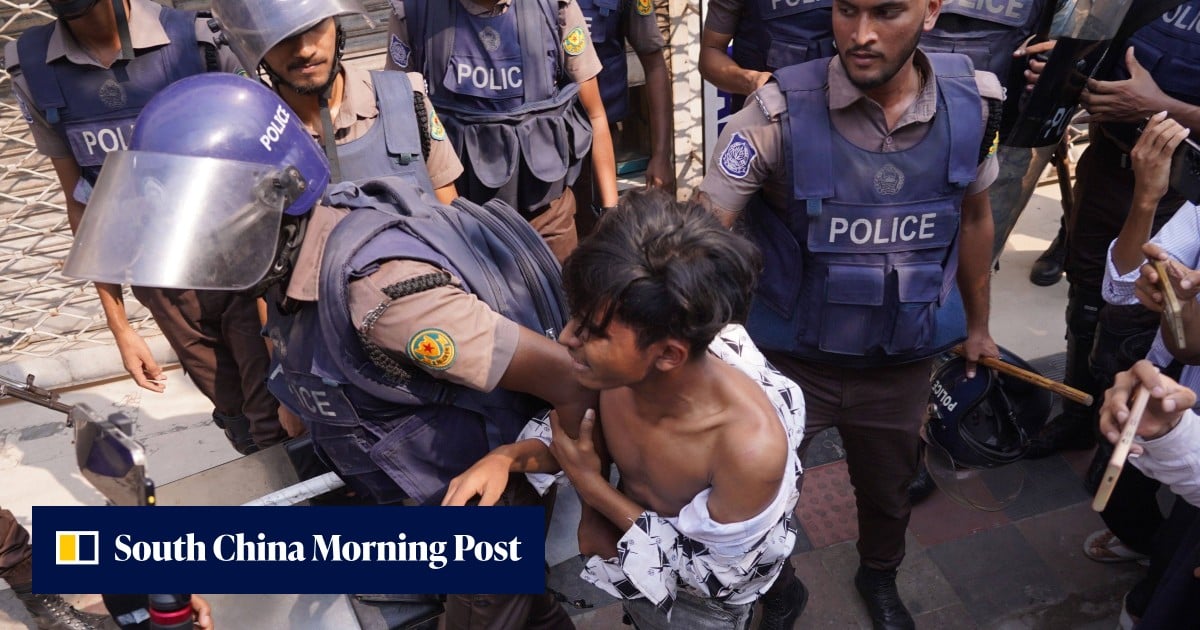 2 Nov Cheap fashion under pressure as Bangladeshi garment workers protest for pay hikeThousands of Bangladeshi garment workers protested on Monday for a significant wage increase, blocking major highways and clashing with police. The protests occurred across industrial hubs like Gazipur and Mirpur, with some workers vandalizing vehicles and others being dispersed by tear gas. With around 4 million people employed in the country’s garment sector, which contributes more than 80% of Bangladesh's export…South China Morning Post
 2 Nov Bangladesh garment factories reopen as wage protests keep industry on edgeBangladesh's garment factories reopened on Monday, November 2, 2026, following closures and production disruptions due to worker protests demanding a minimum monthly wage increase from 12,500 taka to 30,000 taka. The unrest affected around 1 million workers in 529 factories across major manufacturing hubs, raising concerns over export shipments and buyer confidence in the country’s garment industry, which employs…The Hindu
 1 Nov Bangladesh workers clash with police in protests over low payGarment workers in Dhaka, Bangladesh, clashed with police during a protest over low wages and increasing living costs. The demonstrators are part of an essential workforce that drives the country's economic engine through its thriving textile industry.Al Jazeera
 1 Nov Bangladesh forms wage board as garment workers keep up protestsOn Sunday, November 1, 2026, Bangladesh established a wage review board in response to ongoing protests by garment workers in Dhaka and surrounding areas who are demanding higher wages due to inflation. Despite the government's efforts to address the issue through dialogue with labor leaders and factory owners, thousands of workers continued their demonstrations, resulting in confrontations with police using tear…The Hindu
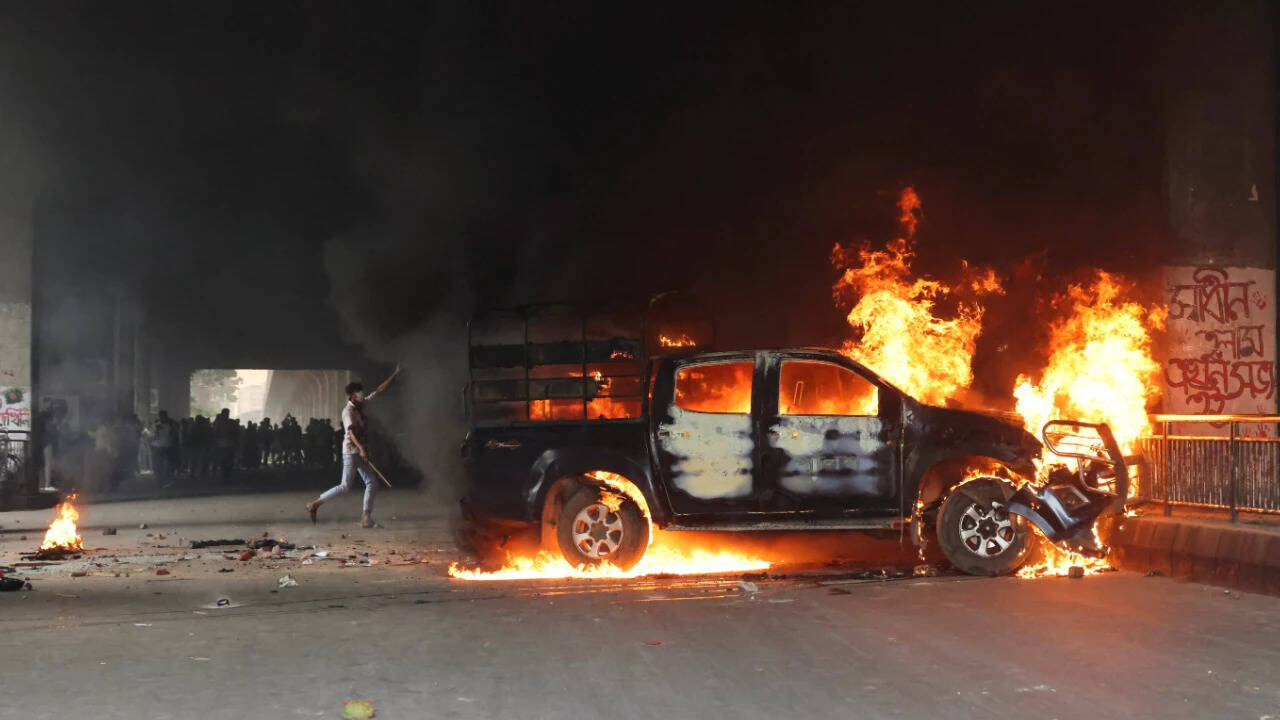 1 Nov Violent protests rock Bangladesh garment hubs as workers demand a steep pay hikeGarment workers in Bangladesh are staging violent protests demanding a significant increase in their minimum monthly wage from 12,500 taka to 30,000 taka. Clashes have occurred in industrial areas like Mirpur and Konabari, leading to vandalism and road blockages that prompted authorities to deploy police and Border Guard Bangladesh units to restore order. The protests began on Saturday and intensified over the…Times of India
 1 Nov Bangladesh forms wage board as garment workers protestBangladesh has established a new wage board to address garment workers' demands for higher wages amid ongoing protests that have led to clashes with police in Dhaka and factory closures. Workers are seeking a minimum monthly wage of 30,000 taka ($242), while the current rate is 12,500 taka ($101). The garment sector, employing millions and generating significant foreign earnings for Bangladesh, faces disruptions…Al Jazeera
Keep exploring
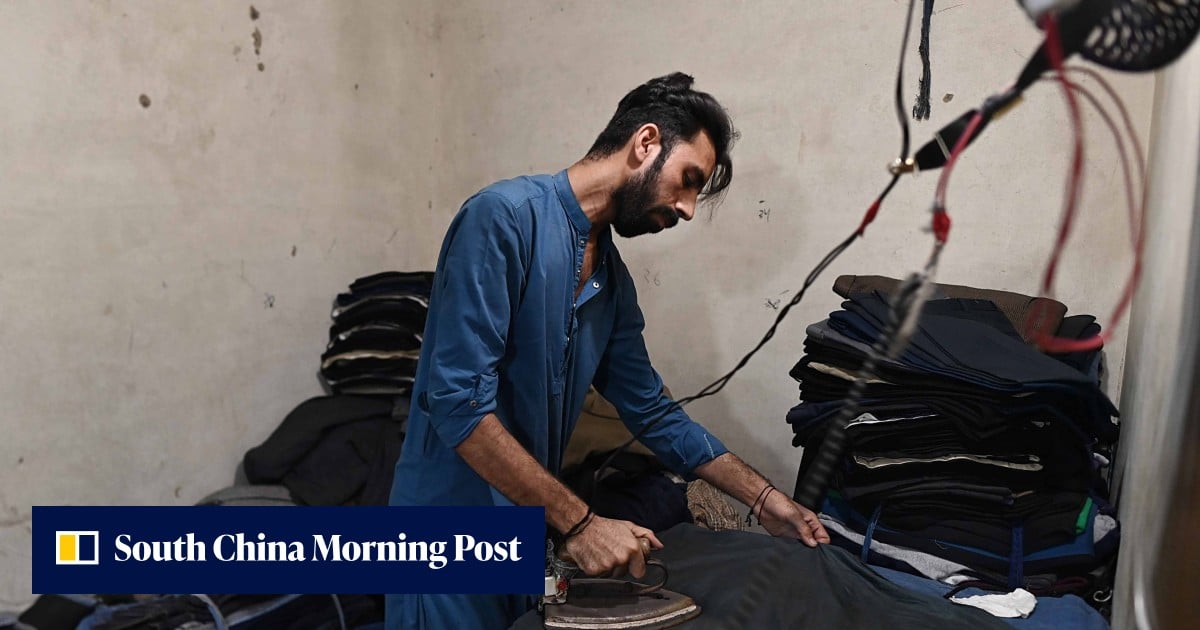 Similar coveragePakistani Factory Workers' Conditions
 Similar coverageIMF And World Bank Protests In Bangkok
 RecentUS Midterm Elections 2026 Live Updates
 RecentUS Strikes Iran Ahead Of Midterms
 RecentUS Presses Venezuela on Democratic Reforms
 RecentFlorida Private Jet Crash Investigation
 RecentUS Suspends South Africa And Rwanda From Trade Pact
 RecentJesus de Miguel Dies After Collision
 RecentJudge Dismisses Harvard Admissions Lawsuit
 RecentUK-EU Food Export Deal Finalized
Built 2026-11-03 from 10 articles. Every sentence on this page is quoted from the linked article; nothing was written by a model except the Summary and the items marked AI, which cite their sources, and the questions and labels under "Disputed". Photos are from the outlets that covered the story, never from articles our check marks sensitive.