
NASA Telescope Plunging Back to Earth
5 outlets
Each outlet's article on this story, most articles first
3 reporters
- Marcia DunnToronto Star
- Globalnews DigitalGlobal News
- Isabel KeaneThe Independent
By day
Articles per day
Cite
NASA Telescope Plunging Back to Earth. (2026, November 3). The Aporia. https://the-aporia.com/event/119576
“NASA Telescope Plunging Back to Earth.” The Aporia, 3 Nov. 2026, https://the-aporia.com/event/119576.
“NASA Telescope Plunging Back to Earth.” The Aporia, November 3, 2026. https://the-aporia.com/event/119576.
Dated the day this page was built. The link always leads to this event, even after the stories are regrouped.
Most of the 1 1/2-ton telescope is expected to burn up in the atmosphere.
What happened
The outlets' own sentences, most widely reported first. Hover or tap one to see who reported it.
The U.S. Space Force predicts the Swift Observatory will come crashing down on or around Friday.
Intense solar activity over the past few years dragged Swift down faster than usual.
Its cosmic cremation has the Swift team mourning yet full of gratitude for the observations the telescope made during its 22 years in orbit.
Swift blasted off on Nov. 20, 2004, to search for some of the biggest explosions in the universe: gamma ray bursts and supernovas.
What each outlet says
One AI summary per outlet of its latest article on this story, written from that article alone and checked against it. Open the article for the outlet's own words.
NASA's aging Swift telescope, launched in 2004 to study gamma ray bursts and supernovas, is expected to re-enter Earth's atmosphere after a failed rescue attempt by Katalyst Space. Most of the 1½-ton telescope will burn up, but some parts made from tungsten may survive and land in ocean waters or within regions including Africa, Australia, India, Southeast Asia, Central America, and South America. NASA's Swift…
NASA telescope is on the verge of plunging back to Earth after failed rescue mission →An aging NASA telescope, the Swift Observatory, is expected to reenter Earth's atmosphere within days after a failed rescue mission. Weighing 1 1/2 tons, most of it will burn up, but some parts made from tungsten and mirrors could survive and fall into the ocean or land in populated areas across Africa, Australia, India, Southeast Asia, and Central and South America. NASA’s Swift team is mourning the loss while…
NASA telescope on the verge of plunging back to Earth after failed rescue mission →An aging NASA telescope, Swift Observatory, is predicted to re-enter Earth's atmosphere on or around Friday after a failed rescue attempt. Weighing 1.5 tons, most of the telescope will burn up upon entry, but some parts made from tungsten could survive and likely land in the ocean. Potential impact zones include Africa, Australia, India, Southeast Asia, and Central and South America. Swift, launched on November 20…
NASA telescope predicted to plunge back to Earth after failed rescue mission →NASA's Neil Gehrels Swift Observatory, a 1.5-ton telescope that has been in orbit for 22 years studying gamma-ray bursts and supernovas, is expected to crash back to Earth this week due to orbital decay accelerated by recent intense solar activity. While most of the telescope will burn up upon re-entry, some parts may survive and likely land in the ocean within a wide reentry zone covering Africa, Australia, India…
Decades-old NASA telescope heading back to Earth — to crash →NASA reports that its Swift Observatory, which has been orbiting Earth since November 2004, is expected to re-enter the atmosphere on Wednesday around 3:30 a.m. EST, with an uncertainty of 11 hours. The telescope, weighing approximately 3,200 pounds, will likely disintegrate upon entry, though some parts may survive and land in oceans or uninhabited areas. NASA estimates that there is a 1 in 2,100 chance of harm…
NASA telescope is plunging back to Earth after 22 years in orbit →Analysis
Agreed
Reported by outlets on both sides of the middle
Its final tally: more than 2,000 gamma ray bursts and 1,400 exploding stars, not to mention a slew of comets, asteroids and star-shredding black holes.
Show 2 more
The telescope’s superpower was its ability to swivel swiftly — thus its name — toward erupting celestial events.
NASA considered Swift a first responder for the Hubble and Webb space telescopes and others that would follow its alerts and provide deeper investigations.
Disputed
Picked by our model, which is sometimes wrong
No disagreement the check could confirm. That does not prove there is none.
Framing
How the first headlines put it
How it changed
- 31 Oct
Intense solar activity over the past few years dragged Swift down faster than usual.
- 1 Nov
The U.S. Space Force predicts the Neil Gehrels Swift Observatory will crash down soon — likely on or around Friday — following a failed rescue effort of the 1.5-ton telescope.
- 2 Nov
The space agencyMost of the 1 ½-ton telescope is expected to burn up in the atmosphere.
Coverage 5 articles
Suggested from 5 outlets: the fullest account of the event, no political position was found in its wording and its publisher is declared as reporting rather than commentary.
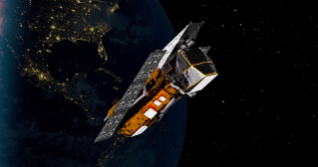 2 Nov NASA telescope is plunging back to Earth after 22 years in orbitNASA reports that its Swift Observatory, which has been orbiting Earth since November 2004, is expected to re-enter the atmosphere on Wednesday around 3:30 a.m. EST, with an uncertainty of 11 hours. The telescope, weighing approximately 3,200 pounds, will likely disintegrate upon entry, though some parts may survive and land in oceans or uninhabited areas. NASA estimates that there is a 1 in 2,100 chance of harm…CBS News
1 Nov Decades-old NASA telescope heading back to Earth — to crashNASA's Neil Gehrels Swift Observatory, a 1.5-ton telescope that has been in orbit for 22 years studying gamma-ray bursts and supernovas, is expected to crash back to Earth this week due to orbital decay accelerated by recent intense solar activity. While most of the telescope will burn up upon re-entry, some parts may survive and likely land in the ocean within a wide reentry zone covering Africa, Australia, India…The Independent
- 31 Oct NASA telescope predicted to plunge back to Earth after failed rescue missionAn aging NASA telescope, Swift Observatory, is predicted to re-enter Earth's atmosphere on or around Friday after a failed rescue attempt. Weighing 1.5 tons, most of the telescope will burn up upon entry, but some parts made from tungsten could survive and likely land in the ocean. Potential impact zones include Africa, Australia, India, Southeast Asia, and Central and South America. Swift, launched on November 20…CBC
 31 Oct NASA telescope on the verge of plunging back to Earth after failed rescue missionAn aging NASA telescope, the Swift Observatory, is expected to reenter Earth's atmosphere within days after a failed rescue mission. Weighing 1 1/2 tons, most of it will burn up, but some parts made from tungsten and mirrors could survive and fall into the ocean or land in populated areas across Africa, Australia, India, Southeast Asia, and Central and South America. NASA’s Swift team is mourning the loss while…Global News
 31 Oct NASA telescope is on the verge of plunging back to Earth after failed rescue missionNASA's aging Swift telescope, launched in 2004 to study gamma ray bursts and supernovas, is expected to re-enter Earth's atmosphere after a failed rescue attempt by Katalyst Space. Most of the 1½-ton telescope will burn up, but some parts made from tungsten may survive and land in ocean waters or within regions including Africa, Australia, India, Southeast Asia, Central America, and South America. NASA's Swift…Toronto Star
Keep exploring
 RecentStabbing of NYC Jogger Probed
 RecentTrump's Final Midterm Pitch at Reflecting Pool
 RecentFlorida Learjet Crash Investigation
 RecentLindsay Clancy Returns To Court For Hearing
 RecentHaley Stevens Endorses Mike Rogers
 RecentSavannah Guthrie Pleads Mom Missing
 RecentJack Campbell Neck Injury Update
 RecentKherson Ceasefire Ends
 RecentTrump Asks Supreme Court To Block Ballots
 RecentRussian Bombing Kills 24 in Ukraine
Built 2026-11-03 from 5 articles. Every sentence on this page is quoted from the linked article; nothing was written by a model except the Summary and the items marked AI, which cite their sources, and the questions and labels under "Disputed". Photos are from the outlets that covered the story, never from articles our check marks sensitive.