The Aporia
The Newspaper's Staff Reporter. (2026, October 22). Lahore Gymkhana’s low rent attributed to ‘decades of oversight failures’. Dawn. https://www.dawn.com/news/2038849/lahore-gymkhanas-low-rent-attributed-to-decades-of-oversight-failures
The Newspaper's Staff Reporter. “Lahore Gymkhana’s low rent attributed to ‘decades of oversight failures’.” Dawn, 22 Oct. 2026, https://www.dawn.com/news/2038849/lahore-gymkhanas-low-rent-attributed-to-decades-of-oversight-failures.
The Newspaper's Staff Reporter. “Lahore Gymkhana’s low rent attributed to ‘decades of oversight failures’.” Dawn, October 22, 2026. https://www.dawn.com/news/2038849/lahore-gymkhanas-low-rent-attributed-to-decades-of-oversight-failures.
Dated from the outlet's own feed. Check the original for its byline.
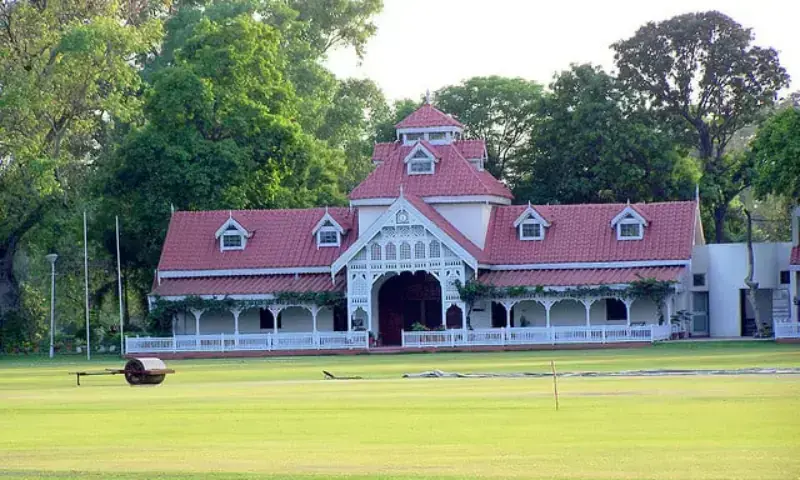
The Punjab Assembly's special committee, chaired by MPA Samiullah Khan, criticized decades of government oversight failures regarding the Lahore Gymkhana Club’s low rent for over 100 acres of prime state land in Lahore. The club currently pays Rs5,000 annually but should be paying at least Rs10 million, according to club chairman Salman Siddique, who admitted the current rate is inadequate given the improved financial standing of the club. A fact-finding committee was assigned to frame specific queries, verify records, and present a comprehensive report within ten days. Committee members emphasized the need for public institutions to protect state land and enforce lease terms effectively.
Contrasting the institution’s current financial standing with its constraints during the 1990s, he admitted that the club should be paying at least Rs10 million annually, while expressing willingness to cooperate with the ongoing inquiry and share records.
Committee members noted that this admission from the club’s own top leadership underscored the urgency of determining why successive state authorities allowed such a massive concession to persist without meaningful scrutiny.
Lawmakers demanded the complete documentary record detailing the legal authority and approval process behind the 1996 lease deed.
Members questioned the state’s failure to secure a fair public return on an asset of this scale and firmly rejected any notion that the club’s internal corporate governance shielded it from state oversight, maintaining that institutional autonomy cannot supersede accountability for public property.