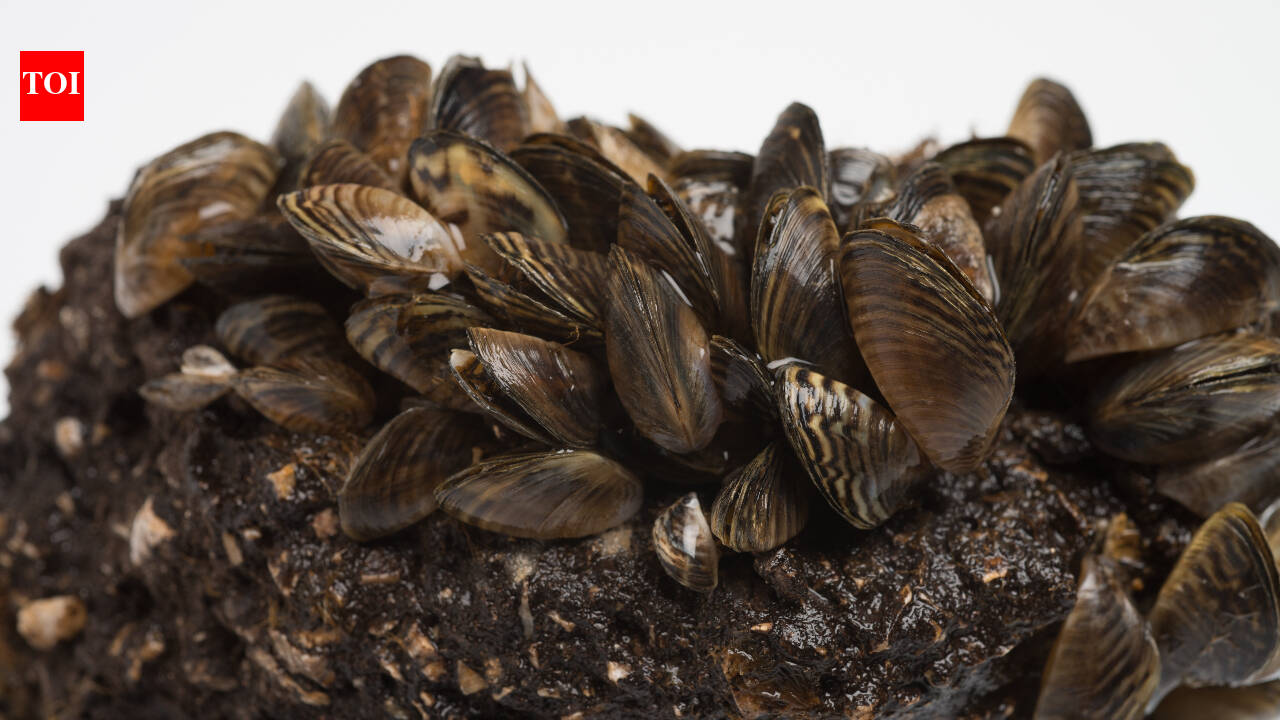
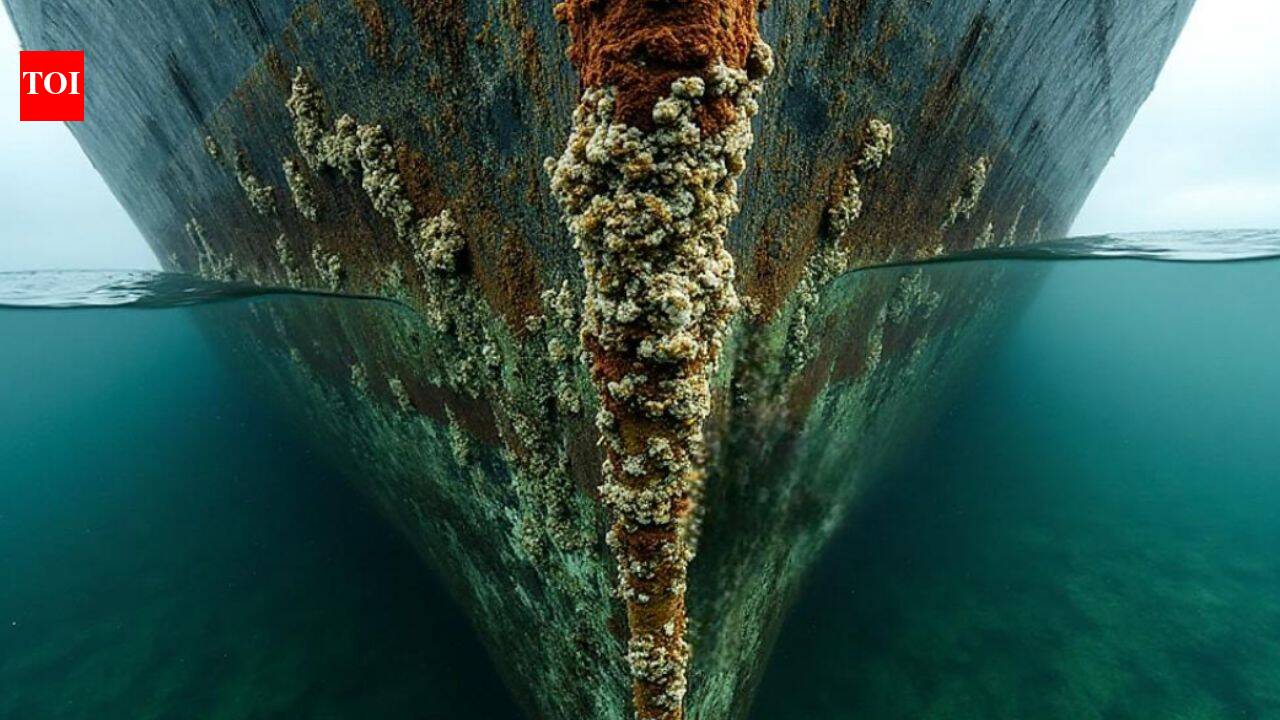
Once established, the invasive shellfish can blanket lakebeds, crowd out native species and alter the communities that depend on them.
asserted
that → establish → them
Scientists in Michigan are now testing a surprisingly simple idea: cover the lakebed and turn up the carbon dioxide underneath.
asserted
Scientists → test → dioxide
A 2024 experiment at Loon Lake in Sleeping Bear Dunes National Lakeshore tested whether carbon dioxide could make benthic mats—a kind of heavy, flexible cover placed over the lake bottom—more effective at killing zebra mussels.
uncertain
mats → test → mussels
The results suggest that the combination can work considerably faster than mats alone.
asserted
combination → suggest → mats
Testing the mats in Loon Lake
asserted
Testing → test → Lake
Researchers from the U.S. Geological Survey divided three areas of Loon Lake into treatment and reference plots.
asserted
Researchers → divide → plots
Each treatment area measured 4 by 4 meters, while the mats themselves were slightly larger to ensure that the lakebed was covered.
asserted
lakebed → measure → meters
The scientists tested two approaches.
asserted
scientists → test → approaches
One used a polyethylene mat the experimental plots before treatment began.
asserted
treatment → use → mat
They then with a vinyl coating, anchored to the bottom with sandbags and weights.
asserted
They → anchor → sandbags
The second used an identical mat, but with carbon dioxide-infused water pumped underneath it.
asserted
second → use → it
To measure the effects, researchers placed roughly 360 zebra mussels in cages across the experimental plots before treatment began.
asserted
treatment → measure → plots
They then left the mats in place for five days before removing them and assessing mussel survival and the surrounding aquatic community.
asserted
They → leave → survival
Carbon dioxide and pH measurements
The ordinary mat did have an effect, but adding carbon dioxide produced a much stronger result.
asserted
adding → have → result
Under the carbon dioxide mats, concentrations reached levels close to 200 milligrams per liter, with pH measurements indicating sustained exposure during the treatment period.
asserted
measurements → reach → period
After five days, more than 80 percent of the caged zebra mussels in the carbon dioxide plots had died.
asserted
percent → cage → plots
Researchers also found very few zebra mussels in the carbon dioxide and ordinary mat plots after treatment, with the lowest survival occurring where carbon dioxide had been introduced.
asserted
dioxide → find → treatment
The approach is based partly on earlier laboratory research suggesting that carbon dioxide can be more harmful to zebra mussels than to some native freshwater mussels.
asserted
dioxide → base → mussels
That selectivity matters.
asserted
selectivity → matter → ?
Eliminating an invasive species is of limited value if the treatment causes comparable damage to native wildlife.
asserted
treatment → eliminate → wildlife
Previous experiments found that certain native unionid mussels could survive carbon dioxide exposures that were lethal to zebra mussels, although prolonged exposure could affect growth and tissue condition.
uncertain
exposure → find → growth
The Michigan study therefore explored carbon dioxide as a potential selective toxin, using the mat to keep the treatment concentrated near the lakebed rather than dispersing it throughout the surrounding water.
asserted
study → explore → water
Native life still needs watching
The results were encouraging, but the treatment was not without ecological effects.
asserted
treatment → watch → effects
Researchers recorded lower total numbers of benthic macroinvertebrates—the small, tying up equipment and treatment areas for longer periods.
asserted
Researchers → record → periods
If carbon dioxide can achieve high zebra mussel mortality in just a few days, the same equipment could potentially be moved animals living on or near the lakebed—in both types of mat plots compared with reference areas.
uncertain
equipment → achieve → areas
Interestingly, however, overall diversity remained comparable among the treatments.
asserted
diversity → remain → treatments
That finding points to an important question for future work: whether carbon dioxide treatment can be refined enough to kill zebra mussels while minimizing disruption to other organisms living in the same habitat.
asserted
treatment → point → habitat
Conventional benthic mats can require extended deployment, tying up equipment and treatment areas for longer periods.
asserted
mats → require → periods
If carbon dioxide can achieve high zebra mussel mortality in just a few days, the same equipment could potentially be moved and redeployed multiple times.
uncertain
equipment → achieve → days
The researchers say improvements to the carbon dioxide delivery system could also expand the area that can be treated at once.
uncertain
that → say → area
But it offers an intriguing new tool for managing zebra mussels: instead of relying solely on a physical barrier, scientists can transform the space beneath the mat into a short-lived, hostile environment for one of freshwater's most persistent invaders.
asserted
scientists → offer → invaders
 The Aporia