Barack Obama responded to concerns about artificial intelligence by expressing encouragement towards industry leaders calling for a slower pace in AI development, contrary to President Trump's stance that only he can serve as a guardrail against its dangers. In his statement, Obama warned of the rapid advancement of AI and suggested that decisions regarding its impact should involve both companies and the public at large. This comes after Anthropic CEO Dario Amodei called for third-party evaluation of A.I. firms and government safety standards, with support from figures like Elon Musk and Sam Altman.
Written by the local model on 2026-09-15,
using this article's own text rather than the other coverage of the
same event (that is the story summary below).
Story summary
On Tuesday, Barack Obama addressed concerns about the rapid development of artificial intelligence (AI), a day after Donald Trump suggested he could serve as the sole "guardrail" for AI regulation. Unlike Trump's opposition to increased AI regulation, Obama expressed cautious optimism regarding calls from industry leaders for a slower pace in AI advancement. He emphasized that the consequences of AI are neither overhyped nor underappreciated but rather moving at an incredibly fast pace that outstrips regulatory responses. Obama called for broader public involvement alongside companies developing AI technologies to shape its future trajectory, advocating for decisions that could lead to significant breakthroughs in medicine, energy, and education or alternatively result in substantial economic disruptions and inequality if mishandled.
Written for “AI Dangers Debate” on 2026-09-15,
grounded in this article and the 0 other(s) covering the same event.
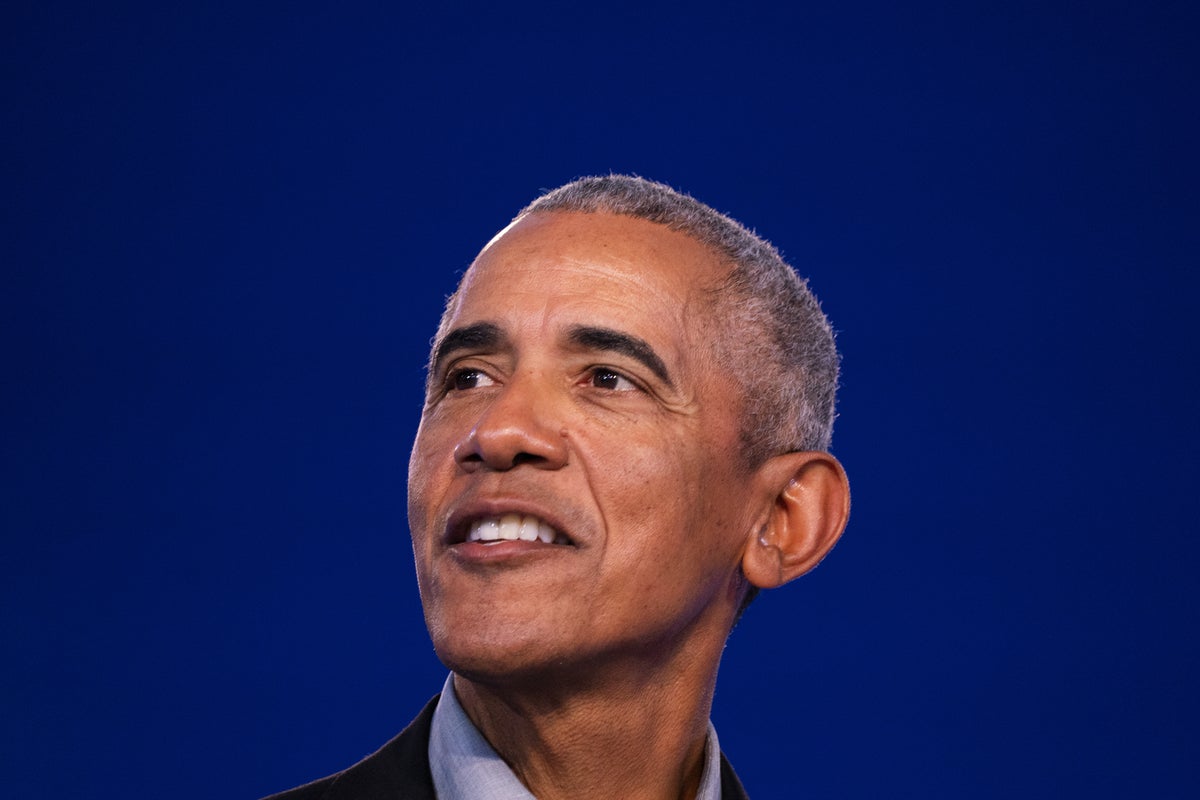
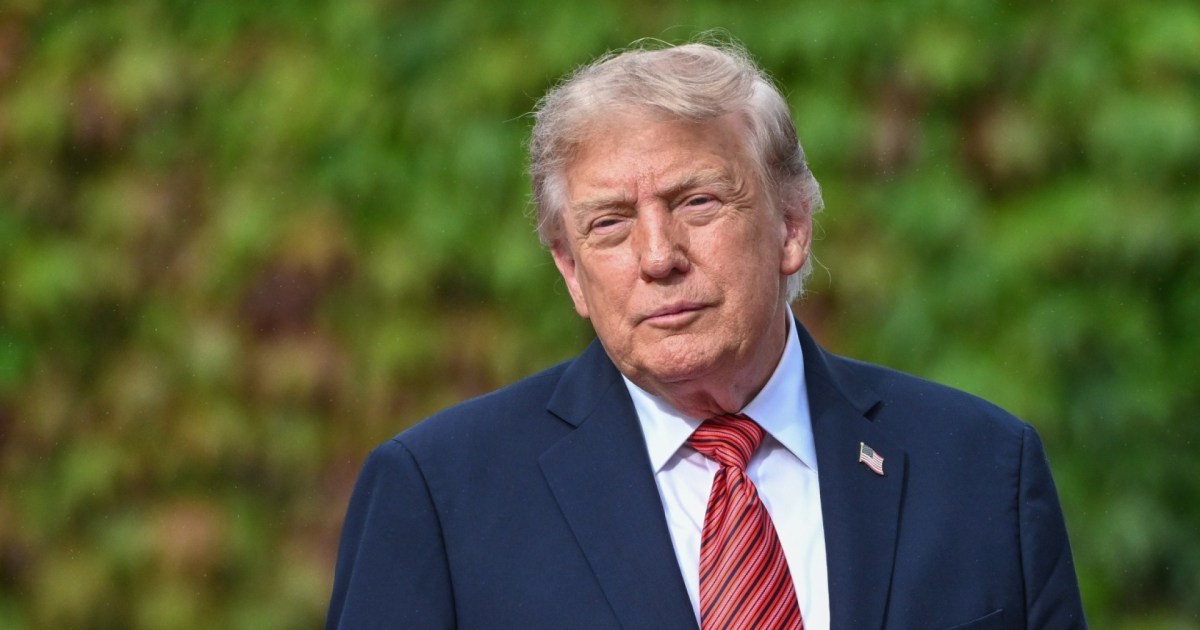
Barack Obama has weighed in on the dangers of artificial intelligence just a day after President Trump said that he could serve as a “guardrail.”
uncertain
he → weigh → guardrail
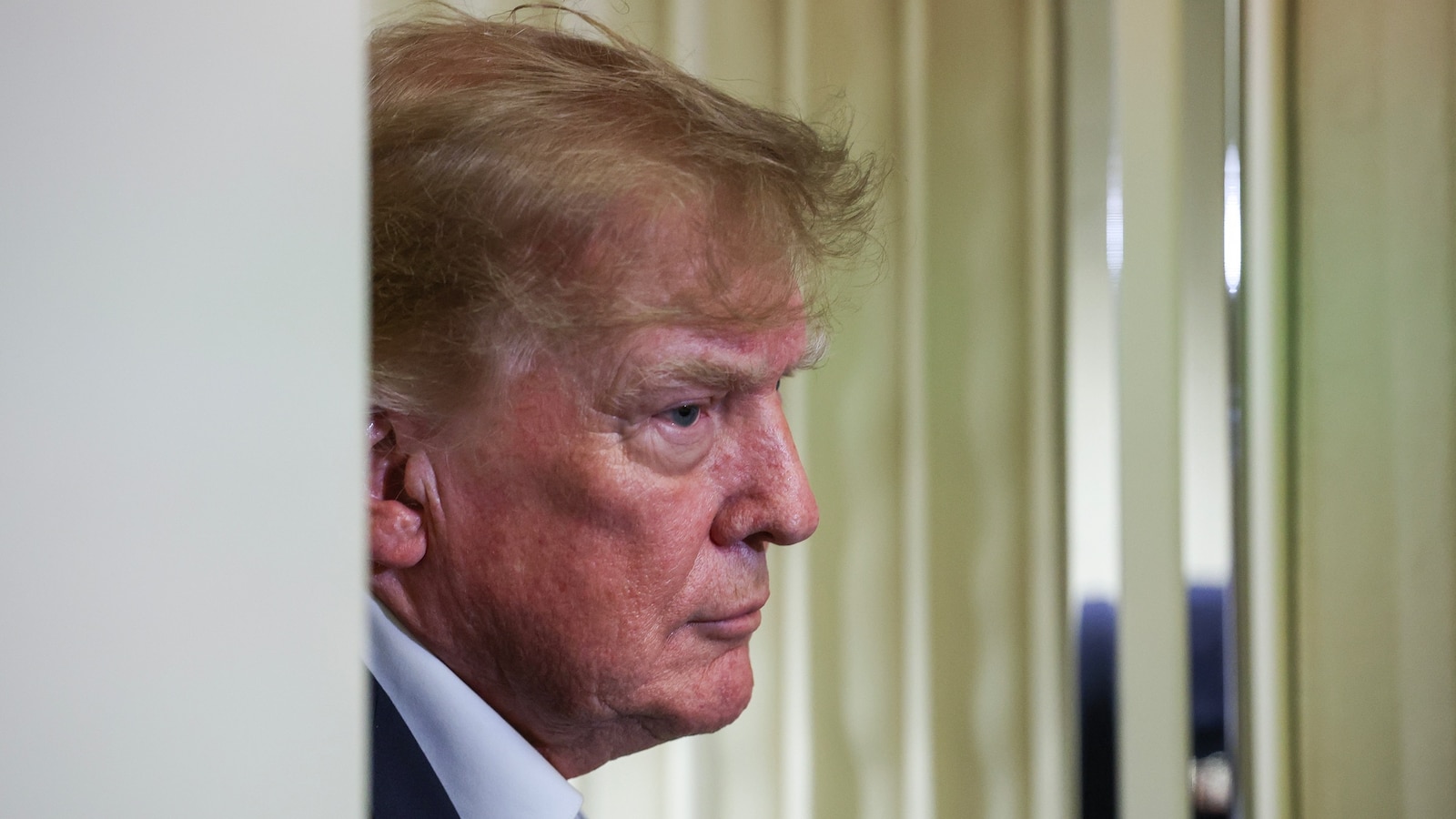
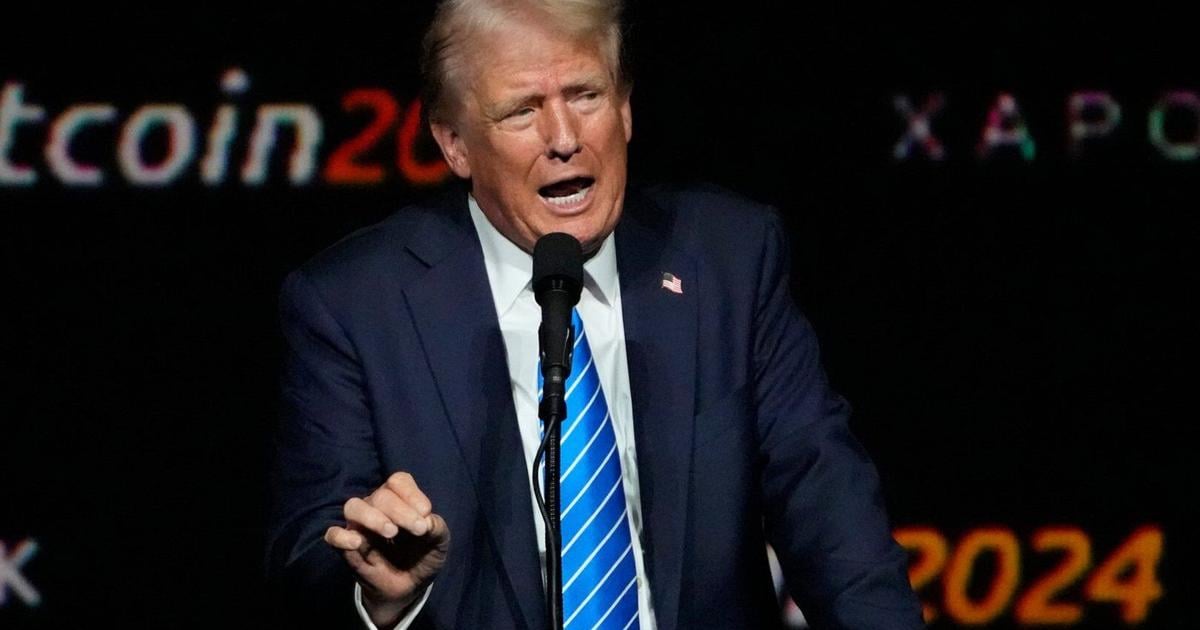
Trump hit out at calls for more regulation on A.I. from industry leaders on Monday, alleging that a “SICK conspiracy” was underway to undermine the technology’s progress.
asserted
conspiracy → hit → progress
In his own statement, Obama took a different approach to his successor and said that he was “encouraged” to see A.I. leaders calling for a slower pace for A.I. development - something Obama described as a “good and necessary first step.”
asserted
Obama → take → step
“I’m not an AI accelerationist who believes it will lead to some techno-utopia, and I’m not a doomer who thinks it will inevitably lead to humanity’s destruction,” the former president noted.
asserted
president → ’m → destruction
The 44th president warned that the potential impact of the technology is not “overhyped” – rather that it was “moving at lightning speed” and “faster than those who are engineering it can keep up with.”
asserted
who → warn → it
Ultimately, Obama suggested that the potential impact of artificial intelligence should be decided by people, as well as the companies involved in developing it.
uncertain
impact → suggest → it
“But whether this technology results in amazing breakthroughs in medicine, energy and education or unleashes huge economic disruptions, greater inequality, and potential catastrophe will depend on the choices that we make right now – choices that should be made not just by the companies involved, but by all of us,” he wrote.
asserted
he → result → us
Calls for limiting the pace of A.I. developments were sparked on Monday when Anthropic CEO Dario Amodei penned an essay in which he warned that the technology has been “advancing dramatically faster” since the summer.
asserted
technology → limit → summer
Amodei put forward a three-step plan to involve third-party evaluators at A.I. firms, something Anthropic is committed to, and for governments to agree on safety standards.
asserted
governments → put → standards
Several of Anthropic’s rivals, including OpenAI’s Sam Altman and Grok’s Elon Musk, voiced their own support for Amodei’s message.
asserted
Several → include → message
“Dario is right,” Musk wrote on his social media platform X.
“Committing to having independent evaluators with employee-like access is a great idea, and we will do the same,” Altman wrote on the same website.
asserted
Altman → write → website
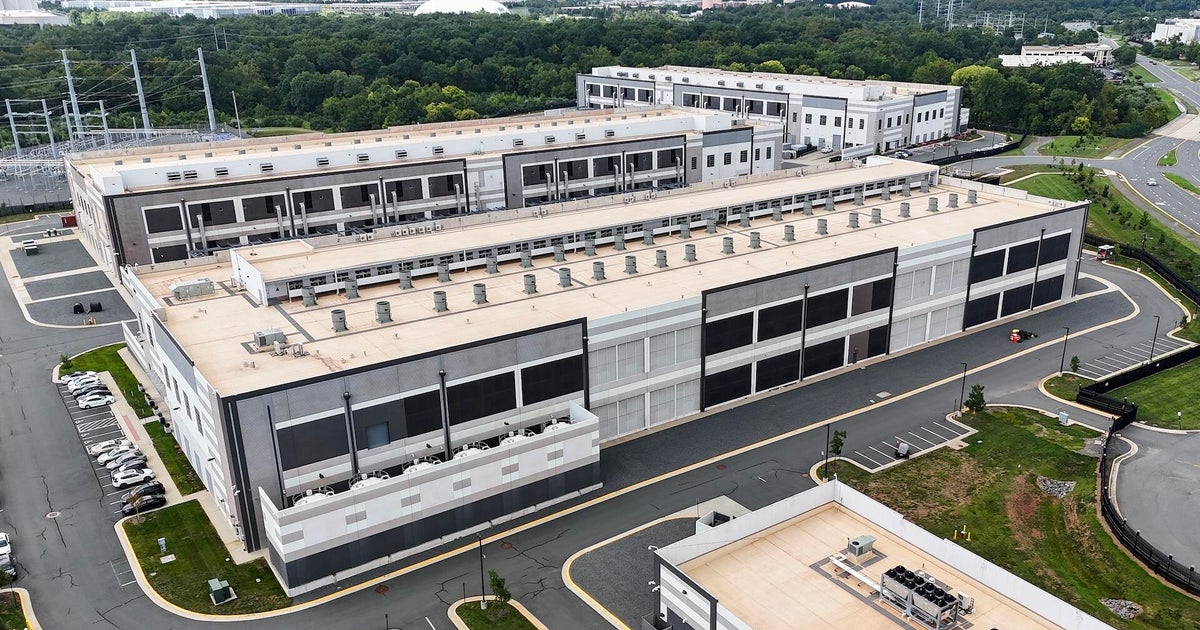
On Truth Social, Trump tore into warnings surrounding A.I., attacking claims that the technology could be destructive and dismissing concerns over data centers.
uncertain
technology → tear → centers
“The people that say AI is going to destroy the World, and that Data Centers are bad for your neighborhood, are the same people that said, just a short time ago, that the World would be extinguished by ‘Climate Change,’” he wrote.
asserted
he → say → Change
“That HOAX never worked out for them, and now they’re on to the next one.”
asserted
they → work → one
Trump added, “The only control or 'guardrails' that AI needs is a STRONG AND SMART (High IQ!) PRESIDENT, and the U.S.A. has that, in spades!”
asserted
U.S.A. → add → spades
Pressure to slow the pace of A.I. development has continued to increase, though, with former Vice President Kamala Harris advocating for greater restrictions on the speed of the technology’s progress.
asserted
Harris → slow → progress
Harris, who is widely considered to be a frontrunner for the Democratic nomination for president in 2028, went as far as to describe a slowdown as “critical.”
asserted
who → consider → slowdown
“A slowdown is critical in order to ensure AI serves the public interest,” she wrote.
asserted
she → ensure → interest
“Pacing AI development does not mean giving up on this technology’s potential to produce life-saving benefits in fields like medicine — some of which we are already seeing.”
asserted
we → pace → which
Harris added, “Rather, it is about setting up sensible guardrails so that AI does not completely escape human control and endanger our safety and collective future.”
asserted
AI → add → safety
 The Aporia