Claims extracted
18
sentences that state something as happening or true
Uncertain
17%
3 of 18 hedged
("reportedly", "may", "according to")
Leaning
withheld
no quote in the article backed the model's score
Publisher signals
95/100
NBC News's corrections and
hedging, across everything collected from it. Not a measure of accuracy.
Outlets on this story
2
Health
Same framing elsewhere
1
articles that frame the event the way this one does
The number of parents in the U.S. choosing not to vaccinate their children rose dramatically in the last school year, according to data released Monday by the Centers for Disease Control and Prevention.
uncertain
number → choose → Control
All states require certain vaccines for children entering public school.
asserted
states → require → school
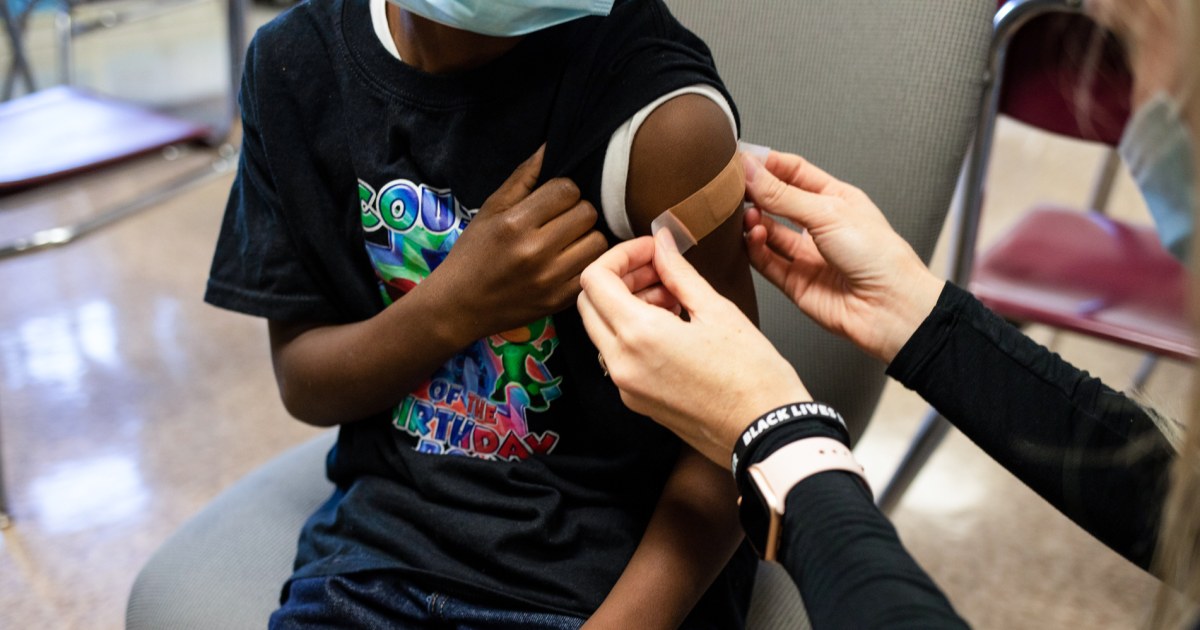
During the 2025-26 school year, 4.2% of kindergartners, about 155,000 kids, had at least one vaccine exemption, up from 3.6% the previous school year.
asserted
% → have → %
The vast majority of those exemptions were labeled as “non-medical,” meaning that parents or caregivers were opting out of the shots for personal or religious, rather than health, reasons.
asserted
parents → label → reasons
Medical exemptions remained stable at 0.2%.
asserted
exemptions → remain → %
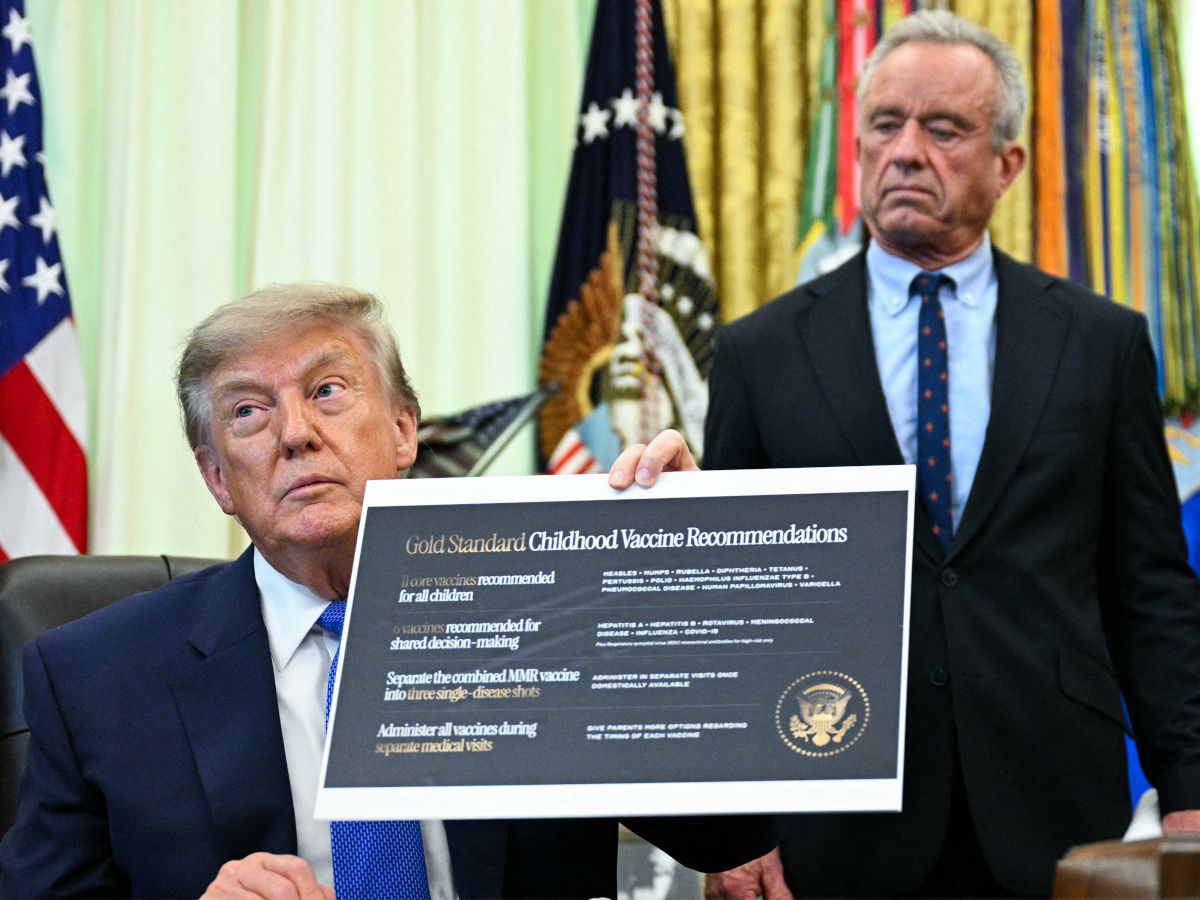
Last week, President Donald Trump signed an executive order to drive down the number of vaccines recommended for kids, a move that drew widespread criticism from pediatricians and public health advocates.
However, the new data reflects a trend of families resisting school vaccine requirements that began during the height of the Covid pandemic.
Forty-one states and Washington, D.C., reported increases in exemptions, according to the CDC.
The rise is “disappointing, but not surprising,” said Dr. David Margolius, director of the Cleveland Department of Public Health.
uncertain
Margolius → sign → Health
“It’s indicative of the lack of clear messaging at the national level about vaccines.”
asserted
It → ’ → vaccines
Ohio’s vaccine exemption rate was at 5.7%, according to the CDC data, up from 4.7% the year before.
uncertain
rate → accord → %
Routine vaccination coverage for kindergartners dropped to 92% for the shot that protects against diphtheria, tetanus and whooping cough (DTaP), and 92.4% for the measles-mumps-rubella (MMR) vaccines.
asserted
that → drop → vaccines
That’s far lower than the 95% of the community that medical experts say need to be vaccinated against measles to prevent outbreaks.
asserted
experts → ’ → outbreaks
This year marked a 35-year high in the nation’s number of measles cases.
asserted
year → mark → cases
As of Monday, the country had logged 2,566 cases in 2026 alone, with ongoing outbreaks in several states, including Ohio, Pennsylvania and Utah.
asserted
country → log → Ohio
The continued spread threatens the nation’s status of having eliminated measles from circulation achieved in 2000.
asserted
spread → continue → 2000
The Pan American Health Organization is expected to make a decision on that in November.
asserted
Organization → expect → November
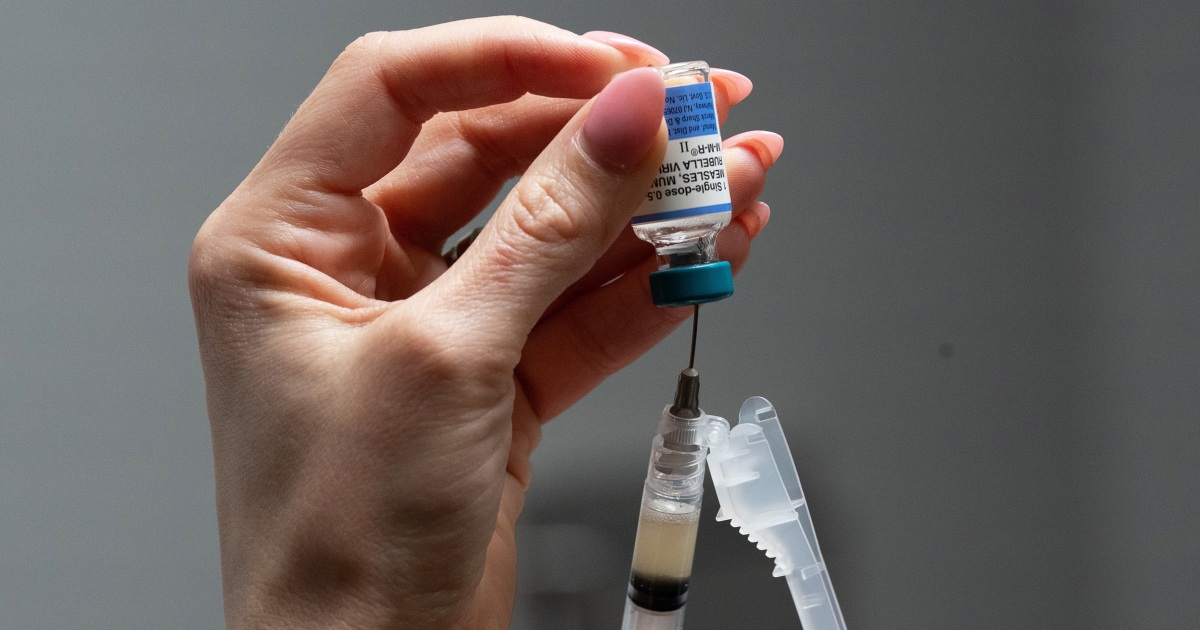
Two doses of the MMR vaccine offer 97% protection against measles, usually for life.
asserted
doses → offer → life
The number of kindergartners without a record of having both of those shots before school was about 280,000 last year, the CDC said.
asserted
CDC → have → school
Nearly all people diagnosed with measles this year, 93%, were unvaccinated.
asserted
people → diagnose → measles
In a statement to the media, the CDC said it “continues to encourage parents to discuss vaccination options with their doctors.”
asserted
it → say → doctors
 The Aporia