Norah O'Donnell: What I learned from my melanoma diagnosis

Read the original at CBS News ↗
Cite

O'Donnell, N. (2026, October 21). Norah O'Donnell: What I learned from my melanoma diagnosis. CBS News. https://www.cbsnews.com/news/melanoma-skin-cancer-dermatologist-norah-odonnell-healthful/

Dated from the outlet's own feed. Check the original for its byline.

CBS News · collected 2026-10-21 · by Norah O'Donnell analysis

Quick Summary

Norah O'Donnell discusses her personal experience with melanoma, the deadliest form of skin cancer, which she discovered during a routine dermatologist appointment ten years ago. She emphasizes preventive measures such as seeking shade and using UV protective clothing after learning about the risks from Dr. Elizabeth Hale, who is also the senior vice president at the Skin Cancer Foundation. The article highlights that around 20% of Americans will be diagnosed with skin cancer, which is more common among young women due to increased exposure to tanning beds and sunburns.
Written locally by qwen2.5:14b on 2026-10-21, using this article's own text rather than the other coverage of the same event (that is the story summary below).

AI analysis runs on qwen2.5:14b, locally

Story summary

Norah O'Donnell, the CBS News anchor, revealed in a recent article that she was diagnosed with melanoma, the deadliest form of skin cancer, ten years ago during a routine dermatologist appointment. Dr. Elizabeth Hale, senior vice president at the Skin Cancer Foundation and board-certified dermatologist, caught it early and removed it before it could spread. O'Donnell now emphasizes sun protection measures like seeking shade and wearing UV-protective clothing due to her history of frequent outdoor activities and past use of tanning salons in Texas.

According to the Skin Cancer Foundation, approximately 20% of Americans will be diagnosed with skin cancer at some point in their lives. The foundation also reports that more people are diagnosed annually with skin cancer than all other cancers combined in the U.S. Dr. Hale stresses that skin cancer is "the most preventable" and "almost always curable," especially when detected early.

Written for “Norah O'donnell's Cancer Journey” on 2026-10-21, grounded in this article and the 0 other(s) covering the same event.

Story

📰 Norah O'donnell's Cancer Journey
Health · 1 article(s) covering the same event.

Compared with similar articles

This article reads unscored and hedges 12% of its claims. Each row says how that neighbour differs.
CBS News
⚖️ leaning not scored 🔴 0% hedged 0 of 3 📰 publisher trust 66
“While both articles discuss Norah O'Donnell's melanoma diagnosis, Article A focuses on her personal experience and lessons learned, while Article B is about a discussion with her dermatologist on prevention and trends. They cover related topics but are not describing the same specific event.”
How this article was measured signals, leaning charts, publisher record, byline, topics and claims

Signals How these are calculated →

Claims extracted
43
sentences that state something as happening or true
Uncertain
12%
5 of 43 hedged ("reportedly", "may", "according to")
Leaning
not political
takes no side on a contested political question
Publisher signals
66/100
CBS News's corrections and hedging, across everything collected from it. Not a measure of accuracy.
Outlets on this story
1
Health
Same framing elsewhere
1
articles that frame the event the way this one does
Analyzed 2026-10-21 · how these are computed

How this is being covered How these are calculated →

Article leaning vs. publisher reliability
Source leaning vs. consistency

Publisher

CBS News · 3405 article(s) · 6 correction(s) detected
Running correction rate · 6 correction(s)

Who wrote this

Norah O'Donnell
11 article(s) here · 1 carrying a prediction
🔮 Around 20% of Americans will be diagnosed with skin cancer.
🔮 Already there is significant scientific research showing mammograms paired with AI evaluations "can find cancer up to five years earlier," she said, by detecting warning signs in women that might be missed with just mammograms alone.
🔮 I will tell you that at the White House, White House is the safest place on Earth."
🔮 How would you describe the current threat environment in this country?
🔮 According to the American Cancer Society, 321,910 women in the U.S. will be newly diagnosed with invasive breast cancer in 2026.
2026-10-07 · assertive framing · What younger women need to know about breast cancer
🔮 If you show up to your doctor, they may not have an understanding of how things are different for women than men."
🔮 Seven out of 10 American women will have osteopenia or osteoporosis in their lifetime, and statistics show that bone conditions predominantly affect women more than men, especially menopausal and postmenopausal women.
🔮 But they wouldn't tell us exactly what they wanted to do," Eagle said.
🔮 All this agricultural land will look like what?
2026-09-20 · assertive framing · 60 Minutes Transcript: The data center uproar
🔮 Lucas said the reason was his strong desire to honor illustrators: "I did tours of major museums, and the director would say, 'Well, I hear you're building a museum.
Also by Norah O'Donnell
Nothing else under this byline is closely related to this article, so these are simply their most recent.
All 11 articles by Norah O'Donnell →

Topics

Americans CompleteSkinMD Texas U.S. the Skin Cancer Foundation

Subjects

Hale PERSON · 11× the Skin Cancer Foundation ORG · 2× Americans NORP · 1× CompleteSkinMD ORG · 1× Elizabeth Hale PERSON · 1× FDA ORG · 1× New York City GPE · 1× Texas GPE · 1× U.S. GPE · 1× the United States GPE · 1×

Narrative

Basal cell carcinoma also doesn't metastasize into deadlier forms of skin cancer but dermatologists will still recommend the tumor or mole be removed, as "they can start eating away through the skin into the underlying structure" if left unattended.
framing: assertive · carried by 1 article(s) · first seen 2026-10-21
🔮 Around 20% of Americans will be diagnosed with skin cancer.
2026-10-21 · CBS News
Norah O'Donnell: What I learned from my melanoma diagnosis · assertive framing

Claims (43 extracted, 5 hedged)

Ten years ago, I was at a routine dermatologist appointment when my doctor found two concerning spots on my back. asserted
doctor → find → back
Soon after, Dr. Elizabeth Hale told me my biopsy revealed I had , the deadliest form of skin cancer. asserted
I → tell → cancer
Thankfully, Hale caught it early and removed it before the cancer spread. asserted
cancer → catch → it
It was a wake-up call. asserted
It → wake → ?
Now, when I spend time in the sun, I seek out the shade, wear UV protective clothing, and consistently reapply broad spectrum . asserted
I → spend → clothing
Growing up in Texas, I spent a lot of time outdoors and got sunburned. asserted
I → grow → time
One of my biggest regrets was going to tanning salons. asserted
One → go → salons
Around 20% of Americans will be diagnosed with skin cancer. asserted
% → diagnose → cancer
According to the Skin Cancer Foundation, where Hale is the senior vice president, more people are diagnosed with skin cancer each year in the U.S. than all other cancers combined. uncertain
people → accord → cancers
But Hale wants people to know that skin cancer is also "the most preventable," and "it's almost always curable." Hale is a board-certified dermatologist. asserted
Hale → want → ?
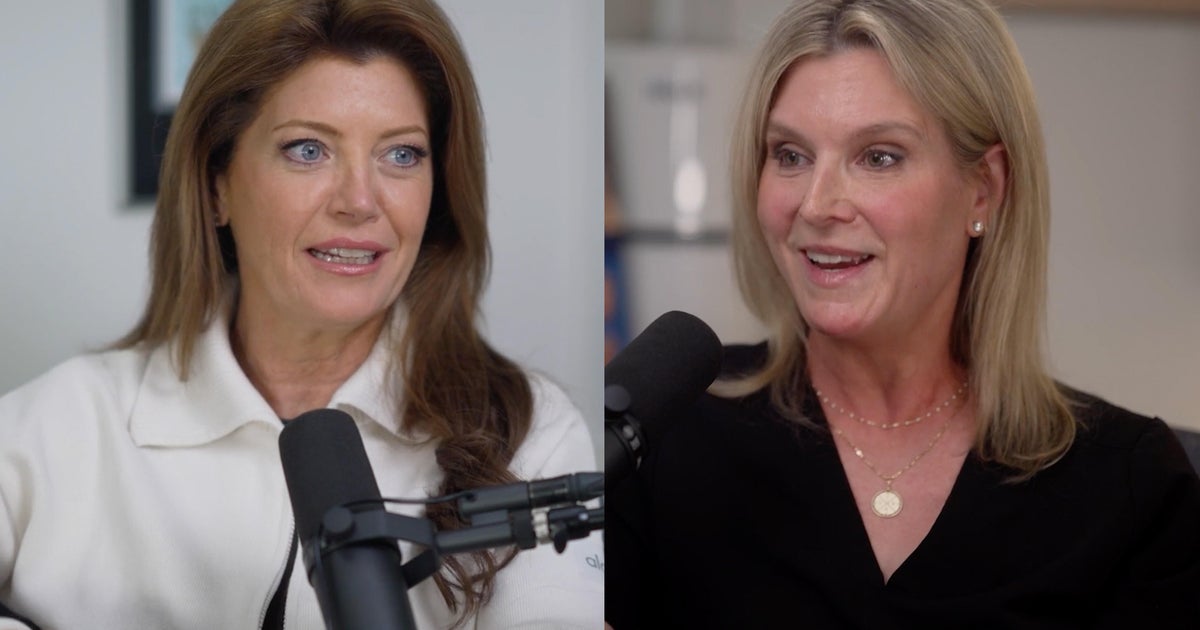
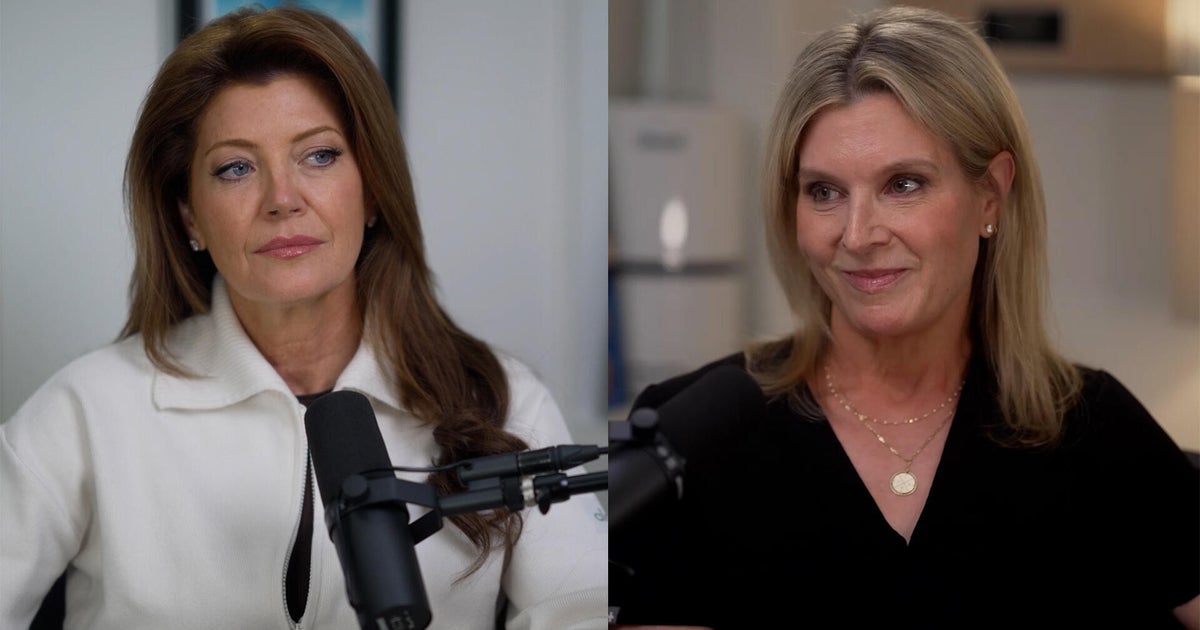
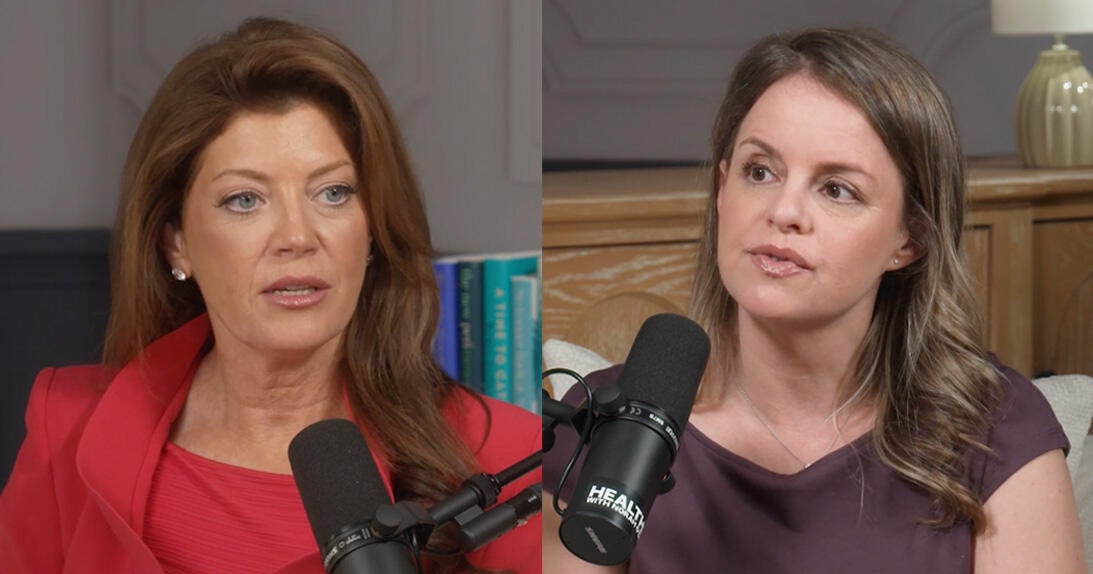
We went to her practice, CompleteSkinMD, in New York City to discuss what we should all know about skin cancer. asserted
we → go → cancer
"It is directly related to exposure to tanning beds and to sunburns," Hale said. asserted
Hale → relate → sunburns
Hale said melanoma can be found anywhere on the body, but for women, it commonly occurs on lower legs and places like the buttocks. asserted
it → say → buttocks
"[Places that] never sees the sun, except for when you're undressed in a tanning bed," Hale said. asserted
Hale → see → bed
"We have to keep our kids out of tanning beds and get them to practice good sun protection." asserted
them → have → protection
The Skin Cancer Foundation reports that "exposure to tanning beds before the age of 35 … increases your chance for melanoma, which is the most serious type of skin cancer, by 75%." asserted
which → report → %
Another future impact of these harmful tanning habits and sun exposure is seen in how skin ages and how fast. asserted
skin → see → habits
To Hale, the science is clear: "Up to 90% of skin cancers are caused by overexposure to the sun, but also up to 99% of the signs of premature skin aging." asserted
% → cause → aging
The "tanmaxxing" social media trend is a problem Tanning trends have been going viral platforms with young women exposing themselves to harmful UV rays without any protection for hours on end. asserted
women → go → end
From bathing in direct sunlight to frequent trips to tanning salons, "people are bragging about the sunburn they're getting," Hale noted. asserted
Hale → bath → sunburn
Long hours under the sun may be popular, but it puts people at risk. uncertain
it → put → risk
According to the FDA, any kind of tan greatly increases someone's risk of getting skin cancer. uncertain
kind → accord → cancer
"There really is no such thing as … a safe, healthy tan," Hale said. asserted
Hale → say → tan
While a tan might look nice, the reality behind why your skin gets darker is more troubling. uncertain
skin → look → ?
The tan is actually "representing DNA damage" that can manifest as cancer later. asserted
that → represent → cancer
Basal cell carcinoma is not only the most common skin cancer but also "the most common cancer diagnosed in the United States overall," as it accounts for 80% of new skin cancer diagnoses. asserted
it → diagnose → diagnoses
Basal cell carcinoma also doesn't metastasize into deadlier forms of skin cancer but dermatologists will still recommend the tumor or mole be removed, as "they can start eating away through the skin into the underlying structure" if left unattended. asserted
they → metastasize → structure
Hale assures patients the procedures are "little nothings" and leave minimal scarring. asserted
procedures → assure → scarring
Squamous cell carcinoma is the second most common, but unlike basal cell, this skin cancer can spread if untreated. asserted
cancer → spread → cell
This carcinoma is also the "most correlated with chronic sun exposure." asserted
carcinoma → correlate → exposure
"Even though it only accounts for 5% of new cases of skin cancer, it's responsible for more than 75% of skin cancer-related deaths," Hale said. asserted
Hale → account → deaths
"There have been major advances in melanoma treatment, but it's still really best to get your skin checked because when melanoma is caught early it has greater than a 99% five-year survival. asserted
it → get → survival
But once it spreads, that survival rate goes down precipitously," she said. asserted
she → spread → ?
Be familiar with your skin and get it checked regularly Skin cancer, when detected early, is "almost always curable," Hale said. asserted
Hale → get → skin
However, if people neglect to care for their skin and have it checked by a physician, benign moles can develop into cancer and metastasize. asserted
moles → neglect → cancer
Hale says people should have their skin checked annually starting at 18 years old. asserted
skin → say → ?
Those with a family history of skin cancer or others who are at high risk should talk with their dermatologist to see if they would benefit from more frequent visits to identify early any signs of skin cancer. asserted
they → talk → cancer
The bottom line, according to Hale, is "the best sunscreen is the one you'll actually use" — but not all sunscreens are created equal. uncertain
sunscreens → accord → Hale
Look for ingredients like zinc oxide or titanium dioxide in your sunscreen, which keep both UVB and the more dangerous UVA rays at bay. asserted
which → look → bay
For days at the beach or when you expect to sweat, choose a chemical sunscreen with avobenzone. asserted
you → expect → avobenzone
…and 3 more, not listed.

💬Give feedback
🕘History 🎫Support