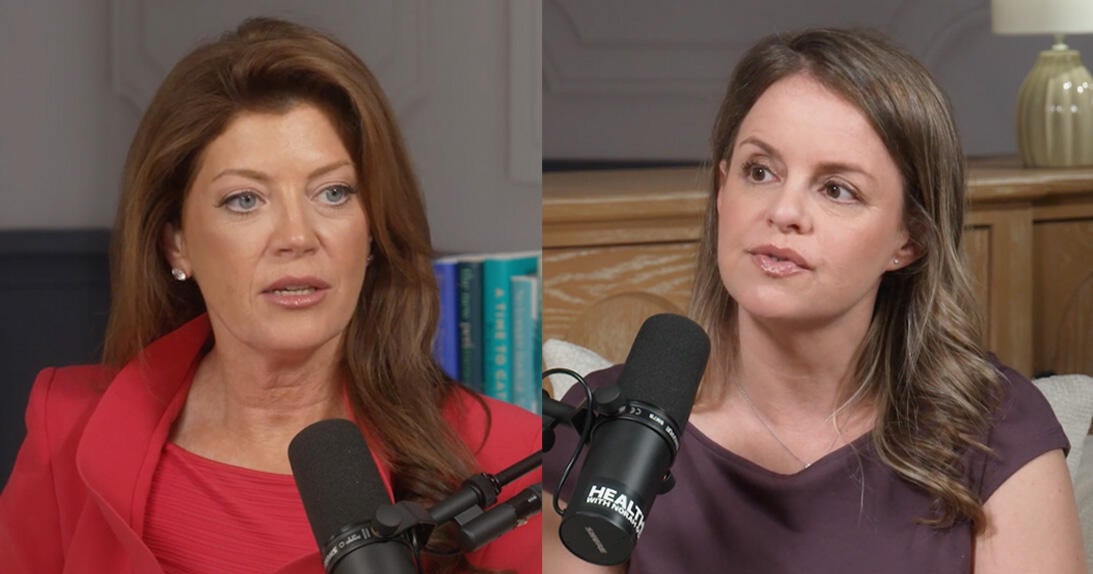
Dr. Eleonora Teplinsky discusses rising breast cancer rates among younger American women on her podcast "Healthful." According to the American Cancer Society, 321,910 women will be newly diagnosed with invasive breast cancer in 2026, with the rate increasing by 1.4% annually for those under 50. Dr. Teplinsky attributes this trend to factors such as diets high in ultra-processed foods, reduced physical activity, and potential environmental exposures like plastics and microplastics, though more research is needed on these environmental factors. She emphasizes that while there's no guaranteed way to prevent breast cancer, eliminating alcohol consumption can help reduce risk.
Written locally by qwen2.5:14b on 2026-10-07,
using this article's own text rather than the other coverage of the
same event (that is the story summary below).
"Survivorship starts at the day of diagnosis," says Dr. Eleonora Teplinsky — and for hundreds of thousands of American women each year, it's their new reality.
asserted
it → start → women
According to the American Cancer Society, 321,910 women in the U.S. will be newly diagnosed with invasive breast cancer in 2026.
uncertain
women → accord → 2026
Rates of breast cancer are increasing across the board but the fastest rise is among younger women under the age of 50.
asserted
rise → increase → 50
While the mortality rate is decreasing over time thanks to earlier detection and innovation in cancer treatment, the increased rate of diagnosis is still a cause for concern.
asserted
rate → decrease → concern
This week on "Healthful," Dr. Teplinsky joined me to discuss why this is happening.
asserted
this → join → me
She also shares the steps we can take to best protect ourselves and how to support loved ones through their fight.
asserted
we → share → fight
Why are rates of breast cancer rising in younger women?
asserted
rates → rise → women
In Teplinsky's new book, "Beyond the Pink," she laments how some women are told "you're too young for cancer."
asserted
you → lament → cancer
Instances of breast cancer are rising 1.4% every year in women under 50.
asserted
Instances → rise → 50
Teplinsky cites several possible factors as to why this might be happening.
uncertain
this → cite → factors
Diets high in ultra-processed foods and reduced physical activity are common in the United States and linked to higher breast cancer risk.
asserted
Diets → reduce → risk
Environmental factors may have a role in increasing risk of breast cancer — but with little research to pull from, many doctors don't know how to advise patients on what to do to decrease their risk.
uncertain
doctors → have → risk
"There's a lot of interest in plastics and microplastics, things like parabens and phthalates," and how our exposure to them in the environment may impact women's risk for breast cancer,Teplinsky observed.
uncertain
Teplinsky → be → cancer
"But these are all things that just don't have concrete data."
asserted
that → have → data
Girls who start their periods at an earlier age are at higher risk for breast cancer in the future, as are women who have their first child later in life.
asserted
who → start → life
"Now, it's not to blame anyone for their choices," Teplinsky noted, but "it's what's happening in the breast during that extended time that the breast is exposed to hormones" that increase the risk, which needs to be paid attention to.
asserted
which → blame → attention
What we can do to lower our risk of breast cancer now
Teplinsky wants to make something very clear: "You can do all the right things and be diagnosed with breast cancer, and you can do none of the right things and not be diagnosed with breast cancer."
Cancer in general is multifactorial.
asserted
Cancer → do → cancer
A combination of lifestyle, environmental and genetic components come into play.
asserted
combination → come → play
But while there is no sure way to prevent a breast cancer diagnosis, Teplinsky does have a few pieces of science-backed advice on what women can do right now to reduce the risk.
asserted
women → be → risk
"Number one is eliminate alcohol," Teplinsky said, knowing "this is something no one wants to hear about."
asserted
one → eliminate → alcohol
Alcohol is a carcinogen directly tied to
.
asserted
Alcohol → tie → ?
"It can increase the risk, not just of breast cancer, but of multiple cancers.
asserted
It → increase → cancers
"Teplinsky also stresses the importance of incorporating some kind of exercise into your daily routine.
asserted
"Teplinsky → stress → routine
She and I agree: "Movement is medicine.
asserted
Movement → agree → ?
Regular physical activity — ideally "about 150 minutes, on average, per week," as Teplinksy recommends — not only reduces risk of breast cancer, it also improves cardiovascular and bone health.
asserted
it → recommend → health
Limiting ultra-processed foods from your diet is another step anyone can take to reduce their risk of breast cancer.
asserted
anyone → limit → cancer
Teplinsky understands this can be a trickier risk factor to avoid completely.
asserted
this → understand → ?
The American diet is rich in added sugars, processed meats and chemicals, and many ultra-processed foods are cheaper and more convenient.
asserted
foods → add → sugars
"Can you make a small change?
asserted
you → make → change
Can you swap out your soda for a seltzer?
asserted
you → swap → seltzer
Can you add an extra vegetable to your plate?" Teplinsky suggested.
uncertain
Teplinsky → add → plate
Millions of women with breast cancer are feeling left behind when it comes to menopause treatment.
asserted
it → feel → treatment
Hormone therapy has long been considered unsafe for breast cancer patients and survivors.
asserted
therapy → consider → patients
Teplinsky encourages having a thorough conversation with a trusted healthcare provider.
asserted
Teplinsky → encourage → provider
There is a lot of nuance and it's an "evolving conversation," according to Teplinsky.
uncertain
it → be → Teplinsky
She says there are a number of factors to consider, like what type of breast cancer you have, what is your risk of recurrence, and when were you diagnosed?
asserted
you → say → recurrence
Teplinsky said some women "don't even want to think about hormones" while others feel like they have no other option and are "suffering" for symptom relief that could be found in taking hormones.
uncertain
that → say → hormones
There is one type of hormone that Teplinsky says is safe for breast cancer survivors.
asserted
Teplinsky → be → survivors
"Low-does vaginal estrogen, which is local and does not get absorbed into the body, can be used in patients who have been diagnosed with breast cancer," Teplinsky said.
asserted
Teplinsky → absorb → cancer
"Vaginal estrogen can be used and should be used because it's life changing for so many of our patients.
asserted
it → use → patients
…and 10 more, not listed.
 The Aporia