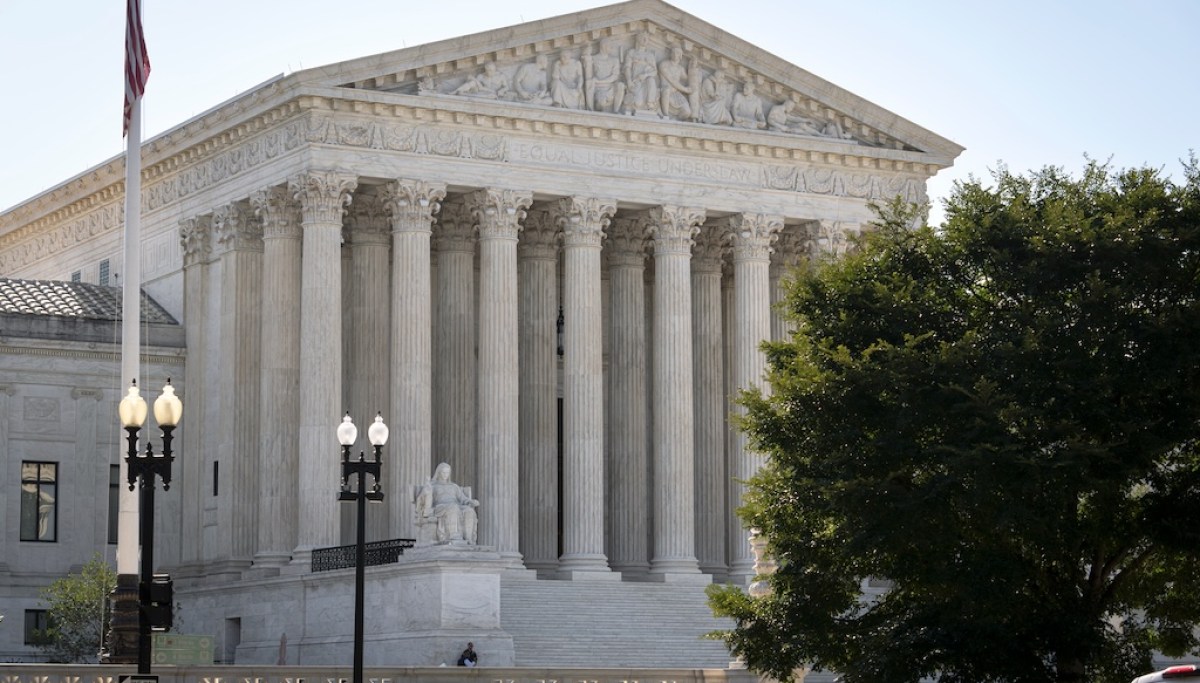
It is no surprise that a unanimous three-judge panel of the Ninth Circuit just enjoined the blatantly unconstitutional attempt by the "No-Longer-So-Golden State" to impose restrictions on the ability of ICE and other federal agents to enforce federal immigration law.
asserted
panel → enjoin → law
That panel was doing exactly what federal courts are supposed to do — uphold the U.S. Constitution.
asserted
courts → do → Constitution
On October 14 in U.S. v. California, the court tossed the so-called "No Vigilantes Act" (NVA) onto the ash heap.
asserted
court → toss → heap
This law was part of the state’s continuing effort to obstruct federal immigration enforcement, which has included relentless public attacks by the governor and state officials on federal agents just trying to do their job of enforcing the law.
asserted
which → continue → law
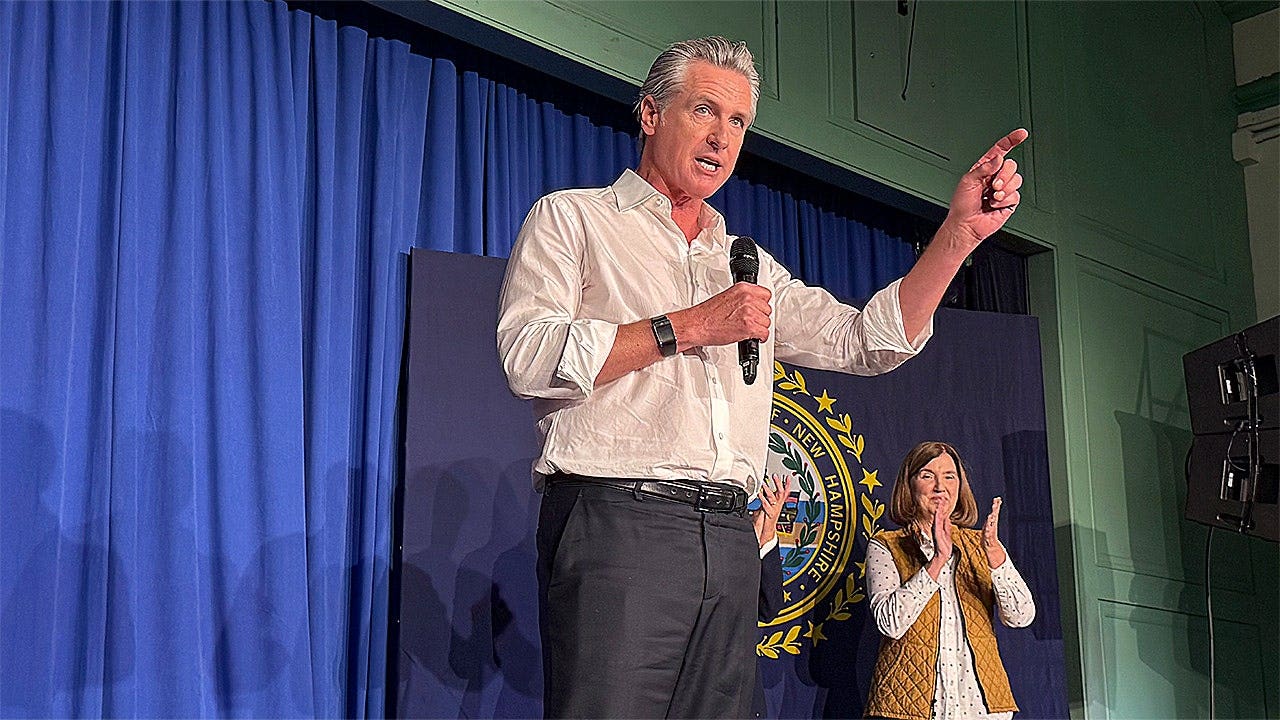
That includes noxious claims like Newsom likening them to the thuggish "secret police" of an "authoritarian" state.
uncertain
Newsom → include → state
The NVA required any non-uniformed "federal law enforcement officer" operating in California to "visibly display identification" when carrying out federal law enforcement duties.
asserted
officer → require → duties
A federal agent violating this requirement could be criminally prosecuted by the state.
uncertain
agent → violate → state
As the Ninth Circuit pointed out, the Supremacy Clause in Article VI makes the "Constitution, and the Laws of the United States…the Supreme Law of the Land."
asserted
Constitution → point → Land
In other words, federal law not only overrides any state law to the contrary, but it requires what is called "intergovernmental immunity."
asserted
what → override → contrary
Under "the intergovernmental immunity component of the Supremacy Clause…states may not directly regulate the Federal Government’s operations or property."
uncertain
states → regulate → operations
The panel cites to a 1996 Ninth Circuit decision, Blackburn v. U.S., on this issue, but then points out that this basic legal principle — that states cannot interfere in federal functions — goes all the way back to one of the most seminal Supreme Court cases in our history, McCulloch v. Maryland (1819).
asserted
states → cite → Maryland
"It is the very essence of Supremacy," said the Court in McCulloch, "to remove all obstacles to its action within its own sphere, and so to modify every power vested in subordinate governments, as to exempt its own operations from their own influence."
asserted
Court → say → influence
That is why "States have no power … to retard, impede, burden, or in any manner control the operations of the constitutional laws enacted by Congress to carry into execution the powers vested in the General Government."
asserted
States → have → Government
California tried to argue that the NVA was constitutional because it did not "substantially burden" federal law enforcement.
asserted
it → try → enforcement
But the Ninth Circuit shot that down, too, saying any attempt by a state law to directly regulate "the conduct of the United States…is void irrespective of whether the regulated activities are essential to federal functions or operations, and irrespective of the degree to which the state law interferes with such functions or operations."
asserted
law → shoot → functions
What made this law even worse was its threat to criminally prosecute federal agents.
asserted
law → make → agents
This is especially ironic because California attempted to do with the NVA what the Supreme Court specifically told the state it couldn’t do 136 years ago in another seminal case, In re Neagle (1890), also cited by the Ninth Circuit panel.
asserted
it → attempt → panel
That decision reads like a Hollywood movie but also demonstrates just how bizarre state officials have acted in California for a long time, not just in today’s heated political arena.
asserted
officials → read → arena
In re Neagle involved the state of California trying to prosecute a U.S. Marshal for murder.
asserted
state → involve → murder
Marshall David Neagle was acting as a bodyguard for Supreme Court Justice Stephen Field, a job the U.S. Marshal’s Service still carries out today.
asserted
Service → act → Field
He shot and killed the former chief justice of California’s state supreme court, David Terry, at a railway station in the San Joaquin Valley, after Terry tried to assassinate Field.
asserted
Terry → shoot → Field
Terry was known for his violent temper and apparently had a grudge against Field for a court decision involving the prior divorce of Terry’s current wife.
asserted
Terry → know → wife
The Ninth Circuit quoted the Supreme Court’s opinion in Neagle that even the "most unquestionable and most universally applicable of state laws, such as those concerning murder, will not be allowed to control the conduct a marshal of the United States acting under and in pursuance of the laws of the United States."
asserted
unquestionable → quote → States
California couldn’t prosecute a U.S. Marshall then for doing his job, and it cannot criminally prosecute federal agents now who are "acting under and in pursuance of the [immigration] laws of the United States."
asserted
who → prosecute → States
By the way, a second law enacted by California’s constitutionally ignorant legislators, the "No Secret Police Act," was already enjoined by a lower court for the same reason.
asserted
law → enact → reason
That law made it a criminal offense for federal agents to wear "a facial covering that conceals or obscures their facial identity."
asserted
that → make → identity
You know, the same agents who have been villainized, doxxed, followed home, harassed, run down by cars, and shot at by thugs who masquerade as protesters.
asserted
who → know → protesters
As the Ninth Circuit correctly recognized, the lawlessness occurring in California is not limited to thugs.
asserted
lawlessness → recognize → thugs
 The Aporia