The Aporia
Huang, S. (2026, October 21). Terracotta Warriors could be mainly built by women and children, batch fingerprints show. South China Morning Post. https://www.scmp.com/news/china/science/article/3371607/terracotta-warriors-could-be-mainly-built-women-and-children-batch-fingerprints-show
Huang, Shi. “Terracotta Warriors could be mainly built by women and children, batch fingerprints show.” South China Morning Post, 21 Oct. 2026, https://www.scmp.com/news/china/science/article/3371607/terracotta-warriors-could-be-mainly-built-women-and-children-batch-fingerprints-show.
Huang, Shi. “Terracotta Warriors could be mainly built by women and children, batch fingerprints show.” South China Morning Post, October 21, 2026. https://www.scmp.com/news/china/science/article/3371607/terracotta-warriors-could-be-mainly-built-women-and-children-batch-fingerprints-show.
Dated from the outlet's own feed. Check the original for its byline.
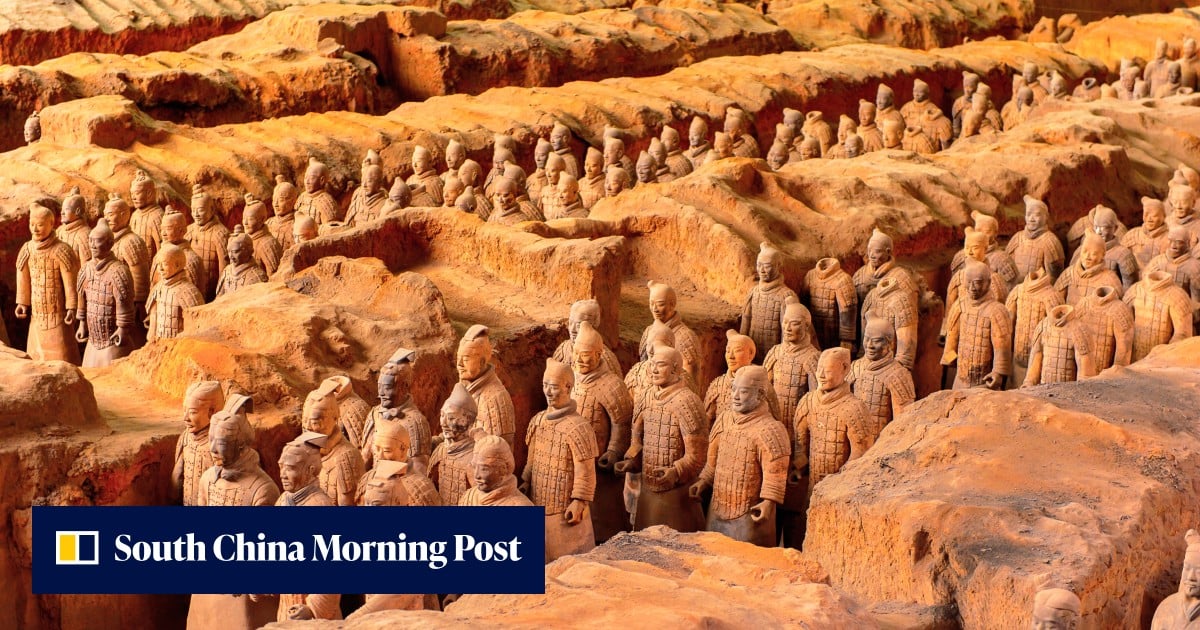
A new study published on October 13 in the Journal of Cultural Heritage challenges long-standing assumptions about the Terracotta Army's construction, revealing that a significant portion was made by adult women and minors. Previously, it was believed that only adult men were involved in the creation of the terracotta warriors located 5 meters underground near one of China’s oldest cities. The study, led by Shen Jingyi, used batch fingerprints to provide the first quantitative biological evidence for a diverse workforce during the Qin dynasty. This discovery is significant as it highlights the broader range of artisans who contributed to this historical marvel, including women and children.