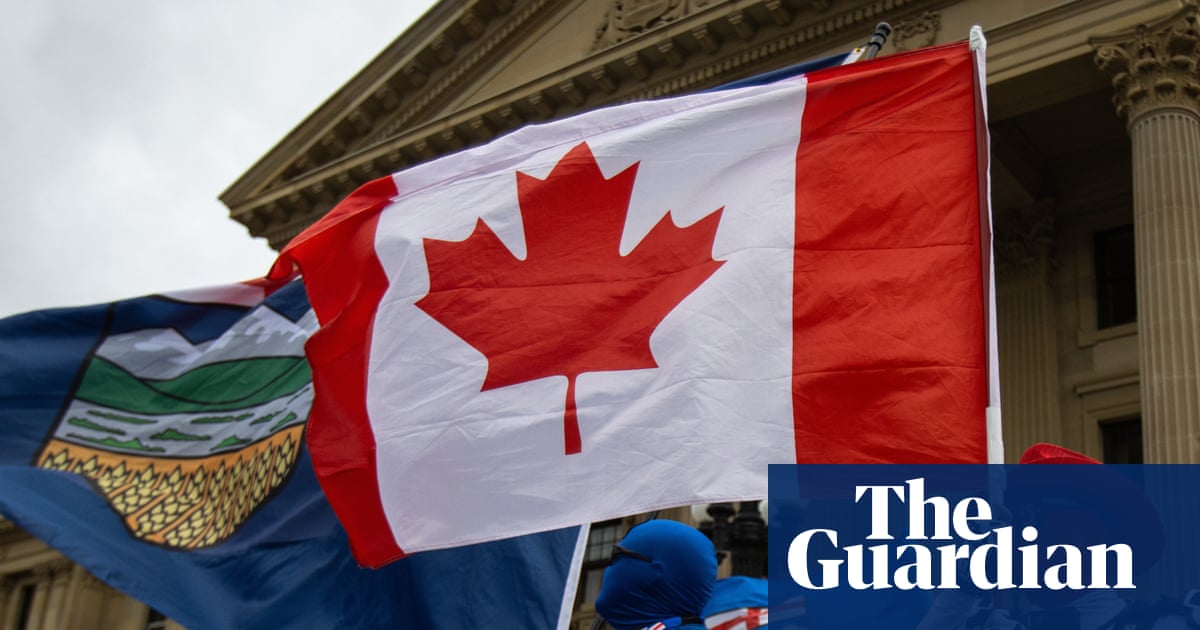
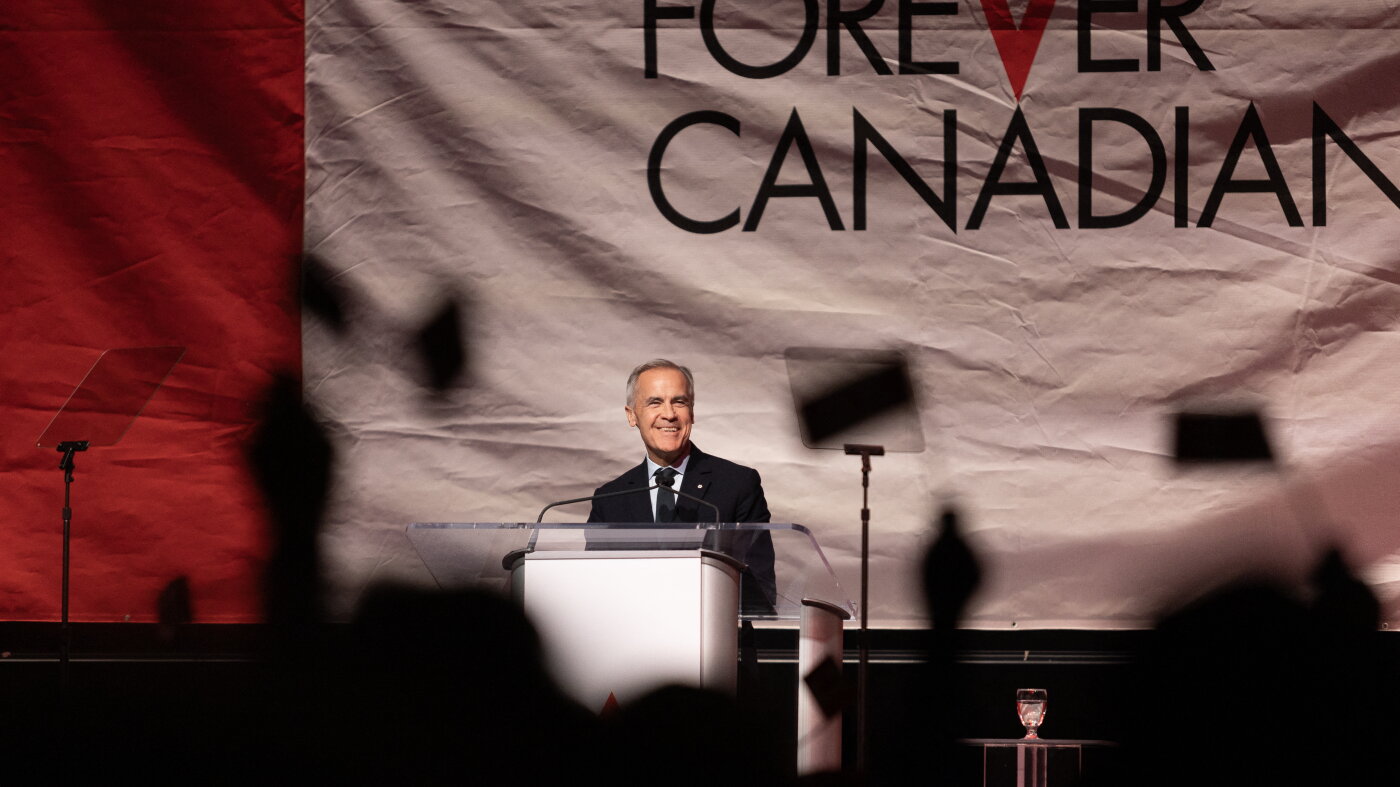
Provincial leaders outside Alberta welcomed the province’s rejection of separatism in Monday’s referendum, but mostly steered clear of the other questions on the ballot, including those that asked Albertans whether they endorse restricting immigration and changing the Constitution.
asserted
they → welcome → Constitution
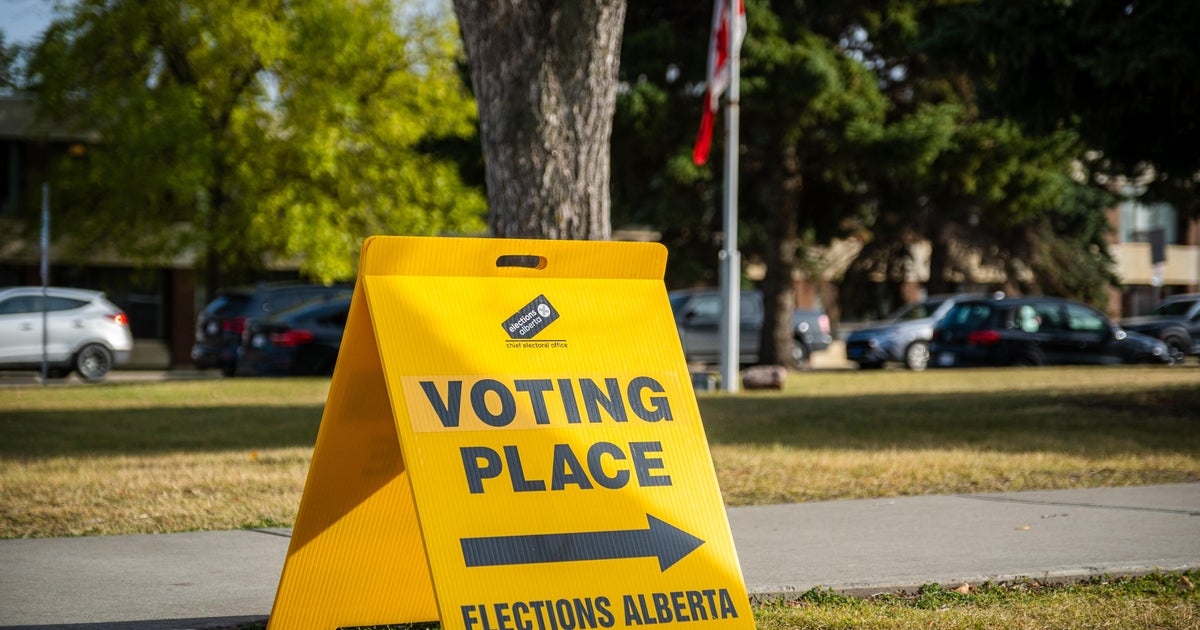
According to unofficial results posted by Elections Alberta on Tuesday evening, about 75 per cent of voters rejected the separation question, which asked them about holding a future, second vote on leaving Canada.
uncertain
which → accord → Canada
But for eight of the ballot’s other nine questions, which included proposals for Alberta to take control of immigration, appoint its own higher-court judges and abolish the federal Senate, results showed majorities voting Yes, as Premier Danielle Smith had urged.
asserted
Smith → include → Yes
Several of these questions raise the spectre of potentially tangled constitutional negotiations, something Canadian politicians have shied away from for decades after the wrenching national debates of the 1980s and 1990s.
asserted
politicians → raise → 1980s
But some of these ballot items also echo complaints that other premiers have regularly made to Ottawa in recent years.
asserted
premiers → echo → years
In a statement posted to X on Tuesday, Ontario Premier Doug Ford praised the result on separation.
asserted
Ford → post → separation
He also reiterated his vow to build a new pipeline to bring Alberta’s oil to refineries in Ontario, in order to avoid routes that now bring the resource through the United States.
asserted
that → reiterate → States
“I’m thrilled by the decisive support Albertans have shown for the country we all love,” Mr. Ford said.
asserted
Ford → thrill → country
“Now it’s up to the rest of Canada to deliver on our commitment to Alberta by building new pipelines, unlocking our natural resources and unleashing the prosperity that will protect the future of Canadians from coast to coast to coast.
asserted
that → ’ → coast
In Saskatchewan, which also has its own small separatist movement, Premier Scott Moe applauded Alberta’s vote to remain in Canada.
asserted
Moe → have → Canada
But he also said the West’s grievances within Confederation need to be addressed.
asserted
grievances → say → Confederation
“There is still work to be done on improving how western Canada is treated by Ottawa,” Mr. Moe said on X. “But Canada is worth that effort.
asserted
Canada → be → X.
Saskatchewan will continue to work with Alberta to make our provinces stronger within a united Canada.
asserted
provinces → continue → Canada
In Quebec, where separatist Parti Québécois just returned to power, premier-designate Paul St-Pierre Plamondon said the results on the other nine questions show Albertans agree with Quebeckers that Confederation, and an “increasingly interventionist” federal government, are not working.
asserted
Confederation → return → Quebeckers
“As in Quebec, they recognize that the Canadian federation is a straitjacket that prevents them from placing their priorities at the heart of their own public policies, in order to meet their own needs,” he said in a statement on X.
Mr. St-Pierre Plamondon, who will be sworn in as premier on Wednesday, has promised to hold a third referendum on independence in Quebec, though not before 2029.
asserted
who → recognize → 2029
B.C. Premier David Eby, who, as his province’s NDP Leader was campaigning for re-election in Kelowna on Tuesday, thanked Albertans who voted to stay in Canada.
asserted
who → campaign → Canada
“It feels like a no-brainer to me, but I am glad to see that was confirmed by the people of Alberta,” Mr. Eby said.
asserted
Eby → feel → Alberta
“We’re stronger together as a country.”
asserted
We → ’re → country
Speaking to reporters in Winnipeg, Manitoba Premier Wab Kinew congratulated Albertans for voting to “remain a part of the No. 1 country on Earth.”
asserted
Kinew → speak → Earth
Nova Scotia Premier Tim Houston also welcomed the referendum results.
asserted
Houston → welcome → results
“Canada is stronger with Alberta as part of it, and last night’s results show the overwhelming majority of Albertans agree with this,” he said on X.
Newfoundland and Labrador Premier Tony Wakeham, who leads a province that many have left to work in Alberta, said he was delighted with the vote.
asserted
he → show → vote
When asked about the quarter of Albertans who chose the separatist option, Mr. Wakeham told reporters at the techNL Summit in St. John’s that many people are frustrated with governments.
asserted
people → ask → governments
“Nothing is perfect, and so we have to find ways to keep moving forward and improve the lives of people, whether they are in our own province or in another province,” he said.
asserted
he → have → province
Among the other referendum questions that received majority support from Albertans was one about the province seeking more power over immigration to cut it to “more sustainable levels.”
asserted
province → receive → levels
Voters also endorsed proposals that would create an “Alberta-approved immigration status,” and restrict access to health care and other services for those with non-permanent status.
asserted
that → endorse → status
Ontario and other provinces have also long advocated for more control over immigration policy, pointing to Quebec’s degree of autonomy in the area – even as Ottawa has recently slashed immigration levels.
asserted
Ottawa → advocate → levels
Albertans also voted Yes to a question on changing the Constitution to appoint higher-court judges provincially, rather than federally.
asserted
Albertans → vote → judges
In a March open letter, Mr. Moe, Ms. Smith, Mr. Ford and then-Quebec-premier François Legault asked Ottawa to ensure all candidates for higher-court judicial appointments are both recommended and approved by the provincial government concerned.
asserted
candidates → ask → government
Federal Justice Minister Sean Fraser flatly rejected the idea at the time.
asserted
Fraser → reject → time
 The Aporia