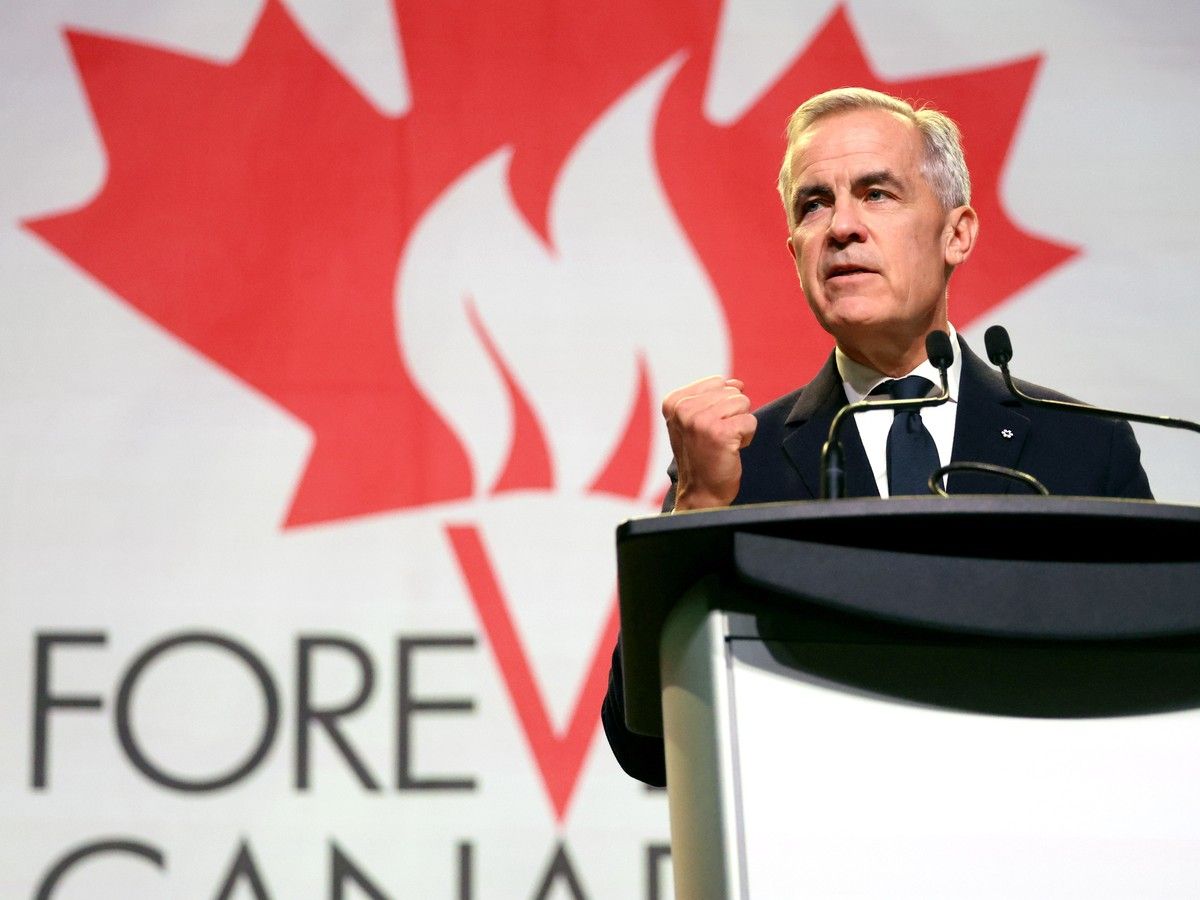
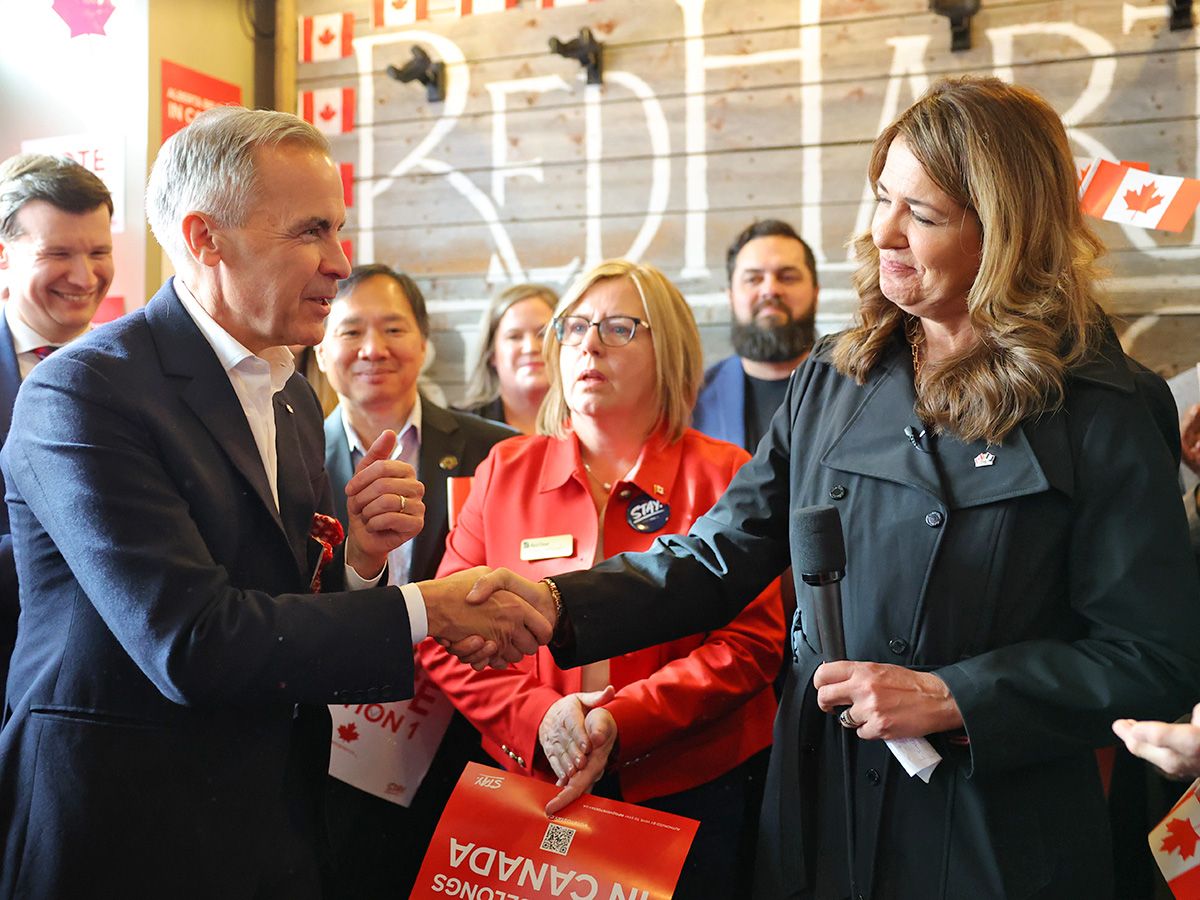
A day after Albertans voted to reject separatism, Prime Minister Mark Carney said he favours pursuing pragmatic “common solutions” with the provinces on issues under federal jurisdiction.
asserted
he → vote → jurisdiction
Carney cautioned on Tuesday that pursuing constitutional changes can be a “difficult” and drawn-out process and said disputes in areas like immigration can be resolved without constitutional amendments.
“What I favour is working now pragmatically to common solutions,” he said.
asserted
he → caution → solutions
It’s long.
asserted
It → ’ → ?
We have an amending formula generated originally out of Alberta, and where we can find solutions that work for Canadians, we should find those solutions that work for Canadians.
asserted
that → have → Canadians
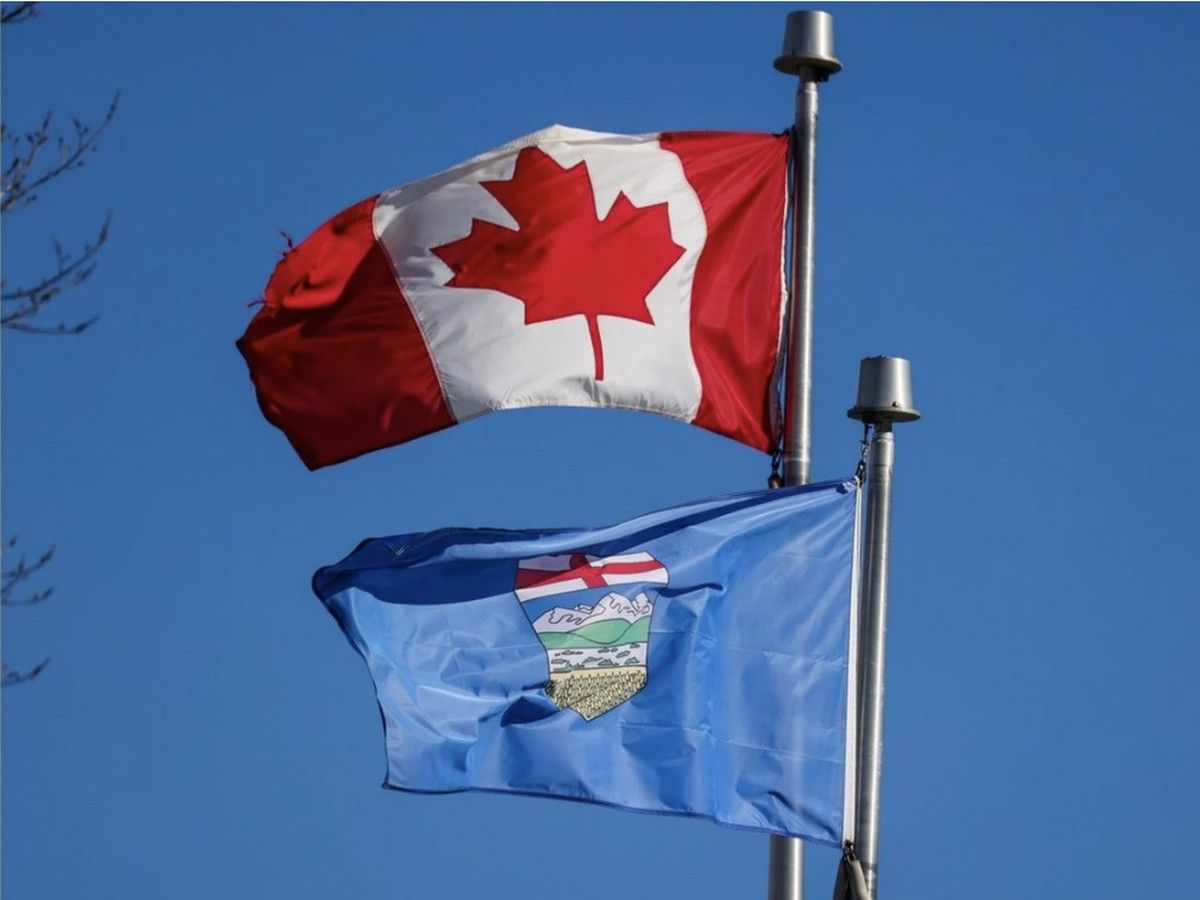
Carney made the comments to reporters as he welcomed the results of the Alberta referendum, which saw about three-quarters of the province vote against separating from Canada.
asserted
quarters → make → Canada
Nine other referendum questions asked voters whether they want the province to wield new powers in federal areas such as immigration, and if they approve of a series of proposed constitutional changes, such as abolishing the Senate and giving provinces the authority to appoint Superior Court judges.
asserted
they → ask → judges
As of Tuesday afternoon, the ‘yes’ vote was leading on all but one of the nine questions, with very tight margins.
asserted
vote → lead → margins
Carney said the federal government will “take into account” those votes.
asserted
government → say → votes
While Carney said before the referendum that Albertans should vote “no to the nine,” he also told Alberta broadcaster Ryan Jespersen ahead of the referendum vote that he is “open” to constitutional reforms where there is “consensus.”
asserted
he → say → reforms
Conservative Leader Pierre Poilievre said Tuesday the federal Liberals have allowed immigration to run “totally out of control” and he supports provinces being able to set their own immigration levels.
asserted
provinces → say → levels
“The provinces should have control in selection and numbers because they have to provide the services, regulate the job market and the housing for people who come in,” Poilievre said, noting Carney recently told the New York Times he’s looking at hiking immigration levels again.
“It shows he is totally out of touch.”
asserted
he → have → touch
Carney said his government has moved to bring immigration back under control.
asserted
government → say → control
“Where we go from here — and I’m not saying that that stabilization is complete — but where we go from here needs to be established in co-operation with the provinces,” he said.
asserted
he → go → provinces
When Poilievre was asked by a reporter if he would reopen the Constitution if he were prime minister, he said he’s going to “wait and see” the official final results on all of the referendum questions before commenting.
asserted
he → ask → questions
Those figures are expected late next week.
asserted
figures → expect → ?
“We respect the frustration of Albertans on some of these questions,” Poilievre said.
asserted
Poilievre → respect → questions
“We’ll look carefully at the results when they’re certified on those other questions.”
asserted
they → look → questions
Alberta NDP MP Heather McPherson said the other nine questions posed to Albertans were “really problematic.”
asserted
questions → say → Albertans
“The idea that (Premier) Danielle Smith will continue to use these as a divisive tactic, a slow-walk towards a separatist agenda, I think, is a problem,” she told reporters on Tuesday.
asserted
she → continue → Tuesday
“The federal government needs to be quite strong in protecting those things that are part of our heritage, part of our culture, in terms of immigration, in terms of our constitutional jurisdictions.
asserted
that → need → jurisdictions
I think those are really important things we stand up for.”
asserted
we → think → ?
Ontario Liberal MP Marcus Powlowski said the provinces don’t have control over immigration and if they want to change the Constitution, “good luck to them.”
asserted
they → say → them
“The courts are still there, despite what some Albertans may want,” he said.
uncertain
he → want → what
“As much as they may wish some of these things, it’s not going to happen because it’s unconstitutional.”
uncertain
it → wish → things
Powlowski also said Ottawa could open up constitutional talks to address some of these concerns.
uncertain
Ottawa → say → concerns
“We should talk to everybody about everything,” he said.
asserted
he → talk → everything
And perhaps we can find common ground, and if that’s the case, then great.”
asserted
that → find → ground
Alberta Liberal MP Matt Jeneroux said provinces don’t need to hold a referendum to have conversations on these issues.
asserted
provinces → say → issues
“These are conversations the prime minister has committed to in the past, in terms of, let’s look at Alberta in a different way and I’m certainly happy to see him doing it.”
asserted
him → commit → it
This report by The Canadian Press was first published Oct. 20, 2026.
asserted
report → publish → Press
 The Aporia