Who could have guessed that Trump would get so spun up over a law that’s been on the books since Abraham Lincoln was president?
uncertain
Lincoln → guess → books
I certainly didn’t when I arrived at the White House this morning.
asserted
I → arrive → House
I was there as part of what the Trump administration has dubbed the “secondary print” element of the White House press pool, part of the rotating group of news outlets that it brings into the Oval Office to fill slots once occupied by the major wire services.
asserted
it → dub → services
Normally, I am the designated “print pool” reporter approximately once a month, where I file short reports to the rest of the press corps detailing what goes on in the Oval Office or any other event the president attends on the White House grounds or around Washington.
asserted
president → designate → Washington
This time, my only function was to ask questions.
asserted
function → ask → questions
I had a list that I discussed with my colleagues in New York, but I decided to call an audible and ditch the list when a reporter from the right-wing Daily Wire posted that Trump and Vice President JD Vance planned to unveil a new program and “tip line” to award so-called “whistleblowers” bounties of up to $30,000 (or one percent of any funds recovered) for exposing what the administration believes to be “fraud.”
asserted
administration → have → funds
Then I became the focus of Trump’s attacks.
asserted
I → become → attacks
To start, White House officials were going to hand out a reward to Nick Shirley, the right-wing YouTuber whose viral videos jump-started the administration’s crusade against day-care and home health care businesses in Minnesota run or owned by Somali-Americans.
asserted
videos → start → Americans
For their part, Trump, Vance and even Shirley acted like the idea of rewarding whistleblowers was new and unique to this administration, with the YouTube personality claiming there has “never been an incentive for anyone to ever expose fraud” in the country’s entire history.
asserted
anyone → act → history
Because I’ve spent most of my professional life covering the federal government, I know there’s already a mechanism to reward whistleblowers on the books, I knew Shirley — and the rest — were dead wrong about that.
asserted
Shirley → spend → that
Since 1883, a law called the False Claims Act has allowed whistleblowers to sue on behalf of the federal government to recover funds that have been defrauded from federal programs.
uncertain
that → call → programs
That law pays people more than Trump suggested through his program.
uncertain
Trump → pay → program
These lawsuits, called qui tam cases, often involve the exact types of Medicare and Medicaid fraud on which the administration claims to be cracking down.
uncertain
administration → call → which
And unlike the relatively paltry 1 percent which Trump claimed whistleblowers can be awarded, the False Claims Act allows someone who blows the whistle and brings a qui tam case to receive as much as a quarter of whatever the government recovers.
uncertain
government → claim → whatever
So why would anyone use the administration’s “tip line” when they could get far more cash for using the tried-and-true process that’s been around since the days of Abraham Lincoln?
uncertain
that → use → Lincoln
I asked the president that exact question.
asserted
I → ask → question
“Because it’s a lot of money.
asserted
it → ’ → money
“At 1 percent, people will make millions and millions of dollars for turning in what actually is a somewhat routine crime of, you know, of millions of millions.
asserted
you → make → millions
But we’re talking about we’re talking about billions and actually probably trillions of dollars,” said Trump, who may not have understood the question or was unable to fathom that ten to 25 percent is far more than one percent.
uncertain
percent → talk → question
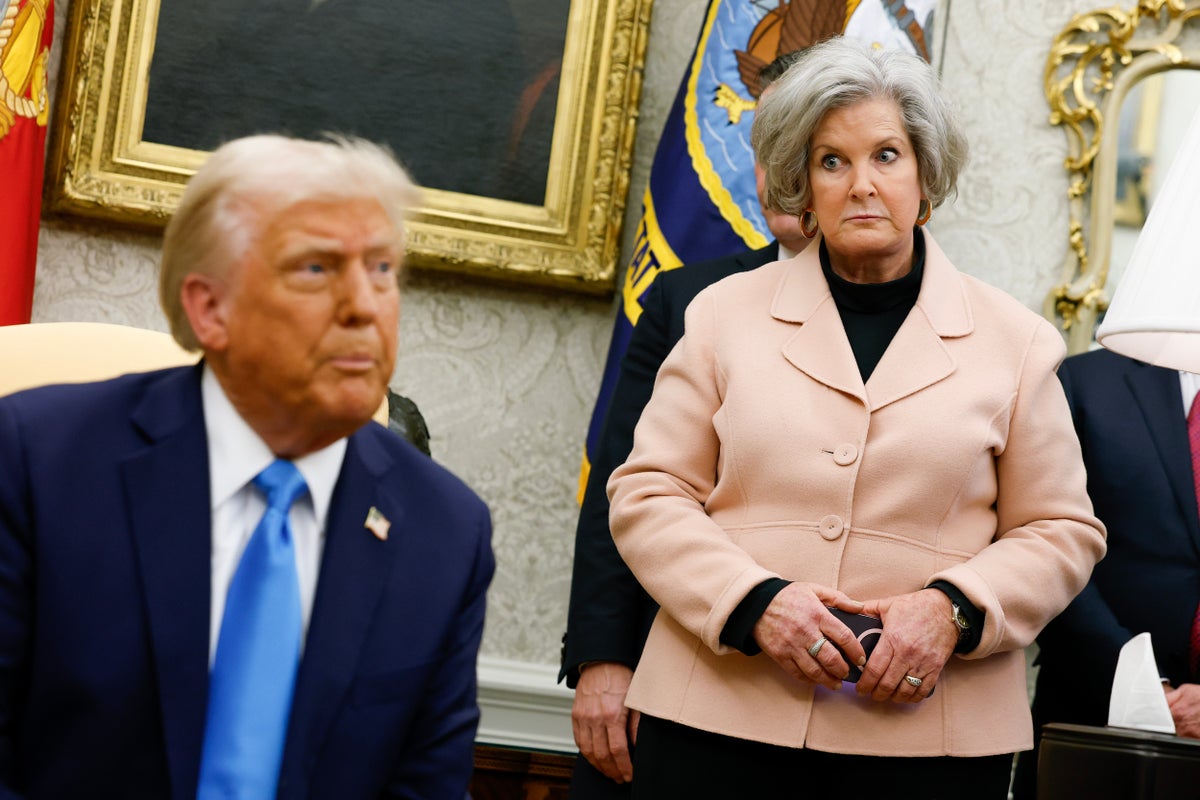
Trump may not have understood the query, but Vance did — and he was eager to mix it up.
uncertain
he → understand → it
Months earlier, we tangled in the briefing room when I asked him about the president’s stock trading.
asserted
I → tangle → trading
And it appeared that the Veep was unsatisfied with Trump’s response, so he chimed in to call the question “dishonest” and suggest there are certain frauds that fall outside the Fall Claims Act’s remit, which is not true.
uncertain
which → appear → remit
Sensing that he had been emasculated by the VP, Trump asked me who I was, which was odd because he had definitely recognized me earlier when he winked at me as Vance delivered remarks earlier in the event.
asserted
Vance → sense → event
I’ve been around him in the Oval, aboard Air Force One and elsewhere countless times over the decade I’ve covered him, and we’ve even spoken on the phone on a number of occasions.
asserted
we → cover → occasions
But Vance’s interjection compelled Trump to ask: “Who are you?”
asserted
you → compel → Trump
I answered him and said I’m Andrew Feinberg and I work for The Independent.
asserted
I → answer → Independent
As the press gaggle went on, I attempted to ask more questions from the list I’d prepared — including one on his plans to renovate a popular D.C. golf course.
asserted
I → go → course
Trump appeared to point to me more than once, but on each occasion he had apparently intended to call on the Agence France-Presse reporter directly behind me.
asserted
he → appear → me
Because from my vantage point he was pointing directly at my face, I started to speak up.
asserted
I → point → face
He didn’t like that.
asserted
He → like → that
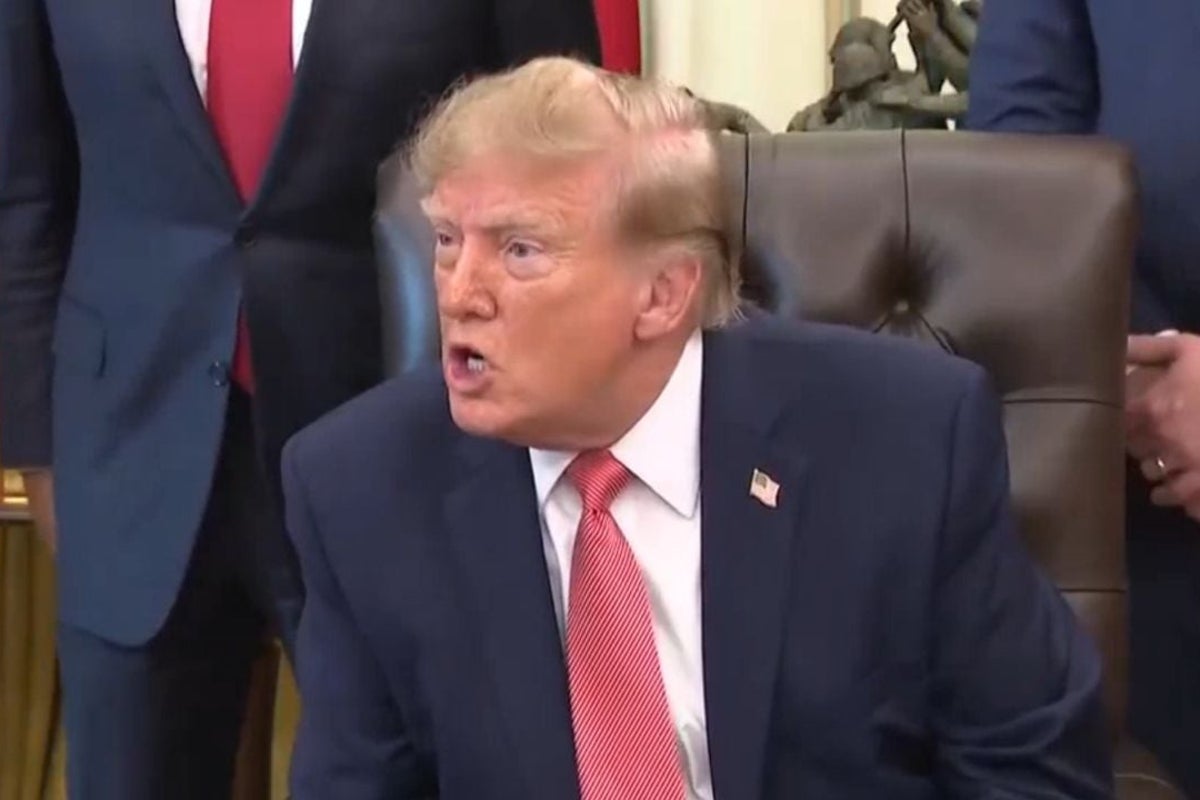
“I don’t know who the hell you are, but you better be careful,” he said, an odd remark considering I’d identified myself not 10 minutes earlier.
asserted
I → know → myself
When the same thing happened minutes later, he lost it completely, calling me a “sick person.”
He added: “I actually think there’s something wrong with you.”
For the record, I had an annual physical earlier this month, and I can report I’m in perfect health.
asserted
I → happen → health
I was doing my job, and I’ll be right back at it tomorrow.
asserted
I → do → it
 The Aporia