We keep hearing about the advantages of qualifying for even a small part-age pension.
asserted
We → keep → pension
Apart from the fortnightly payment, what are the benefits, and why is it considered so important?
asserted
it → consider → payment
Our combined superannuation balances put us above the assets test limit, and we’re wondering whether we should give some money to our children to bring ourselves below the threshold.
asserted
we → combine → threshold
Even a small part-age pension can be valuable because it generally comes with a Pensioner Concession Card, which provides access to cheaper PBS medicines, bulk-billed medical appointments where available, and various state government concessions on expenses such as electricity, council rates, water and transport.
asserted
which → come → electricity
Depending on where you live, these savings can be substantial.
asserted
savings → depend → ?
There may also be advantages under the proposed capital gains tax changes from July 2027, which include an exemption from the minimum 30 per cent tax for people receiving the age pension in the year of sale.
uncertain
which → propose → sale
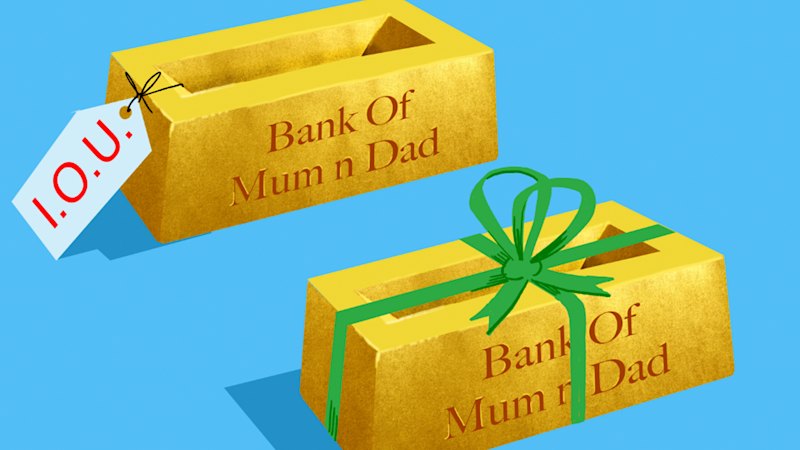
Centrelink’s gifting rules allow a couple to give away $10,000 in a financial year, subject to a maximum of $30,000 over five financial years, without affecting their pension assessment.
asserted
couple → allow → assessment
Amounts above those limits continue to count as assets for five years and are subject to deeming.
asserted
Amounts → continue → deeming
You could therefore give away a substantial sum and still find yourselves ineligible for a pension.
uncertain
yourselves → give → pension
Before making any gifts, check exactly how far you are above the assets test cutoff and whether you might qualify for a Commonwealth Seniors Health Card instead.
uncertain
you → make → Card
That card has no assets test and can provide valuable concessions without the need to give away your savings.
asserted
card → have → savings
My wife, 77, and I, 83, have been retired since 2014 and hold Commonwealth Seniors Health Cards under the grandfathering provisions.
asserted
wife → retire → provisions
We operate our own SMSF, and our individual total superannuation balances are below the relevant limits, with our transfer balance accounts also within our allowances.
asserted
balances → operate → allowances
Our investment income is approximately equal to our minimum annual pension withdrawals, so we have not needed to draw down our capital.
asserted
we → need → capital
Our super fund currently pays no tax.
asserted
fund → pay → tax
Our SMSF also owns all 600 units in a fixed unit trust, which holds a holiday rental property and cash investments in several registered first mortgage loans.
asserted
which → own → loans
At present, the trust distributes its profits to our SMSF as the sole unitholder, and neither the trust nor the fund pays tax on that income.
asserted
trust → distribute → income
My concern is the proposed minimum 30 per cent tax on capital gains made by trusts from July 1, 2027.
asserted
concern → propose → July
Would this tax apply to gains made within our fixed unit trust before the profits are distributed to our SMSF, even though the fund itself is tax-exempt?
asserted
fund → apply → SMSF
They should not be confused.
asserted
They → confuse → ?
The capital gains legislation has been enacted, while the wider trust taxation arrangements are still being developed.
asserted
arrangements → enact → ?
The critical issue in your situation is whether a fixed unit trust wholly owned by an SMSF will retain the benefit of the fund’s tax-exempt status when distributing income and capital gains.
asserted
trust → fix → gains
Given the substantial amounts potentially involved, I would seek specialist advice on the application of the new rules to your particular structure before drawing any firm conclusions.
asserted
I → give → conclusions
I have a hypothetical question about the proposed capital gains tax changes commencing on July 1, 2027.
asserted
I → propose → July
Suppose a 75-year-old retiree lives in a modest home, has a low income derived entirely from a self-managed superannuation fund and has not needed to lodge a tax return for several years.
asserted
retiree → suppose → years
They purchase some Australian shares and subsequently sell them at a small profit.
asserted
They → purchase → profit
Would the capital gain automatically attract the proposed minimum 30 per cent tax, regardless of how little other income they receive?
asserted
they → attract → income
And would they have to start lodging tax returns simply because they made a capital gain?
asserted
they → have → gain
Julia Hartman of Bantacs confirms that you’ve raised an excellent point, and it highlights one of the more extraordinary consequences of the proposed changes.
asserted
it → confirm → changes
If the minimum 30 per cent tax applies to the gain, even somebody whose income is below the tax-free threshold could face a tax liability.
uncertain
income → apply → liability
In theory, you could make a taxable capital gain of just $1 and find yourself liable for 30 cents in tax.
uncertain
yourself → make → tax
Fortunately, the low-income tax offset and the seniors and pensioners tax offset can be used to offset the minimum tax, so minuscule gains would not in themselves require an income tax return to be lodged.
asserted
return → use → themselves
Nevertheless, it could create a tax return lodgement obligation for somebody who hasn’t lodged one for years.
uncertain
who → create → years
There’s an important exception: under the proposed rules, people receiving the age pension in the year of sale would be exempt from the minimum 30 per cent tax.
asserted
people → ’ → tax
Even a small part pension could therefore make an enormous difference.
uncertain
pension → make → difference
Remember, a capital gain itself is generally not treated as income under Centrelink’s age pension income test, although the proceeds and any resulting financial assets may affect your pension entitlement.
uncertain
proceeds → remember → entitlement
It’s another example of how complicated these changes could become.
uncertain
changes → ’ → ?
My spouse and I are homeowners receiving a part-age pension, which we understand is assessed under the assets test.
asserted
we → receive → test
Our assets comprise $30,000 in household contents, $250,000 in shares, $150,000 in cash and $50,000 in motor vehicles.
asserted
assets → comprise → vehicles
I’m finding Centrelink’s deeming rules difficult to understand.
asserted
rules → find → ?
…and 11 more, not listed.
 The Aporia