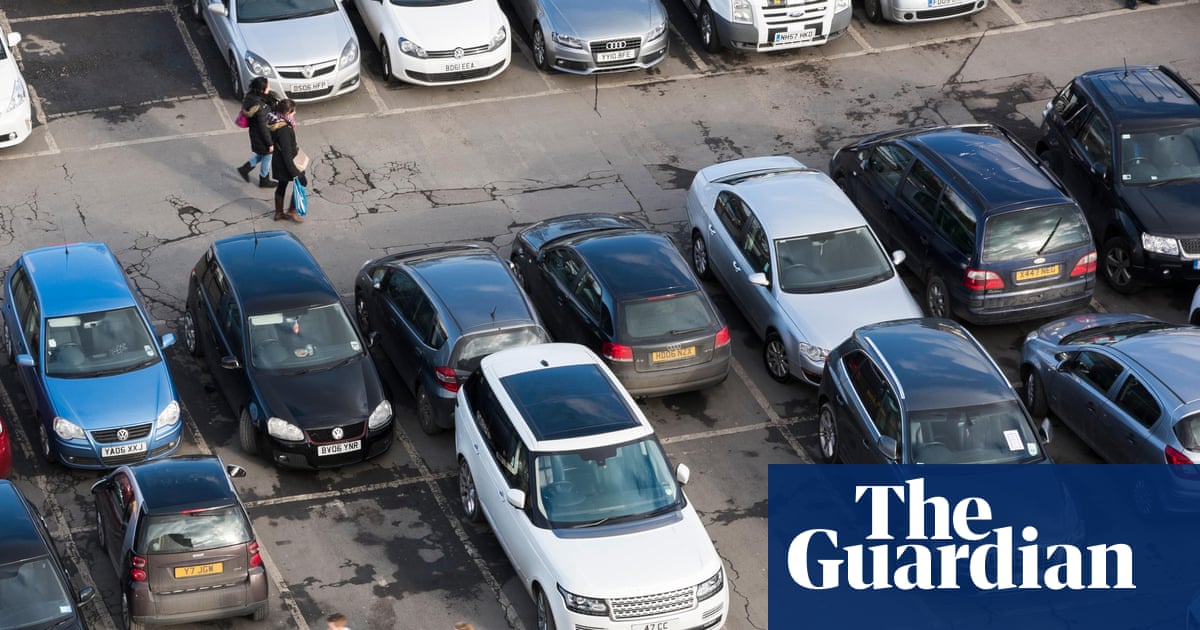
Labour was today accused of ‘surrendering’ to private parking firms after ministers rejected bringing in a lower cap on tickets – at a cost of up to £1.6billion to drivers.
asserted
ministers → accuse → drivers
Prime Minister Andy Burnham led a chorus of praise for the new rules, aimed at getting tough on ‘cowboy’ private firms.
asserted
Burnham → lead → firms
They included a £100 cap on the maximum fine an operator can charge a motorist for parking violations.
asserted
operator → include → violations
But it began to unravel today as critics pointed out this was already the existing cap.
And the Government’s impact assessment revealed ministers rejected the idea of lowering this to £80 despite being told it could ‘benefit’ drivers.
uncertain
it → begin → drivers
Forcing private firms to offer drivers a 50 per cent discount on parking tickets – also known as Penalty Charge Notices (PCNs) – paid within 14 days was also dismissed.
asserted
Forcing → force → days
At present, motorists only get a 40 per cent discount for paying within the time period.
asserted
motorists → get → period
The number of parking tickets issued has increased to almost 14.4 million a year – a 148 per cent increase since 2019 - as the number of private firms has also soared
Prime Minister Andy Burnham led a chorus of praise for the new rules aimed at getting tough on ‘cowboy’ private firms, but they began to unravel today
Tory shadow transport minister Greg Smith said ‘Labour must think we’re fools' over the overhaul, which fails to reduce the cap on the maximum amount a ticket can be issued for
It is 50 per cent for council-issued tickets and campaigners have been calling for years for this to be matched.
asserted
this → issue → years
Ministers also faced criticism for failing to bring in an independent appeals process.
asserted
Ministers → face → process
At present, drivers who want to appeal a ticket must challenge it with one of two bodies funded by the private firms themselves.
asserted
who → want → firms
Critics say it means drivers are less likely to win appeals and amounts to the industry ‘marking its own homework’.
asserted
industry → say → homework
And the new measures failed to ban debt collection sharks from hounding motorists for unpaid tickets, which had been a key demand from motoring groups.
asserted
which → fail → groups
Instead, yet another consultation is to be launched next year into the issue.
asserted
consultation → launch → issue
The impact assessment, published by ministers today after announcing the overhaul last night, revealed that introducing an £80 cap and 50 per cent discount option could have collectively saved drivers up to £1.6billion.
uncertain
introducing → publish → 1.6billion
It said this option was ‘considered favourable as it could ease the cost of living pressure which is a wider government commitment’, adding: ‘In isolation, modelling suggests operator revenues reduce by around £1,579 million over the 10-year appraisal period.’
But despite this, ministers rejected it, claiming reduced revenue may lead to firms hiking parking charges.
uncertain
firms → say → charges
Reducing the cap to £80 but keeping the existing 40 per cent discount option would save drivers around £1.1billion, the impact assessment said, adding that ‘motorists would benefit from lower charges’.
asserted
motorists → reduce → charges
Tory shadow transport minister Greg Smith said: ‘Labour must think we’re fools.
asserted
we → say → ?
‘The war on the motorist is real and Labour is driving it.’
asserted
Labour → drive → it
Howard Cox, founder of the FairFuelUK group, which campaigns to drive down the cost of motoring, said: ‘Labour has bottled it.
‘
asserted
Labour → campaign → it
Ministers were handed the chance to save motorists £1.6 billion, curb excessive parking penalties and create a genuinely independent appeals system.
asserted
Ministers → hand → system
Howard Cox (pictured centre, front), founder of the FairFuelUK group, which campaigns to drive down the cost of motoring, said ‘Labour has bottled it'
The number of private car parks has mushroomed in recent years, from about 10,000 in 2012 to almost 50,000 today
‘Instead, they sided with the parking industry and abandoned drivers.
asserted
they → picture → drivers
Under the new Private Parking Code of Practice, firms would have to abide by new rules which include a ban on automatically charging motorists for entering a car park without paying.
asserted
which → have → park
They will also have to give drivers at least ten minutes to leave car parks after their parking session has expired.
asserted
session → have → parks
Motorists will face a maximum fine of £20 on appeal if they make a mistake such as entering their number plate incorrectly on a ticket machine.
asserted
they → face → machine
If a machine is out of order, operators will not be able to issue fines at all.
The new Code was partly welcomed by some motoring groups, but they added that ministers should have gone further.
asserted
ministers → issue → groups
Simon Williams, the RAC's head of policy, said: ‘We've long called for the banning of debt recovery fees being added on top of parking charge notices and a single independent appeals body to replace the two industry-run ones, but neither have been included, which is disappointing.’
Jack Cousens, head of roads policy at the AA, said: ‘Ultimately, we need to stop charges being issued in the first place, especially where the driver has done nothing wrong.’
asserted
driver → say → nothing
The number of private car parks has mushroomed in recent years, from about 10,000 in 2012 to almost 50,000 today.
asserted
number → mushroom → today
At the same time the number of fines issued has increased to almost 14.4 million a year – a 148 per cent increase since 2019.
asserted
number → issue → 2019
The local government department, which drew up the new rules, was contacted for comment.
asserted
which → draw → comment
 The Aporia