The U.S. economy has remained resilient over the past two years despite a slowing labor market, trade wars and resurgent inflation, but economists are now warning that a convergence of new and lingering threats could test its strength.
uncertain
convergence → remain → strength
The "worry list is growing more worrisome," Ed Yardeni, president and chief investment strategist of Yardeni Research, wrote in a Sept. 14 report.
asserted
Yardeni → grow → report
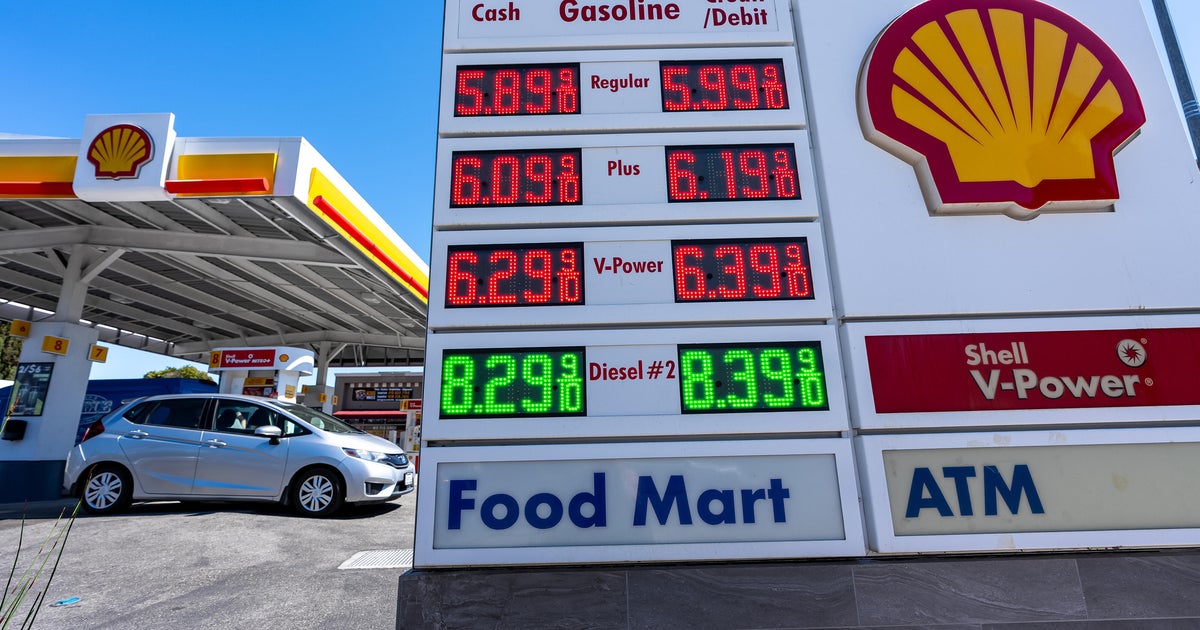
While the U.S. economy $6.23 a gallon on Monday, AAA data shows.
asserted
data → show → Monday
and American consumers are still spending, a number of risks are emerging that could weigh on economic growth and derail the stock market, which has .
uncertain
which → spend → market
The shows no signs of ending, while renewed attacks in the Strait of Hormuz and the Red Sea have pushed oil prices to a four-month high.
asserted
attacks → show → high
U.S. diesel prices hit a new record high of"There is no shortage of worries for investors in the current environment," Yardeni said.
asserted
Yardeni → hit → environment
"The list includes higher oil prices amid escalating tensions in the Middle East, rising bond yields around the world, sticky inflation, and a Federal Reserve that will likely deliver a [0.25 percentage point] rate hike" on Wednesday.
asserted
that → include → Wednesday
Here are the top risks for the U.S. economy, according to economists and Wall Street analysts.
uncertain
risks → accord → economists
Inflation fueled by an energy shock
Oil prices have climbed in recent weeks, with Brent crude, the international benchmark, hitting $108.45 on Monday as fighting in the Middle East continues to squeeze global oil flows.
asserted
fighting → fuel → flows
Inflation has eased slightly from May, when it hit a three-year high, but the recent rise in oil prices threatens to keep prices elevated.
uncertain
rise → ease → prices
The Consumer Price Index in August showed prices rose at an annual pace of 3.4%, higher than economists had forecast and well above the Federal Reserve's annual 2% target.
asserted
economists → show → target
Low- and middle-income households are feeling the pinch most acutely, according to Oxford Economics, citing the University of Michigan's most recent consumer sentiment index, which fell this month to its second-lowest level on record.
uncertain
which → feel → record
"Consumer sentiment eroded more than expected in September, with rising gasoline prices and renewed talk of tariffs taking a particular toll on consumers' expectations for the economy over the next year," Oxford Economics said in a research note.
asserted
Economics → erode → note
With ongoing hostilities in the Middle East, there's a risk that global oil prices could push , Goldman Sachs said earlier this month.
uncertain
Sachs → be → East
That would add to the surging fuel costs Americans have faced during the Iran war, while adding new pressures to U.S. businesses.
asserted
Americans → add → businesses
"If sustained long enough, higher energy costs could eventually weigh on economic growth," Yardeni said.
uncertain
Yardeni → sustain → growth
The Federal Reserve will make its next interest rate decision on Wednesday.
asserted
Reserve → make → Wednesday
Many economists expect policymakers to lift the federal funds rate for the first time in more than three years, with some Wall Street analysts also predicting additional hikes.
asserted
analysts → expect → hikes
"The bigger risk is that September is not one and done," Yardeni wrote.
asserted
Yardeni → do → ?
A series of interest rate increases would ratchet up borrowing costs for consumers and businesses, while also tempering inflation by slowing economic growth.
asserted
series → ratchet → growth
At the same time, a string of hikes could "tighten financial conditions and could pressure both earnings growth and valuation multiples," placing downward pressure on stock prices, Yardeni said.
uncertain
Yardeni → tighten → prices
The federal government's fiscal situation also poses a risk, given that the national debt has just passed a record $40 trillion.
asserted
debt → pose → trillion
The U.S. already spends more on interest payments to service its debt than it does on national defense or Medicare.
asserted
it → spend → defense
The federal government could face even higher debt costs if the Federal Reserve boosts interest rates, as the U.S. would need to pay investors higher yields.
uncertain
U.S. → face → yields
"If interest rates keep rising, higher debt-service costs will worsen the budget deficit outlook and require more Treasury issuance," Yardeni said.
asserted
Yardeni → rise → issuance
A deflating AI bubble
Although the stock market isn't the economy, rising equity valuations have increased household wealth, lifted retirement balances and minted
in the U.S.Much of the stock market's gains have been fueled
asserted
increased → deflate → gains
But investors are increasingly questioning whether the earnings generated by artificial intelligence will justify the enormous sums companies are spending on the technology.
asserted
companies → question → technology
Upper-income consumers, bolstered by their stock market gains, have proved more resilient than lower-income households during the past two years.
asserted
consumers → bolster → years
That is sometimes described as the "K-shaped economy," with wealthier consumers representing the upper arm of the K.
But a stock market downturn could threaten that part of the economy, Brandon Zureick, chief economist at Johnson Investment Counsel, told CBS News.
uncertain
Zureick → describe → News
"That upper end of the K is, in our opinion, certainly anchoring overall consumer spending and growth, while near the bottom end of the K, real incomes are kind of barely keeping up with the cost of living," Zureick said.
asserted
Zureick → anchor → living
If AI valuations fall and pull the broader market lower, "You could definitely see consumer spending slow," he added.
uncertain
he → fall → market