Scientists uncover devastating damage to marine life 16 years after BP oil disaster

Read the original at The Independent ↗
Cite

Borenstein, S. (2026, October 20). Scientists uncover devastating damage to marine life 16 years after BP oil disaster. The Independent. https://www.independent.co.uk/news/world/americas/deepwater-horizon-gulf-mexico-marine-b3069658.html

Dated from the outlet's own feed. Check the original for its byline.

The Independent · collected 2026-10-20 · by Seth Borenstein

Quick Summary

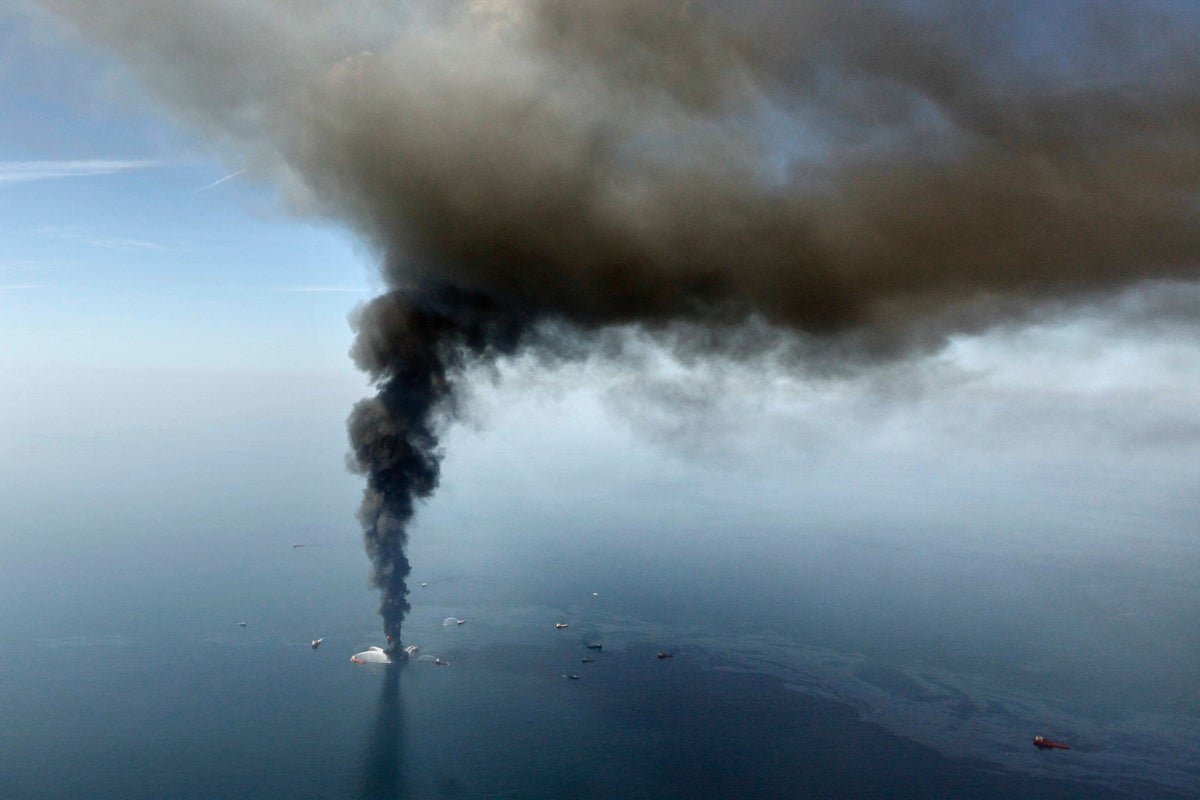
A new study published in PNAS reveals that marine populations in the deep waters of the Gulf of Mexico have declined by about 60 percent since the 2010 Deepwater Horizon explosion. Fish numbers fell by 63.5%, crustaceans dropped by 62%, and larger creatures like squid and octopuses declined by 59.7% between 2011 and 2015, with little evidence of recovery since then. The research, conducted in the "twilight zone" where marine life feed on smaller organisms, attributes this decline to the BP oil spill rather than natural environmental factors.
Written locally by qwen2.5:14b on 2026-10-20, using this article's own text rather than the other coverage of the same event (that is the story summary below).

AI analysis runs on qwen2.5:14b, locally

Story summary

In a study published in the journal PNAS on Monday, researchers found that marine animal populations in the deep waters of the Gulf of Mexico dropped by about 60% following the 2010 Deepwater Horizon oil spill. Specifically, fish numbers fell by 63.5%, crustaceans like shrimp and krill declined by 62%, and larger animals including squid and octopuses decreased by 59.7%. These populations have shown little sign of recovery over the past 16 years. The study focused on the "twilight zone," a vast area above the seafloor that had not been studied extensively before the spill, where marine life such as dolphins and whales feed. This research highlights the long-lasting environmental impact of industrial disasters in otherwise unseen parts of the ocean.

Written for “BP Oil Spill Impact On Marine Life” on 2026-10-20, grounded in this article and the 2 other(s) covering the same event.
Why this leaning score
This article does not take a side on a contested political question, so it has no leaning score. That is an answer rather than a gap: a match report or a rescue can be warmly or critically written without being left or right, and scoring it anyway is how approval of a subject gets recorded as a political position.
No political leaning scored for article 92736 · logged 2026-10-20

Story

📰 BP Oil Spill Impact On Marine Life
Environment · 3 article(s) covering the same event. Compare every outlet's account →

Compared with similar articles

This article reads unscored and hedges 9% of its claims. Each row says how that neighbour differs.
Toronto Star
⚖️ leaning not scored 🔴 8% hedged 3 of 38 📰 publisher trust 63
“Both articles report on the same study about the dramatic decline in marine life in the Gulf of Mexico following the BP Deepwater Horizon oil spill in 2010.”
ABC News (US)
⚖️ leaning not scored 🔴 0% hedged 0 of 2 📰 publisher trust 59
“Both articles report on the same scientific study revealing long-term effects of the BP oil spill in the Gulf of Mexico.”
How this article was measured signals, leaning charts, publisher record, byline, topics and claims

Signals How these are calculated →

Claims extracted
34
sentences that state something as happening or true
Uncertain
9%
3 of 34 hedged ("reportedly", "may", "according to")
Leaning
not political
takes no side on a contested political question
Publisher signals
59/100
The Independent's corrections and hedging, across everything collected from it. Not a measure of accuracy.
Outlets on this story
3
Environment
Same framing elsewhere
1
articles that frame the event the way this one does
Analyzed 2026-10-20 · how these are computed

How this is being covered How these are calculated →

Article leaning vs. publisher reliability
Source leaning vs. consistency

Publisher

The Independent · 2650 article(s) · 6 correction(s) detected
Running correction rate · 6 correction(s)

Who wrote this

Seth Borenstein
9 article(s) here · 1 carrying a prediction
🔮 So we looked at all of the natural variables we thought could account for it, namely temperature, oxygen supply and food.
🔮 Log in El Niño is set to shape the season ahead with the federal government's official winter outlook and other meteorologists' forecasts pointing to a wetter and warmer few months for the United States, though not necessarily snowier.
🔮 “El Niño and climate change both made this hurricane stronger than it would have otherwise been, but the effect of climate change is even bigger than the one of El Niño,” said climate scientist and study co-author Friederike Otto, who coordinates the international science team behind World Weather Attribution.
🔮 “Since September 20th, when Odalys formed, it’s been berserk,” said Colorado State University researcher Phil Klotzbach, who forecasts and studies storm activity.
🔮 The weakest is a Category 1, with winds of 74-95 mph (120-150 kph) and it will have dangerous winds that produce some damage.
🔮 In the global power game of the United Nations General Assembly, small island states, like Palau, are often on the sidelines, offering moral advice to the mighty who don’t always listen.
🔮 Subeksha Khadka, a humanitarian and former Miss Nepal International, in an online interview, praised Shah’s speech and echoed the warning: “This time Nepal has been on the target, but it could be anyone.
🔮 Armed with a new U.N. science report that warns of a slight but real potential of catastrophic and irreversible harm, U.N. Secretary-General Antonio Guterres kicked off the parade of world leaders speaking at the General Assembly by calling for more oversight of AI, warning in vivid if not ominous terms of what could go wrong.
Also by Seth Borenstein
Nothing else under this byline is closely related to this article, so these are simply their most recent.
All 9 articles by Seth Borenstein →

Topics

Independent Nova Southeastern University PNAS Sutton the University of South Carolina

Subjects

Sutton PERSON · 6× Independent NORP · 1× Isabel Romero PERSON · 1× Nova Southeastern University ORG · 1× PNAS ORG · 1× Paul Takahashi PERSON · 1× Rita Colwell PERSON · 1× Tracey Sutton PERSON · 1× the University of Maryland ORG · 1× the University of South Carolina ORG · 1×

Narrative

Because we can’t see these regions, there is a tendency to assume everything is fine, but here we have a clear result showing that something went very wrong," Scripps Institution of Oceanography marine scientist Kaitlin Frasier said in an email. Frasier, who was not involved in the study, previously authored a 2024 paper showing Gulf whale and dolphin population drops of up to 83 percent. Dalhousie University marine scientist Boris Worm added: "It’s shocking how a single failure in a drilling rig can have this vast and sustained impact over thousands of square kilometers, with little visible recovery over 13 years after the spill."
framing: assertive · carried by 1 article(s) · first seen 2026-10-20
🔮 So we looked at all of the natural variables we thought could account for it, namely temperature, oxygen supply and food.

Claims (34 extracted, 3 hedged)

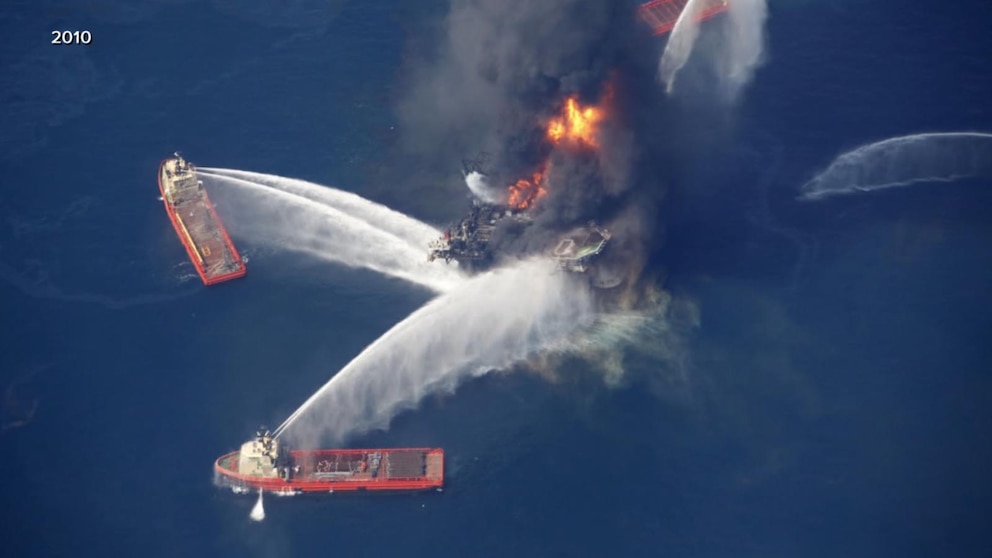
Marine populations in the deep waters of the Gulf of Mexico plummeted by roughly 60 percent in the years following the 2010 Deepwater Horizon explosion, with little evidence of recovery, a new study has revealed. asserted
study → plummet → recovery
In a critical mid-water area of the Gulf where the BP-operated well failed—releasing 134 million gallons of oil—fish numbers fell by 63.5 percent between 2011 and 2015. asserted
numbers → operate → 2011
According to research published on Monday in the journal PNAS, crustaceans such as shrimp and krill dropped 62 percent, while larger creatures including squid and octopuses declined by 59.7 percent. uncertain
creatures → accord → percent
The findings indicate these marine populations have not come close to recovering. asserted
populations → indicate → ?
Researchers focused on the ocean’s "twilight zone," an expansive region above the seabed where marine life, including dolphins and whales, feed on smaller creatures. asserted
life → focus → creatures
Little was known about this massive ecosystem, as it had not been evaluated prior to the 2010 disaster, noted lead study author Tracey Sutton, a biological oceanographer at Nova Southeastern University. asserted
Sutton → know → University
A 2011 post-spill survey used six sets of nets at varying depths, along with acoustic sonar, to assess sea life between the surface and 5,000 feet deep (1,500 meters). asserted
survey → use → surface
Returning to the identical location with the same equipment three and a half years later, scientists discovered that marine life had dropped to between one-third and one-quarter of its 2011 levels. asserted
life → return → levels
"We saw this big decline," Sutton said. asserted
Sutton → see → decline
So we looked at all of the natural variables we thought could account for it, namely temperature, oxygen supply and food. uncertain
we → look → it
None of those vary with the decline. asserted
None → vary → decline
The event that did was the oil spill. asserted
that → do → ?
So we think that’s the most likely cause of the decline. asserted
that → think → decline
" Ongoing sampling through 2015 and beyond showed populations remained suppressed, with slight upticks in 2022 and 2023 that proved statistically insignificant and temporary, Sutton explained. asserted
Sutton → ongoe → 2022
The research team documented the collapse using net catches, acoustic sonar data, and genetic analyses showing reduced genetic diversity from inbreeding. asserted
team → document → inbreeding
While the initial explosion killed 11 workers and nearly five months of leaking petroleum caused widespread immediate deaths, surviving animals passed absorbed pollutants into their eggs, leaving subsequent generations increasingly compromised, Sutton noted. asserted
Sutton → kill → generations
BP spokesperson Paul Takahashi said the accident "forever changed" the company: "We have made many changes intended to help prevent an event like this from ever happening again. asserted
We → say → this
" Both crude oil and chemical cleanup dispersants caused harm, though in distinct ways, co-author Isabel Romero, a chemical oceanographer at the University of South Carolina, said. asserted
Romero → cause → Carolina
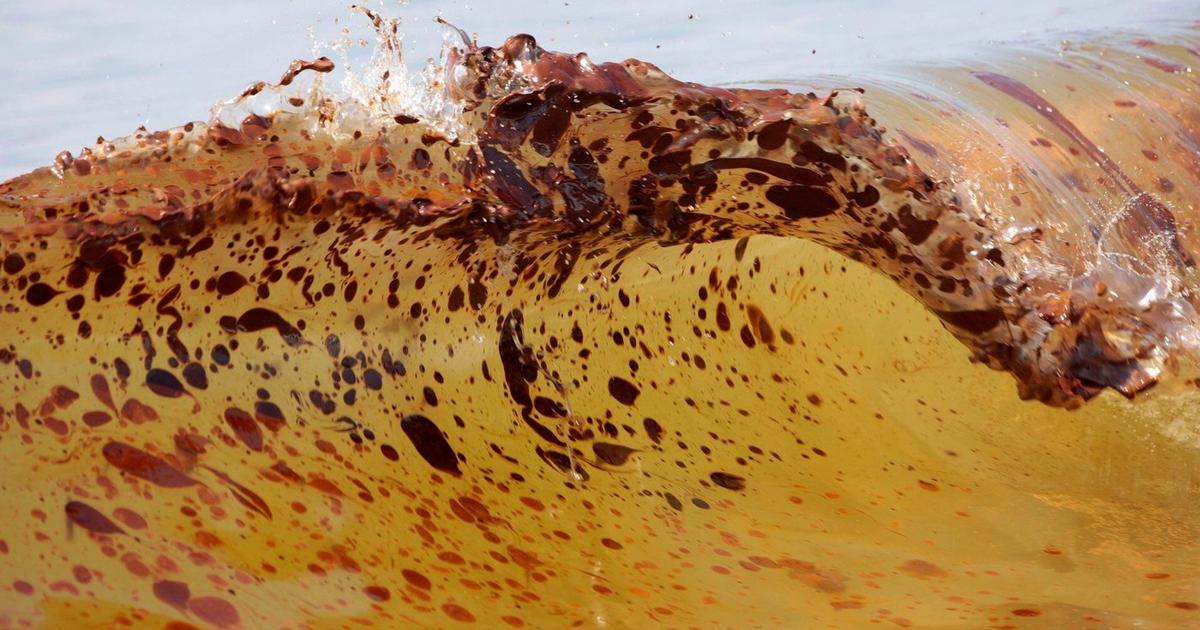
Oil poses a broader toxic threat, but dispersants broke it into tiny droplets, increasing exposure for organisms living deeper in the water column. asserted
dispersants → pose → column
Rita Colwell, an environmental microbiologist at the University of Maryland who led a 10-year, $500 million BP-funded research program, noted that future cleanup efforts should avoid chemical dispersants and instead use agents that promote oil-degrading microbes. asserted
that → lead → microbes
Although an exact direct causal link cannot be definitively proven, Sutton stated that ruling out natural environmental factors leaves the spill as the logical cause. asserted
ruling → prove → cause
Krill numbers dropped 72 percent, lanternfish fell to one-third of prior levels, and deep-sea dragonfish suffered severe losses. asserted
dragonfish → drop → losses
"These are foundational species," Sutton said. asserted
Sutton → say → ?
"They're the things most things eat. asserted
things → eat → ?
So it's no wonder that we had wholesale changes across the community." asserted
we → have → community
The findings also highlighted how connected the deep ocean is to the upper layers. " asserted
ocean → highlight → layers
One of our biggest findings from the whole thing is how connected the whole oceanic Gulf is from top to bottom because the animals move up and down," Sutton said. asserted
Sutton → move → bottom
"There are predators at the top that dive deep. asserted
that → be → top
Lots of things that are deep that come up at night. asserted
that → come → night
So the system is one very large pulsing system, rather than just a layered system like people might have thought beforehand." uncertain
people → pulse → system
Outside scientists expressed serious concern over the findings. " asserted
scientists → express → findings
We know more about space in some ways than we do about the inner ocean. asserted
we → know → ocean
Because we can’t see these regions, there is a tendency to assume everything is fine, but here we have a clear result showing that something went very wrong," Scripps Institution of Oceanography marine scientist Kaitlin Frasier said in an email. Frasier, who was not involved in the study, previously authored a 2024 paper showing Gulf whale and dolphin population drops of up to 83 percent. Dalhousie University marine scientist Boris Worm added: "It’s shocking how a single failure in a drilling rig can have this vast and sustained impact over thousands of square kilometers, with little visible recovery over 13 years after the spill." asserted
failure → see → spill
He and Colwell emphasized that these long-term impacts should serve as a warning as global debates continue over deep-sea mining and expanded deep-water oil drilling. asserted
debates → emphasize → mining

💬Give feedback
🕘History 🎫Support