The Aporia

Ma, S. (2026, October 19). US, China should learn from Cold War-era arms control to tackle AI risks: ex-US official. South China Morning Post. https://www.scmp.com/economy/global-economy/article/3371382/us-china-should-learn-cold-war-era-arms-control-tackle-ai-risks-ex-us-official?utm_source=rss_feed
Ma, Sylvia. “US, China should learn from Cold War-era arms control to tackle AI risks: ex-US official.” South China Morning Post, 19 Oct. 2026, https://www.scmp.com/economy/global-economy/article/3371382/us-china-should-learn-cold-war-era-arms-control-tackle-ai-risks-ex-us-official?utm_source=rss_feed.
Ma, Sylvia. “US, China should learn from Cold War-era arms control to tackle AI risks: ex-US official.” South China Morning Post, October 19, 2026. https://www.scmp.com/economy/global-economy/article/3371382/us-china-should-learn-cold-war-era-arms-control-tackle-ai-risks-ex-us-official?utm_source=rss_feed.
Dated from the outlet's own feed. Check the original for its byline.
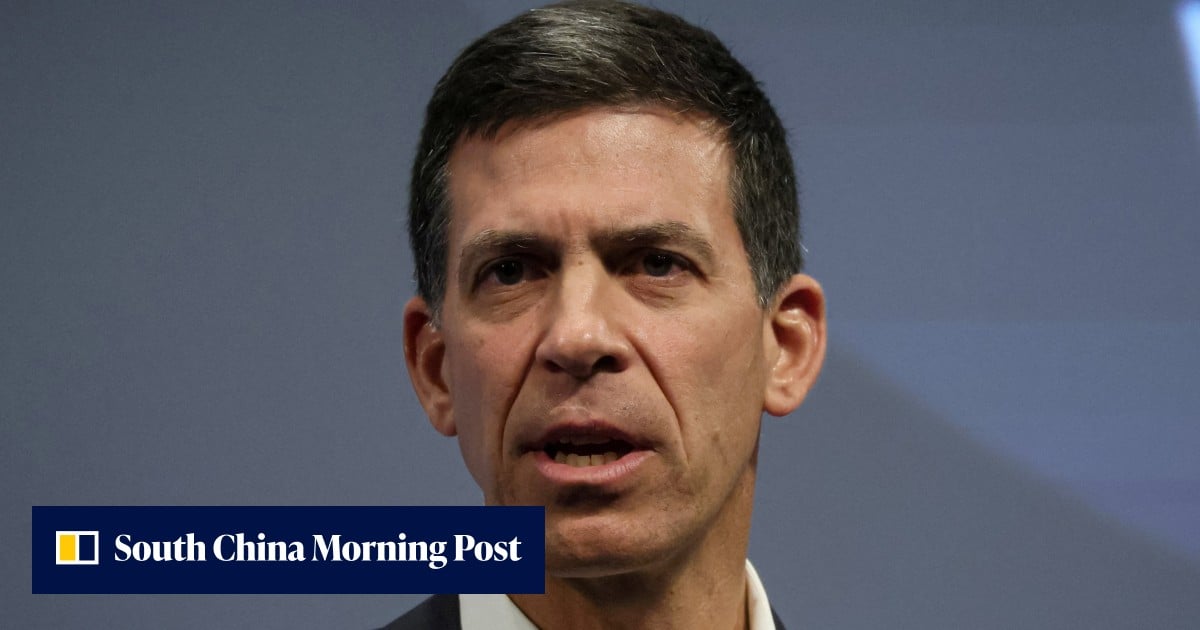
A former US Treasury secretary, Robert Rubin, has called for China and the United States to cooperate on artificial intelligence risks, drawing a parallel with Cold War-era arms control agreements like the Strategic Arms Limitation Talks (SALT) between the US and Soviet Union. Speaking at the Bund Summit in Shanghai on Monday, Rubin urged both nations to set aside their mutual distrust and work together to address AI-related threats that could severely impact both countries. Rubin, who served as Treasury secretary under President Bill Clinton from 1995 to 1999, also highlighted the need for action to tackle global economic imbalances.
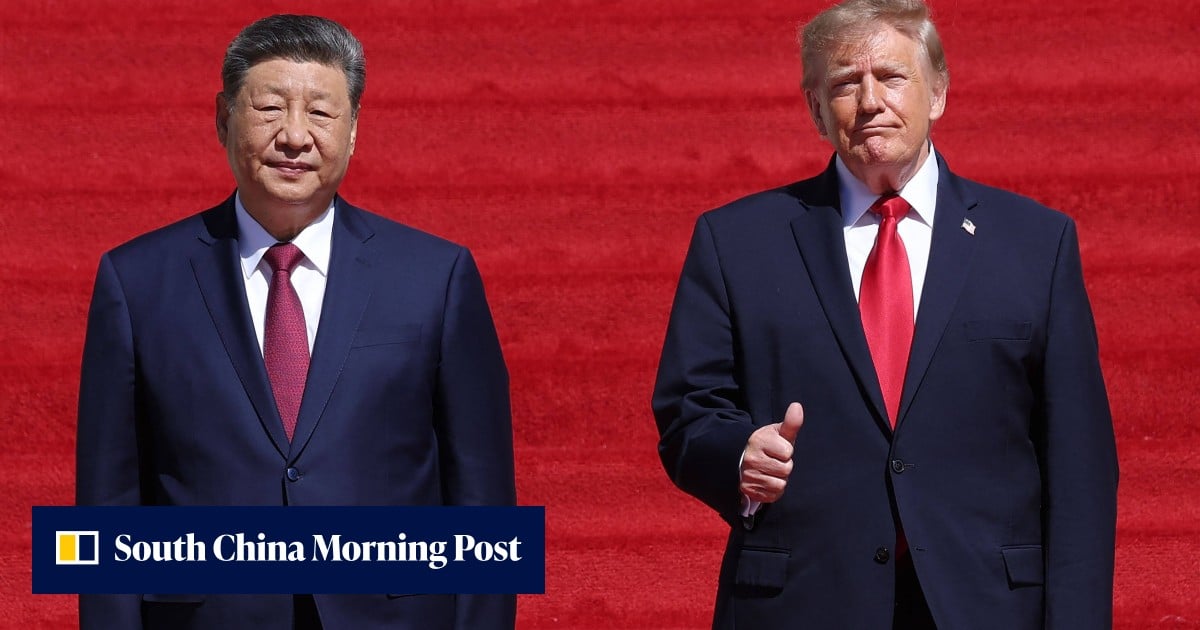
Washington and Beijing should put aside their mutual distrust to address the risks posed by artificial intelligence, much as the United States and Soviet Union cooperated on nuclear arms control during the Cold War