- Published
Two Russian men secretly working for Ukraine's intelligence services have given rare accounts of operations they claim to have been involved with, that have targeted military assets and personnel inside Russia.
uncertain
that → publish → Russia
One of the men, whom we are calling Ivan, claims to have played a role from Russia in Ukrainian drone attacks on strategic bombers and munitions factories on his home soil.
He features in a BBC World Service documentary about the shadowy world of Russian saboteurs.
The documentary, by independent Polish journalist Marcin Mamon, also features a man we are calling Foma, a Russian living in exile in Poland.
Foma runs a network of undercover volunteers in Russia, that surveils high-level officers that the GUR - Ukraine's military intelligence service - is considering targeting, he says.
uncertain
he → call → that
He stresses they are never involved in the attacks themselves.
asserted
they → stress → attacks
He was also tight-lipped about who they were surveilling, but after Lt Gen Fanil Sarvarov was assassinated in December last year in Moscow, Foma admitted he had provided the Ukrainians with intelligence on him.
asserted
he → surveille → him
There have been previous media reports of Russian sabotage groups, but it is rare to get access to someone operating on the ground, like Ivan, explaining alleged activities.
asserted
it → get → activities
The GUR has confirmed that Ivan and Foma are both working for the agency.
asserted
Ivan → confirm → agency
But it also has acknowledged that it cannot know the full picture.
asserted
it → acknowledge → picture
When Ivan's handler was pressed on whether he could be trusted, the handler replied: "I'm not sure of anyone, except myself."
uncertain
I → press → myself
And both the GUR and the men are cautious about how much detail they share, making it impossible to verify the activities the men claim to have carried out.
The broad tactics Ivan and Foma describe, however, have been acknowledged by the Ukrainian authorities.
uncertain
Ivan → share → authorities
Kyiv has spoken of its strategy of co-ordinated drone attacks on what it claims are legitimate targets inside Russia, and has acknowledged it uses secret agents for this.
uncertain
it → speak → this
As a matter of policy, Ukraine never officially admits or claims responsibility for targeted attacks, though a Ukrainian intelligence officer has previously admitted to the BBC it was behind the killing of senior military figure Lt Gen Igor Kirillov in December 2024.
uncertain
it → admit → December
It is difficult to confirm how many Russians are doing this kind of work for Ukraine.
asserted
Russians → confirm → Ukraine
According to Foma, they number about 300-500, though this is impossible to verify.
uncertain
this → accord → 500
If you are outside the UK, watch on YouTube, external and listen to the BBC World Service Documentary Podcast - Shadowmen:
asserted
you → watch → Podcast
Russians working with Ukraine
Ivan and Foma say they are both opposed not just to Russia's war in Ukraine, but to President Vladimir Putin's regime - and believe his political future depends on the war's outcome.
asserted
future → work → outcome
"At the moment... I think the [Putin] regime might fall if they lose the war…
uncertain
they → think → war
Through our actions... we are trying to speed this up," Ivan says.
asserted
Ivan → try → this
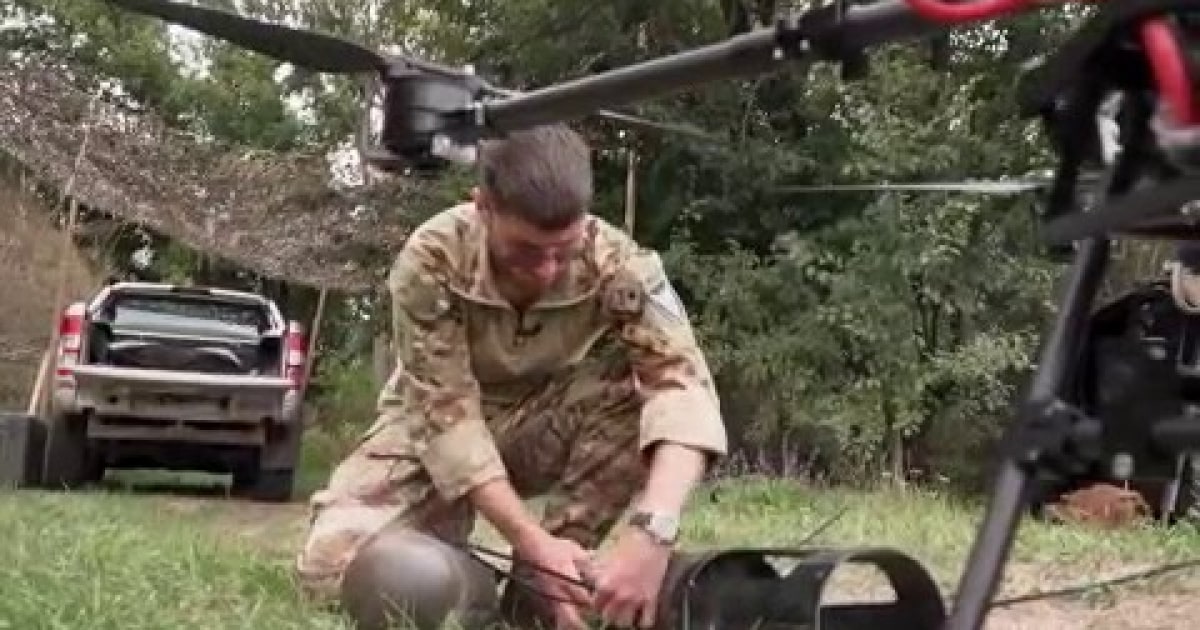
His work, he told Mamon, involved surveilling military sites, and locating places to hide drone components, in preparation for potential attacks on Russian assets.
asserted
he → tell → assets
"When these [drone] components are combined… it turns out a formidable weapon, which with a single blow can destroy an object that costs many, many millions of dollars," Ivan said.
asserted
Ivan → combine → dollars
He sent Mamon a video which showed him apparently hiding explosives near a Russian military airfield.
asserted
him → send → airfield
If he had been caught, he would have been charged with terrorism, and jailed for decades.
asserted
he → catch → decades
Foma's work is different - he operates remotely, training his volunteers in Russia, online.
asserted
he → operate → Russia
Mamon watched him conducting one such tutorial - on how to trail a senior military official marked for surveillance.
asserted
him → watch → surveillance
"You will get a file... from me or a colleague… with the proposed target.
asserted
You → get → target
The file will contain [the target's] photo, his data, his details, date of birth, age, and a description of him.
asserted
file → contain → him
There'll be information on his car, if he has one.
asserted
he → have → one
When you go to the target, don't take a phone," he told his volunteers.
asserted
he → go → volunteers
Foma was once part of the Russian elite, so he claims to have a unique set of contacts and constant flow of insider information.
uncertain
he → claim → information
He showed Mamon on his laptop how he mapped military targets.
asserted
he → show → targets
"This shows a database... the location of storage warehouses, and military units.
asserted
This → show → warehouses
Where generals live… Where the pilots of strategic bombers who shell Ukraine live.
asserted
who → live → Ukraine
"In order to break the system, you need to understand how it works.
asserted
it → break → system
Then you can aim for their weak points."
asserted
you → aim → points
He said there were about "three dozen" people in his network split between Russia, Ukraine and elsewhere in Europe, with the contingent outside Russia providing logistical support, such as tracking targets' digital footprints.
asserted
contingent → say → footprints
Foma stressed that the GUR suggests the targets to be surveilled, but that he and his team check for themselves that these individuals should be considered military criminals.
uncertain
individuals → stress → themselves
"As a rule… we also check the data [on that person]…
asserted
we → check → person
Only after that we say whether we work or not."
asserted
we → say → that
But he argued that his team's actions were justified.
asserted
actions → argue → ?
"I want people who do terrible things on behalf of Putin and Russia in Ukraine… to understand that they'll have to pay for it.
asserted
they → want → it
I want them to get scared."
asserted
them → want → ?
…and 36 more, not listed.
 The Aporia