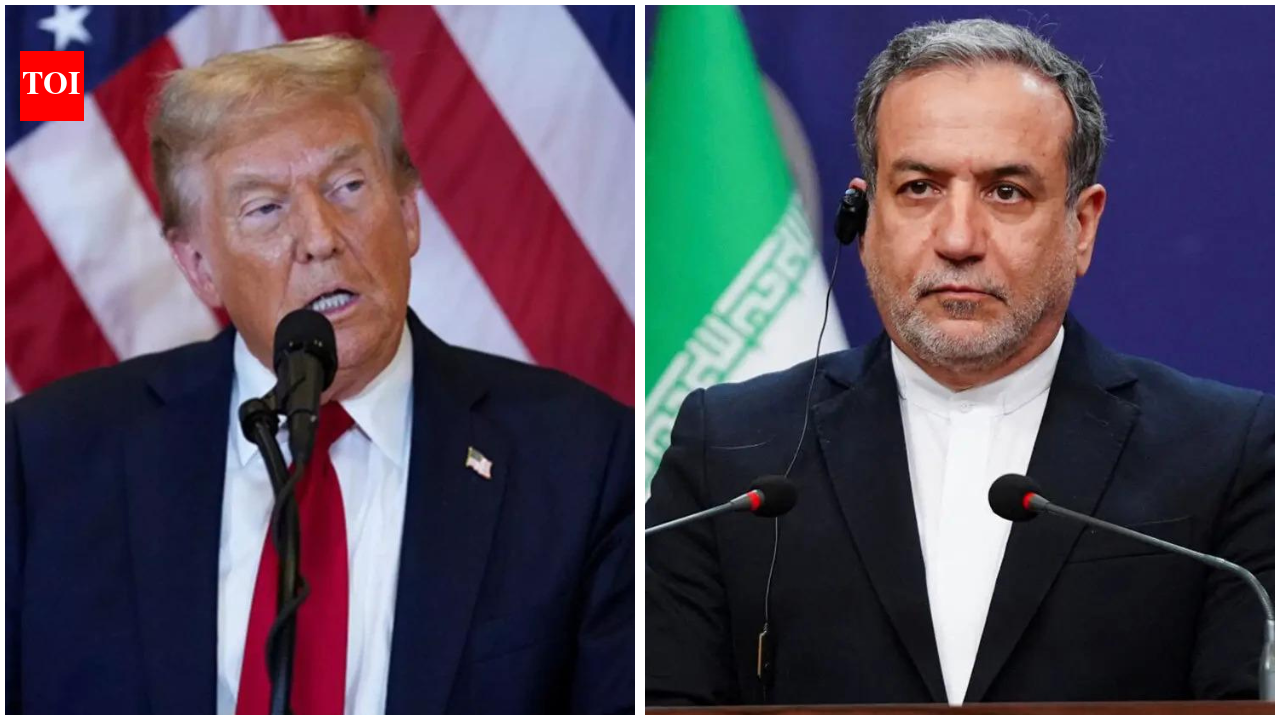
Iran’s offer to reopen the Strait of Hormuz within seven days remains on the table, foreign minister Abbas Araqchi said on Sunday, as Tehran and Washington remain at odds over the conditions for ending their eight-month war.
asserted
Tehran → reopen → war
Speaking to Iranian media outlets in Baghdad, where he was attending a meeting of the Organisation of Islamic Cooperation (OIC), Araqchi said Tehran was reviewing Washington’s response to its proposal but accused the United States of lacking the honesty needed to reach an agreement.
“Our situation is clear and based on the seven-days proposal presented to the US.
asserted
situation → speak → US
They shared comments which we are reviewing, but our proposal is still on the table and if there is any honesty on the US part, which there isn't, the way to reopening the Strait of Hormuz is obvious
asserted
way → share → Hormuz
,” Araqchi said, according to Reuters.
uncertain
Araqchi → say → Reuters
Iran presented the proposal in mid-September after an interim ceasefire collapsed.
asserted
ceasefire → present → September
Tehran later acknowledged receiving a US response, but Iran’s security chief said last week that negotiations had stalled because Washington had failed to address all seven conditions for reopening the strategic waterway.
asserted
Washington → acknowledge → waterway
Araqchi said the strait could reopen within six days if the United States accepted Iran’s conditions, with negotiations resuming the following day.
uncertain
negotiations → say → conditions
Iran sets conditions for reopening the strait
Iran’s demands include lifting the US blockade on its ports, removing American sanctions on Iranian oil exports and ending hostilities across all regional fronts.
asserted
demands → set → fronts
A major sticking point in the negotiations has been Washington’s insistence that Iran’s nuclear programme be addressed from the outset.
asserted
programme → address → outset
Tehran, however, wants discussions to initially focus on reopening the Strait of Hormuz and restoring security in the waterway.
asserted
discussions → want → waterway
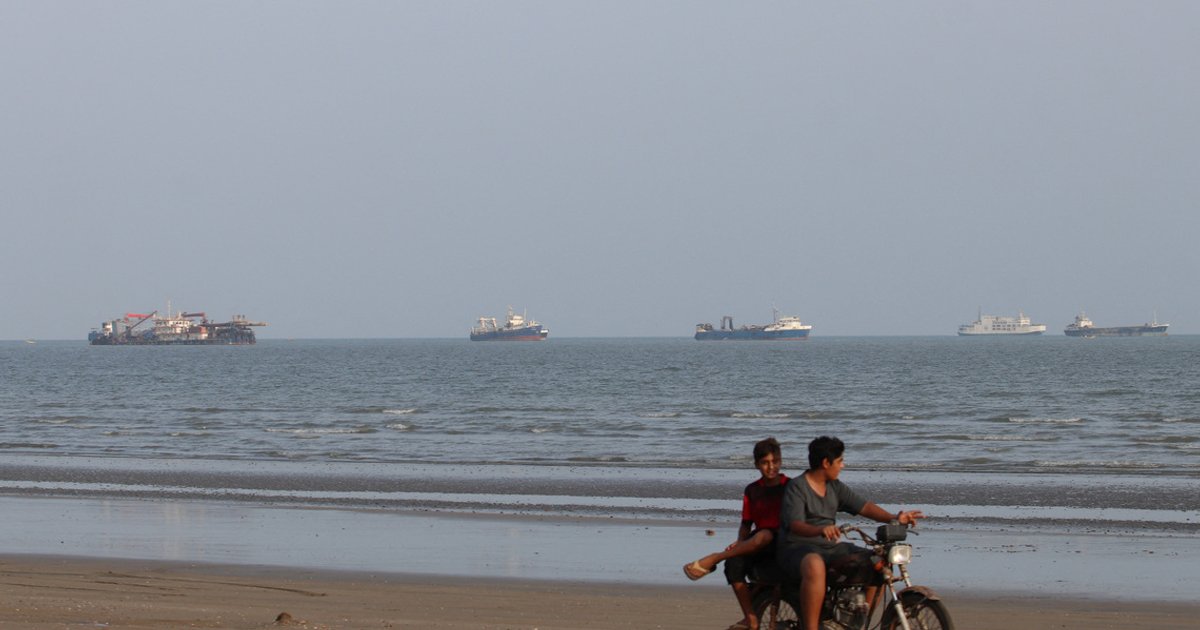
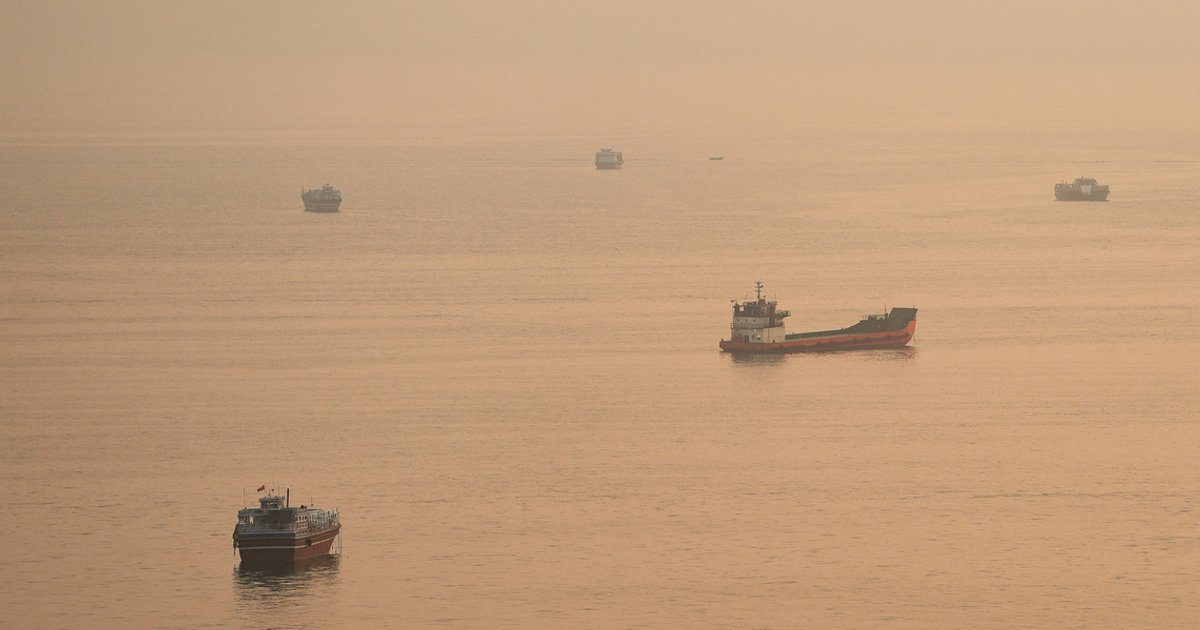
Before the war, the strait carried around a fifth of global oil and liquefied natural gas (LNG) trade, making its reopening a key issue in efforts to restore regional shipping and energy flows.
asserted
reopening → carry → shipping
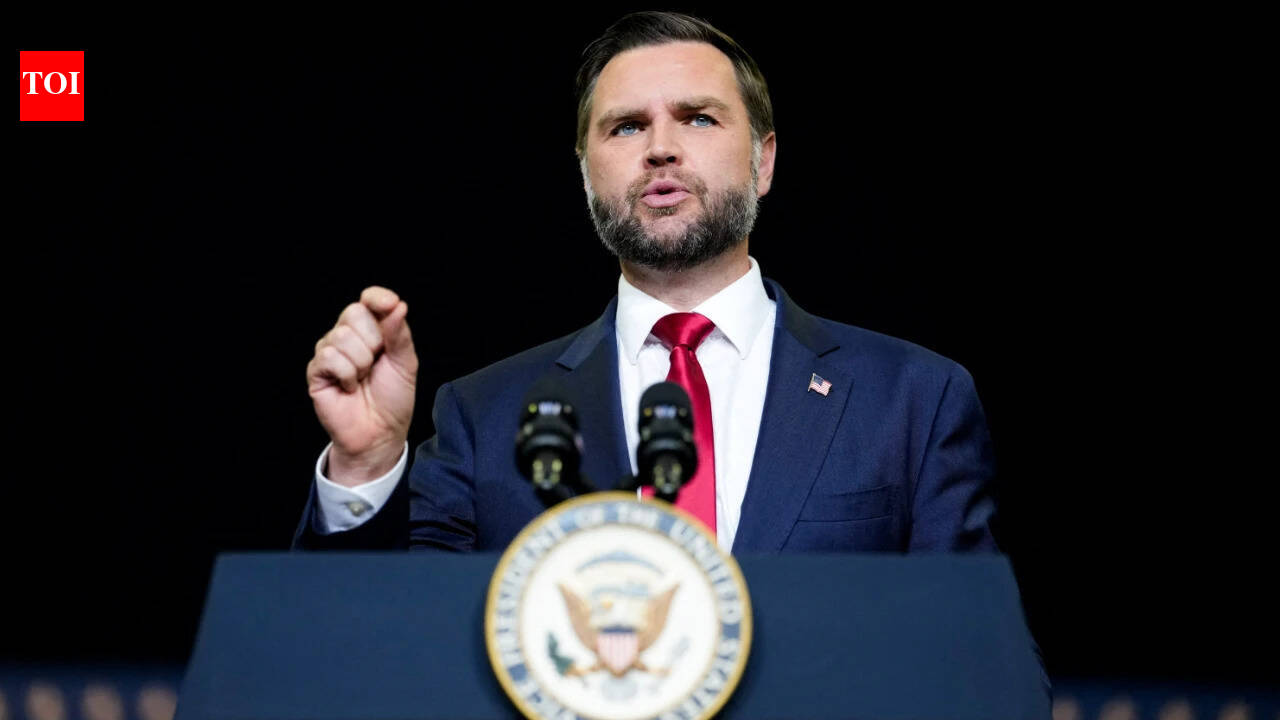
US Vice President JD Vance said earlier this month that Iran must make a “meaningful” reduction in its uranium enrichment capacity to meet Washington’s demands and bring the conflict to an end.
asserted
Iran → say → end
Tehran accuses Washington of disrupting diplomacy
Araqchi has also accused the United States of undermining diplomatic efforts.
asserted
Araqchi → accuse → efforts
Speaking at the OIC Council of Foreign Ministers meeting, he said Washington had chosen “aggression, threats, assassination, and economic warfare, with blatant disregard for international law and the United Nations Charter”, according to Al Jazeera.
uncertain
Washington → speak → Jazeera
He said Iran would not accept pressure but remained open to negotiations.
asserted
Iran → say → negotiations
“Iran does not accept coercion, threats, or intimidation, and will not relinquish its sovereign rights under pressure…
asserted
Iran → accept → pressure
But it remains ready for dialogue based on mutual respect and credible guarantees,” Araqchi said.
asserted
Araqchi → remain → respect
The Iranian foreign minister also met Iraqi Prime Minister Ali al-Zaidi on the sidelines of the OIC meeting, according to Iran’s state-run IRNA news agency.
uncertain
minister → meet → agency
Iranian deputy foreign minister Saeed Khatibzadeh has separately stressed that hostilities must end across all fronts to achieve lasting peace in the region.
asserted
hostilities → stress → region
He said continued fighting in any area would prolong the wider conflict, according to IRNA.
uncertain
fighting → say → IRNA
Trump predicts a swift end to the war
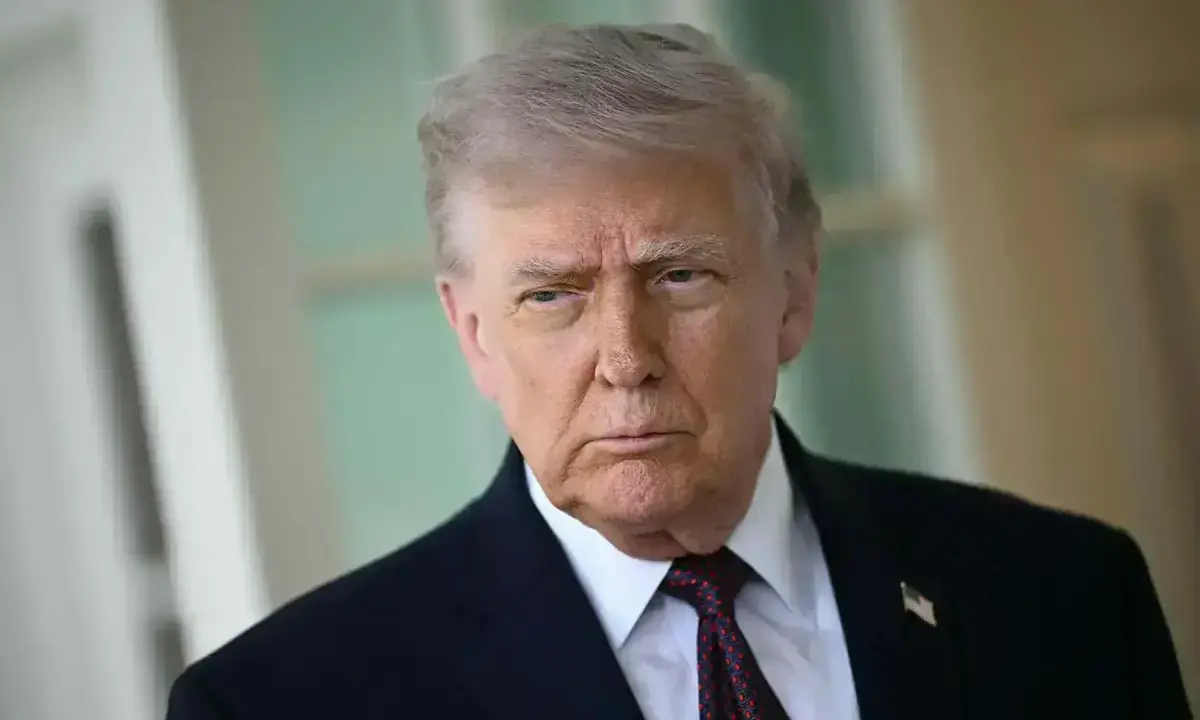
Meanwhile, US President Donald Trump said on Saturday that he expected the war with Iran to end “very quickly” and predicted that energy costs for American consumers would fall once hostilities ended.
asserted
hostilities → predict → consumers
Addressing supporters at a campaign rally in Kentucky, Trump linked the conflict’s outcome to domestic fuel prices and defended US military strikes against Iranian targets, claiming they had damaged Iran’s nuclear capabilities.
asserted
they → address → capabilities
“It's going to end very quickly.
asserted
It → go → ?
When it ends, your gas prices are going to be lower than what they were before,” Trump said.
asserted
Trump → end → what
The comments come as Washington and Tehran continue to disagree over the sequence and terms of negotiations, with Iran insisting that reopening the Strait of Hormuz and ending regional hostilities must be central to any agreement.
asserted
reopening → come → agreement
 The Aporia