- Published
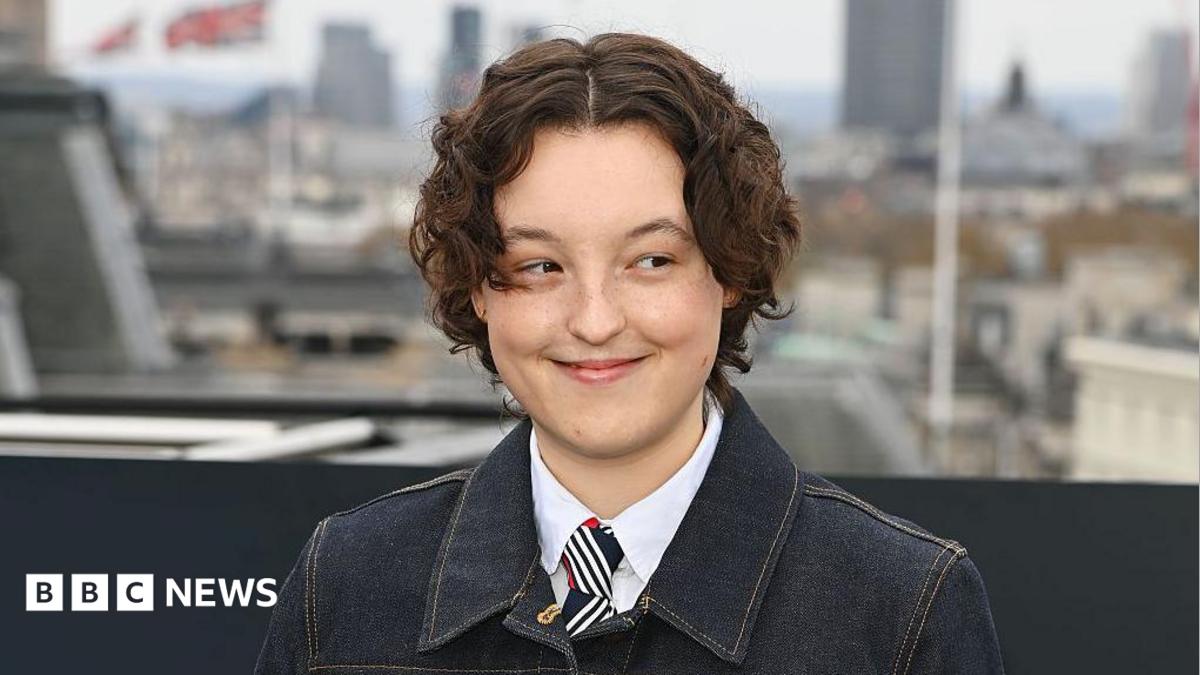
Bella Ramsey spent many teenage years working with adults so never really went through the moody, rebellious phase often associated with being a teenager.
asserted
Ramsey → publish → phase
The British actor, who debuted in Game of Thrones aged 11 and uses they/them pronouns, says they had consciously decided not to behave like a stereotypical teenager after hearing criticisms from adults.
asserted
they → debut → adults
"I was like, I'm not going to be that."
asserted
I → go → ?
So when Sunny Dancer, a film about a summer camp for young people affected by cancer, gave Ramsey seven weeks to experience teenage freedom, it was an opportunity to dive straight in.
asserted
it → affect → freedom
"I got to be a teenager aged 21, which was brilliant," Ramsey tells BBC News.
asserted
Ramsey → get → News
Looking back, Ramsey says the experience made them wonder whether they had missed out by being quite so sensible the first time around.
asserted
they → look → ?
"I kind of wish that I had made the most of being a teenager and getting away with things and being a bit rebellious."
asserted
I → wish → things
In Sunny Dancer, Ramsey plays Ivy, a young female cancer survivor in remission who reluctantly heads to a "chemo camp" where she finds an unexpected group of friends and has a summer that changes her.
asserted
that → play → her
The rest of the cast were more than happy to help fill in the gaps; Ramsey says younger co-stars discussed songs and nights out.
"
asserted
stars → help → songs
They were teaching me what being a teenager was for them and I was learning all the songs like five years later."
asserted
I → teach → songs
His mother was diagnosed with cancer when he was 15, but it took another eight years for him to feel ready to turn some of those experiences into a script.
asserted
him → diagnose → script
"I never seem to write in the moment I'm going through it," Jaques says.
asserted
Jaques → seem → it
"You have to sort of get through and understand it and have that reflection of it."
asserted
You → have → it
He stresses that the film is not his family's story, but "there's bits of me" scattered throughout its characters.
asserted
film → stress → characters
Jaques was also conscious his own experience could only take him so far.
uncertain
experience → take → him
So, he worked with the Teenage Cancer Trust, hearing from young cancer survivors as well as parents who had lost children.
asserted
who → work → children
"I remember going in to do a big talk with some young people who had survived cancer and they were like, 'don't call us kids, do not say we're brave.'"
asserted
we → remember → us
He says the film was "shaped" by these young people he met - such that he gave two of them roles in it.
asserted
he → say → it
Making the movie also forced Jaques to revisit some of his own fears around loss.
asserted
Making → make → loss
He recalls a moment during the premiere in Berlin when emotion crept up on him.
asserted
emotion → recall → him
"I remember seeing my mother and I realised there's a version of that movie where my mum wasn't sitting in the audience," he says.
asserted
he → remember → audience
Both Ramsey and Jaques think we could be better at allowing people to experience grief without expecting them to quickly return to normal.
uncertain
them → think → normal
Jaques recalls losing someone close to him when he was 18, while sitting his A-levels.
asserted
he → recall → levels
"We are expected to just to carry on," he says, describing the instinct to go "straight back to work and school".
asserted
he → expect → work
If we "really were honest with how we feel we might be able to understand it a bit better," he adds.
uncertain
he → feel → it
In the UK, there is no general legal right to paid bereavement leave when someone close to you dies.
asserted
someone → be → you
The main statutory exception is parental bereavement leave and pay following the death of a child under 18 or a stillbirth after 24 weeks.
asserted
exception → follow → weeks
Ramsey thinks there can be an instinct to minimise what you are going through.
"
asserted
you → think → what
You speak to people who are grieving, you're like, 'How are you doing?'
asserted
you → speak → people
They're like, 'Oh, yeah, yeah, you know, it's hard, but I'm fine.'
asserted
I → know → ?
It feels very unhealthily British."
asserted
It → feel → ?
After spending seven weeks playing a teenager who is desperate to be their own person, Ramsey's advice for young people struggling to fit in is straightforward.
asserted
advice → spend → people
Please don't change to try and fit in because there are people who will fit in with you."
asserted
who → change → you
Jaques agrees, but says the responsibility should not all be placed on young people to become more resilient.
"There's so much pressure on young people to change on social media," he says.
asserted
he → agree → media
"Why don't we stop hating on young people?
asserted
we → stop → people
Maybe that's where we should start as well."
asserted
we → start → ?
 The Aporia