Perspective: Midterm money madness

Read the original at NPR ↗
Cite

Simon, S. (2026, October 17). Perspective: Midterm money madness. NPR. https://www.npr.org/2026/10/17/nx-s1-5997474/perspective-midterm-money-madness

Dated from the outlet's own feed. Check the original for its byline.

NPR · collected 2026-10-17 · by Scott Simon

Quick Summary

This article is an opinion piece that highlights the immense amount of money being spent in the current midterm elections, surpassing $10 billion according to AdImpact. The author notes specific races like Ohio’s Senate contest at over $460 million and Michigan’s 7th congressional district race nearing $60 million. The piece critiques the influence of wealthy donors post-Citizens United, such as Elon Musk's $276 million donation to Republicans, while questioning why these funds aren’t directed towards addressing economic issues like inflation and rising costs of living.
Written locally by qwen2.5:14b on 2026-10-17, using this article's own text rather than the other coverage of the same event (that is the story summary below).

AI analysis runs on qwen2.5:14b, locally

Story summary

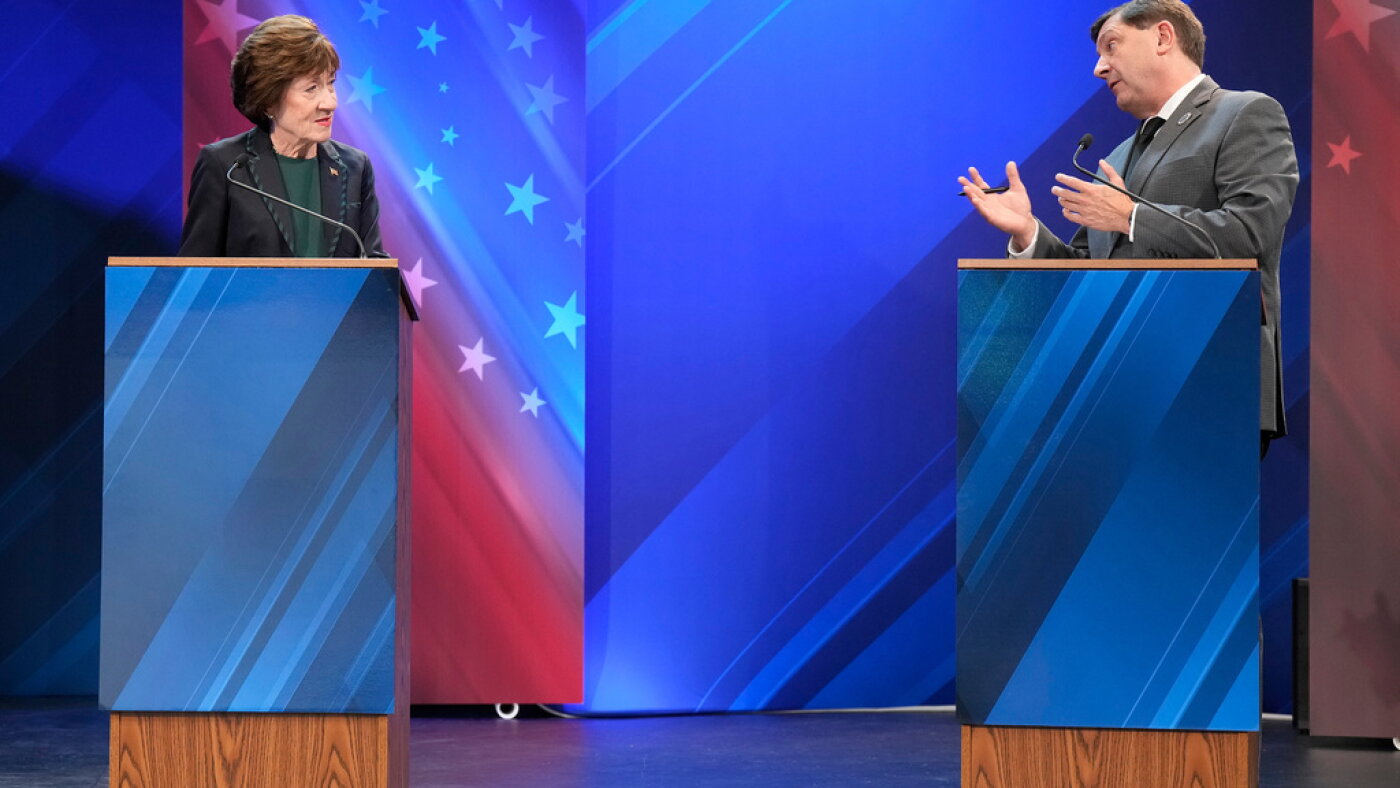
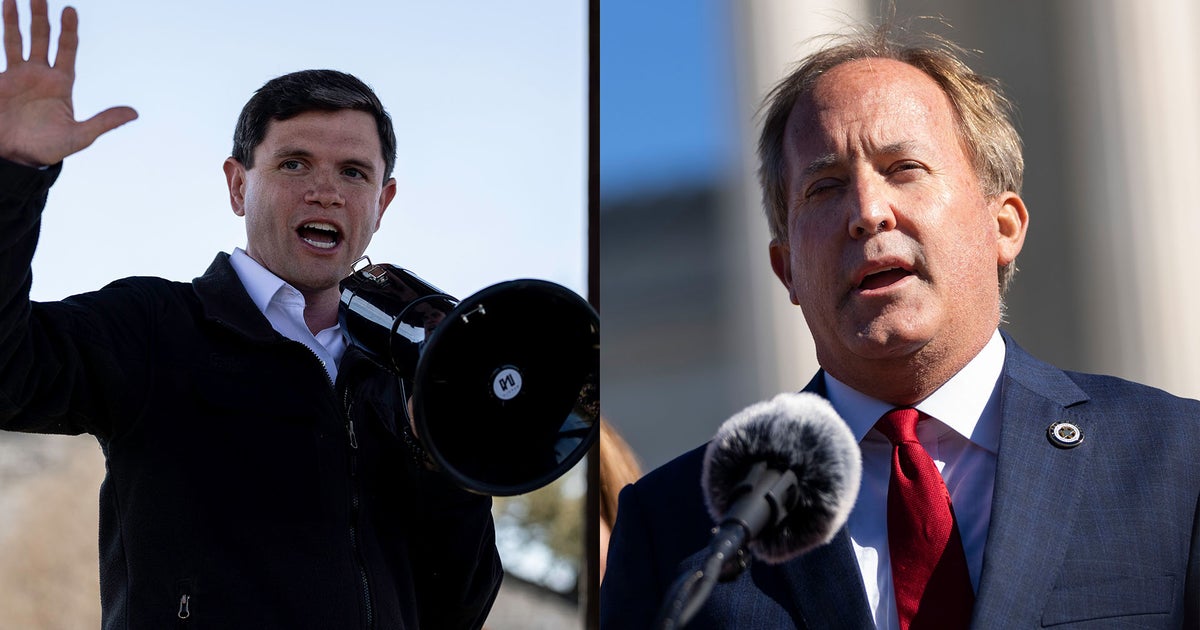
Campaign spending for the 2026 midterm elections surpassed $10 billion dollars as of mid-October, according to AdImpact. For instance, the Senate race in Ohio had already cost over $460 million, while Texas's Senate race exceeded half a billion dollars. Additionally, Michigan’s 7th congressional district race has seen nearly $60 million in advertising spending, making it the most expensive House race in the country.

The Supreme Court’s Citizens United decision in 2010 removed limits on donations to "super PACs," which can support or oppose candidates without direct coordination with campaigns. As a result, wealthy donors like Elon Musk and George Soros have directed significant funds into election spending; Musk alone contributed $276 million to Republican groups since July, while Soros donated over $100 million to Democrats.

Written for “Midterm Money Madness” on 2026-10-17, grounded in this article and the 0 other(s) covering the same event.
Why this leaning score
The article's own words the score was based on. Each is quoted verbatim and was checked against the article text before being stored, so you can find it in the original.
Reading Leans strongly left (beta estimate) Confidence high 1 quote(s) discarded as not found in the article
Leaning: leans strongly left for article 87048 (high confidence, 2 verified quotes) · logged 2026-10-17

Story

📰 Midterm Money Madness
Politics · 1 article(s) covering the same event.

Compared with similar articles

This article reads leans strongly left and hedges 36% of its claims. Each row says how that neighbour differs.
The Hindu
⚖️ Leans right further right than this 🔴 19% hedged 3 of 16 📰 publisher trust 95
“The articles discuss overall midterm election spending and Musk's individual contributions separately, not the same specific incident.”
CBS News
⚖️ leaning not scored 🔴 0% hedged 0 of 2 📰 publisher trust 66
“While both articles discuss high ad spending in Texas Senate race, ARTICLE A focuses specifically on the total ad spend amount for Texas, while ARTICLE B mentions it as part of a broader commentary on overall midterm election spending across multiple races.”
Semafor
⚖️ Leans left further right than this 🔴 0% hedged 0 of 9 📰 publisher trust 60
“The articles discuss overall trends and totals of campaign spending across multiple races, rather than a single specific fundraising incident.”
How this article was measured signals, leaning charts, publisher record, byline, topics and claims

Signals How these are calculated →

Claims extracted
14
sentences that state something as happening or true
Uncertain
36%
5 of 14 hedged ("reportedly", "may", "according to")
Leaning
Leans strongly left
of the writing, not the subject · beta estimate
Publisher signals
60/100
NPR's corrections and hedging, across everything collected from it. Not a measure of accuracy.
Outlets on this story
1
Politics
Same framing elsewhere
1
articles that frame the event the way this one does
Analyzed 2026-10-17 · how these are computed

How this is being covered How these are calculated →

Article leaning vs. publisher reliability
Source leaning vs. consistency

Publisher

NPR · 746 article(s) · 3 correction(s) detected
Running correction rate · 3 correction(s)

Who wrote this

Scott Simon
7 article(s) here · 1 carrying a prediction
🔮 Maybe we should repeat that number: $10 billion dollars.
2026-10-17 · mixed framing · Perspective: Midterm money madness
🔮 Sen. Eric Schmitt of Missouri may not have been exactly hawk-eyed at a Senate Judiciary Committee hearing this week when he asked former special counsel Jack Smith if he had gone to an Atlanta Hawks basketball game in February 2024.
2026-10-03 · assertive framing · Opinion: A Hawk is not the same as a Hawkeye
🔮 When President John F. Kennedy ordered US ships to blockade Cuba to prevent the Soviet Union from installing nuclear missiles in 1962, he told Americans, "We will not prematurely or unnecessarily risk the costs of worldwide nuclear war in which even the fruits of victory would be ashes in our mouth."
🔮 She began the book remembering her old tomcat, who would jump through the bedroom window after prowling outside her home in rural Virginia.
2026-09-19 · assertive framing · Opinion: Remembering Annie Dillard, nature writer
🔮 I still remember — I will always remember —walking the streets of Lower Manhattan through rows of faces in photographs pasted on lampposts and walls with urgent, wrenching words: "Have you seen my wife?" "Last seen, 8:20 AM, Tuesday."
2026-09-12 · assertive framing · OPINION: 25 years on, a nation still mourns
🔮 Blue is a giant stick figure with what seems to be four limbs, standing on what might be one leg, while the other is lifted.
2026-09-05 · mixed framing · Opinion: A sculpture in perpetual motion, removed
Also by Scott Simon
Nothing else under this byline is closely related to this article, so these are simply their most recent.
All 7 articles by Scott Simon →

Topics

AdImpact Maine Ohio Senate Texas

Subjects

Senate ORG · 2× AdImpact ORG · 1× California GPE · 1× House ORG · 1× Iowa GPE · 1× Maine GPE · 1× Michigan GPE · 1× New York GPE · 1× Ohio GPE · 1× Texas GPE · 1×

Narrative

There are limits on personal campaign contributions in the United States--but, since the Supreme Court's Citizens United decision in 2010, no limits on donations to "super PACs," which can publicly support or oppose candidates but can't directly coordinate with campaigns.
framing: mixed · carried by 1 article(s) · first seen 2026-10-17
🔮 Maybe we should repeat that number: $10 billion dollars.
2026-10-17 · NPR
Perspective: Midterm money madness · mixed framing

Claims (14 extracted, 5 hedged)

Campaign spending for these midterm elections passed 10 billion dollars this week, according to the tracking group AdImpact. uncertain
spending → pass → group
Maybe we should repeat that number: $10 billion dollars. asserted
we → repeat → number
The senate race in Ohio, for example, has already cost more than $460 million in combined ad spending. asserted
race → cost → spending
The Texas Senate race has surpassed half a billion. asserted
race → surpass → billion
There are limits on personal campaign contributions in the United States--but, since the Supreme Court's Citizens United decision in 2010, no limits on donations to "super PACs," which can publicly support or oppose candidates but can't directly coordinate with campaigns. asserted
which → be → campaigns
Rich donors have used that ruling to steer hundreds of millions of dollars to support both parties, up and down the ballot. asserted
donors → use → ballot
Elon Musk alone has given $276 million to Republican groups, just since July. asserted
Musk → give → July
George Soros has given more than $100 million dollars to Democrats this election cycle. asserted
Soros → give → Democrats
Meanwhile, voters, whom politicians are trying to win over with all these ads, tell pollsters and reporters that their top issues this fall are the economy and the cost of living. asserted
issues → try → living
Inflation is up; gas prices have spiked since the start of the Iran war; groceries cost a third more than they did in 2019. asserted
they → spike → 2019
It is hard not to wonder: what could those hundreds of millions of ad dollars accomplish if they went toward food, gas, or shelter for those in need, or to help people with health care costs? uncertain
they → wonder → costs
Could some of it pay for school nurses, music teachers, and librarians? uncertain
some → pay → nurses
Maybe a candidate could win support these days by declaring, "And I vow to spend less money on my campaign than my opponent!" uncertain
I → win → opponent
After all, as the Los Angeles Dodgers might remind us this week, spending the most money doesn't always deliver victory. uncertain
spending → remind → victory
💬Give feedback
🕘History 🎫Support