The Aporia
The Aporia
The Aporia
AFP. (2026, October 17). Anthropic proposes law regulating AI to US lawmakers. Dawn. https://www.dawn.com/news/2037803/anthropic-proposes-law-regulating-ai-to-us-lawmakers
AFP. “Anthropic proposes law regulating AI to US lawmakers.” Dawn, 17 Oct. 2026, https://www.dawn.com/news/2037803/anthropic-proposes-law-regulating-ai-to-us-lawmakers.
AFP. “Anthropic proposes law regulating AI to US lawmakers.” Dawn, October 17, 2026. https://www.dawn.com/news/2037803/anthropic-proposes-law-regulating-ai-to-us-lawmakers.
Dated from the outlet's own feed. Check the original for its byline.
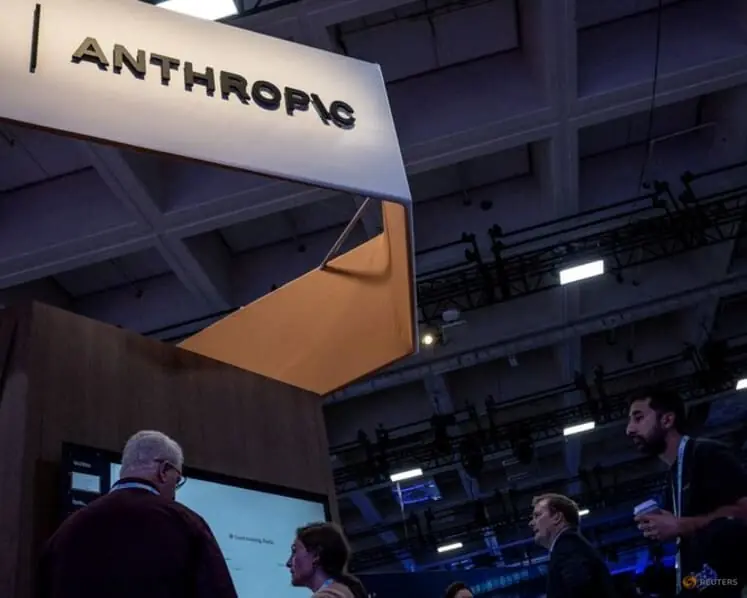
Anthropic, the creator of the AI assistant Claude, confirmed on October 16, 2026, that it is circulating a draft bill among US lawmakers aimed at regulating artificial intelligence to address the lack of federal legislation on the risks posed by new technologies. According to the proposal, first reported by Politico on the same day, Washington could block a model’s release or use if there is an imminent risk of killing or seriously injuring more than 50 people, or causing more than $1 billion in damages, but only with a judge's approval. A company spokesperson told AFP that the proposal grants the federal government the ability to block or deter dangerous deployments of the most powerful models and requires developers to test these models rigorously, be transparent about their findings, submit them for independent evaluation, and maintain robust security programs. AI policy in the US under President Donald Trump has relied primarily on voluntary industry pledges and executive orders intended to sustain an AI boom that tech leaders say is driving the country’s economy. However, Congress remains politically divided and heavily lobbied by Big Tech, leading to a lack of federal legislation addressing these risks.
Anthropic, the creator of the AI assistant Claude, confirmed on Friday it is circulating a draft bill among US lawmakers aimed at regulating artificial intelligence to address the lack of federal legislation on the risks posed by the new technology.
AI policy in the US under President Donald Trump has relied primarily on voluntary industry pledges and executive orders intended to sustain an AI boom that tech leaders say is driving the country’s economy.
Trump has dismissed the numerous calls to slow down the technology as “negative forces.”