Iran war votes in Congress become a focal point for campaign ad attacks

Read the original at Toronto Star ↗
Cite

Kessler, A., & Freking, K. (2026, October 17). Iran war votes in Congress become a focal point for campaign ad attacks. Toronto Star. https://www.thestar.com/news/world/united-states/iran-war-votes-in-congress-become-a-focal-point-for-campaign-ad-attacks/article_ee1d1318-6b3c-5ca7-940f-33ce483fccec.html

Dated from the outlet's own feed. Check the original for its byline.

Toronto Star · collected 2026-10-17 · by Aaron Kessler, Kevin Freking

Quick Summary

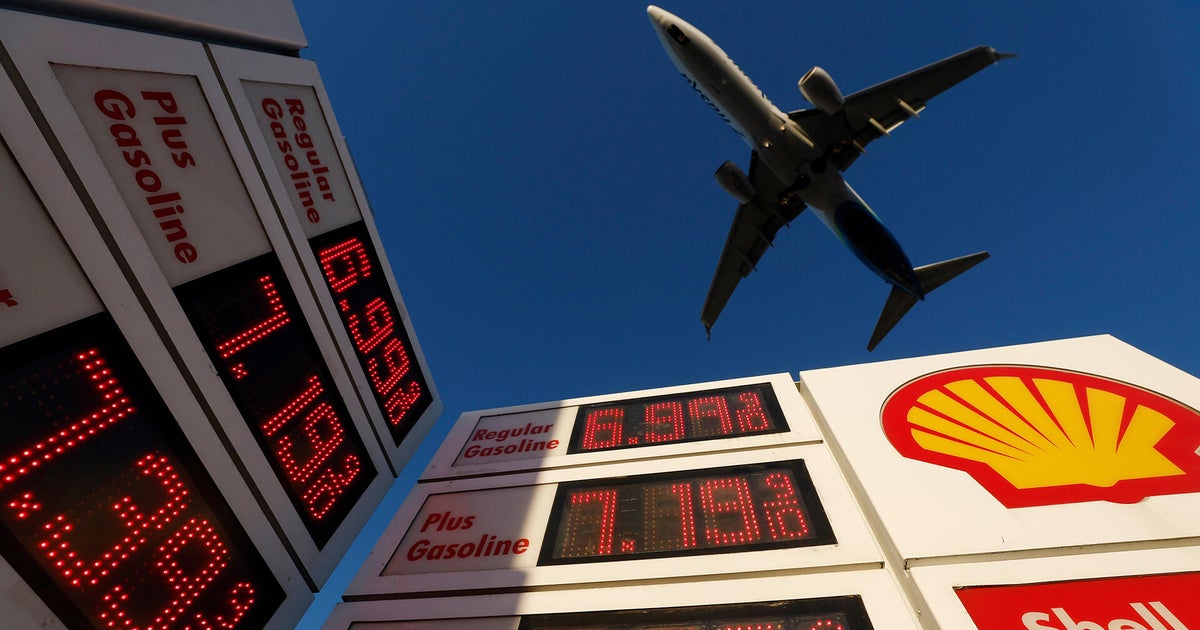
Democrats and aligned advocacy groups are using campaign ads to criticize Republicans for voting on resolutions regarding the conflict with Iran, linking these votes to rising costs of living such as higher gas prices. These ads have aired over 43,000 times since September 1st, costing an estimated $42 million in TV airtime across competitive midterm races in states like Wisconsin, Nebraska, and Iowa. Republicans are largely avoiding the topic of the Iran war in their own campaign efforts, focusing instead on themes such as taxes.
Written locally by qwen2.5:14b on 2026-10-17, using this article's own text rather than the other coverage of the same event (that is the story summary below).

AI analysis runs on qwen2.5:14b, locally

Story summary

In the 2026 U.S. midterm elections, Democrats are using campaign ads to attack Republican candidates over their votes for funding the ongoing war with Iran, which Democrats claim is costly and unnecessary. Ads in states like Wisconsin, Nebraska, and Iowa highlight specific Republican lawmakers who voted multiple times for the war and related tariffs, linking these votes to rising costs of groceries, gas, and other essentials. For instance, in Wisconsin, Democratic ads criticize Congressman Derrick Van Orden for voting on the Iran war, while in Nebraska, candidate Chris Backemeyer targets incumbent Mike Flood over similar issues. This strategy is part of a broader effort by Democrats to regain control of the House and Senate, focusing on an unpopular war that began with President Trump's tariffs and subsequent military actions.

Written for “Iran War Votes” on 2026-10-17, grounded in this article and the 0 other(s) covering the same event.
Why this leaning score
The model judged this article politically coded and scored it -0.45, but all 3 of its quote(s) are attributed speech - words the article quotes from someone, not the article's own narration, so the score is not published.
Written under an earlier scoring contract, which gave a paragraph rather than checkable quotes. Re-analysing this article replaces it.
Leaning score withheld for article 86573: attributed speech only · logged 2026-10-17

Story

📰 Iran War Votes
Politics · 1 article(s) covering the same event.

Compared with similar articles

This article reads unscored and hedges 4% of its claims. Each row says how that neighbour differs.
New York Post
⚖️ leaning not scored 🔴 7% hedged 3 of 44 📰 publisher trust 67
“Article A discusses Joe Rogan's comments about Trump voters feeling betrayed by the Iran war, while Article B covers campaign ads attacking Congress members for their votes on the Iran war.”
NBC News
⚖️ leaning not scored 🔴 4% hedged 1 of 28 📰 publisher trust 95
“The articles discuss different aspects of political campaigns related to Iran war votes but describe separate events and focus on distinct candidates in different states.”
10/14: The Takeout with Major Garrett different event · 90%
CBS News
⚖️ leaning not scored 🔴 0% hedged 0 of 1 📰 publisher trust 66
“The articles describe different aspects of the Iran war debate and its impact on campaigns but do not refer to the same specific event or incident.”
How this article was measured signals, leaning charts, publisher record, byline, topics and claims

Signals How these are calculated →

Claims extracted
45
sentences that state something as happening or true
Uncertain
4%
2 of 45 hedged ("reportedly", "may", "according to")
Leaning
withheld
no quote in the article backed the model's score
Publisher signals
63/100
Toronto Star's corrections and hedging, across everything collected from it. Not a measure of accuracy.
Outlets on this story
1
Politics
Same framing elsewhere
1
articles that frame the event the way this one does
Analyzed 2026-10-17 · how these are computed

How this is being covered How these are calculated →

Article leaning vs. publisher reliability
Source leaning vs. consistency

Publisher

Toronto Star · 7751 article(s) · 22 correction(s) detected
Running correction rate · 22 correction(s)
2026-10-07
Correction
2026-09-24
Correction

Who wrote this

Aaron Kessler
4 article(s) here · 1 carrying a prediction
🔮 In some cases, the Republicans targeted have never served in Congress before, so they couldn’t possibly have voted on the various war powers resolutions.
🔮 While Republicans are flush with unprecedented cash that could move the needle in some races, overall the mood is glum heading into the election’s final stretch as campaigns try to counter palpable Democratic enthusiasm to maintain their narrow lead in the House and Senate this November.
Also by Aaron Kessler
Nothing else under this byline is closely related to this article, so these are simply their most recent.
Kevin Freking
4 article(s) here · 1 carrying a prediction
🔮 In some cases, the Republicans targeted have never served in Congress before, so they couldn’t possibly have voted on the various war powers resolutions.
🔮 He was picked for the job after the White House announced that Lori Chavez-DeRemer would be leaving her post to take a job in the private sector.
🔮 She also said she would work to address with colleagues “these illegal actions.”
🔮 The House overwhelmingly approved a bill Wednesday that aims to have artificial intelligence data centers pay for their substantial energy needs as lawmakers used what was expected to be their final day in Washington before the midterm elections to address a growing voter concern.
Also by Kevin Freking
Nothing else under this byline is closely related to this article, so these are simply their most recent.

Topics

Democratic Iran Republican Republicans Senate

Subjects

Iran GPE · 10× Republican NORP · 7× Democratic NORP · 6× Republicans NORP · 6× Senate ORG · 5× Democrats NORP · 4× House ORG · 4× AdImpact ORG · 2× Michigan GPE · 2× Trump PERSON · 2×

Narrative

His opponent, Democratic nominee Abdul El-Sayed, has run ads saying that a billion dollars a day is going to a war “we have no business fighting” and he was running to “invest our tax dollars here in Michigan.”
framing: assertive · carried by 1 article(s) · first seen 2026-10-17
🔮 In some cases, the Republicans targeted have never served in Congress before, so they couldn’t possibly have voted on the various war powers resolutions.
2026-10-17 · Toronto Star
Iran war votes in Congress become a focal point for campaign ad attacks · assertive framing

Claims (45 extracted, 2 hedged)

In Wisconsin, a narrator complains that “groceries, utilities, everything’s getting more expensive and Congressman (Derrick) Van Orden is adding to the list. asserted
Orden → complain → list
He voted for the costly Iran war and spiking gas prices.” asserted
He → vote → war
In Nebraska, Democratic candidate Chris Backemeyer says families are drowning. asserted
families → say → Nebraska
“And Mike Flood opened the gates. asserted
Flood → open → gates
Flood voted six times for Trump’s tariffs and the Iran war, flooding us with higher prices on groceries, gas, cars and medicine, costing us a thousand dollars more a year.” asserted
Flood → vote → dollars
And in Iowa, a group called Vote Vets Action Fund said Republican Senate candidate Ashley Hinson voted five times for the Iran war, “giving us record prices for gas and fertilizer.” asserted
Hinson → call → gas
Those ads are but a few examples of how Democrats and aligned advocacy groups are using an unpopular war as they challenge Republicans, aiming to win back power in the House and Senate. asserted
they → align → House
It’s the culmination of a strategy Democrats launched in the spring, when they began to repeatedly bring up war powers resolutions aimed at ending the conflict. asserted
they → ’ → conflict
The votes had little practical effect, but forced lawmakers to go on record and take a stand. asserted
votes → have → stand
Now those votes are being highlighted in campaign ads across the country, according to an Associated Press analysis of data from AdImpact, which charts media spending. uncertain
which → highlight → spending
In some cases, the Republicans targeted have never served in Congress before, so they couldn’t possibly have voted on the various war powers resolutions. uncertain
they → target → resolutions
Even then, Democrats are portraying them as destined to be rubber stamps for President Donald Trump when it comes to the war. asserted
it → portray → war
Tying the war to the cost of living asserted
Tying → tie → living
The Associated Press analyzed data on broadcast and cable ads aired from Sept. 1 through Oct. 14 in the most competitive midterm races. asserted
Press → analyze → races
The analysis focused on House and Senate races rated as either tossups or leaning Democratic or Republican by the Cook Political Report. asserted
analysis → focus → Report
A smaller number of streaming ads were also examined. asserted
number → stream → ads
At least half of the 50 races featured Iran-related ads, most of which included household cost-of-living messages. asserted
most → feature → messages
All told, the ads aired on TV more than 43,000 times since Sept. 1, costing an estimated $42 million. asserted
ads → tell → million
The AP used both AdImpact’s own issue designations along with additional analysis of the ads’ language to identify them. asserted
AP → use → them
Of the 65 unique Iran-themed ads identified by the AP, 61 of them stressed household cost-of-living messages such as rising prices for fuel and other items. asserted
61 → theme → fuel
Republicans are largely ignoring the Iran war in their ads. asserted
Republicans → ignore → ads
Their best strategy is to go after Democratic weaknesses so voters say “this guy is worse,” said Ron Bonjean, a Republican strategist. asserted
Bonjean → go → weaknesses
“In the end, you’re trying to get as many Republicans out to vote for you as possible and bring over some independents,” Bonjean said. asserted
Bonjean → try → independents
“And talking about the Iran war is really not a winning message because you’re playing on the Democratic turf.” asserted
you → talk → turf
The major themes addressed in the Republican advertising since Sept. 1 are taxes and crime, followed by issues tied to character, healthcare and immigration. asserted
themes → address → character
Some Republicans have sought to distance themselves from the Iran conflict outside the airwaves. asserted
Republicans → seek → airwaves
In Michigan, Republican Senate candidate Mike Rogers has said the “war with Iran needs to end — and end quickly.” asserted
war → say → Iran
His opponent, Democratic nominee Abdul El-Sayed, has run ads saying that a billion dollars a day is going to a war “we have no business fighting” and he was running to “invest our tax dollars here in Michigan.” asserted
he → run → Michigan
In Maine, Republican Sen. Susan Collins emphasized in a recent debate that she voted nine times to end the conflict, prompting Democratic challenger Troy Jackson to say she voted five times to “make it happen.” asserted
it → emphasize → Jackson
In all, the Senate has voted 14 times on resolutions seeking to halt or restrict Trump’s military action against Iran. asserted
Senate → vote → Iran
The House has held six such votes since the conflict began in late February. asserted
conflict → hold → February
In the latest House vote, seven Republicans ended up siding with Democrats in voting to end the war. asserted
Republicans → end → war
That includes four Republicans seeking reelection in highly competitive districts: Tom Barrett of Michigan, Brian Fitzpatrick of Pennsylvania and Mariannette Miller-Meeks and Zach Nunn in Iowa. asserted
That → include → Iowa
Barrett and Fitzpatrick had voted previously to remove U.S. troops from hostilities, but the yes votes were the first for Miller-Meeks and Nunn, reflecting the growing weariness with the war. asserted
votes → vote → war
Where Iran ads are most prevalent While the Iran war ads made up about 5% of the total TV spots aired across the competitive races, some contests leaned into the topic heavily. asserted
contests → make → topic
Roughly a third of the 12,000 aired ads touch on Iran. asserted
third → air → Iran
Democrats are seizing on a remark that Republican Jim Desmond made in the early days of the war, in which he said “no pain, no gain” as part of an interview on Real America’s Voice. asserted
he → seize → Voice
He also said in that interview he believed the higher prices were just “a spike” and would come down once the U.S. eliminated Iran’s nuclear capability. asserted
U.S. → say → capability
“No pain, no gain?” asks an ad from Democratic candidate Marni von Wilpert. asserted
ad → ask → Wilpert
Desmond and the National Republican Congressional Committee responded with an ad that doesn’t mention Iran but criticizes von Wilpert for raising taxes and fees when she was on the San Diego City Council. asserted
she → respond → Council
…and 5 more, not listed.

💬Give feedback
🕘History 🎫Support