The Aporia
The Aporia
The Aporia
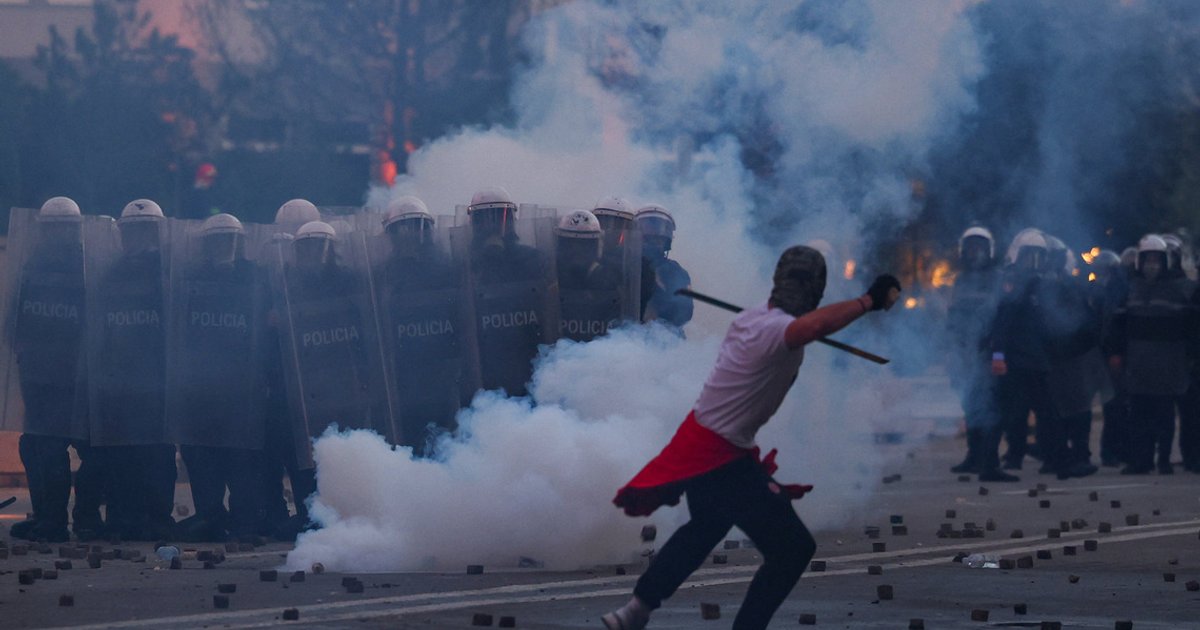
The Straits Times. (2026, October 16). Thousands march in Albanian capital as anti-government protests spread. The Straits Times. https://www.straitstimes.com/world/europe/thousands-march-in-albanian-capital-as-anti-government-protests-spread
The Straits Times. “Thousands march in Albanian capital as anti-government protests spread.” The Straits Times, 16 Oct. 2026, https://www.straitstimes.com/world/europe/thousands-march-in-albanian-capital-as-anti-government-protests-spread.
The Straits Times. “Thousands march in Albanian capital as anti-government protests spread.” The Straits Times, October 16, 2026. https://www.straitstimes.com/world/europe/thousands-march-in-albanian-capital-as-anti-government-protests-spread.
Dated from the outlet's own feed. Check the original for its byline.
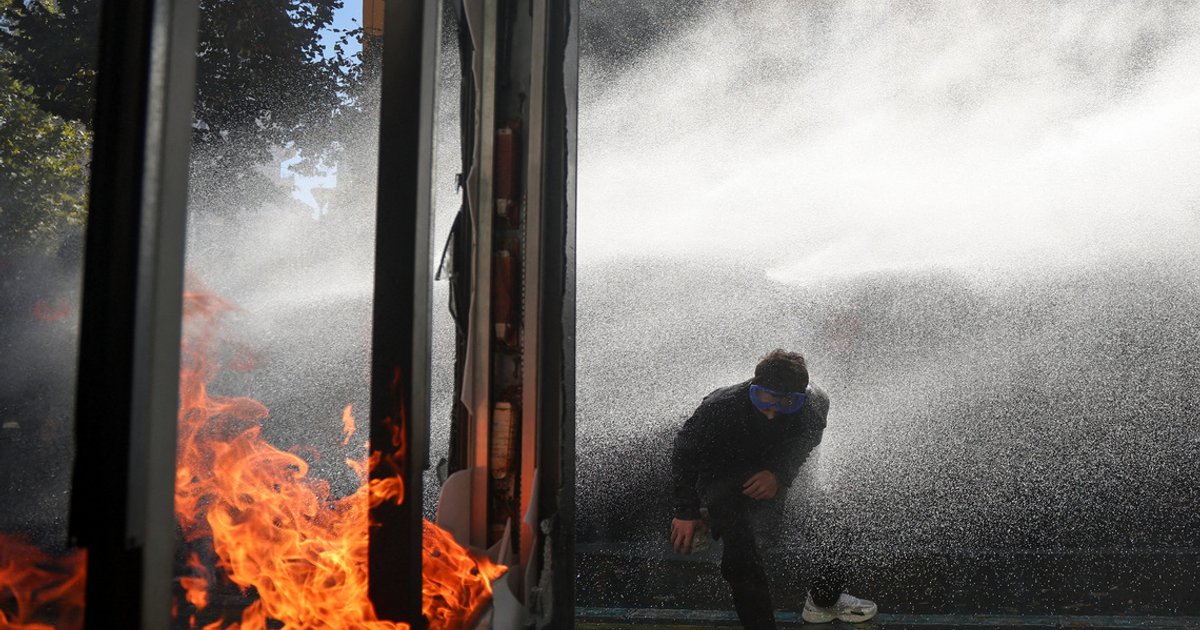
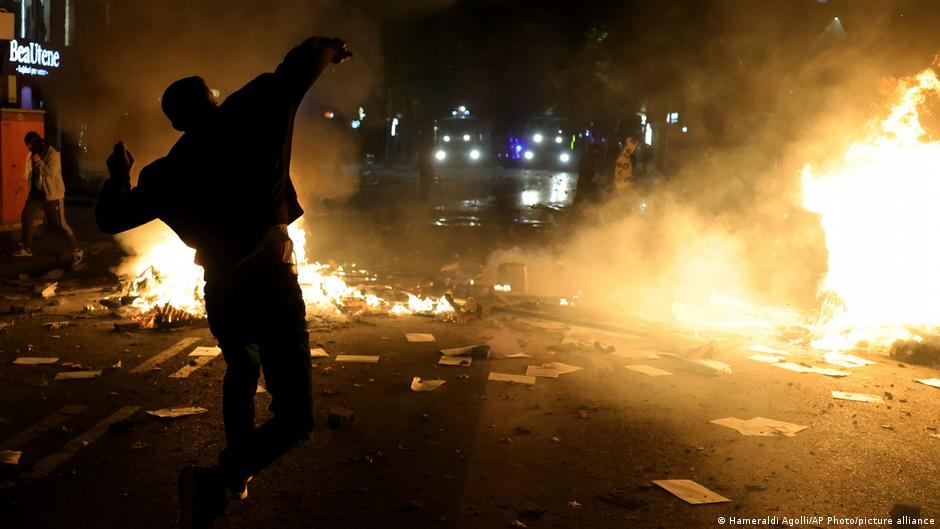
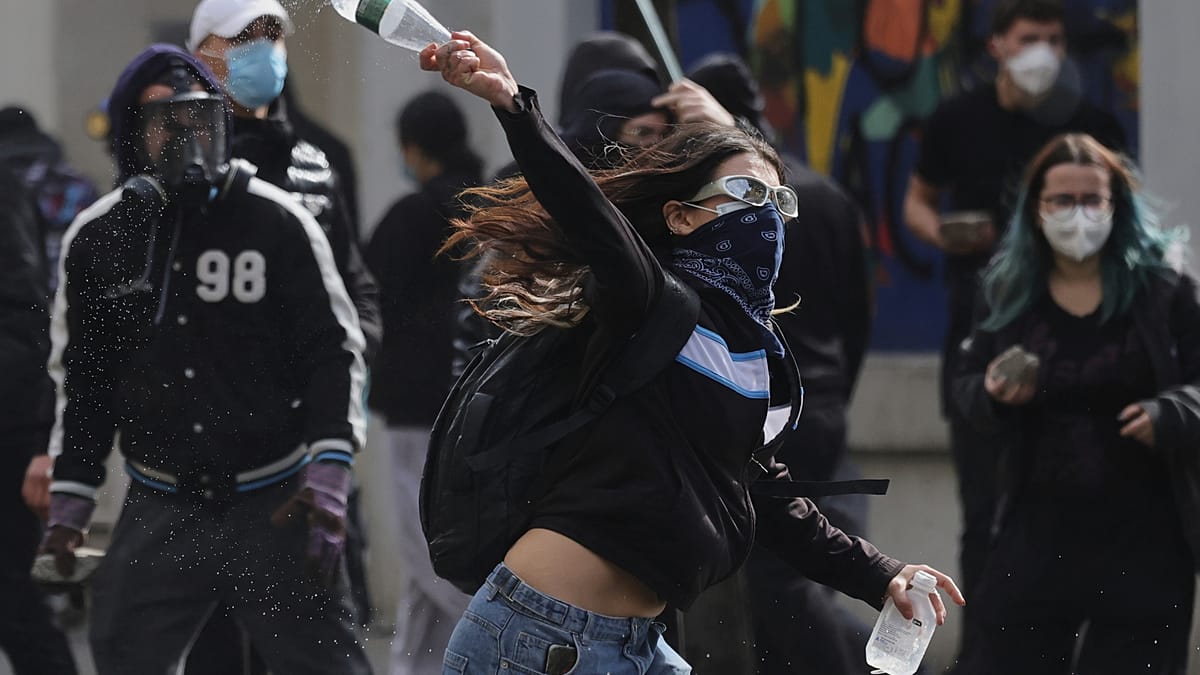
On October 13, Albanian student protesters clashed violently with police outside the Education Ministry in Tirana, hurling bricks and concrete blocks. In response, police fired tear gas and water cannons to disperse the demonstrators. The protest, which turned violent over three days, involved thousands of students demanding better university conditions, financial support, job prospects after graduation, and an end to perceived government corruption.
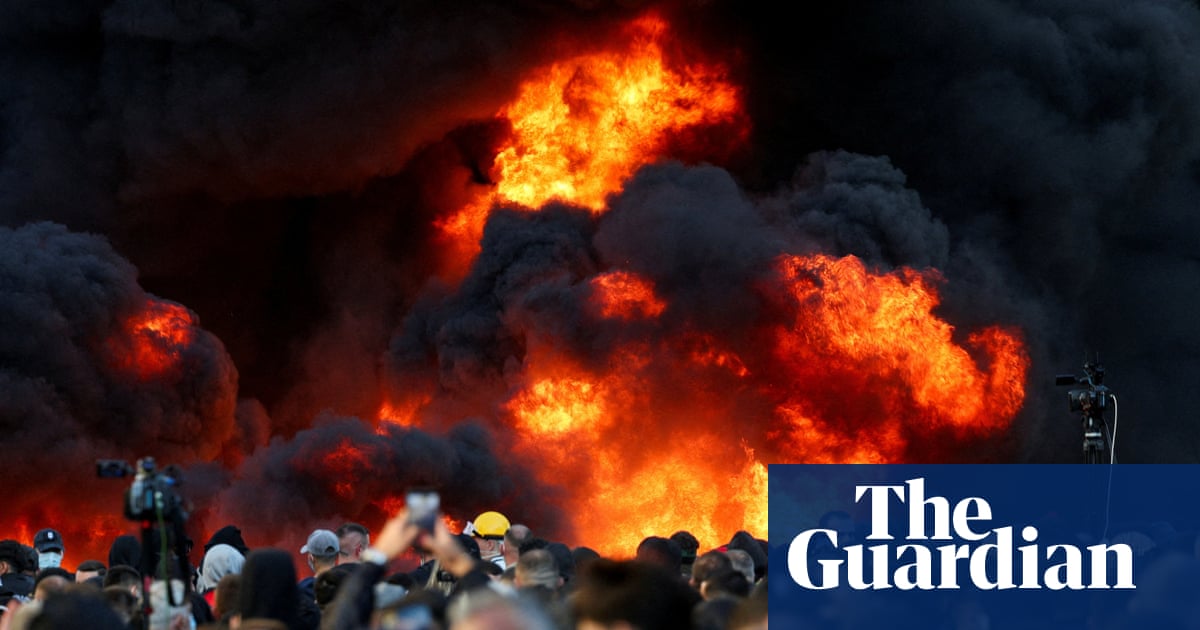
Demonstrations began on October 13 in Tirana and spread across Albania’s major cities, including Durrës, Shkodër, Lezhë, Vlora, Gjirokastër, and Korçë. Protesters have been targeting government buildings and private businesses, with some incidents involving fires and vandalism. Prime Minister Edi Rama has faced calls for his resignation, with students accusing officials of corruption and neglecting education.
The protests started as part of the "Flamingo Revolution," initially opposing a luxury resort development linked to US President Donald Trump’s son-in-law Jared Kushner but evolved into broader anti-government sentiment. These demonstrations are seen as a significant challenge to Rama's four-term leadership, which has been in power since 2013, and his ambitions for Albania to join the European Union. Over four days of protests, thousands marched through Tirana’s streets, breaking windows and traffic lights, and calling for urgent political change. The unrest highlights deep-seated public frustration with economic conditions and governance issues in Albania.