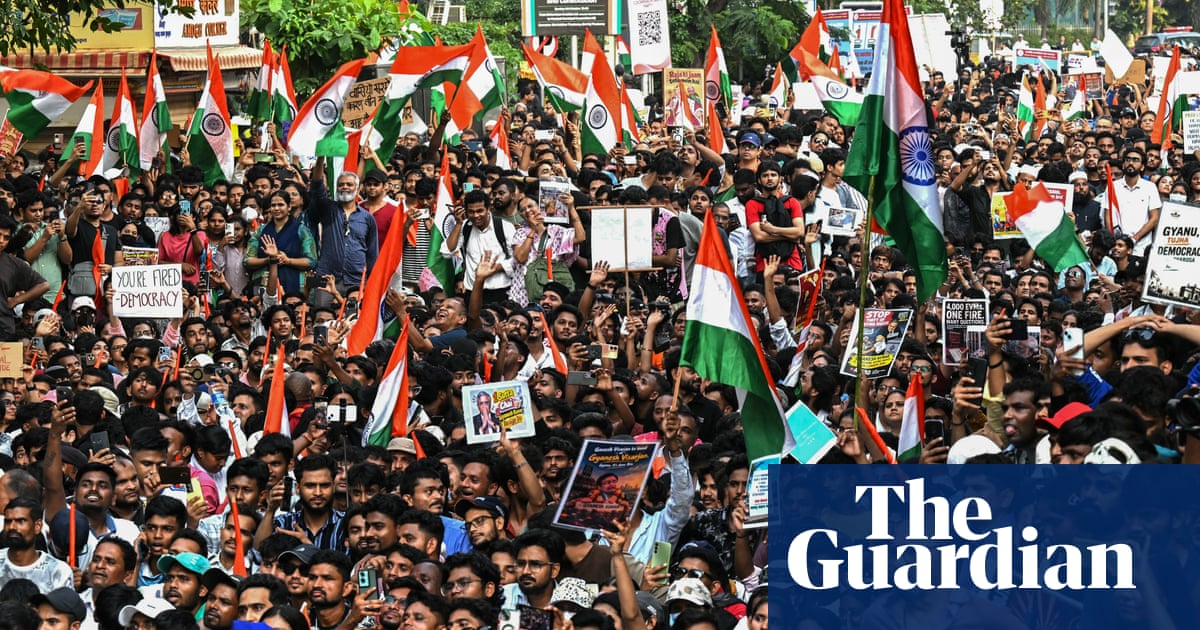
What options does Indian law provide for CEC’s removal?

Read the original at Dawn ↗
Cite

Alamgir, A. D. S. (2026, October 16). What options does Indian law provide for CEC’s removal? Dawn. https://www.dawn.com/news/2037481/what-options-does-indian-law-provide-for-cecs-removal

Dated from the outlet's own feed. Check the original for its byline.

Dawn · collected 2026-10-16 · by ANNThe Daily StarMohiuddin Alamgir

Quick Summary

The article discusses the legal framework for removing India’s Chief Election Commissioner (CEC), Gyanesh Kumar, amid allegations of voter roll manipulation affecting 130 million voters. Under Article 324 of the Indian constitution, the CEC can only be removed in a manner similar to Supreme Court judges, requiring a quasi-judicial process outlined by the Judges Inquiry Act, 1968. This involves proving misbehavior or incapacity through a formal inquiry. The article also highlights changes made in 2023 to the selection committee for CEC appointments, which critics argue increases executive influence over such decisions.
Written locally by qwen2.5:14b on 2026-10-16, using this article's own text rather than the other coverage of the same event (that is the story summary below).

AI analysis runs on qwen2.5:14b, locally

Story summary

The chief election commissioner of India, Gyanesh Kumar, faces calls for his resignation amid allegations of voter roll manipulation. A newspaper report claims that he was responsible for removing the names of 130 million voters from India’s electoral rolls, a figure comparable to Bangladesh's entire voting population. While some parties demand Kumar’s resignation, his removal is legally complex and requires approval similar to the process used for Supreme Court judges. Under Article 324 of the Indian constitution, the CEC can only be removed “except in like manner and on the like grounds as a Judge of the Supreme Court.” This means that any move to remove Kumar must adhere to strict legal procedures, making it unlikely to occur swiftly or easily.

Written for “Cec Removal Options India Law” on 2026-10-16, grounded in this article and the 0 other(s) covering the same event.
Why this leaning score
This article does not take a side on a contested political question, so it has no leaning score. That is an answer rather than a gap: a match report or a rescue can be warmly or critically written without being left or right, and scoring it anyway is how approval of a subject gets recorded as a political position.
No political leaning scored for article 83992 · logged 2026-10-16

Story

📰 Cec Removal Options India Law
Politics · 1 article(s) covering the same event.

Compared with similar articles

This article reads unscored and hedges 4% of its claims. Each row says how that neighbour differs.
Semafor
⚖️ Leans left 🔴 0% hedged 0 of 3 📰 publisher trust 95
“Article A reports on a mass detention of protesters during an anti-government demonstration, while Article B discusses legal options for removing the Chief Election Commissioner amid calls for his resignation over alleged voter roll manipulation.”
BBC News
⚖️ Leans left 🔴 0% hedged 0 of 27 📰 publisher trust 72
“Article A describes an imminent march to the Supreme Court by opposition leaders demanding resignation, while Article B discusses legal options for removing the Chief Election Commissioner in response to allegations of voter fraud.”
South China Morning Post
⚖️ Leans left 🔴 0% hedged 0 of 3 📰 publisher trust 67
“The articles describe different stages of a larger issue; Article A reports on a march and rally demanding resignation, while Article B discusses legal aspects and processes for removing the election official.”
The Guardian
⚖️ Leans left 🔴 14% hedged 2 of 14 📰 publisher trust 67
“The articles describe different aspects of the situation: one focuses on the immediate actions taken by authorities in response to a planned protest march, while the other discusses legal and procedural questions regarding the removal of the chief election commissioner.”
Al Jazeera
⚖️ leaning not scored 🔴 0% hedged 0 of 2 📰 publisher trust 60
“Article A describes a planned march to the Supreme Court on October 12, while Article B discusses the legal process for removing the Chief Election Commissioner, without mentioning the specific march.”
Dawn
⚖️ leaning not scored 🔴 13% hedged 4 of 30 📰 publisher trust 71
“Article A reports on the arrest of CJP leaders during protests, while Article B discusses the legal options for removing the chief election commissioner, both related to the same issue but describing different specific incidents.”
India voter purge different event · 85%
Dawn
⚖️ Leans strongly left 🔴 12% hedged 2 of 17 📰 publisher trust 71
“While both articles discuss voter roll purges in India, they describe different aspects of the situation—one focusing on demonstrations against the purge and another on legal options for removing the election commissioner.”
ABC News (AU)
⚖️ Leans left 🔴 7% hedged 3 of 41 📰 publisher trust 70
“While both articles discuss protests related to election changes in India, they focus on different aspects: Article A describes ongoing street demonstrations and government crackdowns, while Article B focuses on the legal process for removing the chief election commissioner.”
Al Jazeera
⚖️ Leans left 🔴 0% hedged 0 of 3 📰 publisher trust 60
“The articles discuss related issues but describe different events: one covers protests triggered by voter list changes, while the other discusses legal options for removing the election chief following alleged voter roll manipulation.”
The Guardian
⚖️ Leans strongly left 🔴 1% hedged 1 of 69 📰 publisher trust 67
“While both articles discuss the controversy surrounding chief election commissioner Gyanesh Kumar and the removal of voters from electoral rolls, they describe different aspects: one focuses on protests and a crackdown in Delhi, while the other discusses legal options for removing Kumar.”
How this article was measured signals, leaning charts, publisher record, byline, topics and claims

Signals How these are calculated →

Claims extracted
27
sentences that state something as happening or true
Uncertain
4%
1 of 27 hedged ("reportedly", "may", "according to")
Leaning
not political
takes no side on a contested political question
Publisher signals
71/100
Dawn's corrections and hedging, across everything collected from it. Not a measure of accuracy.
Outlets on this story
1
Politics
Same framing elsewhere
1
articles that frame the event the way this one does
Analyzed 2026-10-16 · how these are computed

How this is being covered How these are calculated →

Article leaning vs. publisher reliability
Source leaning vs. consistency

Publisher

Dawn · 1730 article(s) · 3 correction(s) detected
Running correction rate · 3 correction(s)

Who wrote this

ANNThe Daily StarMohiuddin Alamgir
1 article(s) here · 1 carrying a prediction
🔮 The law stipulates that people who are serving or have served in positions equivalent to a secretary to the Indian government will be eligible.
The only article under this byline in the corpus.

Topics

Bangladesh CEC India Indian Supreme Court

Subjects

India GPE · 5× Gyanesh Kumar PERSON · 3× Supreme Court ORG · 3× CEC ORG · 2× High Court ORG · 2× Indian NORP · 2× Kumar PERSON · 2× Lok Sabha ORG · 2× Bangladesh GPE · 1× the Congress Party ORG · 1×

Narrative

The election chief and commissioners are subsequently appointed by the president upon the recommendation of this selection committee, which currently consists of the prime minister, who serves as the chair, along with the leader of opposition in Lok Sabha and a minister as nominated by the prime minister.
framing: assertive · carried by 1 article(s) · first seen 2026-10-16
🔮 The law stipulates that people who are serving or have served in positions equivalent to a secretary to the Indian government will be eligible.
2026-10-16 · Dawn
What options does Indian law provide for CEC’s removal? · assertive framing

Claims (27 extracted, 1 hedged)

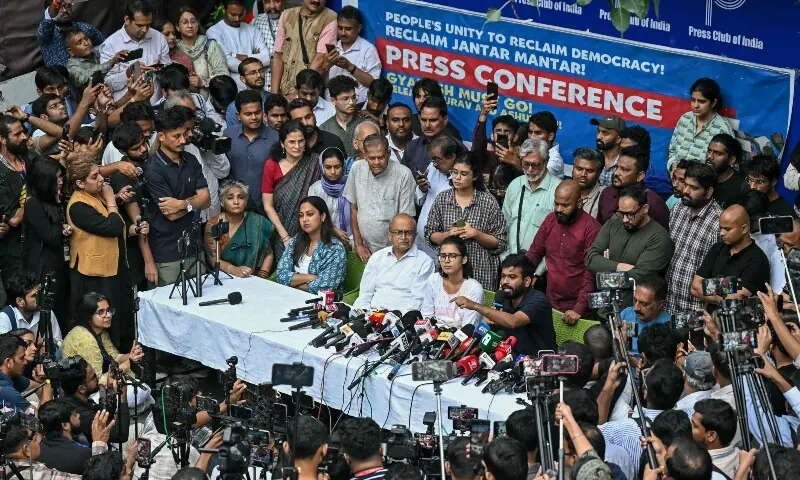
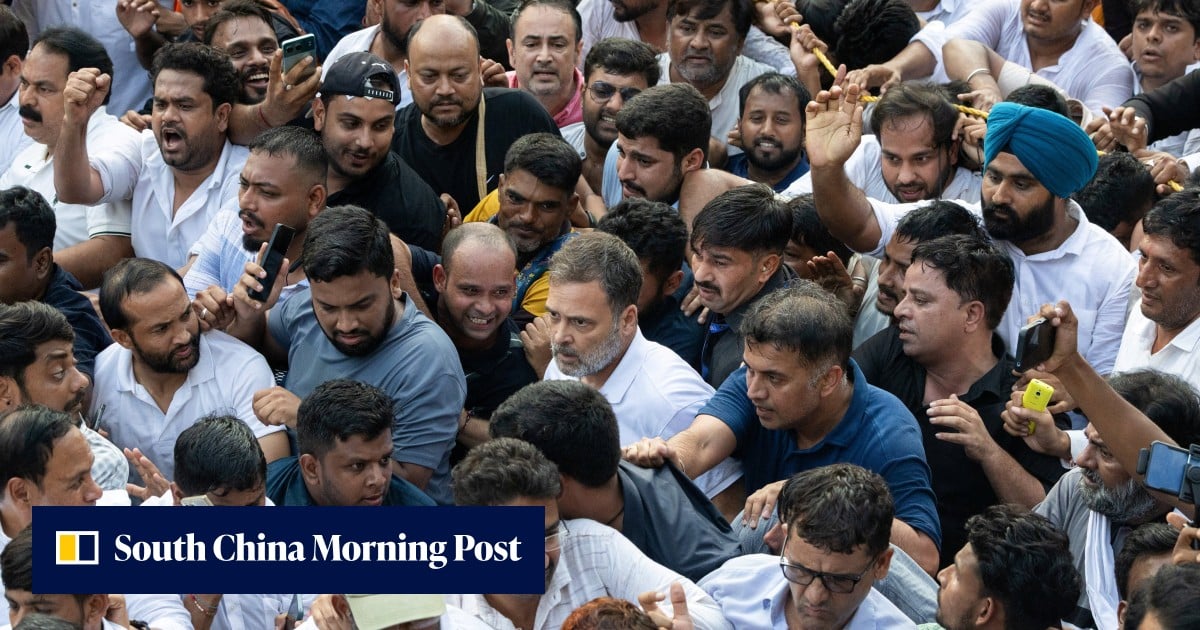
AMID growing calls for the resignation of India’s top election official Gyanesh Kumar for alleged voter roll manipulation, a key issue has come to the fore: the process of the chief election commissioner’s appointment, resignation and termination. asserted
issue → grow → appointment
The campaign to remove Gyanesh Kumar from office began after a newspaper report alleged that he was responsible for removing the names of 130 million voters from India’s electoral rolls — a figure slightly higher than Bangladesh’s entire voting population. asserted
he → remove → population
While the Congress Party, India’s “cockroach” youth movement and others demand Kumar’s resignation, which is simple enough, Kumar’s removal from office is a lengthy and complicated affair, similar to the removal of a Supreme Court judge. asserted
removal → demand → judge
Article 324 of the Indian constitution, which deals with the Election Commission, outlines the procedures for removal of the election chief. asserted
which → deal → chief
Article 324 (5) stipulates that the top election official shall not be removed from office “except in like manner and on the like grounds as a Judge of the Supreme Court”. asserted
official → stipulate → Court
In India, the CEC is appointed under the Chief Election Commissioner and other Election Commissioners (Appointment, Conditions of Service and Term of Office) Act, 2023. asserted
CEC → appoint → Act
The CEC is appointed by the president. asserted
CEC → appoint → president
The law stipulates that people who are serving or have served in positions equivalent to a secretary to the Indian government will be eligible. asserted
who → stipulate → government
They also have to be “persons of integrity, who have knowledge of and experience in management and conduct of elections”. asserted
who → have → elections
A search committee, led by the law minister, compiles a panel of five persons for consideration of the selection committee. asserted
committee → lead → committee
The election chief and commissioners are subsequently appointed by the president upon the recommendation of this selection committee, which currently consists of the prime minister, who serves as the chair, along with the leader of opposition in Lok Sabha and a minister as nominated by the prime minister. asserted
who → appoint → minister
The law governing their appointment, however, witnessed a significant change in 2023 where the constitution of the selection committee was changed. asserted
constitution → govern → committee
Earlier, the selection panel consisted of the prime minister, opposition leader and chief justice of India. asserted
panel → consist → India
The top judge was replaced by a union cabinet minister, for which Narendra Modi chose his home minister, Amit Shah. asserted
Modi → replace → minister
Critics argue that this change increases executive influence over the appointment process, as two of the three members of the selection committee would be from the ruling party. asserted
members → argue → party
As for resigning from office, it is a simple procedure where the election chief or any of the commissioners “may, at any time, by writing under his hand addressed to the president, resign his office”. uncertain
chief → resign → office
The election chief’s removal follows a quasi-judicial procedure in line with the procedure stipulated by the Judges Inquiry Act, 1968. asserted
removal → follow → Act
Supreme Court and High Court judges can be removed on two grounds — proven misbehaviour and incapacity. asserted
judges → remove → grounds
A written notice must be signed by at least 100 members of the Lok Sabha or 50 members of the Rajya Sabha. asserted
notice → write → Sabha
The Lok Sabha Speaker or Rajya Sabha Chair examines the notice and available information, and decides to admit or refuse the motion. asserted
Speaker → examine → motion
If admitted, a committee is convened with one Supreme Court judge, one High Court judge and one distinguished legal expert. asserted
committee → admit → judge
The election chief will have the right to defend against the allegation as the committee investigates. asserted
committee → have → allegation
If the committee concludes that the charges are not proved, the motion is dropped, and the process ends. asserted
process → conclude → ?
If the committee finds that allegations are true, the report is submitted to the parliament. asserted
report → find → parliament
The motion to remove the election chief will have to carry a special majority (two-thirds of voters present and voting) in both houses, in order to pass. asserted
motion → remove → order
If the motion passes both houses, a formal address is presented to the president, who issues the official order of removal. asserted
who → pass → removal
The election chief, Gyanesh Kumar has denied accusations of manipulating the voter list during an exercise to verify India’s one billion voters. asserted
chief → deny → voters

💬Give feedback
🕘History 🎫Support