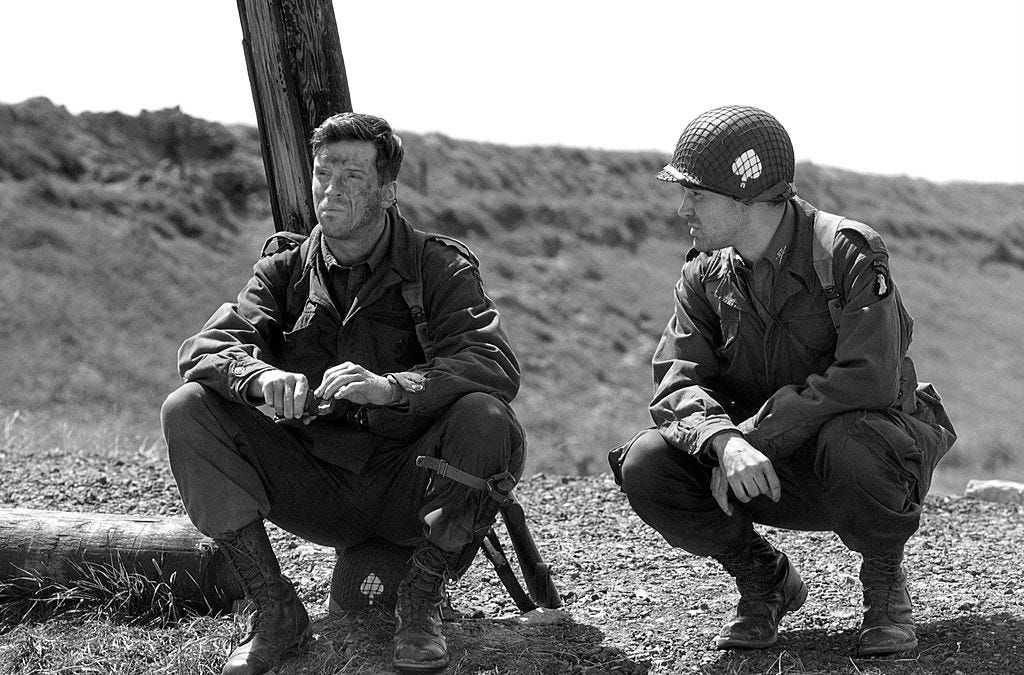
This article reflects on how the television series "Band of Brothers" captured American sentiment before the 9/11 attacks and contrasts it with today's more skeptical view of military intervention and national role globally. The author, who was a college student at the time, saw the show as emblematic of his own future in the Marines, but notes how subsequent events have altered public perception towards war and its costs.
Written by the local model on 2026-09-12,
using this article's own text rather than the other coverage of the
same event (that is the story summary below).
Story summary
In September 2001, Elliot Ackerman, then a Naval Reserve Officers Training Corps midshipman about to join the Marines, recalls watching HBO's premiere of Band of Brothers, which follows a regiment of the 101st Airborne Division during World War II. The show’s portrayal of soldiers as unambiguous heroes without cynicism stood in stark contrast to the evolving American sentiment towards war and its costs post-9/11. Ackerman reflects that the series was emblematic of pre-September 11th America, which was more optimistic about U.S. military involvement abroad despite the subsequent changes in public perception regarding the tolls of war following the attacks.
Written for “Everyday Heroes Award” on 2026-09-12,
grounded in this article and the 0 other(s) covering the same event.
Why this leaning score
The article's own words the score was based on. Each is quoted
verbatim and was checked against the article text before being
stored, so you can find it in the original.
Leaning score -0.45 for article 8331 (high confidence, 2 verified quotes) · logged 2026-09-12
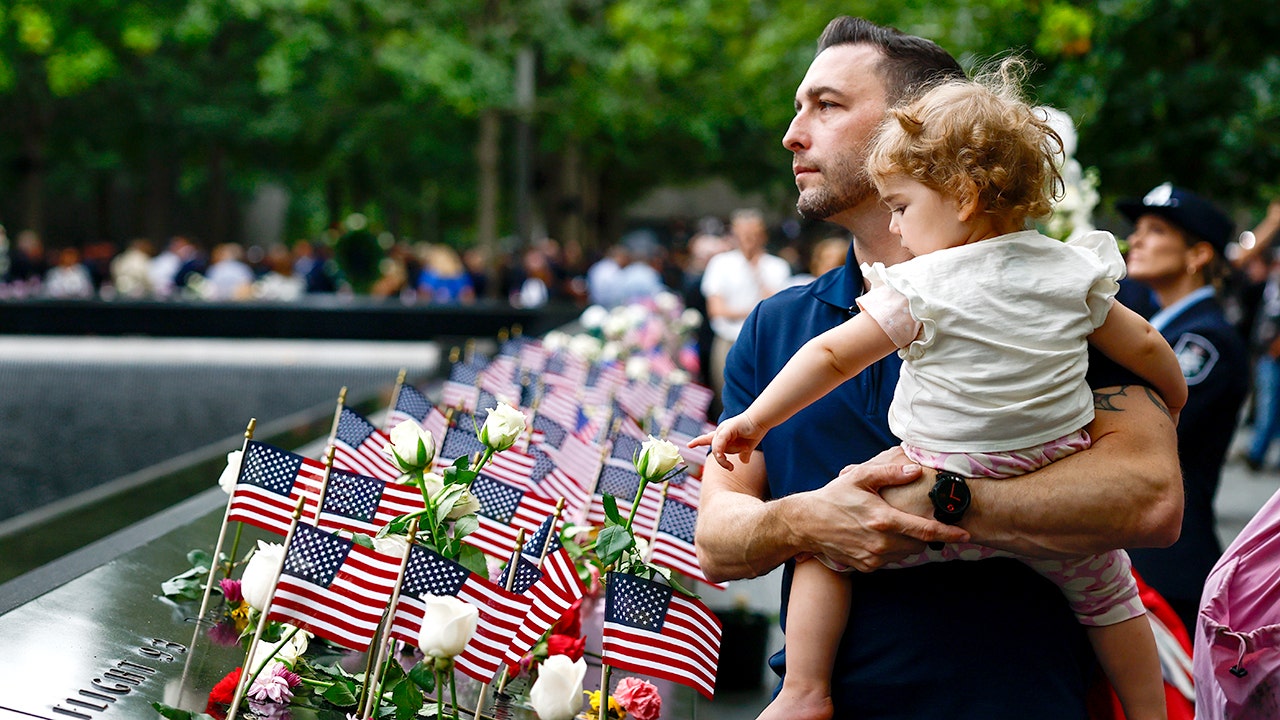
When I think about the attacks on September 11, 2001, the memory I return to most often isn’t what happened that Tuesday.
asserted
what → think → September
It’s what happened the Sunday before: I was a college student and had requisitioned the television in my apartment because HBO was premiering a new series, Band of Brothers.
asserted
HBO → ’ → Brothers
The 10-part show, which aired between September and November 2001, follows a regiment of the 101st Airborne Division during World War II and is based on the journals, letters, and interviews of those soldiers.
asserted
which → air → soldiers
As a Naval Reserve Officers Training Corps midshipman, headed into the Marines, I believed my entire future would be spent as part of a band of brothers.
asserted
future → head → brothers
That night, as I settled onto the sofa, that iconic title sequence started: sepia-toned paratroopers falling across the sky en route to liberating Europe, the swelling strings of the nostalgic soundtrack.
asserted
sequence → settle → soundtrack
As the United States’ sensibilities about war—and warriors—have changed over the past two decades, I have often thought of Band of Brothers.
asserted
I → change → Brothers
It’s a good barometer of where the country was before 9/11 and of the emotional distance we have traveled since.
asserted
we → ’ → distance
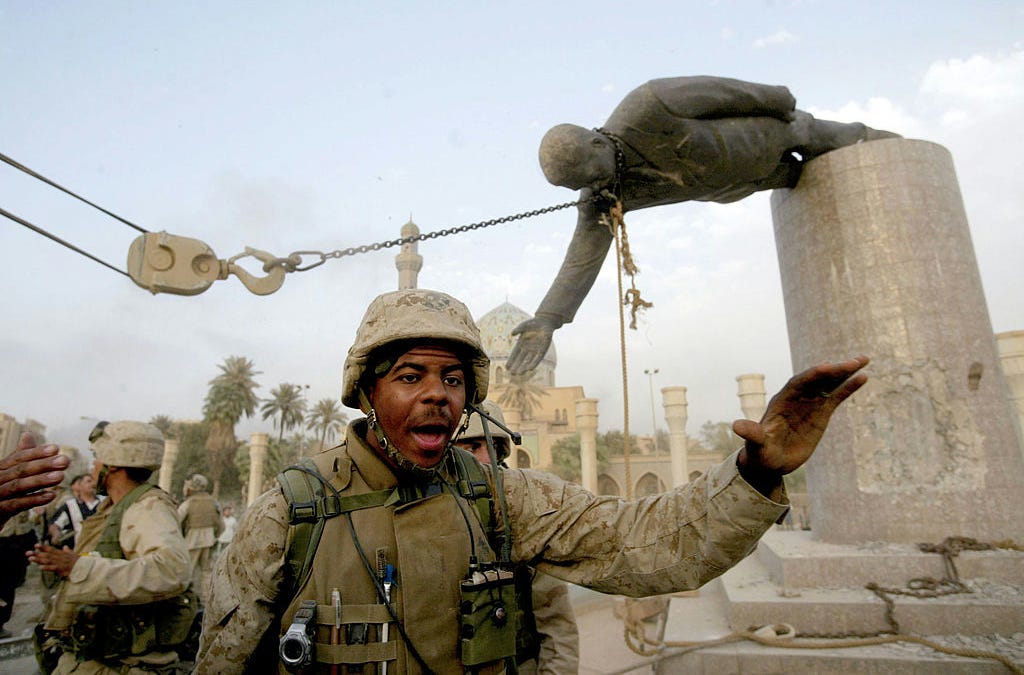
Today, the United States is different: It is skeptical of its role in the world, and more clear-eyed about the costs of war—despite having an all-volunteer military that insulates most citizens from those costs.
asserted
that → have → costs
Our appetite to export our ideals abroad is also diminished.
asserted
appetite → export → ideals
Scandals from Abu Ghraib to Edward Snowden’s leaks and the fall of Kabul, Afghanistan, have left this country’s democratic evangelists in disarray.
asserted
Scandals → leave → disarray
A United States in which Band of Brothers has near-universal appeal is a very distant memory.
asserted
Band → have → appeal