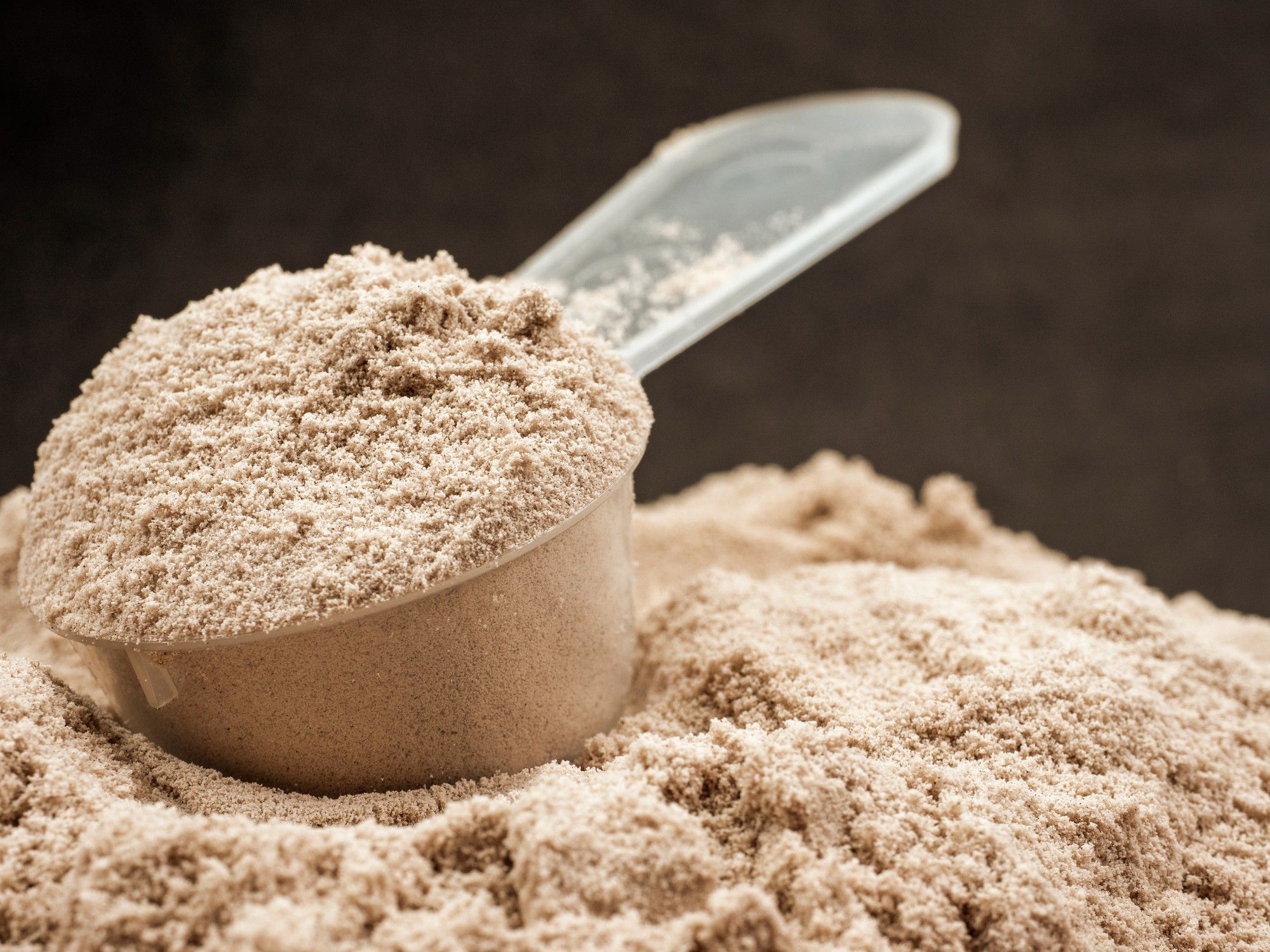
Everything from cereal to bread, milk to beer, and even treats like candy, chocolate bars and chips now have protein-infused versions.
asserted
Everything → have → versions
The protein obsession has been trending for a while and shows no signs of abating as the food industry seemingly finds a never-ending list of foods it can inject with extra protein.
asserted
it → trend → protein
But how much protein do we actually need?
asserted
we → need → protein
And is there another food we should be reaching for instead?
asserted
we → reach → ?
Recommended Videos
Fibre has emerged as an early favourite for the next big food trend.
asserted
Fibre → emerge → trend
But unlike protein, experts say there is truth to the average person needing more of it.
asserted
person → say → it
The protein preoccupation
Samantha King, a professor in the School of Kinesiology and Health Studies at Queen’s University and co-author of the book “Protein: The Making of a Nutritional Superstar,” first noticed the emphasis on consuming more protein at her local gym a decade ago.
asserted
King → notice → gym
“I just thought that was really strange, given that we are all fairly privileged, well-fed, clean-eating fitness practitioners, and people were talking about picking up these huge plastic tubs of powdered whey and adding them to the food,” she said.
asserted
she → think → food
It inspired King and her research partner, Gavin Weedon, to look into its rise.
asserted
It → inspire → rise
“We kept thinking over the last 10 years that the fad would soon diminish, and it hasn’t,” King said.
asserted
King → think → years
“It’s just kept growing.”
asserted
It → keep → ?
Protein is a macronutrient needed for building muscle, repairing cells and supporting immune and metabolic functions.
asserted
Protein → need → functions
Toronto-based registered dietitian Melissa Koch said if you think of our bodies as houses, then protein acts like the bricks.
asserted
protein → base → bricks
“Eating the protein adds bricks to our house to maintain and repair it if there’s any damage,” said Koch, who owns Bloom Nutrition Services.
asserted
who → eat → Services
“We need to get enough bricks daily to keep our house strong and keep it in a good state without having to repair it.
asserted
We → need → it
But between the rise of diet and fitness culture, online trends and a savvy food industry, consuming more protein has become associated with a healthy lifestyle, even if that’s not what the science says.
asserted
science → consume → what
“You buy your high-protein bag of Doritos, and that suddenly somehow will magically translate into a more toned or strong body.
asserted
that → buy → body
But you have to have resistance training to build muscle,” King said.
asserted
King → have → muscle
“That’s an example, I think, of how people are probably thinking about it.
asserted
people → ’ → it
‘Oh, high protein equals good.’”
asserted
protein → equal → good
The protein preoccupation dates as far back as the mid-19th century.
asserted
preoccupation → date → century
It has waxed and waned as other nutrients — like carbohydrates in the 1980s and ‘90s — took centre stage, but the protein fad has endured.
asserted
fad → wax → stage
King details in her book that during the post-Second World War era, milk consumption declined, so the dairy industry pivoted to producing cheese.
asserted
industry → detail → cheese
That led to surplus whey, a byproduct of the manufacturing process.
asserted
That → lead → process
One solution was to make it palatable, digestible and scalable for mass consumption.
“That’s really key to this because most of the high-protein products, especially the stuff that protein is added to — potato chips, ice cream, beer, etc., that’s whey.
asserted
that → make → that
It’s almost always dairy,” said King.
asserted
King → ’ → ?
A solution to contradictory issues
Other factors could explain why protein is so popular right now.
uncertain
protein → explain → issues
For one, it offers a solution to multiple, seemingly contradictory dietary questions.
asserted
it → offer → questions
“It’s this win-win proposition in a diet and anti-fat culture,” King said.
asserted
King → ’ → diet
We also live in a largely nutritionist culture, where food is reduced to its biochemical components as a route to health, rather than purely a means of pleasure, sociality and community.
asserted
food → live → pleasure
Combined with the flood of health and fitness inspiration on social media, the obsession to optimize our bodies has only intensified, King said.
asserted
King → combine → bodies
The truth is, the average Canadian gets enough protein without even thinking about it.
asserted
Canadian → get → it
Some populations may benefit from additional protein, such as older adults, elite athletes or people recovering from illness.
uncertain
populations → benefit → illness
But “most people don’t need as much protein as social media would have you believe,” according to Amy Symington, a nutrition professor, researcher and chef for Forward Food Canada.
uncertain
you → need → Canada
We’ve forgotten about fibre
Symington said what we mainly see in Canadians is a diet-quality deficiency.
asserted
see → forget → Canadians
“Protein is important, very important, but more isn’t always better,” Symington said.
asserted
Symington → say → ?
“The bigger nutrition story isn’t simply just eating more protein.
asserted
story → eat → protein
I think it should be more about choosing healthier sources of protein while getting enough fibre.
asserted
it → think → fibre
That means avoiding processed foods disguised as healthy because they have added protein.
asserted
they → mean → protein
“A chocolate bar is not necessarily the most nutrient-dense food, although it has protein in it,” Koch said.
asserted
Koch → have → it
…and 2 more, not listed.
 The Aporia