The irony of OpenAI crying foul over spying

Read the original at Al Jazeera ↗
Cite

Fernández, B. (2026, October 15). The irony of OpenAI crying foul over spying. Al Jazeera. https://www.aljazeera.com/opinions/2026/10/15/the-irony-of-openai-crying-foul-over-spying?traffic_source=rss

Dated from the outlet's own feed. Check the original for its byline.

Al Jazeera · collected 2026-10-15 · by Belén Fernández

Quick Summary

The FBI arrested Abdulrahman Alfozan, a Saudi citizen working at OpenAI in San Francisco, for allegedly installing an audio recording device in an executive conference room on October 9. The covert device was hidden inside toilet paper and attached behind a television monitor, with potential penalties including up to five years in jail and a $250,000 fine if convicted. This incident highlights the irony of OpenAI’s stance against espionage given its own legal battles for allegedly using copyrighted material without permission to train ChatGPT, as noted by recent lawsuits from USA Today and other media outlets.
Written locally by qwen2.5:14b on 2026-10-15, using this article's own text rather than the other coverage of the same event (that is the story summary below).

AI analysis runs on qwen2.5:14b, locally

Story summary

As of October 15, 2026, Abdulrahman Alfozan, a 35-year-old Saudi national working at artificial intelligence company OpenAI in San Francisco, was arrested by the FBI for allegedly planting a hidden audio recording device in an executive conference room. The device, wrapped in toilet paper to conceal it, was found plugged into a USB port behind a TV on September 30th and contained encrypted data.

OpenAI discovered that Alfozan had used unauthorized company tools to gather information about the location of sensitive meetings before installing the device. Surveillance footage showed him near the conference room multiple times despite lacking access permissions. The conference room was frequently used for high-level discussions involving proprietary research, technical capabilities, government relationships, and strategic decisions.

The incident highlights security challenges in protecting advanced technology from espionage threats. While OpenAI claims it uses AI to identify such risks, the arrest underscores tensions between technological innovation and national security concerns, particularly given Alfozan's nationality and potential links to other nations interested in acquiring cutting-edge tech intelligence.

Written for “OpenAI Engineer Arrested For Spying” on 2026-10-15, grounded in this article and the 13 other(s) covering the same event.
Why this leaning score
The article's own words the score was based on. Each is quoted verbatim and was checked against the article text before being stored, so you can find it in the original.
Reading Leans left (beta estimate) Confidence high
Leaning: leans left for article 81703 (high confidence, 3 verified quotes) · logged 2026-10-15

Story

📰 OpenAI Engineer Arrested For Spying
Crime & Law · 14 article(s) covering the same event. Compare every outlet's account →

Compared with similar articles

This article reads leans left and hedges 10% of its claims. Each row says how that neighbour differs.
ABC News (AU)
⚖️ leaning not scored 🔴 67% hedged 2 of 3 📰 publisher trust 72
“Both articles describe the arrest of Abdulrahman Alfozan, a 35-year-old OpenAI employee with Saudi links, for allegedly installing an audio recording device in a conference room.”
Toronto Star
⚖️ leaning not scored 🔴 50% hedged 1 of 2 📰 publisher trust 63
“Both articles describe the arrest of Abdulrahman Alfozan on October 9, 2026, for secretly installing a recording device in an OpenAI conference room.”
BBC News
⚖️ leaning not scored 🔴 15% hedged 4 of 26 📰 publisher trust 72
“Both articles describe the arrest on October 9, 2026, of Abdulrahman Alfozan, a Saudi OpenAI engineer, for allegedly installing a secret recording device in an OpenAI meeting room.”
CBS News
⚖️ leaning not scored 🔴 50% hedged 1 of 2 📰 publisher trust 66
“Both articles describe the arrest of Abdulrahman Alfozan by the FBI for allegedly planting a recording device at OpenAI's headquarters on the same date.”
CBS News
⚖️ leaning not scored 🔴 50% hedged 1 of 2 📰 publisher trust 66
“Both articles describe the arrest of Abdulrahman Alfozan, a Saudi national employed at OpenAI, for allegedly installing an audio recording device in an executive conference room.”
Trump AI directive sparks questions different event · 95%
Semafor
⚖️ leaning not scored 🔴 12% hedged 1 of 8 📰 publisher trust 95
“The articles describe different events: one about a directive from the Trump administration to AI companies regarding rogue behavior, and the other about an FBI arrest of an engineer accused of spying at OpenAI.”
CBC News
⚖️ leaning not scored 🔴 17% hedged 2 of 12 📰 publisher trust 60
“Both articles describe OpenAI's use of AI to identify an employee who planted a listening device, leading to the FBI making an arrest.”
New York Post
⚖️ leaning not scored 🔴 15% hedged 3 of 20 📰 publisher trust 67
“Both articles describe the arrest and charges against Abdulrahman Alfozan on October 9, 2026, for attempting to bug confidential meetings at OpenAI using a hidden audio recording device wrapped in toilet paper.”
Washington Examiner
⚖️ leaning not scored 🔴 19% hedged 3 of 16 📰 publisher trust 68
“Both articles describe the arrest of Abdulrahman Alfozan, a Saudi national working at OpenAI, for allegedly installing a hidden recording device in an executive conference room on September 30.”
Al Jazeera
⚖️ leaning not scored 🔴 33% hedged 1 of 3 📰 publisher trust 60
“Both articles describe the arrest of Abdulrahman Alfozan, a Saudi engineer at OpenAI, for allegedly planting a listening device in an OpenAI office.”
How this article was measured signals, leaning charts, publisher record, byline, topics and claims

Signals How these are calculated →

Claims extracted
29
sentences that state something as happening or true
Uncertain
10%
3 of 29 hedged ("reportedly", "may", "according to")
Leaning
Leans left
of the writing, not the subject · beta estimate
Publisher signals
60/100
Al Jazeera's corrections and hedging, across everything collected from it. Not a measure of accuracy.
Outlets on this story
14
Crime & Law
Same framing elsewhere
1
articles that frame the event the way this one does
Analyzed 2026-10-15 · how these are computed

How this is being covered How these are calculated →

Article leaning vs. publisher reliability
Source leaning vs. consistency

Publisher

Al Jazeera · 3074 article(s) · 2 correction(s) detected
Running correction rate · 2 correction(s)

Who wrote this

Belén Fernández
2 article(s) here · 1 carrying a prediction
🔮 FBI director Kash Patel concurred that “protecting American SI innovation is essential to safeguarding our nation’s economic strength and national security”, and assured everyone that the FBI would continue doing its part “to ensure our country maintains its competitive edge”.
2026-10-15 · assertive framing · The irony of OpenAI crying foul over spying
🔮 ” A fair amount of international uproar would presumably ensue, alleging Iran’s barbarity in choosing to kill a woman with such a troubled past.
2026-10-03 · assertive framing · The double standards of a failed execution
Also by Belén Fernández
Nothing else under this byline is closely related to this article, so these are simply their most recent.

Topics

Americans ChatGPT FBI OpenAI Saudi

Subjects

OpenAI ORG · 4× Alfozan PERSON · 3× FBI ORG · 3× American NORP · 2× Americans NORP · 2× Saudi NORP · 2× Abdulrahman Alfozan PERSON · 1× California GPE · 1× the Federal Bureau of Investigation ORG · 1× the United States Department of Justice ORG · 1×

Narrative

In case we were not already bored to tears hearing about national security, US Attorney General Todd Blanche took to X on Tuesday to preach that the “theft of intellectual property involving cutting-edge super intelligence technology poses a serious threat to our national security”, necessitating continued “swift action … to protect American innovation and safeguard our nation”.
framing: assertive · carried by 1 article(s) · first seen 2026-10-15
🔮 FBI director Kash Patel concurred that “protecting American SI innovation is essential to safeguarding our nation’s economic strength and national security”, and assured everyone that the FBI would continue doing its part “to ensure our country maintains its competitive edge”.
2026-10-15 · Al Jazeera
The irony of OpenAI crying foul over spying · assertive framing

Claims (29 extracted, 3 hedged)

Americans can rest easy – for the moment, at least. asserted
Americans → rest → moment
The fine folks at the Federal Bureau of Investigation have thwarted a major national security threat. asserted
folks → thwart → threat
On October 9, the FBI arrested 35-year-old engineer Abdulrahman Alfozan, a Saudi citizen employed at the California-based artificial intelligence company OpenAI, the maker of the chatbot ChatGPT, and a firm that describes its mission as ensuring that “artificial general intelligence benefits all of humanity”. asserted
intelligence → arrest → humanity
A press release from the United States Department of Justice said that Alfozan was accused of installing a “surreptitious audio recording device” in an executive conference room at the OpenAI offices in San Francisco. asserted
Alfozan → say → Francisco
The statement quoted Director of National Intelligence Jay Clayton’s assessment that “this serious situation underscores why winning the global super intelligence race is a national security prerogative”. asserted
winning → quote → race
(For those who have not yet got the memo, US President Donald Trump recently decreed that the term “artificial intelligence” be changed to “super intelligence” or “SI.”) asserted
Trump → get → intelligence
FBI director Kash Patel concurred that “protecting American SI innovation is essential to safeguarding our nation’s economic strength and national security”, and assured everyone that the FBI would continue doing its part “to ensure our country maintains its competitive edge”. asserted
country → concur → edge
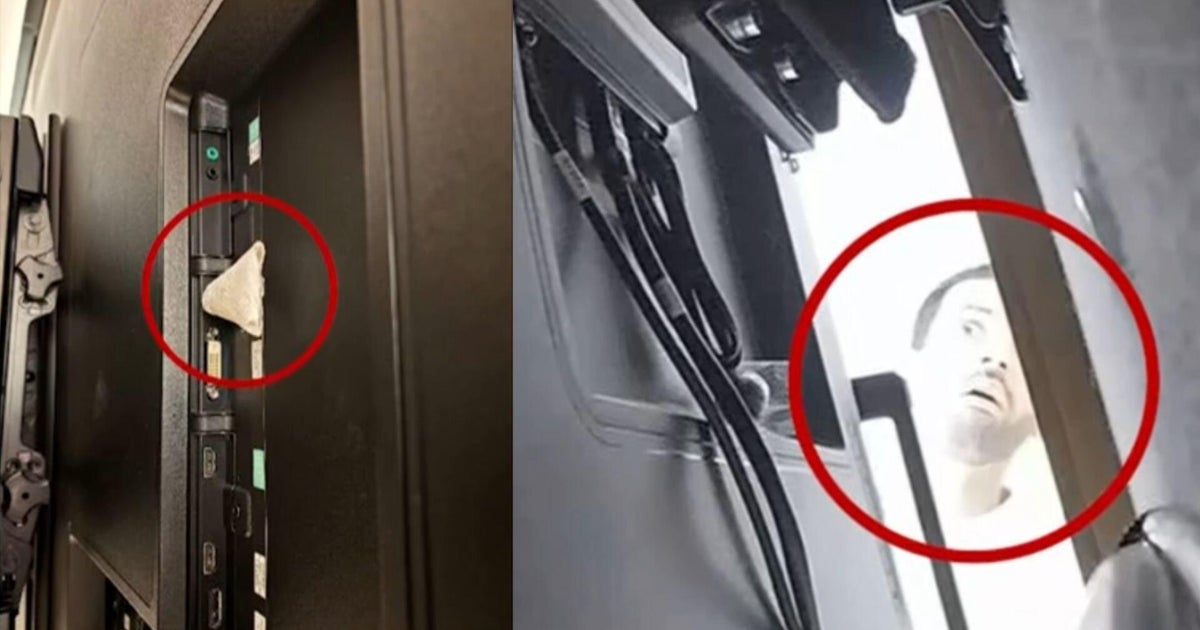
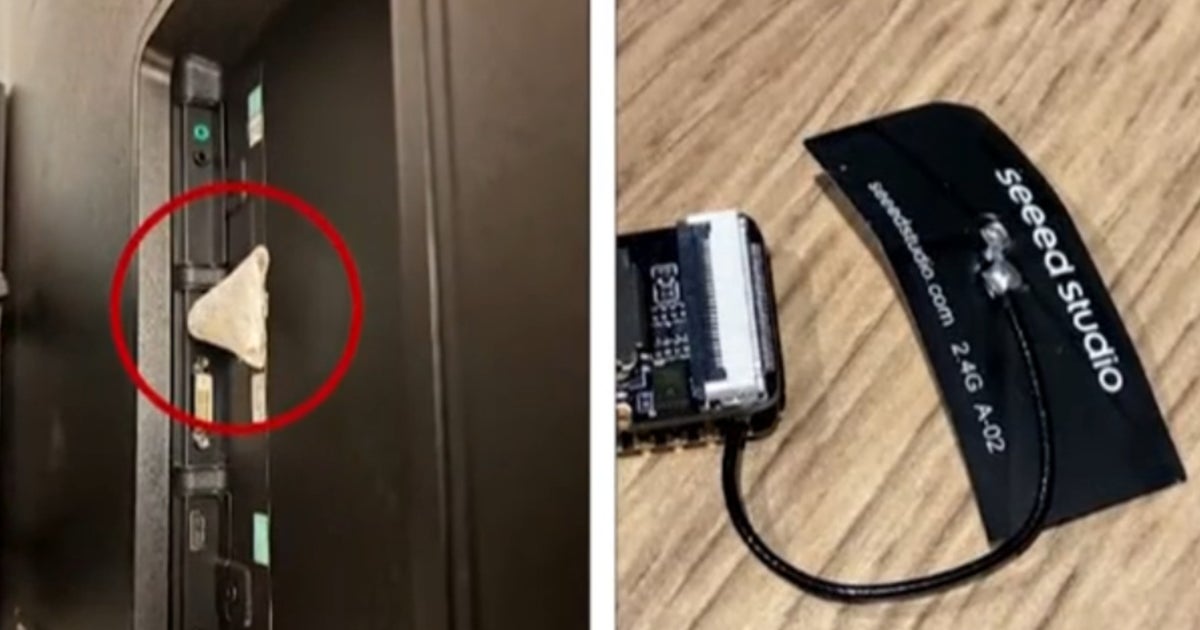
The covert device was reported to have been concealed in toilet paper and attached to the back of a television monitor. asserted
device → report → monitor
The Gizmodo website has noted with amusement that, despite being cast as a “sophisticated” spying apparatus, the device in question can in fact be easily ordered online “for the low low price of $13.99”. asserted
device → note → 13.99
If convicted, Alfozan faces up to five years in jail and a fine of $250,000. asserted
Alfozan → convict → 250,000
Now, some of you may still be asking what the big deal is – and why the US government is acting like it’s 1950 and the Soviets are stealing our nuclear secrets. uncertain
Soviets → ask → secrets
The spectacle becomes all the more curious when we consider that the company up in arms over the alleged attempted theft of its technology owes much of its existence – and massive valuation – to stealing stuff from people. asserted
company → become → people
The day before Alfozan’s arrest, USA Today and several other newspapers sued OpenAI in a Manhattan federal court for copyright infringement and the unauthorised use of hundreds of thousands of news articles and other materials to develop ChatGPT. asserted
Today → sue → ChatGPT
And back in July, various US media outlets including the New York Times and the New York Daily News requested that a federal judge impose sanctions on OpenAI for “hiding and destroying evidence showing how ChatGPT was trained on stolen journalism”, as attorney Steven Lieberman put it. asserted
Lieberman → include → it
The moral of the story, perhaps, is that when OpenAI steals things it’s to “benefit all of humanity” – but when a 35-year-old Saudi engineer does it, it’s a national security crisis. asserted
it → steal → it
In case we were not already bored to tears hearing about national security, US Attorney General Todd Blanche took to X on Tuesday to preach that the “theft of intellectual property involving cutting-edge super intelligence technology poses a serious threat to our national security”, necessitating continued “swift action … to protect American innovation and safeguard our nation”. asserted
theft → hear → nation
Of course, many Americans might wonder why “innovation” gets such special treatment when they themselves are so often on the receiving end of government abuse. uncertain
they → wonder → abuse
The frequency with which US police officers murder unarmed Black people, for instance, would seem to indicate that there are far more literal threats to the nation’s security than a $14 device hidden in toilet paper. asserted
officers → murder → paper
But human security is of no interest to a corporatocracy increasingly dominated by AI, an industry that thrives on putting people out of jobs and that is deeply entwined in a number of sordid developments at home and abroad. asserted
that → dominate → home
Among them is mass surveillance, which combines AI-assisted violations of civil liberties and constitutional protections with good old police state “innovation”. asserted
which → combine → innovation
To that end, a bunch of US cops have taken advantage of new AI-powered technology, such as automated licence plate readers, to stalk their exes. asserted
bunch → take → exes
Then there is the matter of the FBI and other government agencies buying up data en masse from tech companies in a bid to keep tabs, Big Brother-style, on everyone’s personal information at all times. asserted
FBI → be → times
It makes you think twice about the sudden concern for “spying” in the Alfozan case. asserted
you → make → case
As for threats to other people’s national security, OpenAI and like-minded tech companies that do business with the Pentagon have been complicit in recent US aggression – from Venezuela to Iran – as the US pursues its strategy for “Accelerating America’s Military AI Dominance” (concocted before Trump mandated the renaming of AI as SI). asserted
Trump → do → SI
Israel, too, has exploited OpenAI technology, among other US-made goodies, to conduct its contemporary apocalyptic exercises in the Middle East. asserted
Israel → exploit → East
Last year, the Associated Press news agency (AP) revealed that US tech giants had “quietly empowered Israel to track and kill many more alleged militants more quickly in Gaza and Lebanon through a sharp spike in artificial intelligence and computing services”. asserted
giants → reveal → intelligence
The AP report went on to note that “the number of civilians killed has also soared, fueling fears that these tools are contributing to the deaths of innocent people”. asserted
tools → go → people
But while it might be news to the AP, that is unfortunately how a genocide works. uncertain
genocide → work → AP
And as the US goes to war for AI dominance while the tech giants bank on a post-human world, one can’t help but feel that the toilet paper was a nice touch, indeed. The views expressed in this article are the author’s own and do not necessarily reflect Al Jazeera’s editorial stance. asserted
views → go → stance

💬Give feedback
🕘History 🎫Support