With the midterm elections less than three weeks away, key voting groups including independents, rural voters and even some Republicans are increasingly disenchanted with Donald Trump’s economy, according to an exclusive Harris poll for the Guardian.
uncertain
groups → include → Guardian
The majority of those surveyed were pessimistic about the economy, with three quarters of Americans saying they are concerned about a recession while 61% wrongly believe that the US is already experiencing one.
asserted
US → survey → one
By its typical definition, the US is not currently experiencing a recession.
asserted
US → experience → recession
The poll shows growing weariness across the political spectrum over high prices.
asserted
poll → show → prices
Republicans, fighting to keep control of Congress, are losing support with independent voters, who are expected to be the deciding factor in key swing races.
asserted
who → fight → races
Nearly two-thirds (65%) of independents said the economy is worse, up from 48% who said the same in September 2024 in the heat of the 2024 presidential election.
asserted
who → say → election
Even within the Republican ranks, optimism has waned.
asserted
optimism → wan → ranks
In February 2025, just a few weeks after Trump was inaugurated, 39% of Republicans said the economy was getting better.
asserted
economy → inaugurate → Republicans
By February 2026, just before the US launched attacks against Iran, that optimism was up to 49%.
asserted
optimism → launch → %
In the latest poll, just 28% of Republicans said the economy is getting better.
asserted
economy → say → Republicans
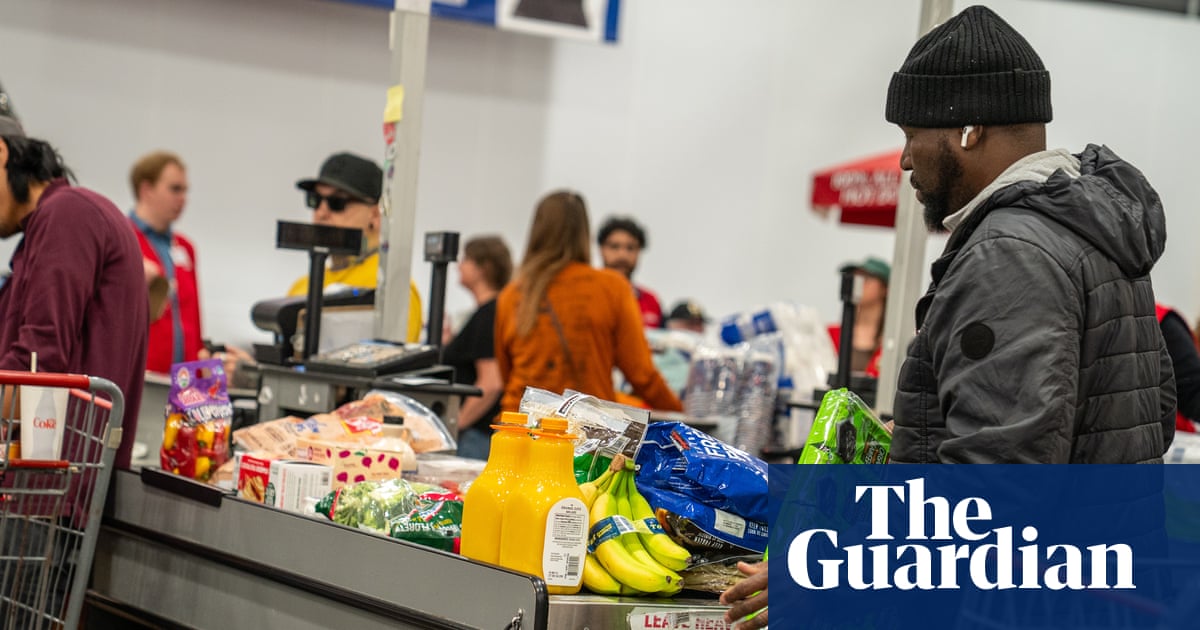
Voters say the high prices they are seeing at gas stations and grocery stores will be a key factor when they cast their votes in November.
asserted
they → say → November
Two-thirds of those polled said that gas prices and grocery prices are their most important issues heading into the election, followed by living expenses, healthcare costs and foreign affairs.
asserted
prices → poll → expenses
Recent inflation data showed that annualized prices increased 3.7% in September, the highest reading before a midterm election, excluding the pandemic, since 1990.
asserted
prices → show → 1990
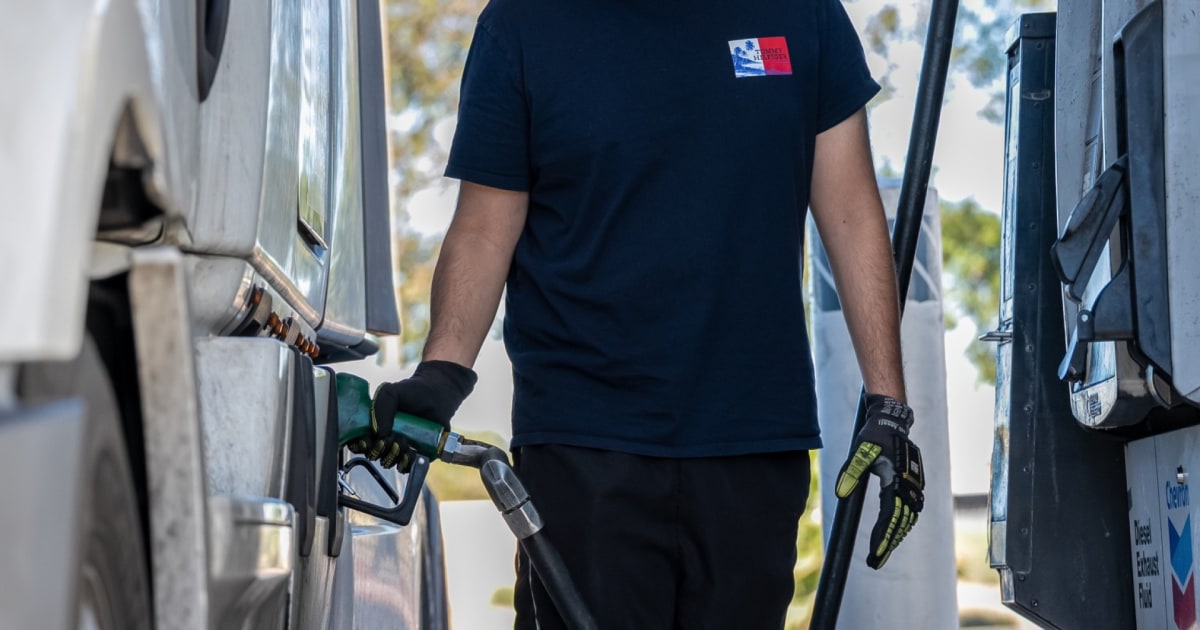
Energy prices have been especially high since the Iran war, with average gas prices at the pump crossing $1.20 more per gallon compared with a year ago.
asserted
prices → cross → gallon
California drivers, who are experiencing the highest gas prices, are paying on average $6.20 per gallon, according to AAA.
uncertain
who → experience → AAA
Democrats in swing races have spent much of the last few months framing their midterm battles as a fight, in part, against a growing affordability crisis.
asserted
Democrats → spend → crisis
James Talarico, the Democratic candidate in a closely watched US Senate race in Texas, has a campaign ad of him holding a paper bag of groceries.
asserted
Talarico → watch → groceries
“Too many Texans feel like they’re drowning, the cost of groceries, gas, healthcare,” he says in the video.
asserted
he → feel → video
“They say I can’t win because of my name,” Abdul el-Sayed, another Democratic candidate for a US Senate race in Michigan, said at a recent campaign event.
asserted
Sayed → say → event
My name is not the reason you can’t afford your groceries.”
asserted
you → afford → groceries
In the new poll, a vast majority of Americans agreed that there is an affordability crisis, including 96% of Republicans.
asserted
majority → agree → Republicans
But Americans still remain divided over who has a solution.
asserted
who → remain → solution
-
Democrats (71%) were more likely than Republicans (59%) to say that their own party had a solution.
asserted
party → say → solution
-
Republicans were more likely (26%) to say neither party has a solution compared with Democrats (17%)
-
Half of independents said neither party has a solution, while 14% sided with Democrats and 10% with Republicans.
asserted
% → say → Republicans
Rural Americans, considered a core base for Trump, were more likely to believe that neither party has a solution (41%) compared to their suburban (35%) and urban (27%) counterparts.
asserted
party → consider → counterparts
Four out of 10 of rural Americans said they are living in “survival mode”, where one surprise bill could sink them, compared with 35% of urban and 27% of suburban Americans.
uncertain
bill → say → Americans
When asked what is most affecting today’s gas prices, 46% of rural Americans said the US government compared with 28% of Republicans who said the same.
asserted
who → ask → same
Republicans were the least likely of any group to blame the US government, instead spreading the blame across oil companies, the Iranian government and natural economic fluctuations.
asserted
Republicans → blame → companies
This survey was conducted online within the US by The Harris Poll from 24 September to 3 October 2026 among a nationally representative sample of 3,998 US adults.
asserted
survey → conduct → adults
 The Aporia