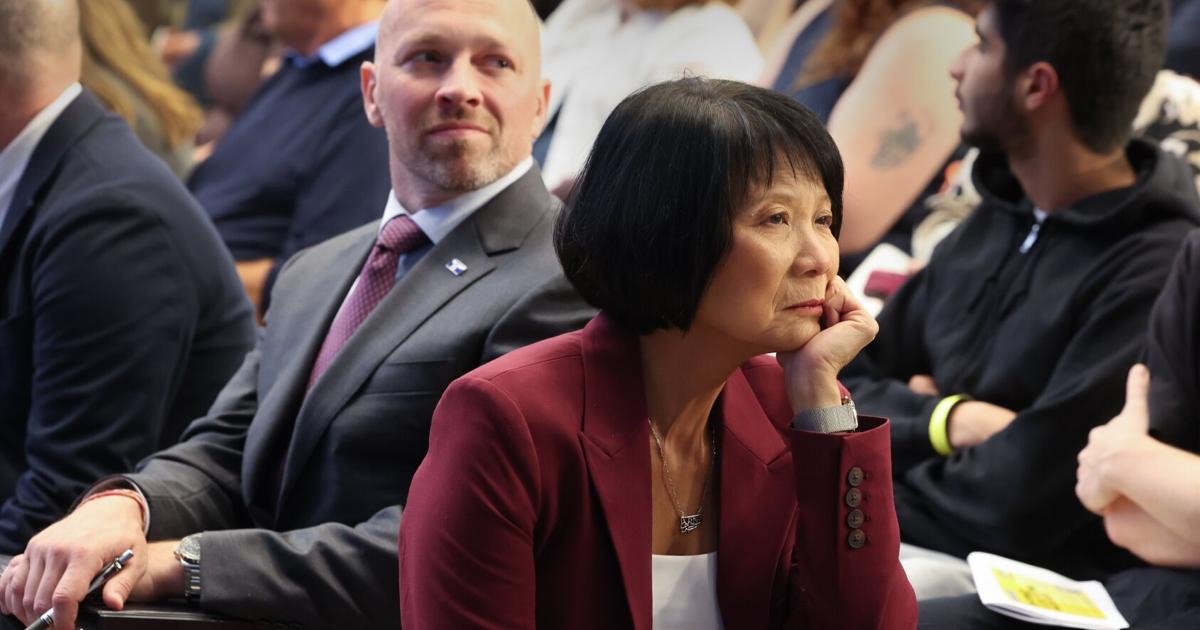
It feels like Toronto is sighing a collective “meh” when it comes to this election.
asserted
it → feel → election
Municipal elections always have the lowest voter turnout of all three levels of government despite being the level that has the most effect on our day-to-day lives, where our vote can have the quickest results, closest to home.
asserted
vote → have → home
It’s long been this way — despite your local city columnist’s best efforts — but this year seems different.
asserted
year → seem → efforts
The “meh” vibe feels deeper and has infected all sides of what has suddenly become a two-person race after Chris Alexander dropped out.
asserted
Alexander → feel → sides
Usually, incumbents can coast to victory.
asserted
incumbents → coast → victory
Unseating a sitting politician can be difficult or even impossible as name recognition is everything in low-engagement political environments such as city politics.
asserted
recognition → unseat → politics
Especially for councillors: It’s why they plaster their names on everything from free municipal compost heaps to “no dumping” and “slow down” signs.
asserted
they → ’ → dumping
Keeping their name in the public’s imagination is half the battle.
asserted
Keeping → keep → imagination
A closer race than expected
The mayor is a bit different and more glamorous.
asserted
mayor → expect → ?
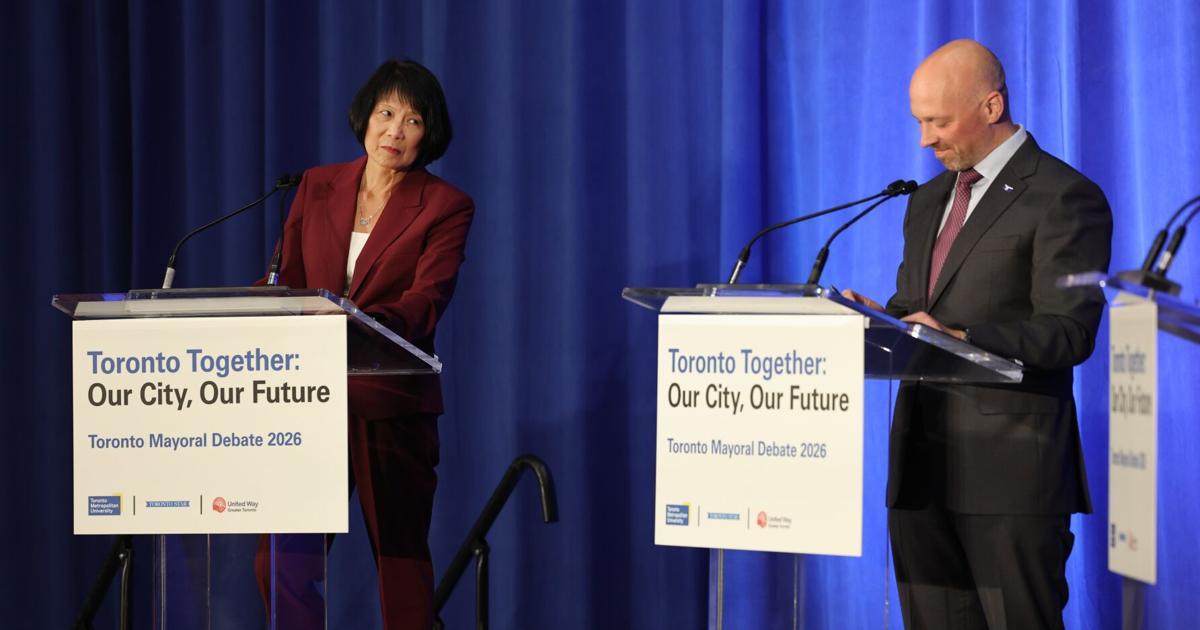
So the mayoral election between Chow and current councillor Brad Bradford being a real race this year, closer than many observers imagined (especially after the 2023 election when he received less than 1.4 per cent of the vote), may be a symptom of all the meh.
uncertain
he → imagine → meh
A mayor as well-known as Chow, an elder civic statesperson, should have an easy re-election.
asserted
mayor → know → election
Yet for a few years I’ve heard grumbling among people, often her supporters, who wish there was more oomph, more to inspire them.
asserted
who → hear → them
As Matt Elliot wrote last week, Chow has played it safe when there were opportunities to be bold.
asserted
Chow → write → it
Chow is very much a fix-things-within-the-system mayor, often tinkering in the background.
asserted
Chow → fix → background
As I argued a few weeks ago, the weak power of Ontario mayors, even with limited “strong mayor powers,” means they can’t do much to really tackle the big problems everyone’s talking about.
asserted
everyone → argue → problems
Still, a mayor has to do big things, at least in appearance, that motivate people to get out and vote.
asserted
that → have → people
There’s a real risk then, to my mind, that many natural but uninspired Chow voters will sit this election out.
asserted
voters → ’ → election
Some I’ve talked to are further confused by events like the not-really-an-endorsement-endorsement Premier Doug Ford (of mayoral-power usurping fame) gave Chow a few weeks ago.
asserted
Ford → talk → Chow
Or that the Toronto Police Association has given her their nod, too.
asserted
Association → give → nod
Chow is playing some realpolitik here, but that too is in the background.
asserted
that → play → background
“Insider baseball,” as it’s sometimes called, but it leaves many to wonder why she’s barely said a word about the ongoing, trust-shattering police scandals.
asserted
she → call → scandals
On the other side, Bradford may be facing the same problem: a natural voter base tuning out.
uncertain
Bradford → face → problem
As Richard Warnica wrote in his Star profile, Bradford is seen as deeply unlikable, even among his own supporters.
asserted
Bradford → write → supporters
That could turn off many voters who would naturally gravitate to a candidate opposing a left-leaning mayor such as Chow.
uncertain
who → turn → Chow
The flip-flopping can’t help.
asserted
flopping → help → ?
Over at TVO, John Michael McGrath reinforced this, writing that Chris Alexander’s strange appearance in the race can be explained by a cohort of conservatives who have “barely veiled contempt” for Bradford and wanted to run their own, more palatable, candidate.
asserted
who → reinforce → candidate
Will they sit it out though?
asserted
they → sit → it
Wedge issues don’t make good policy
Elections are never meh affairs though, and there are always people and groups who have very particular interests in the outcome.
asserted
who → make → outcome
As the saying goes, “just because you do not take an interest in politics doesn’t mean politics won’t take an interest in you.”
asserted
politics → go → you
Elections can also be aggravating because there are many policy positions floated simply to see what sticks.
asserted
what → be → ?
Thin ends of wedges looking for a crack they might fit into
uncertain
they → look → crack
It can be hard to discern between things that really need to be fixed or improved, and issues designed to get people riled up but won’t actually solve a problem.
asserted
people → discern → problem
So there’s lots of noise about removing bus priority lanes, reviving long gone expressway ramps and warnings of invading multiplexes in suburban areas, even if there are very few being proposed and that their supposed “harms” are unfounded.
asserted
harms → ’ → areas
Perhaps that’s why elections are held in October: there’s an abundance of bogeymen.
asserted
elections → ’ → bogeymen
Don’t let them scare you into not voting though, because someone might be happier you didn’t.
uncertain
you → let → you
 The Aporia