The Aporia
The Aporia
The Aporia

Zappone, C. (2026, October 15). Starlink’s growing influence has one big point of failure. The Sydney Morning Herald. https://www.smh.com.au/business/companies/starlink-s-growing-influence-has-one-big-point-of-failure-20261015-p615rn.html?ref=rss&utm_medium=rss&utm_source=rss_feed
Zappone, Chris. “Starlink’s growing influence has one big point of failure.” The Sydney Morning Herald, 15 Oct. 2026, https://www.smh.com.au/business/companies/starlink-s-growing-influence-has-one-big-point-of-failure-20261015-p615rn.html?ref=rss&utm_medium=rss&utm_source=rss_feed.
Zappone, Chris. “Starlink’s growing influence has one big point of failure.” The Sydney Morning Herald, October 15, 2026. https://www.smh.com.au/business/companies/starlink-s-growing-influence-has-one-big-point-of-failure-20261015-p615rn.html?ref=rss&utm_medium=rss&utm_source=rss_feed.
Dated from the outlet's own feed. Check the original for its byline.
Ukraine accused the United States of failing to warn it about incoming missile strikes from Russia and disrupting its military response through changes to Elon Musk's SpaceX satellite communication system. Musk responded by calling for President Volodymyr Zelensky to step down, asserting that any limitations on Starlink or Starshield systems were decided by the U.S. government under President Donald Trump’s authority. These disruptions have reportedly hindered Ukraine’s ability to defend itself against drone attacks and conduct long-distance military operations, with Poland expressing outrage over the situation due to its financial support for Ukrainian Starlink subscriptions. Experts suggest that while these restrictions may hamper Ukraine's war effort, the country can adapt to maintain functionality of its communication systems. The U.S. government claims responsibility for any limits placed on SpaceX’s military-grade terminals moving at high speed during wartime operations. Zelensky felt “betrayed” after Trump announced a diesel-supply deal with Russia despite sanctions against Moscow. Musk clarified that Starshield systems are owned and controlled by the U.S. government, while civilian satellite system Starlink is not allowed for offensive military use by Ukraine. The disputes highlight tensions between Ukraine and its Western allies regarding support and strategic communication during the ongoing conflict with Russia. Despite these challenges, Ukrainian officials maintain that they will find ways to adapt and continue their fight against Russian forces.
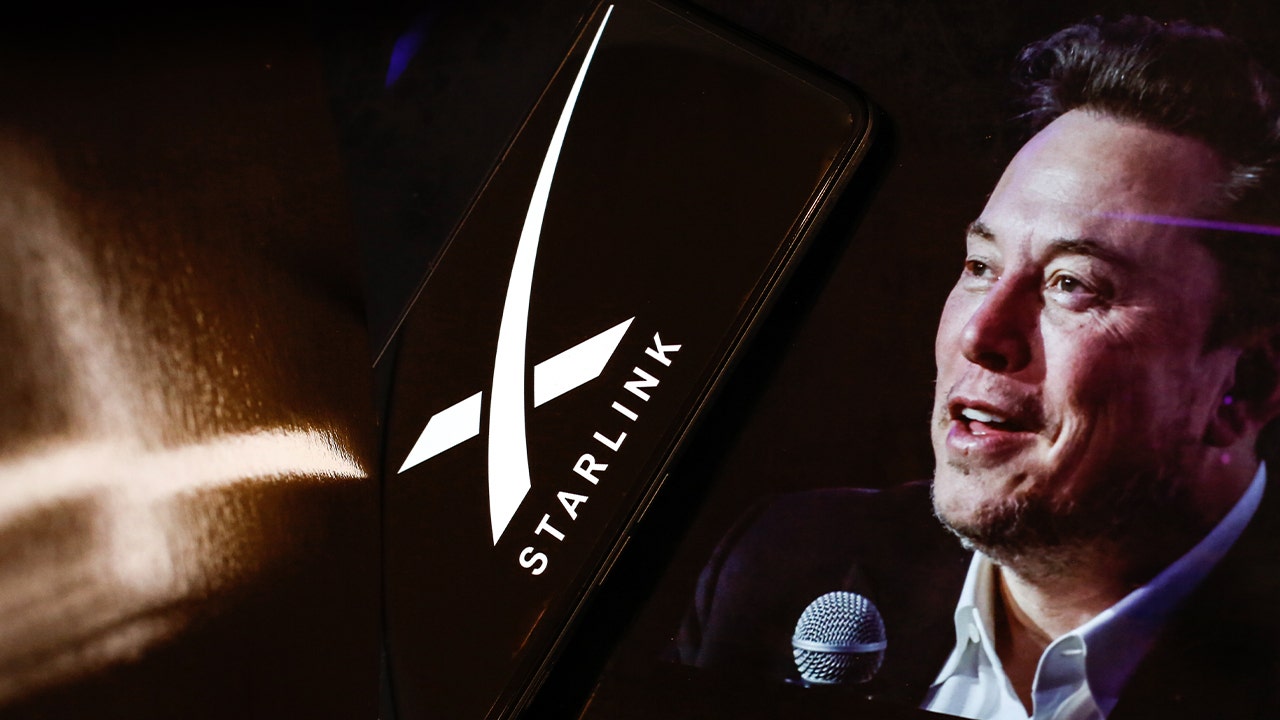
The latest decision by Starlink to restrict critical access for the Ukrainian military highlights the danger of relying on superfast, satellite-based internet that’s controlled by a single entity.
Maybe putting all your broadband needs in the hands of Starlink isn’t such a good idea.
Delta’s decision to say no to Starlink and Musk is revealing. Delta prefers to manage its own customer relationships directly rather than outsource them to the whims of a mercurial mogul.
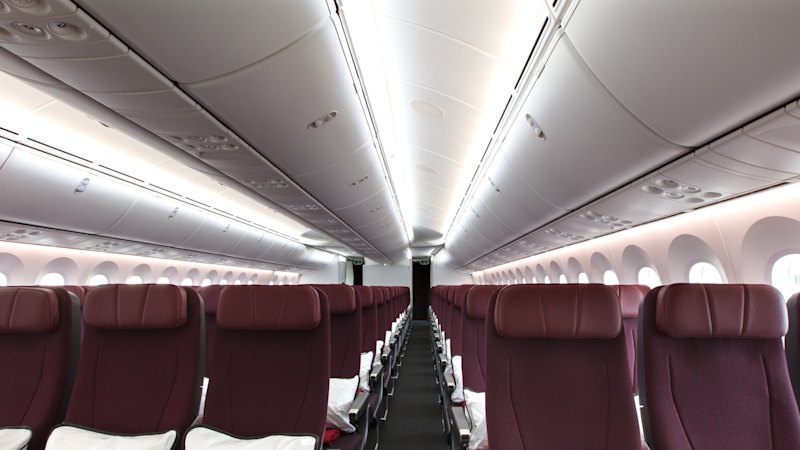
The experience of Starlink on planes is transformative: people can stream sports live, play video games, conduct Teams meetings, or as I recently did, spend time working on the plane. So the service is great, but monopoly has its downsides - for the users - and privileges - for the owner.
Once a business or consumer becomes reliant on the product, what option do they have but to pay?