Claims extracted
18
sentences that state something as happening or true
Uncertain
11%
2 of 18 hedged
("reportedly", "may", "according to")
Leaning
withheld
no quote in the article backed the model's score
Publisher signals
72/100
BBC News's corrections and
hedging, across everything collected from it. Not a measure of accuracy.
Outlets on this story
1
Politics
Same framing elsewhere
1
articles that frame the event the way this one does
- Published
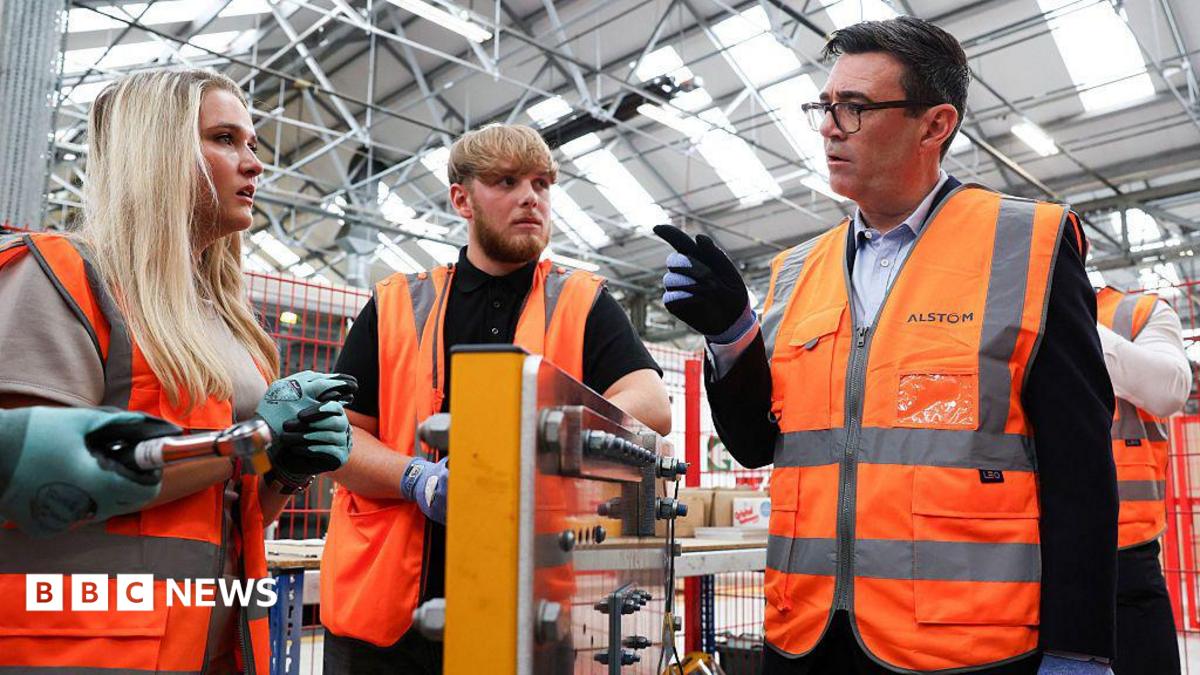
Some parents on benefits will be given up to £4,500 a year to encourage their children to start apprenticeships, the government has said.
asserted
government → publish → apprenticeships
Under plans to encourage young people into work, families will be offered a bursary to replace Universal Credit payments lost by starting jobs.
asserted
families → encourage → jobs
The payment is expected to benefit an estimated few thousand households, who currently face losing between £17 and £330 a week if their children start apprenticeships.
asserted
children → expect → apprenticeships
The Conservatives welcomed Prime Minister Andy Burnham's support for apprenticeships, but criticised his plans to fund the bursaries.
asserted
Conservatives → welcome → bursaries
The bursary will be paid for from a £30m pot, funded through the growth and skills levy, a tax on employers with annual wage bills over £3m.
asserted
bursary → pay → 3
It followed the publication of a Social Security Advisory Committee report, external which warned of the "perverse effects" of the benefits system on young people's employment choices.
asserted
which → follow → choices
It said, for example, single parents with a disabled child could lose up to £340 per week in benefits if their child started an apprenticeship, exceeding the expected apprenticeship salary of £258 per week.
uncertain
child → say → week
Because they are classed as paid employment, benefit payments are reduced to households where young people take on apprenticeships.
asserted
people → class → apprenticeships
The committee said the system was hampering government efforts to reduce the number of young people not in education, employment or training (Neet).
asserted
system → say → education
In a recent report, former Health Secretary Alan Milburn warned that one in six young people could be Neet in the next five years unless urgent action is taken.
uncertain
action → warn → years
Official figures show more than a million people aged 16 to 24 are currently Neet.
asserted
people → show → ?
The government said its new bursary would remove a barrier to young people taking on apprenticeships, allowing them to "earn and learn".
asserted
them → say → apprenticeships
Work and Pensions Secretary Pat McFadden said: "By providing bursaries to those who need them most and fully funding apprenticeship training, we are making sure cost is not the reason someone misses out."
It is part of a wider package of support for apprenticeships, including funding for apprenticeship training for under-25s and additional support for employers taking on apprentices.
asserted
It → say → apprentices
Helen Whately, the Shadow Work and Pensions Secretary, said: "I'm glad Burnham agrees: apprenticeships are a good thing, and we need more of them."
But she said the plan was "uncosted".
asserted
plan → say → them
"It is spending money already committed elsewhere.
asserted
It → spend → money
Burnham has said he is "on a mission" to reduce the number of Neets.
asserted
he → say → Neets
"The trend is rising at the moment, so the first thing I've got to do is to stop that rise," he said.
asserted
he → rise → rise
As he continues a flurry of early policy announcements, Burnham on Tuesday set out plans to strike a balance in the education system between prioritising academic and technical skills.
asserted
Burnham → continue → skills
 The Aporia