A 50% Tariff on Pencil Parts? Welcome to the U.S.-Canada Trade War.

Reason · collected 2026-09-11 · by Sara Albrecht
Read the original at Reason ↗

Summary

Canada has imposed a 50% tariff on aluminum ferrules used in pencil manufacturing as part of its retaliatory measures against US tariffs. This specific product was swept into the conflict because it is made of aluminum, which is subject to the same tariff under US Section 338 of the Tariff Act of 1930. The Canadian countermeasures match US tariffs dollar for dollar and rate for rate, resulting in a de facto 50% tax on pencils with American-made ferrules. Canada's ordinary most-favored-nation tariff on aluminum pencil ferrules is zero, making the new tariff an unusual exception.
Written by the local model on 2026-09-11, using this article's own text rather than the other coverage of the same event (that is the story summary below).

Signals How these are calculated →

Claims extracted
46
claim-shaped sentences
Uncertain
11%
5 of 46 hedged
Leaning
Leans right
of the writing, not the subject
Publisher trust
91.2
red-flag proxy, not a credibility rating
Outlets on this story
66
Politics
Narrative spread
1
articles carrying this framing
Analyzed 2026-09-11 · how these are computed

AI analysis (generated at analysis time, not now)

Story summary

Here's a summary of the news stories related to the trade war between Canada and the US:

Key points

Trade war updates

Impact on trade

US-Canada relations

Election promises in Quebec

Written for “US-Canada Trade War” on 2026-09-12, grounded in this article and the 65 other(s) covering the same event.
Why this leaning score
The article's own words the score was based on. Each is quoted verbatim and was checked against the article text before being stored, so you can find it in the original.
Score +0.35 Confidence high
Leaning score +0.35 for article 8077 (high confidence, 2 verified quotes) · logged 2026-09-11

Story

📰 US-Canada Trade War
Politics · 66 article(s) covering the same event.

How this is being covered How these are calculated →

Article leaning vs. publisher reliability
Source leaning vs. consistency

Compared with similar articles

This article reads leans right and hedges 11% of its claims. Each row says how that neighbour differs.
Retaliation same event · 100%
Reason
⚖️ leaning not scored 🔴 7% hedged 3 of 43 📰 publisher trust 91
“Both articles describe Canada's new retaliatory tariffs taking effect, targeting various US goods”
The Guardian
⚖️ leaning not scored 🔴 2% hedged 1 of 52 📰 publisher trust 60
“Both articles mention Canada's new retaliatory tariffs that took effect and specifically refer to a 50% tariff on ferrules (a component of pencil parts) and other US imports.”
Semafor
⚖️ Leans right 🔴 0% hedged 0 of 4 📰 publisher trust 96
“Both articles report on the recent trade war escalation between the US and Canada, including Ottawa imposing retaliatory tariffs, specifically mentioning a 50% tariff on 'ferrules' (presumably pencil parts) in article B”
TIME
⚖️ leaning not scored 🔴 15% hedged 6 of 41 📰 publisher trust 95
“Both articles report on Canada's new retaliatory tariffs taking effect after trade talks between the U.S. and Canada broke down, with a focus on their impact on American products”
The Globe and Mail
⚖️ leaning not scored 🔴 0% hedged 0 of 36 📰 publisher trust 40
“Both articles mention Canada's new retaliatory tariffs and their implementation on September 11, 2026.”
Global News
⚖️ Leans left further left than this 🔴 11% hedged 2 of 19 📰 publisher trust 54
“Article A reports on Canada's counter-tariffs being implemented in response to Trump's escalation, while Article B discusses the specific details of one aspect of those tariffs, without explicitly mentioning the implementation date or the context.”
The Globe and Mail
⚖️ leaning not scored 🔴 10% hedged 4 of 42 📰 publisher trust 40
“Both articles mention Canada's imposition of countertariffs as having taken effect this week, specifically citing the same type of tariff (50% on ferrules) and referencing President Trump's reaction.”
BBC News
⚖️ leaning not scored 🔴 6% hedged 2 of 31 📰 publisher trust 96
“Both articles report on Canada's retaliatory tariffs taking effect and applying to American products, including those with a 50% tariff”
CBC News
⚖️ Leans right 🔴 19% hedged 6 of 32 📰 publisher trust 95
“Article A mentions a 25% counter-tariff on semi-trailers, while Article B refers to a 50% tariff on pencil parts and ferrules, indicating different items affected by the tariffs.”
National Post
⚖️ leaning not scored 🔴 32% hedged 8 of 25 📰 publisher trust 96
“Both articles describe Canada's new retaliatory tariffs taking effect, although they focus on different aspects of the story”

Publisher

Reason · 100 article(s) · 1 correction(s) detected
Running correction rate · 1 correction(s)
2026-09-05
Lawyers' Responsibility for Hallucinations in Briefs That They Sign

Who wrote this

Sara Albrecht
1 article(s) here · 1 carrying a prediction
🔮 Thus, a Canadian manufacturer may pay a 50 percent tariff to import the American component while its competitor pays no tariff to import the completed American pencil.
The only article under this byline in the corpus.

Topics

American Canada Canadian The United States Washington

Subjects

American NORP · 8× Canada GPE · 8× Canadian NORP · 8× The United States GPE · 4× Reason ORG · 2× Washington GPE · 2× Donald Trump PERSON · 1× George Mason University ORG · 1× Ilya Somin PERSON · 1× Leonard Read PERSON · 1×

Narrative

As Reason has explained, President Donald Trump became the first president to impose tariffs under Section 338 of the Tariff Act of 1930—the Smoot-Hawley Tariff Act, perhaps the most notorious trade law in American history.
framing: assertive · carried by 1 article(s) · first seen 2026-09-11
🔮 Thus, a Canadian manufacturer may pay a 50 percent tariff to import the American component while its competitor pays no tariff to import the completed American pencil.

Claims (46 extracted, 5 hedged)

In his 1958 essay "I, Pencil," Leonard Read used the ordinary pencil to illustrate the extraordinary coordination of a free economy. asserted
Read → use → economy
Cedar, graphite, clay, lacquer, metal, rubber, machinery, transportation, and innumerable varieties of human knowledge come together to produce an object that sells for pennies. asserted
that → come → pennies
No single person directs the process. asserted
person → direct → process
The United States and Canada are now demonstrating the opposite lesson. asserted
States → demonstrate → lesson
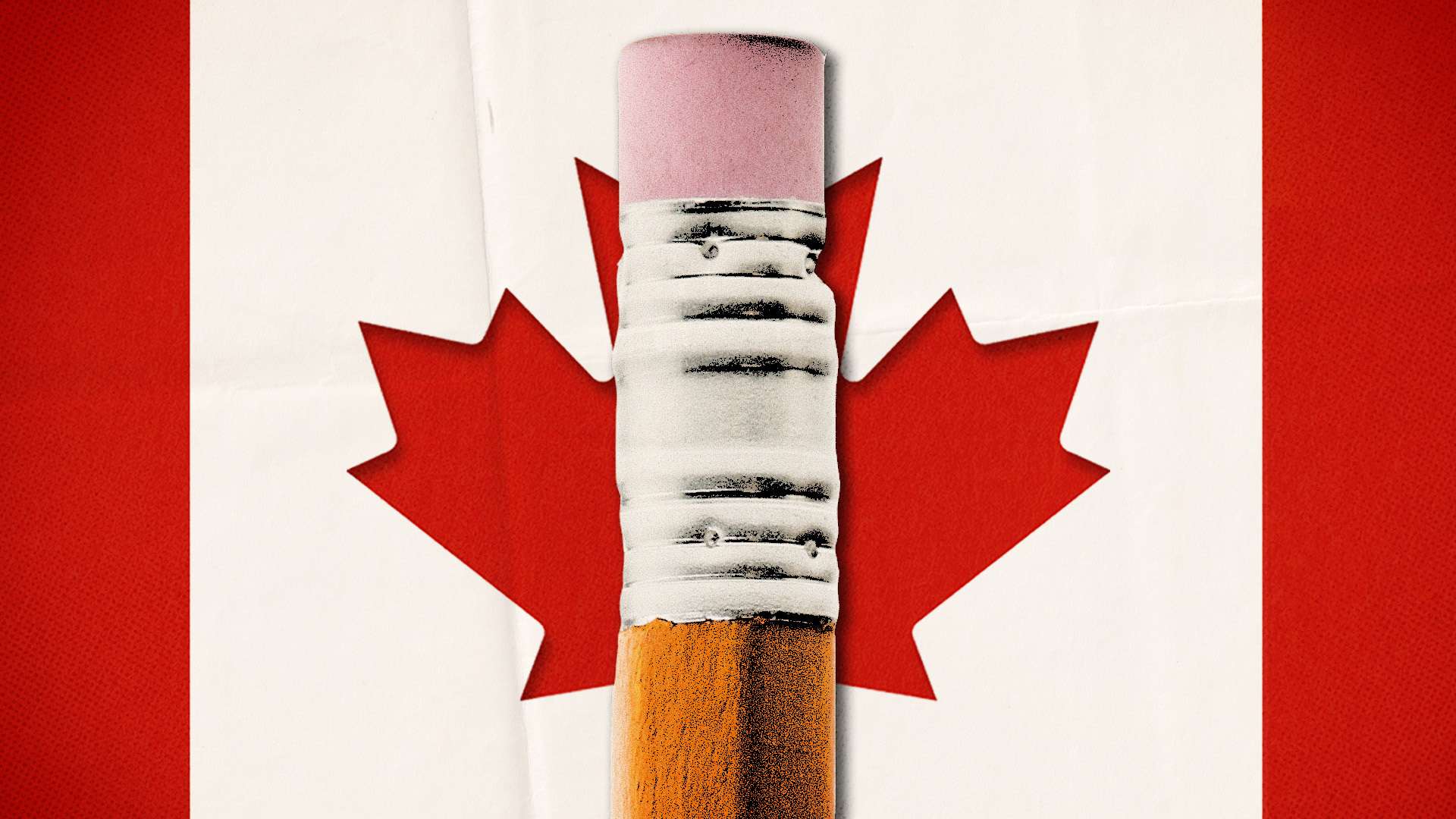
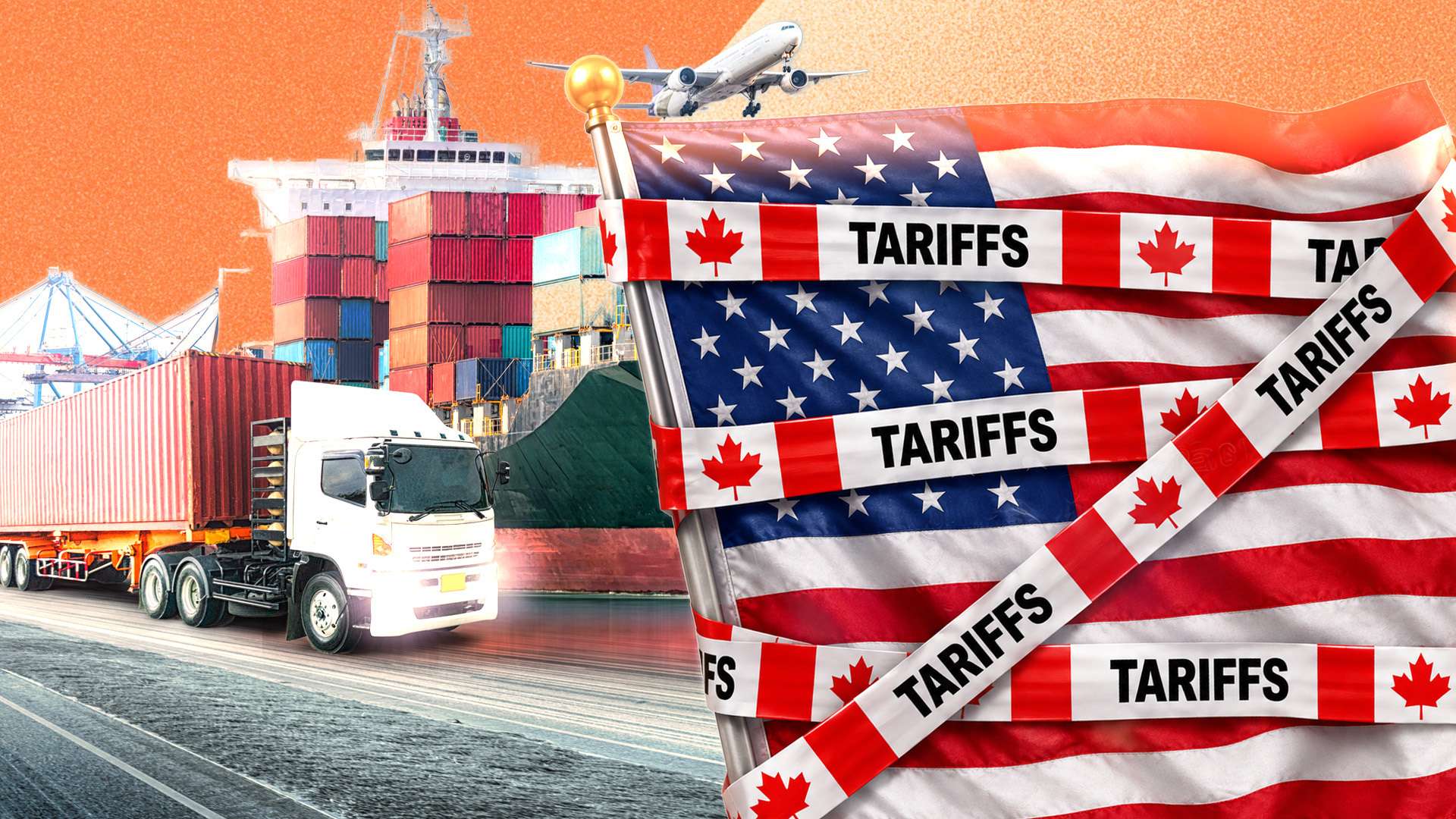
Canada's new retaliatory tariffs, which took effect this week, include a 50 percent levy on a customs category expressly covering "ferrules for use in the manufacture of pencils." asserted
which → take → pencils
A ferrule, for anyone fortunate enough not to speak fluent customs code, is the tiny metal collar joining the eraser to the pencil. asserted
ferrule → speak → pencil
Government officials do not know how to make a pencil either. asserted
officials → know → pencil
But they do know how to make its parts more expensive. asserted
parts → know → ?
Canada's ordinary most-favored-nation tariff on aluminum pencil ferrules is zero. asserted
tariff → favor → ferrules
A ferrule imported from almost anywhere outside the United States can continue to enter Canada duty-free. asserted
ferrule → import → Canada
Meanwhile, a qualifying finished pencil imported from the United States can also enter duty-free under the U.S.-Mexico-Canada Agreement. asserted
pencil → qualify → Agreement
Thus, a Canadian manufacturer may pay a 50 percent tariff to import the American component while its competitor pays no tariff to import the completed American pencil. uncertain
competitor → pay → pencil
The policy meant to answer American protectionism may end up protecting American finished goods from Canadian manufacturers. uncertain
policy → mean → manufacturers
The ferrule did not become a strategic national resource overnight. asserted
ferrule → become → ?
Canada did not discover an endangered domestic pencil-ferrule industry. asserted
Canada → discover → industry
The ferrule was swept into the conflict because of the simple fact that it is made of aluminum. asserted
it → sweep → aluminum
Other items caught in that customs classification include candle cups, fish-egg incubators, climbing equipment, migratory-bird identification bands, pigeon leg bands, and certain pharmaceutical-manufacturing equipment. asserted
items → catch → cups
This particular absurdity began in Washington. asserted
absurdity → begin → Washington
As Reason has explained, President Donald Trump became the first president to impose tariffs under Section 338 of the Tariff Act of 1930—the Smoot-Hawley Tariff Act, perhaps the most notorious trade law in American history. asserted
Trump → explain → history
Section 338 spent nearly a century gathering statutory dust before the administration pulled it from the attic to impose 50 percent tariffs on approximately $20 billion in Canadian imports. asserted
administration → spend → imports
George Mason University law professor Ilya Somin has argued that this "long-defunct part" of Smoot-Hawley was superseded by later trade legislation and that its revival is illegal. asserted
revival → argue → legislation
Canada responded as countries on the receiving end of tariffs traditionally do: It imposed tariffs of its own. asserted
It → respond → own
Ottawa says its countermeasures match Washington's tariffs dollar for dollar and rate for rate. asserted
countermeasures → say → rate
That is how two of the world's wealthiest, friendliest, and most integrated economies arrived basically at a 50 percent tax on the nationality of the ring around a pencil eraser. asserted
two → arrive → eraser
Politicians describe this as retaliation, as if their government were striking a foreign adversary. asserted
government → describe → adversary
But the first person to pay Canada's tariff is the Canadian importer. asserted
person → pay → tariff
The burden then falls somewhere among Canadian manufacturers, retailers, workers, investors, and consumers. asserted
burden → fall → manufacturers
American tariffs hurt Americans. asserted
tariffs → hurt → Americans
Canadian tariffs hurt Canadians. asserted
tariffs → hurt → Canadians
Combining the two does not cancel the damage. asserted
Combining → combine → damage
It compounds it. asserted
It → compound → it
Reason contributor J.D. Tuccille recently argued that Canada should answer American protectionism with unilateral free trade rather than join the United States in taxing its own citizens. asserted
Canada → argue → citizens
The pencil ferrule demonstrates why. asserted
ferrule → demonstrate → ?
Suppose a Canadian pencil manufacturer buys ferrules from an American supplier. asserted
manufacturer → suppose → supplier
It can pay the tariff, force the supplier to absorb some of it, switch to a producer elsewhere, redesign the pencil, or import the finished product. asserted
It → pay → product
None of those choices manufactures a ferrule in Canada or makes the Canadian factory more productive. asserted
factory → manufacture → Canada
At best, the tariff diverts an order from an American supplier to a supplier in another country. asserted
tariff → divert → country
At worst, it disadvantages Canadian manufacturing against foreign companies selling completed pencils. asserted
it → disadvantage → pencils
Officials may later cite declining imports from the United States as proof that the tariff "worked." uncertain
tariff → cite → proof
But changing the direction from which a tiny aluminum tube crosses the border is not productive capacity. asserted
tube → change → border
…and 6 more, not listed.

💬 Give feedback
🕘 History 🎫 Support