The Aporia
The Aporia
The Aporia

Whittle, P. (2026, October 14). Supreme Court declines to hear the case of a lobster fisherman who opposes boat tracking. Toronto Star. https://www.thestar.com/news/world/united-states/supreme-court-declines-to-hear-the-case-of-a-lobster-fisherman-who-opposes-boat-tracking/article_f7195117-3a3f-5afa-9e6c-64f37171c8f2.html
Whittle, Patrick. “Supreme Court declines to hear the case of a lobster fisherman who opposes boat tracking.” Toronto Star, 14 Oct. 2026, https://www.thestar.com/news/world/united-states/supreme-court-declines-to-hear-the-case-of-a-lobster-fisherman-who-opposes-boat-tracking/article_f7195117-3a3f-5afa-9e6c-64f37171c8f2.html.
Whittle, Patrick. “Supreme Court declines to hear the case of a lobster fisherman who opposes boat tracking.” Toronto Star, October 14, 2026. https://www.thestar.com/news/world/united-states/supreme-court-declines-to-hear-the-case-of-a-lobster-fisherman-who-opposes-boat-tracking/article_f7195117-3a3f-5afa-9e6c-64f37171c8f2.html.
Dated from the outlet's own feed. Check the original for its byline.
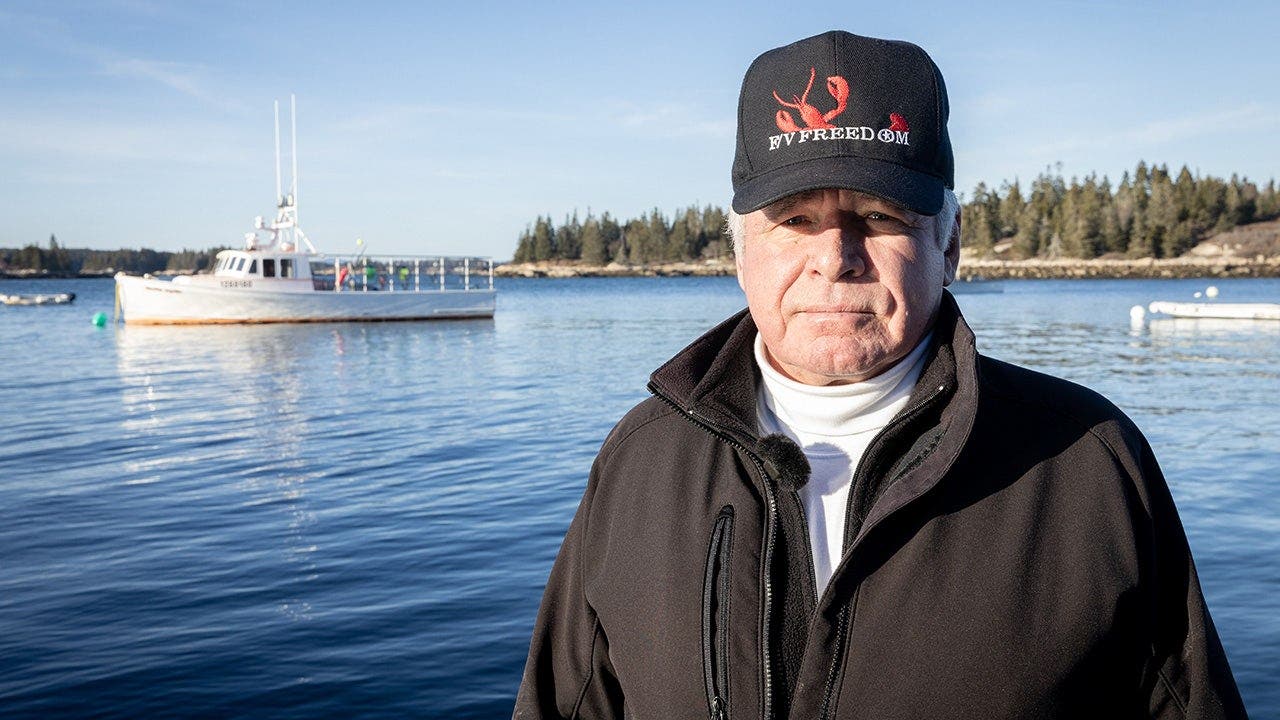
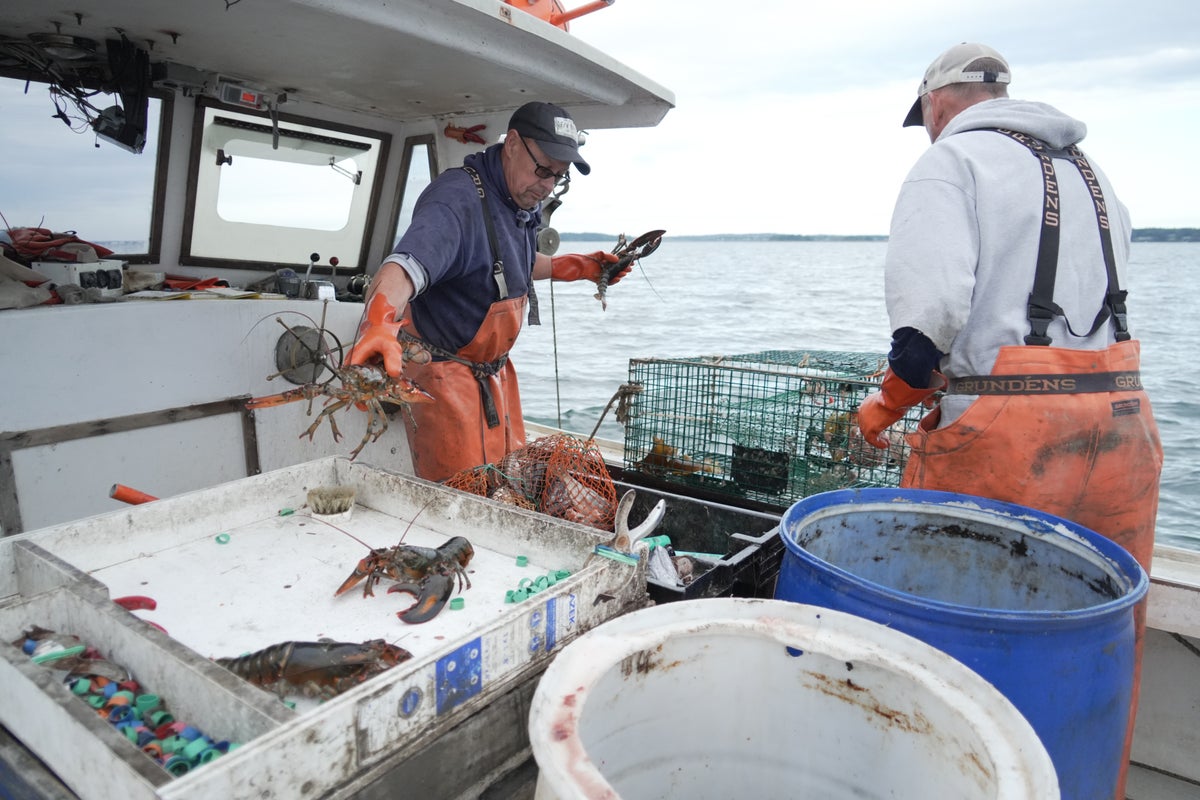
The Supreme Court declined to hear a case brought by Maine lobster fisherman Frank Thompson, who challenged a state requirement for commercial fishing boats to use GPS trackers on privacy grounds. Thompson argued that the government mandate violated his Fourth Amendment rights against unreasonable search and seizure. Despite losing at the First Circuit level, Thompson is undeterred, stating, "Ain't over yet," as he continues his legal battle against what he considers intrusive surveillance. The case could have broader implications for closely regulated industries beyond lobster fishing in Maine.
lobster fisherman who alleged the government requiring commercial fishing boats to use electronic tracking devices amounts to unreasonable search and seizure